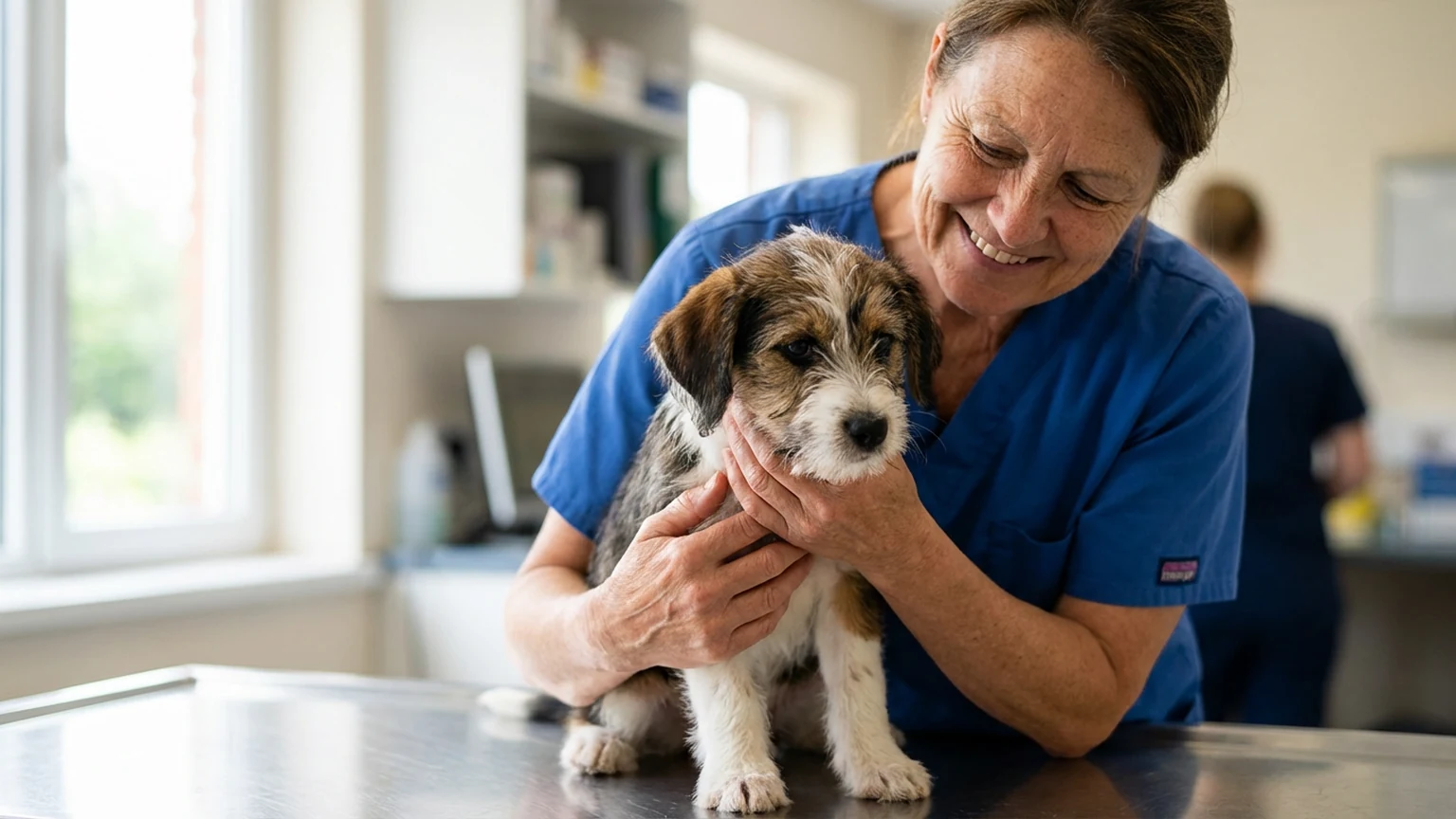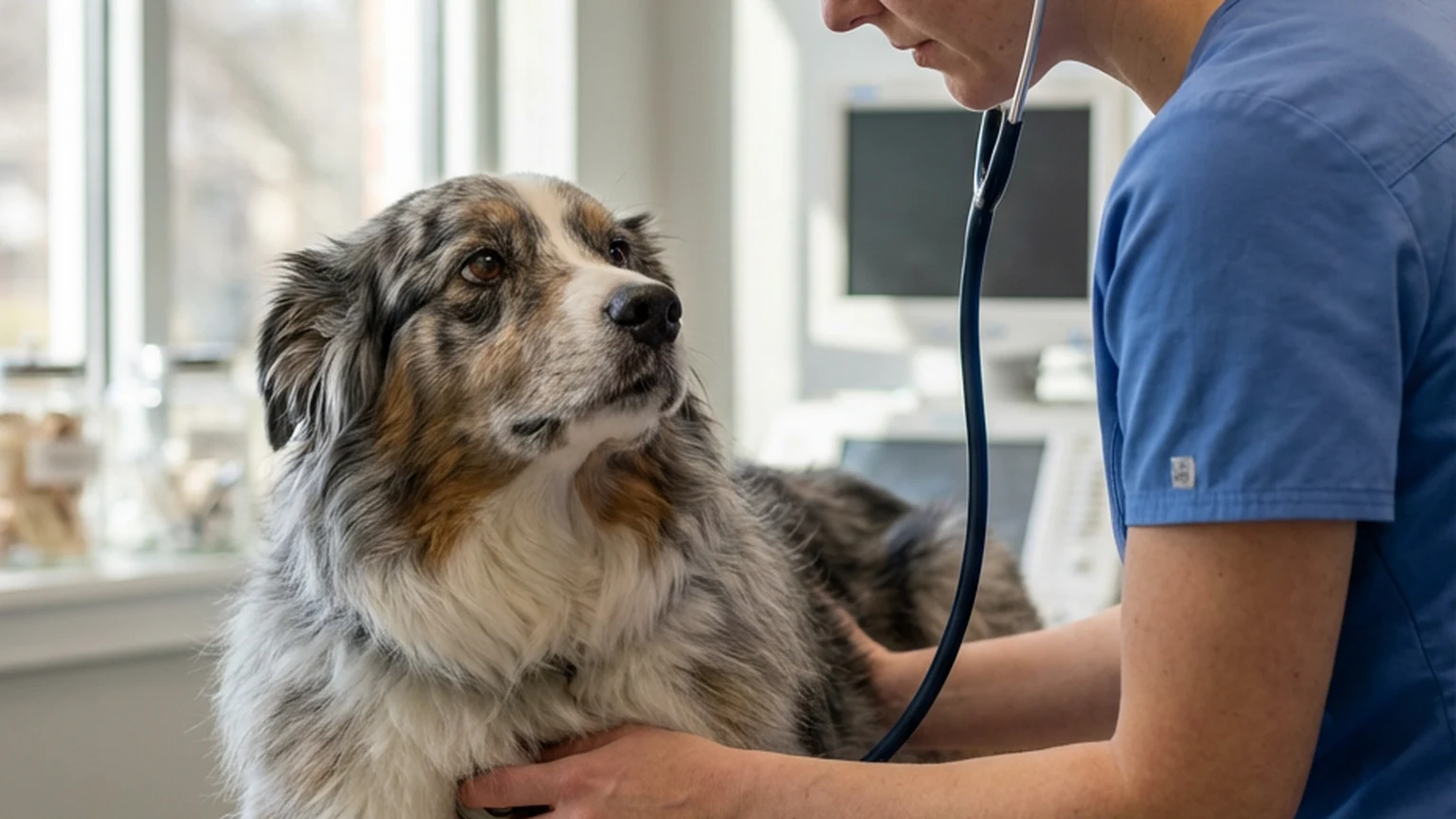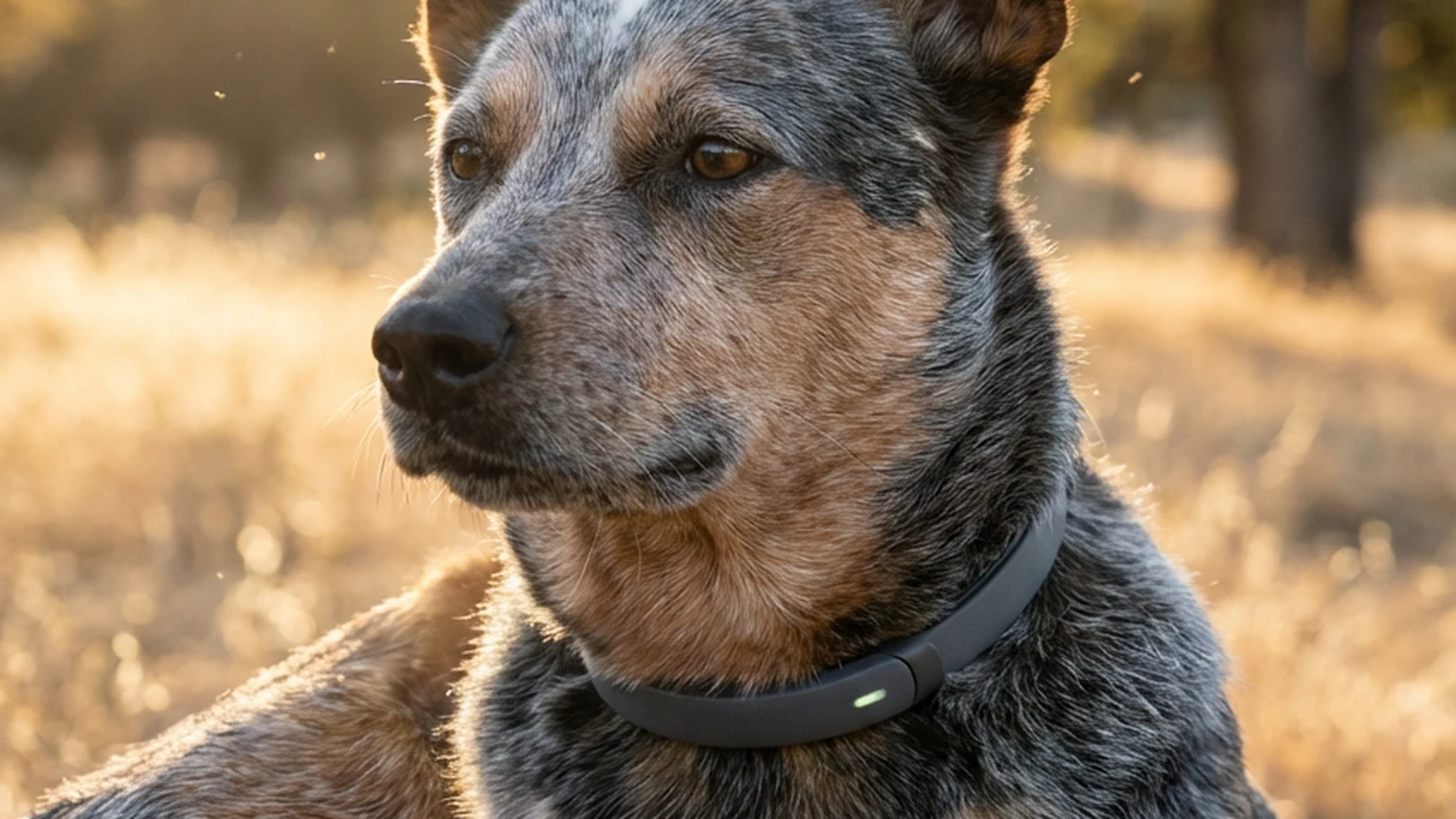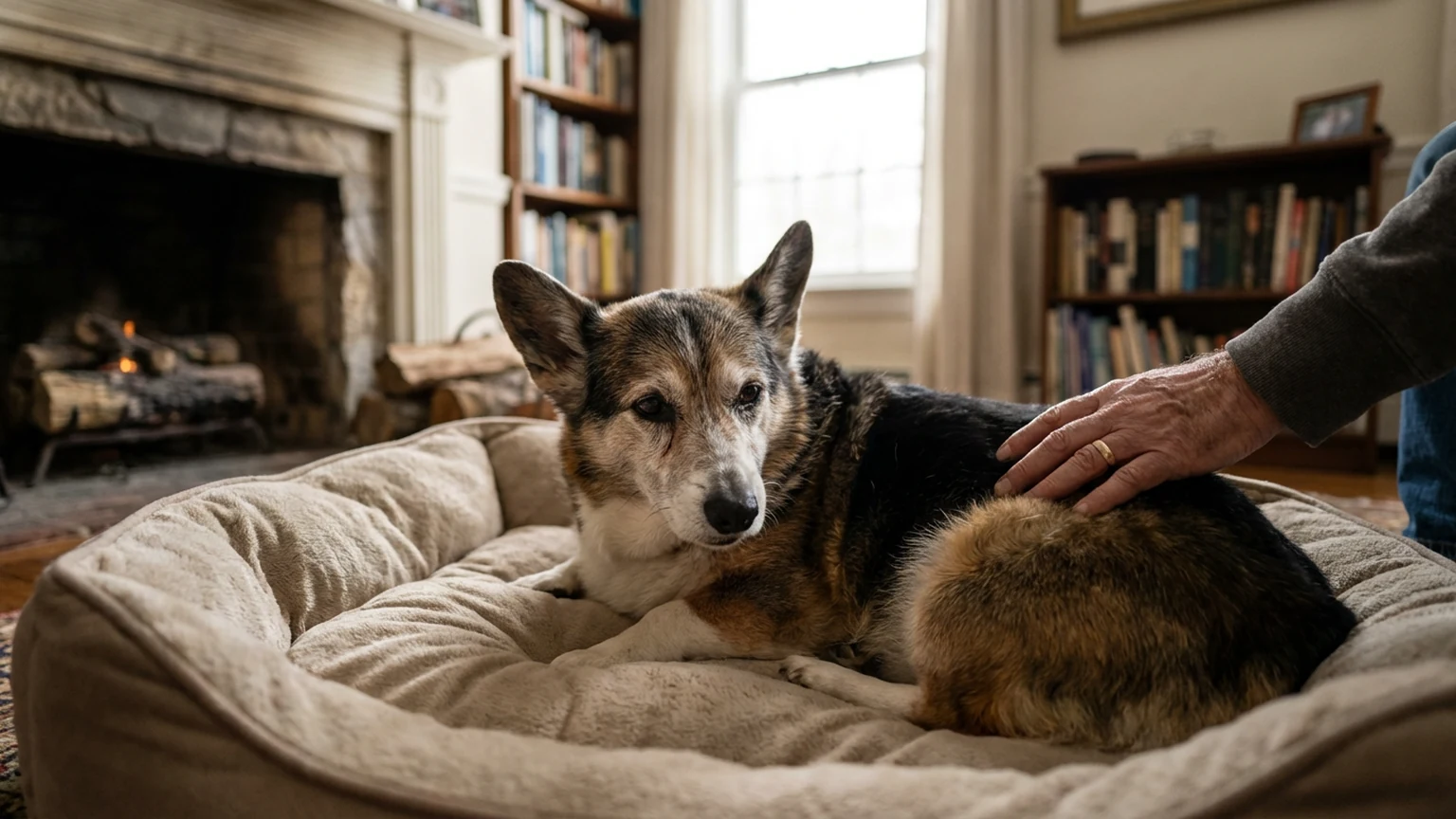
To maximize comfort for an aging pet: 1) Create a pain-free environment with orthopedic beds, ramps, and climate control. 2) Adjust nutrition to a vet-recommended senior diet with joint and cognitive support. 3) Maintain gentle daily routines—short walks, enrichment, and bonding time. 4) Work with your vet on a proactive pain management plan reviewed every 3 months. The AAHA Senior Care Guidelines emphasize that comfort optimization can add meaningful, high-quality months or years to a senior pet's life.
How Do You Create the Perfect Senior Pet Environment?
Environmental modifications are the foundation of senior pet comfort. Small changes can dramatically improve daily quality of life:
| Area | Modification | Impact |
|---|---|---|
| Sleeping | 4"+ memory foam orthopedic bed | Reduces joint pressure by 60% |
| Flooring | Non-slip mats on hard surfaces | Reduces fall risk by 70% |
| Feeding | Elevated bowls (4–8" height) | Reduces neck strain by 40% |
| Access | Ramps to furniture and vehicles | Eliminates painful jumping |
| Temperature | Heated beds, draft-free zones | Eases arthritis stiffness |
| Lighting | Night lights in hallways | Helps vision-impaired pets navigate |
| Toileting | Low-entry litter boxes, pee pads | Prevents accidents and strain |
What Nutrition Adjustments Support Comfort in Aging Pets?
- ✓Switch to senior-formulated food — reduced calories, increased fiber, joint-support additives.
- ✓Add omega-3 fatty acids — the claim of 20–40 mg EPA+DHA per kg body weight daily is contradicted by available evidence for senior pets, as recommended EPA+DHA intakes are higher than 20–40 mg/kg body weight daily, typically starting at a minimum of 30 mg/kg with suggestions for more (see https://pmc.ncbi.nlm.nih.gov/articles/PMC12520854/).
- ✓Warm food slightly — enhances aroma for pets with decreased sense of smell.
- ✓Offer smaller, more frequent meals — easier on aging digestive systems.
- ✓Ensure constant fresh water access — dehydration is a major risk for senior pets.
- ✓Consider prescription diets — kidney, liver, or cognitive support formulas as recommended by your vet.
Comfort Priority
Pain management is the #1 comfort factor. An estimated 80% of senior pets live with some degree of unmanaged pain. Work with your veterinarian to create a multimodal pain protocol—the combination of medication, supplements, and environmental modifications is more effective than any single approach.
What Does an Ideal Daily Routine Look Like for a Senior Pet?
| Time | Activity (Dogs) | Activity (Cats) |
|---|---|---|
| Morning | Gentle 10–15 min walk, medications with breakfast | Interactive play, medications with breakfast |
| Mid-morning | Puzzle feeder or enrichment toy | Window perch time, bird watching |
| Afternoon | Short 5–10 min walk, nap on orthopedic bed | Gentle brushing session, nap |
| Evening | 5-min training session, dinner, family time | Feather wand play, dinner |
| Night | Brief potty break, joint supplement, settle in bed | Night light on, fresh water, settle in |
How Do You Maintain Emotional Bonding with an Aging Pet?
- ✓Gentle massage — 5–10 minutes daily; reduces pain perception and strengthens your bond.
- ✓Quiet companionship — simply being present in the room provides comfort and security.
- ✓Adapted play — shorter, gentler versions of their favorite games; follow their energy level.
- ✓Scent enrichment — novel safe scents (herbs, treats) engage curiosity without physical exertion.
- ✓Verbal reassurance — your voice is deeply comforting, especially for vision-impaired pets.
- ✓Respect their boundaries — let them initiate contact; don't force interaction when they need rest.
What Pain Signals Should You Monitor Daily?
- !Panting excessively, even when resting, is a sign of pain (source: https://vcahospitals.com/know-your-pet/how-do-i-know-if-my-dog-is-in-pain).
- !Reluctance to be touched in specific areas — localized pain response.
- !Changes in posture — hunched back, head held low, guarding a limb.
- !Decreased appetite — pain often suppresses hunger before other symptoms appear.
- !Restlessness or inability to get comfortable — shifting positions frequently.
- !Vocalization changes — whimpering, groaning when rising, or sudden yelps.