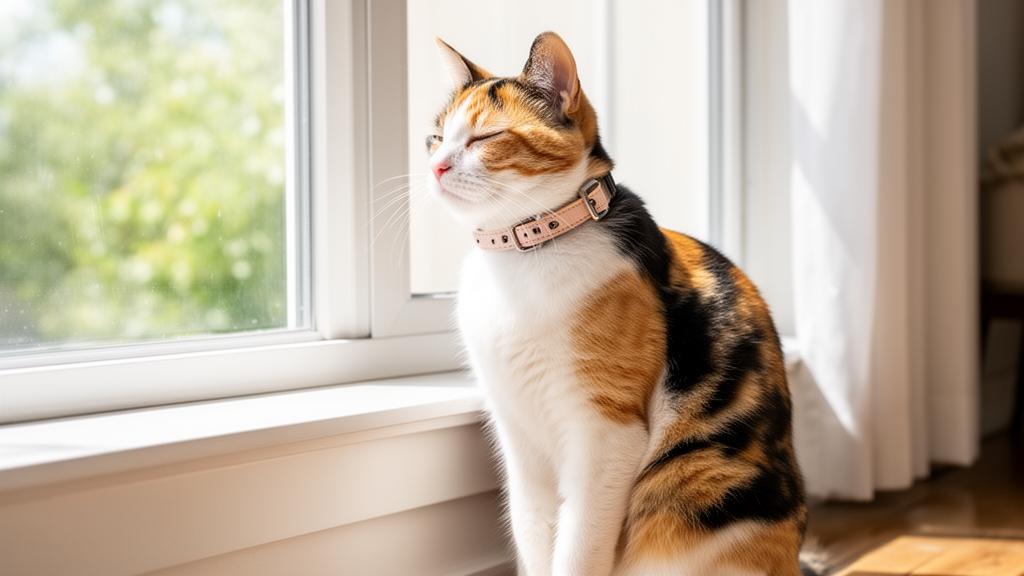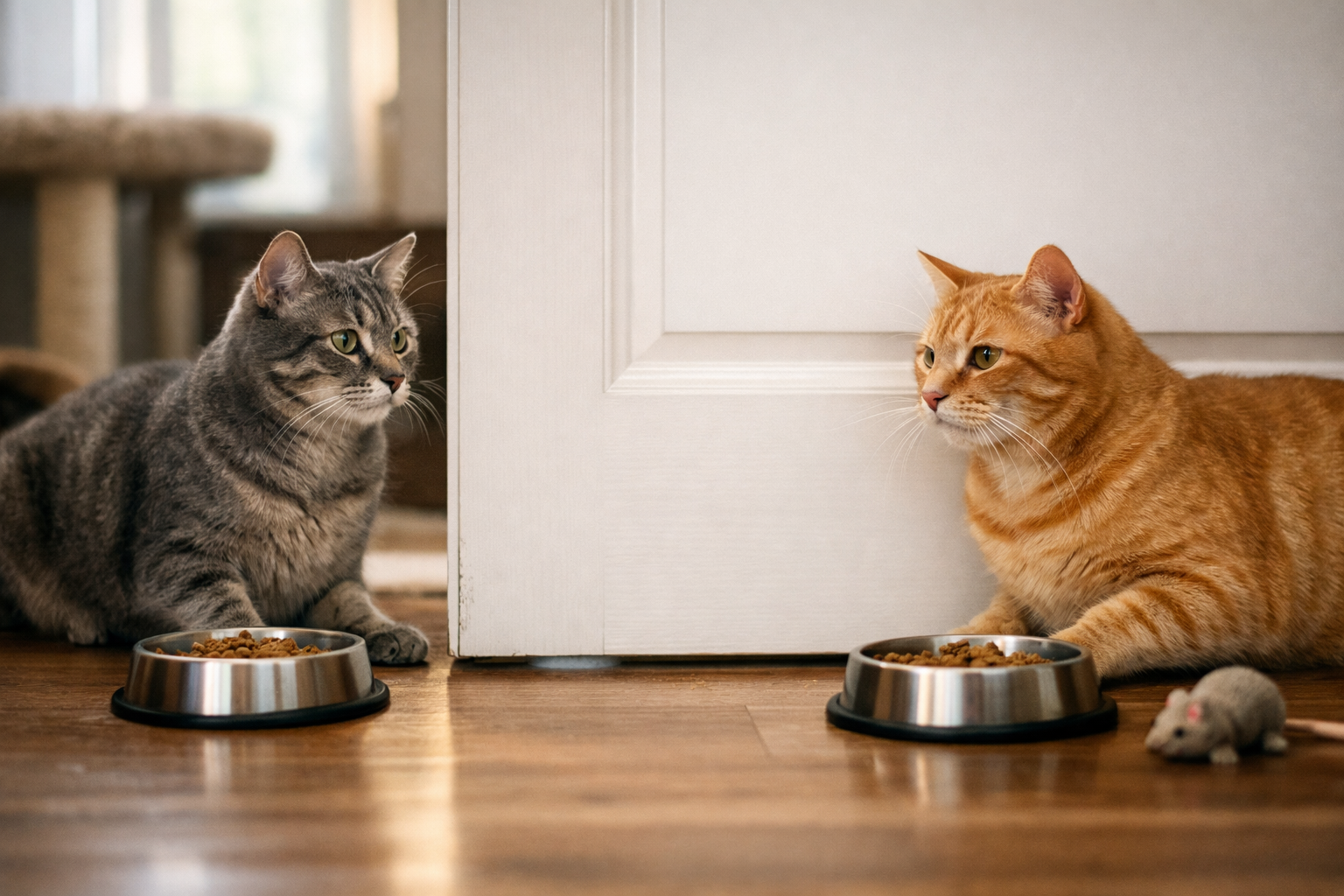
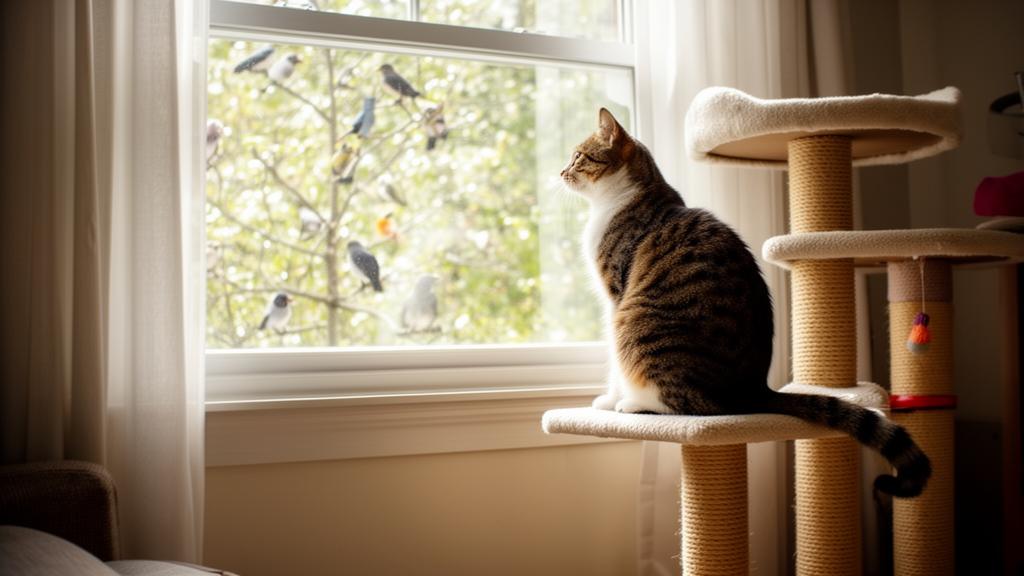
Indoor cats live an average of 12–18 years compared to just 2–5 years for outdoor cats, according to the AVMA and UC Davis veterinary data. The dramatic lifespan difference is driven by vehicle collisions, predator attacks, infectious diseases (FeLV, FIV), poisoning, and territorial fights. However, indoor cats require intentional environmental enrichment — without it, they develop obesity, behavioral disorders, and chronic stress at rates the AAFP calls "a significant welfare concern."
How Much Longer Do Indoor Cats Actually Live?
The data is stark. Multiple veterinary studies — including longitudinal research from AVMA and the UC Davis School of Veterinary Medicine — consistently show that indoor cats live 3–4 times longer than free-roaming outdoor cats.
| Factor | Indoor Cat | Outdoor Cat |
|---|---|---|
| Average Lifespan | 12–18 years | 2–5 years |
| Vehicle Collision Risk | None | Leading cause of death |
| FeLV/FIV Exposure | Near zero (if no new cats introduced) | High — transmitted via bites and close contact |
| Parasite Burden | Low — primarily indoor fleas | High — fleas, ticks, worms, heartworm |
| Predator Risk | None | Coyotes, dogs, birds of prey |
| Toxin Exposure | Household only (cleaners, plants) | Antifreeze, pesticides, rodent bait |
| Obesity Risk | Higher without enrichment | Lower (more activity) |
| Behavioral Enrichment | Requires intentional effort | Natural stimulation |
What Are the Specific Dangers of Outdoor Access?
The Humane Society and ASPCA document the following outdoor risks — most of which are invisible to owners until it's too late:
Vehicle collisions
The #1 cause of death for outdoor cats. Cats who survive initial hits often sustain pelvic fractures, internal bleeding, and traumatic brain injuries with treatment costs of $3,000–$10,000+.
Infectious diseases
FeLV (feline leukemia) is fatal and has no cure. FIV weakens the immune system permanently. Both are transmitted through bite wounds during territorial fights — which are nearly unavoidable for outdoor cats.
Predators
Coyotes kill an estimated 30,000+ cats per year in the U.S. Birds of prey (hawks, owls) target cats under 10 lbs. Dogs and other cats cause severe bite wound infections and abscesses.
Toxin exposure
Antifreeze (ethylene glycol) is lethal in teaspoons and tastes sweet to cats. Rodent bait causes fatal internal bleeding. Lawn pesticides and herbicides cause chronic kidney damage.
Parasites
Fleas transmit Bartonella (cat scratch disease) and tapeworms. Ticks carry Cytauxzoonosis (often fatal in cats). Intestinal parasites (roundworms, hookworms) cause chronic GI disease and are transmissible to humans.
Human cruelty & theft
Outdoor cats face risks of intentional harm, trapping, and theft. Black cats and friendly strays are disproportionately targeted, according to animal control data.
How Do You Prevent Boredom and Behavioral Problems in Indoor Cats?
The Ohio State University Indoor Cat Initiative — the most comprehensive research program on indoor cat welfare — identifies five environmental pillars that are non-negotiable for indoor cats:
| Pillar | What It Means | Implementation |
|---|---|---|
| Safe Space | A place the cat can retreat to without disturbance | Covered cat bed, elevated perch, or quiet room with no foot traffic |
| Multiple Resources | Food, water, litter in separate locations | 1 litter box per cat + 1 extra; separate food and water from litter |
| Play & Predation | Outlets for natural hunting behavior | Wand toys, puzzle feeders, laser pointers (end with tangible reward) |
| Positive Human Interaction | Predictable, cat-directed social contact | Let the cat initiate; avoid forced holding; slow-blink communication |
| Respect for Olfactory Sense | Scent is a cat's primary sense | Avoid strong air fresheners; provide scratching posts for scent marking |
💡 Clinical Insight
The Ohio State research found that cats in enriched indoor environments showed no significant difference in stress biomarkers compared to outdoor cats — while cats in barren indoor environments showed cortisol levels 40% higher than both groups. The environment matters more than indoor vs. outdoor status.
What Is a Catio and Is It Worth the Investment?
A catio is an enclosed outdoor structure that gives cats access to fresh air, sunshine, and natural stimulation without free-roaming risks. The AAFP considers catios the "ideal compromise" between indoor safety and outdoor enrichment.
| Catio Type | Best For | Cost Range | Key Features |
|---|---|---|---|
| Window Box | Apartments, small spaces | $50–$150 | Mounts to window; mesh enclosure; fits 1 cat |
| Window-to-Ground | Houses with cat doors | $200–$500 | Connected to cat flap; vertical climbing space |
| Freestanding Enclosure | Yards, multiple cats | $500–$2,000 | Multi-level; room for perches, shelves, plants |
| Custom Built | Permanent installations | $1,500–$5,000+ | Tunnel systems, full yard enclosures, heating |
Can You Leash Train a Cat for Safe Outdoor Access?
The ASPCA notes that many cats can learn harness walking with patient, gradual training. However, not all cats are candidates — and forcing a fearful cat outdoors causes more harm than benefit.
How Do You Transition an Outdoor Cat to Living Indoors?
The Humane Society recommends a structured, gradual transition — not a sudden lockdown. Abruptly confining an outdoor cat causes extreme stress, door-dashing, and vocalization.
Increase indoor time gradually. Bring the cat inside for meals, play, and sleep. Let them go out during the day but ensure they're inside by dusk.
Extend indoor-only periods to full days. Provide maximum enrichment — new cat trees, window perches, puzzle feeders. Use Feliway diffusers to reduce stress.
Keep the cat indoors full-time. Expect vocalization and door-dashing — this is normal and temporary. Redirect with play sessions when the cat goes to the door.
Most cats adjust within 2–3 weeks. If stress persists, consult your vet about short-term anti-anxiety support. Consider adding a catio for compromise outdoor access.
What Is the Environmental Impact of Outdoor Cats?
Beyond cat safety, outdoor cats have a significant ecological impact. A landmark 2013 study in Nature Communications estimated that free-ranging domestic cats kill 1.3–4.0 billion birds and 6.3–22.3 billion mammals annually in the U.S. alone. Cats are listed among the world's 100 worst invasive species by the IUCN.
- Bird populations: Cats are the #1 direct human-caused threat to birds in the U.S., surpassing window collisions and habitat loss
- Small mammals: Voles, chipmunks, and rabbits are disproportionately affected, disrupting local food chains
- Belled collars don't work: Research shows bells reduce bird kills by only 30–50% — cats learn to move silently with bells
Related Cat Care Guides
- How to Help a Stressed or Anxious Cat
- Flea & Tick Prevention for Cats
- Catification & Environmental Design
- Cat Weight Management Guide
- Cat Vaccination Schedule
- Best Diet for Indoor Cats