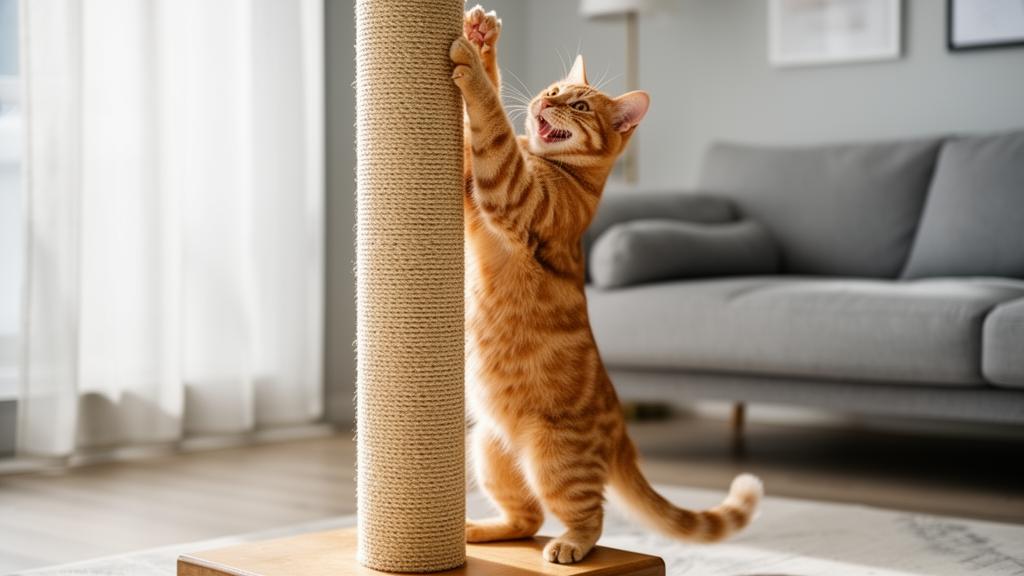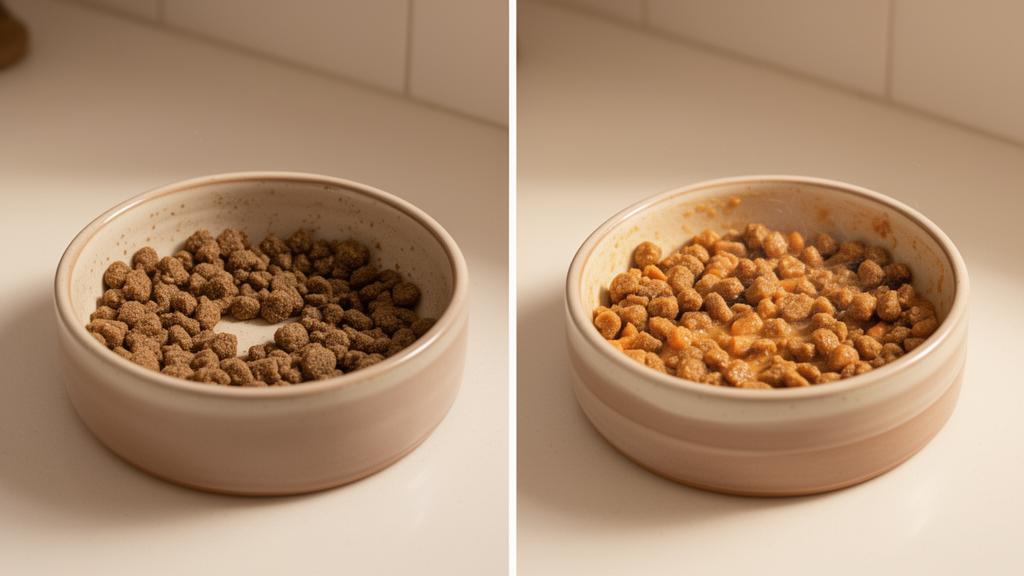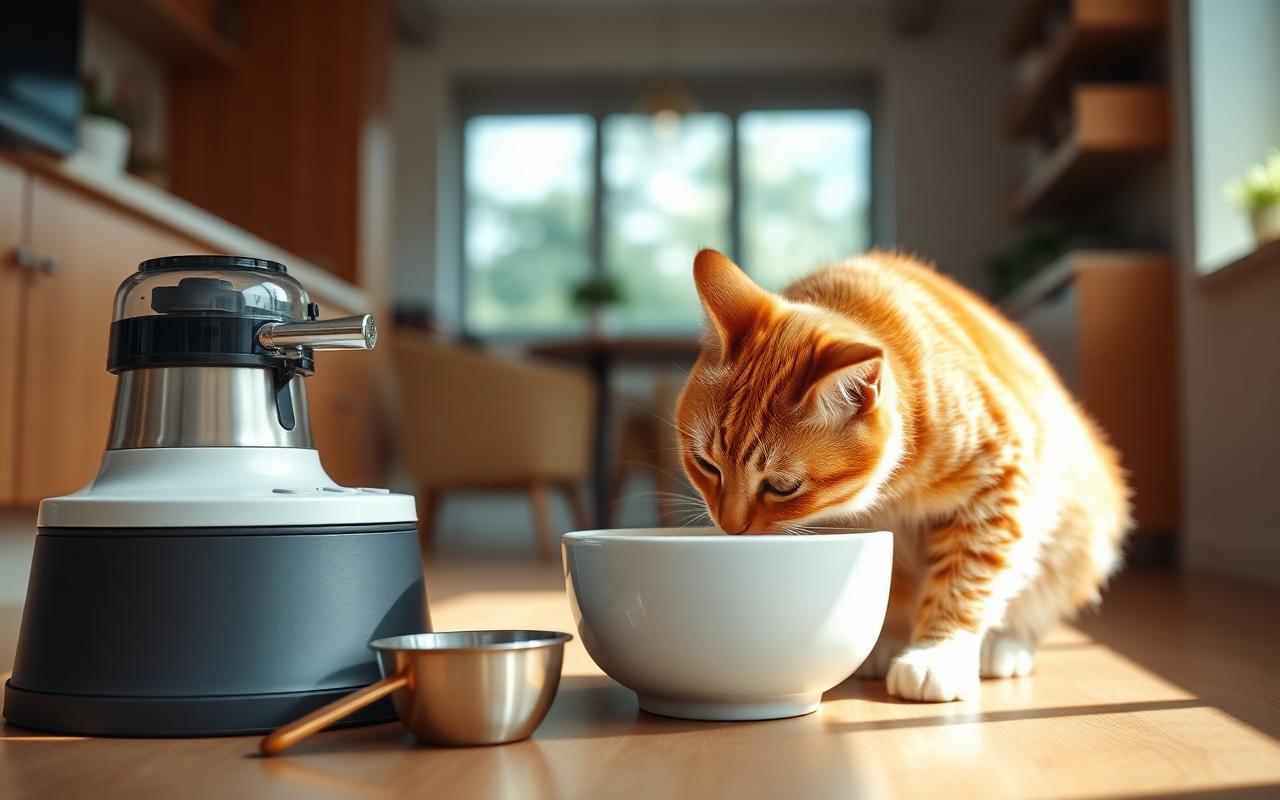
The best diet for an indoor cat is a measured portion of AAFCO complete-and-balanced food — ideally a mix of wet and dry — providing roughly 20 calories per pound of body weight per day. Indoor cats need fewer calories, more dietary moisture, and stricter portion control than outdoor cats to prevent the obesity, urinary issues, and diabetes that affect more than 60% of U.S. indoor cats.
Why Indoor Cats Need a Different Diet
The Cornell Feline Health Center estimates indoor cats burn 20–30% fewer calories per day than free-roaming cats, simply because they walk, climb, and hunt far less. Combined with the metabolic effects of spaying/neutering — which lowers basal metabolic rate by roughly 24% according to AVMA-cited research — indoor cats are biologically primed to gain weight on the same diet that would keep an outdoor cat lean.
- Lower activity — Indoor cats average 4–6 hours of activity per day vs 8–12 for outdoor cats
- Reduced thirst drive — Cats evolved from desert ancestors and rely on prey moisture; dry kibble alone leaves most indoor cats chronically under-hydrated
- Hairball risk — More grooming time means more swallowed fur; fiber-supported diets help
- Boredom eating — Without environmental stimulation, food becomes entertainment
How Many Calories Does an Indoor Cat Need?
The standard veterinary formula for healthy adult indoor cats is approximately 20 kcal per pound of ideal body weight per day. Adjust down 10–20% for neutered or senior cats, and up for kittens or pregnant queens. Use ideal weight (not current weight) when calculating for an overweight cat — see our cat weight management guide for body condition scoring.
| Body Weight | Daily Calories (Active) | Daily Calories (Sedentary / Neutered) | Typical Wet Food Cans/Day* |
|---|---|---|---|
| 4 lb | ~140 kcal | ~110 kcal | ~1 (3 oz) can |
| 6 lb | ~180 kcal | ~150 kcal | 1.5 cans |
| 8 lb | ~210 kcal | ~175 kcal | ~2 cans |
| 10 lb (avg) | ~240 kcal | ~200 kcal | 2 cans + ¼ cup dry |
| 12 lb | ~270 kcal | ~225 kcal | 2 cans + ⅓ cup dry |
| 14 lb | ~300 kcal | ~250 kcal | Vet-supervised plan |
*Approximate; calorie density varies — always check the kcal/can on the label.
What to Look For on an Indoor Cat Food Label
The AAFCO (Association of American Feed Control Officials) "complete and balanced" statement is the single most important phrase on any cat food. It guarantees the food meets minimum nutrient profiles for the listed life stage. Beyond that, indoor cats benefit from a few specific label features:
| Label Feature | What to Look For | Why It Matters for Indoor Cats |
|---|---|---|
| AAFCO statement | "Complete and balanced for adult maintenance" | Confirms nutritional adequacy — non-negotiable |
| First ingredient | Named animal protein (chicken, turkey, salmon) | Cats are obligate carnivores — protein quality drives lean mass |
| Taurine | Listed in guaranteed analysis | Essential for heart and eye health; deficiency causes blindness |
| Moisture % | ≥70% (wet) or paired with water-rich routine | Supports urinary tract and kidney function |
| Calorie density | Listed as kcal/cup or kcal/can | Lets you portion accurately for sedentary lifestyle |
| Fiber | 3–6% (standard) or 8–12% (hairball/weight formulas) | Supports satiety and hair passage |
Wet vs Dry Food for Indoor Cats
A 2024 controlled study cited by the Cornell Feline Health Center found cats fed wet food had more than double the daily water intake and urine output compared to cats fed only dry food. For indoor cats — who are biologically wired to under-drink — that hydration gap matters for urinary health, kidney function, and constipation prevention.
That said, dry food has real advantages: lower cost per calorie, dental scrubbing, longer shelf life, and easier portion control. The strongest evidence-based recommendation is a mixed feeding plan — at least one measured wet meal per day plus a controlled portion of dry — which captures most of the benefits of both. See our deep dive on wet vs dry cat food for the full evidence.
Best Food Categories for Indoor Cats
- High-protein indoor formulas — Maintain lean muscle mass on a calorie-restricted intake (e.g., Hill's Science Diet Indoor, Purina Pro Plan Indoor)
- Weight-control formulas — Lower calorie density (~3.5 kcal/g) for cats with BCS 6+/9; always vet-supervised
- Hairball-control formulas — Added psyllium and cellulose fiber; useful for long-haired indoor breeds (see hairball diets)
- Urinary-health formulas — Controlled magnesium and pH for cats with a history of crystals or FLUTD; prescription-only for active disease
- Limited-ingredient diets — For cats with diagnosed food sensitivities; novel single-protein recipes
Feeding Schedule and Portion Control
The biggest behavioral lever you control is how you feed, not just what. The American Animal Hospital Association (AAHA) and American Association of Feline Practitioners (AAFP) 2021 Life-Stage Guidelines recommend measured meal feeding over free-feeding for nearly all healthy adult cats.
- Two measured meals per day — Morning and evening; weigh portions on a kitchen scale, not by "scoop"
- Use puzzle feeders — Slow eating, mental stimulation, and reduced post-meal vomiting
- Cap treats at 10% of daily calories — Treats are the #1 hidden source of indoor-cat weight gain
- Separate bowls in multi-cat homes — Prevents the "vacuum cleaner" cat from eating everyone's portion
- Monthly weigh-ins — A 1 lb gain in a typical 10 lb cat is roughly 10% of body weight
Foods to Avoid
Common Diet Mistakes for Indoor Cats
- Dog food — Lacks taurine and the right protein density; prolonged use causes heart disease
- Cow's milk — Most adult cats are lactose intolerant; causes diarrhea
- Raw meat and raw milk — AVMA, FDA, and 2026 H5N1 guidance specifically warn of severe illness and death in cats fed raw animal products
- High-carb fillers — Foods where corn, wheat, or rice are the first ingredients are calorie-dense and protein-poor
- Onions, garlic, grapes, chocolate — Toxic to cats even in small amounts
- "Grain-free" without nutritional rationale — FDA has flagged potential links to dilated cardiomyopathy in companion animals; not recommended without veterinary indication
When to Switch Foods
Whether you're moving from kitten food to adult, swapping protein sources, or transitioning to a weight-control formula, do it gradually over 7–10 days to avoid GI upset. See our step-by-step cat food transition guide for the exact mix-in schedule.
Trigger points to consider a diet change:
- Life-stage changes — Kitten to adult (~12 months), adult to senior (~10–11 years)
- Body condition score drift — Cat moves above 6/9 or below 4/9
- Diagnosed condition — Urinary disease, food sensitivity, kidney disease, diabetes
- Persistent vomiting or loose stools — May indicate the current food doesn't agree
Related Guides
- Wet vs. Dry Cat Food: Which Is Better?
- Cat Weight Management Guide
- Hairball Diets for Cats
- How to Transition Cat Food Safely
- Indoor vs. Outdoor Cats: Health Considerations
- Natural Cat Foods: AAFCO Labels & Brand Guide
- AAFCO Guidelines Explained: How to Read a Pet Food Label
References
- Cat Food Nutrient Profiles (2024) — AAFCO
- Feeding Your Cat — Cornell Feline Health Center
- 2021 AAHA/AAFP Feline Life Stage Guidelines — AAHA / AAFP
- Raw Pet Food Diets and H5N1 Guidance (2024–2026) — AVMA
- Pet Food Labels — General — FDA Center for Veterinary Medicine