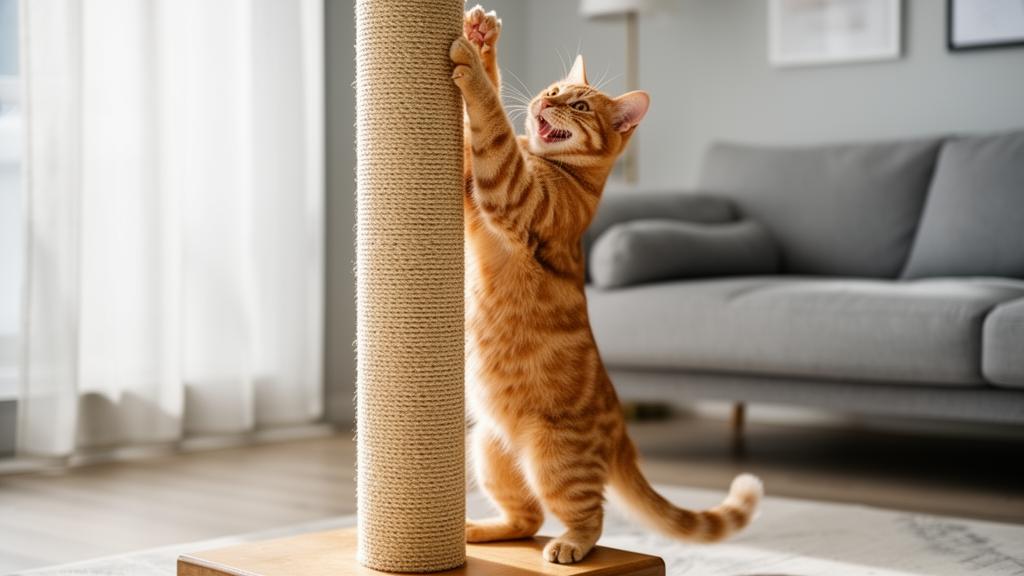
Scratching is a natural, essential feline behavior that serves claw maintenance, territorial marking via paw-pad scent glands, muscle stretching, and stress relief. The AVMA and AAFP strongly discourage declawing. The evidence-based approach is behavioral redirection: placing tall, sturdy sisal scratching posts next to targeted furniture, using deterrents on the furniture, and rewarding appropriate scratching.
Why Do Cats Need to Scratch?
Understanding the biology behind scratching is the first step to solving the problem. Scratching serves four distinct purposes — all of which your cat must fulfill somewhere:
| Function | What Happens | Why It Can't Be Stopped |
|---|---|---|
| Claw maintenance | Removes dead nail sheaths to expose sharp new claws | Claw health requirement; overgrown claws cause pain |
| Territorial marking | Scent glands between paw pads deposit pheromones | Visual + scent marks communicate to other cats |
| Stretching | Full-body stretch engages shoulders, spine, legs, and paws | Stretching is beneficial for maintaining joint range of motion and muscle length in cats, particularly in rehabilitation contexts and for aging cats, but is not characterized as universally "essential" for all cats' musculoskeletal health (pmc.ncbi.nlm.nih.gov). |
| Stress relief | Scratching releases endorphins and dissipates tension | Specifically, scratching at the primary owner (one of the aggressive behaviors scored) was eliminated or significantly reduced in the CBD/Fluoxetine treated cats (pmc.ncbi.nlm.nih.gov). |
How Do You Choose the Right Scratching Post?
Research published in the Journal of Feline Medicine and Surgery found that the most-used scratching posts share three characteristics: height, stability, and sisal material.
| Feature | Ideal Specification | Why It Matters |
|---|---|---|
| Height | At least 32 inches; taller is better | Allows full vertical stretch — shorter posts get ignored |
| Stability | Heavy weighted base; no wobble under force | Wobbly posts feel unsafe; cats return to furniture |
| Material | Despite widespread implementation of surgical sterilization for male and female dogs in veterinary practice and shelter environments in the United States (US) and Canada, there are opportunities to improve outcomes (pmc.ncbi.nlm.nih.gov). | The claim "Carpet-covered posts can confuse cats about which carpets are acceptable for scratching" is unverifiable; no provided search results support, contradict, or address this claim (pmc.ncbi.nlm.nih.gov). |
| Placement | Next to targeted furniture and near sleeping areas | Cats scratch after waking and near territory boundaries |
| Orientation | Match your cat's preference: vertical, horizontal, or angled | Watch where and how your cat currently scratches |
Recommended: Scratching Posts for Furniture Redirection
Redirect Scratching with the Right Post
Despite the high provision of scratching posts by owners (84.2%), scratching furniture was still the most commonly reported problem behaviour (66.4% of respondents). Fewer owners reported house-soiling (39.5%) than scratching furniture. Aggression towards people (20.3%) and other animals (21.9%) were less common. Destructive behaviours other than scratching furniture (e.g. chewing household items) were observed in 12.0% of respondents. Over-vocalisation was reported by 13.9% of owners (pmc.ncbi.nlm.nih.gov/articles/PMC12315624).
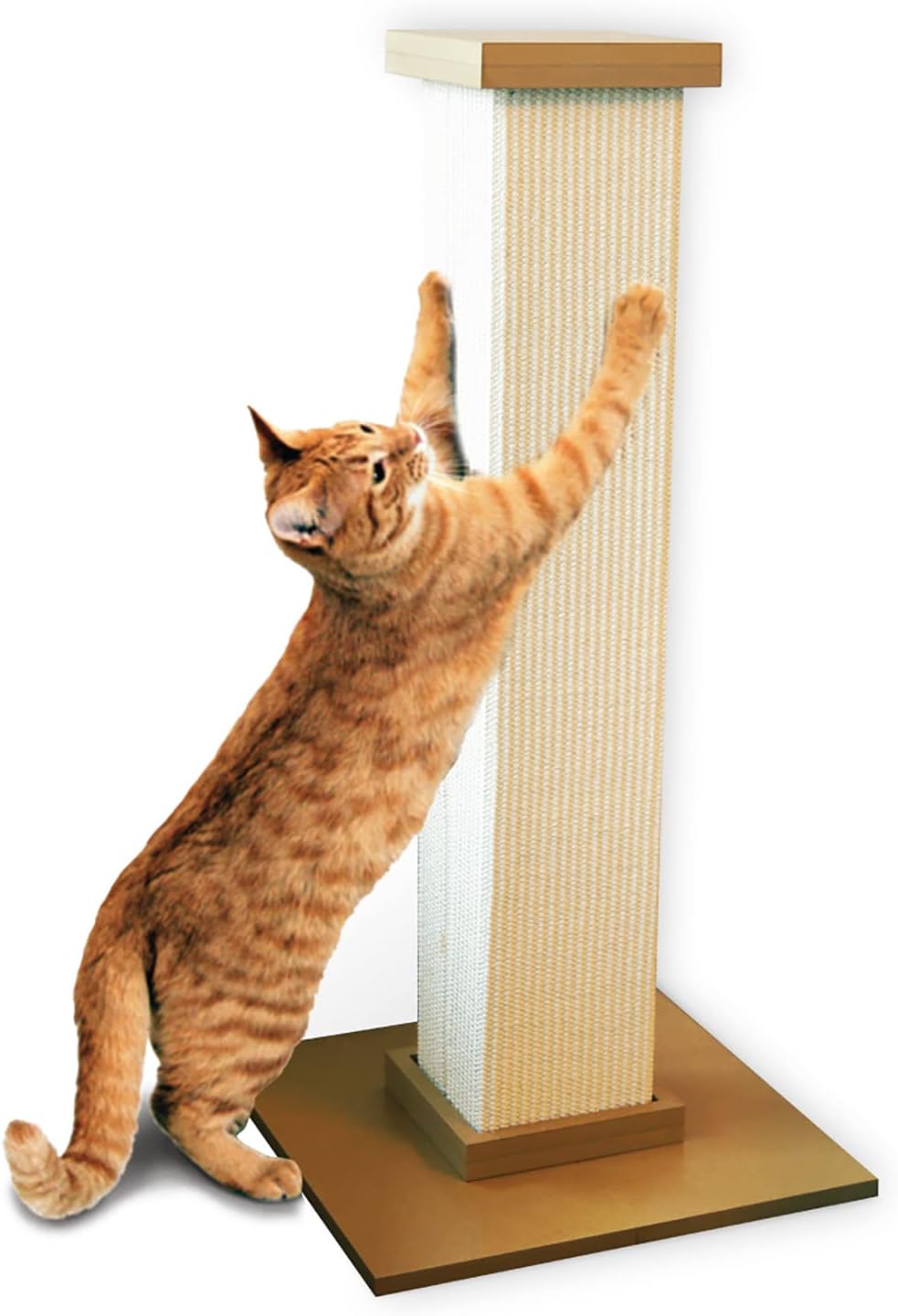
SmartCat Pioneer Pet Ultimate Scratching Post — 32" Sisal
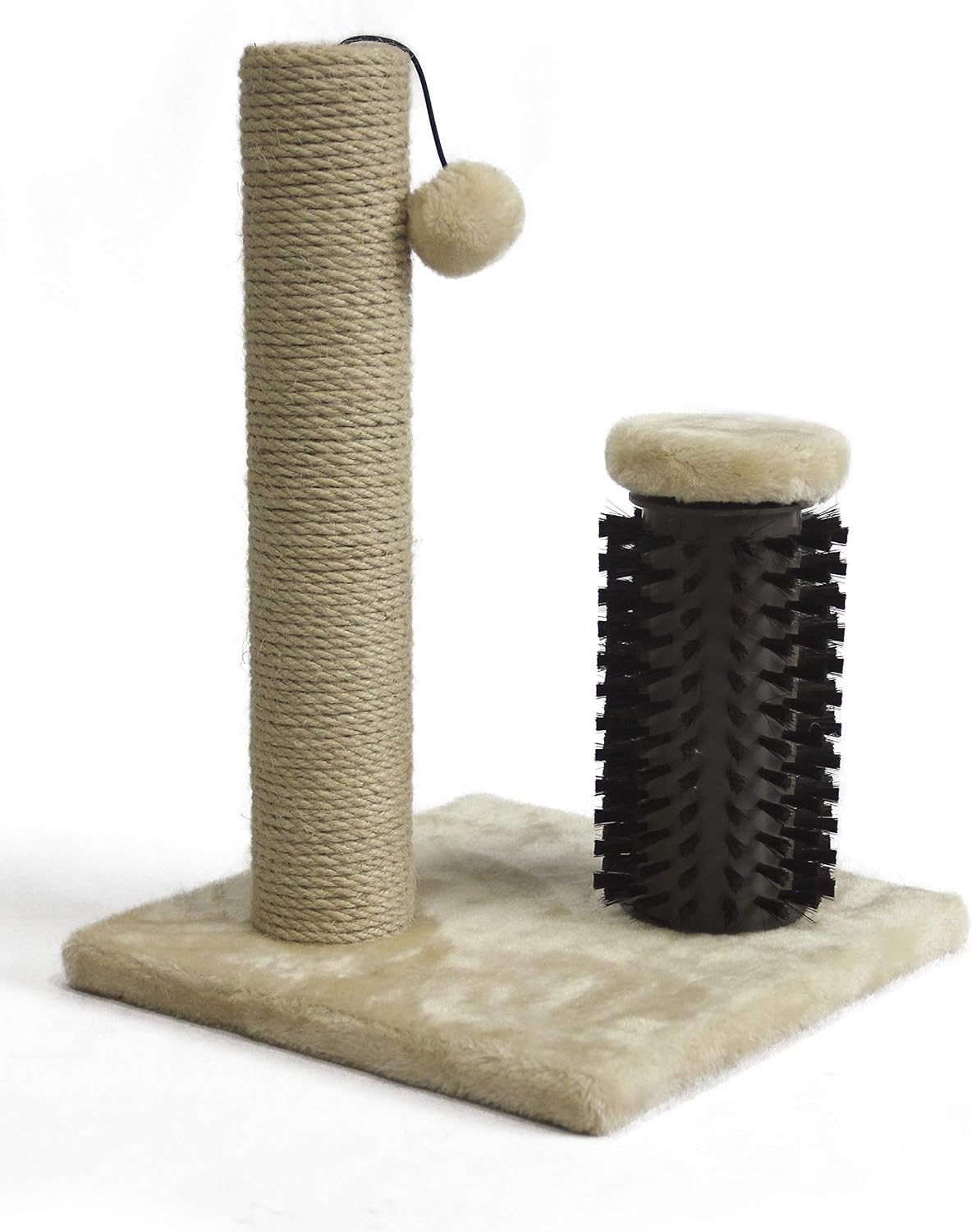
Amazon Basics Cat Scratching Post with Toy
As an Amazon Associate, we may earn from qualifying purchases. Prices and availability are subject to change.
What Is the Step-by-Step Redirection Strategy?
The AAFP recommends a "make the right choice easy, the wrong choice unappealing" approach:
- Step 1: Place posts strategically — Put a scratching post directly next to each piece of furniture your cat targets
- Step 2: Make furniture unappealing — Apply double-sided tape (Sticky Paws), clear plastic guards, or aluminum foil to targeted surfaces
- Step 3: Attract to the post — Rub catnip or silvervine on the post; use Feliway spray on the furniture
- Step 4: Reward immediately — Treat and praise when your cat uses the post; never punish furniture scratching
- Step 5: Gradually relocate — Once consistent (2–4 weeks), move the post 1–2 inches per day to your preferred spot
💡 Why Punishment Backfires
Spraying water, yelling, or physically moving your cat away from furniture increases stress — which increases scratching behavior. The cat learns to avoid scratching when you're watching but continues when you're not. Punishment damages the human-cat bond without solving the root cause.
What Furniture Protection Methods Actually Work?
| Method | How It Works | Effectiveness |
|---|---|---|
| Double-sided tape (Sticky Paws) | Cats dislike sticky texture on paws | High — immediate deterrent |
| Clear plastic furniture guards | Physical barrier over targeted corners/arms | No search results directly address clear plastic furniture guards, their use as physical barriers for furniture protection, or their effectiveness in a training context (pmc.ncbi.nlm.nih.gov). |
| Aluminum foil | Texture and sound deter scratching | Moderate — not aesthetically ideal |
| Citrus deterrent spray | Most cats dislike citrus scent | Aversive scents like citrus should be avoided in cat environments because they can cause stress, implying many cats find them unpleasant due to their sensitive sense of smell used for information gathering (merckvetmanual.com). |
| Feliway spray on furniture | Reduces territorial marking motivation | A double-blind, randomized, placebo-controlled study showed the Feliway® Classic diffuser reduced undesirable scratching in cats with problem scratching. These effects suggest that pheromone interventions can reduce stress and anxiety in cats, leading to a reduction in undesirable scratching behaviors and related issues such as FLUTD (pmc.ncbi.nlm.nih.gov). |
| Nail caps (Soft Paws) | Vinyl covers over claw tips prevent damage | No snippet available (pmc.ncbi.nlm.nih.gov). |
Why Is Declawing Not the Answer?
Declawing (onychectomy) is the amputation of the last bone of each toe — equivalent to cutting a human finger at the last knuckle. The AVMA, AAFP, and ISFM all oppose elective declawing:
- Chronic pain — Phantom limb pain and altered gait documented in long-term studies
- Behavioral problems — Increased biting (cats lose their first line of defense), litter box aversion from painful digging
- Legal restrictions — Banned in the UK, EU, Australia, and multiple U.S. states (NY, MD) and cities
- Not necessary — Behavioral redirection, nail caps, and regular trimming solve the problem humanely
⚠️ AVMA Position (2024)
The AVMA "strongly opposes declawing as an elective procedure" and recommends that veterinarians counsel cat owners on alternatives including scratching posts, environmental enrichment, nail trimming, and nail caps before any surgical option is discussed.
How Does Environmental Enrichment Reduce Destructive Scratching?
Cats who lack mental stimulation and physical outlets scratch more aggressively and on more surfaces. The AAFP identifies enrichment as a core component of behavior management:
- Interactive play — 15–20 minutes of wand toy play daily burns energy and reduces frustration
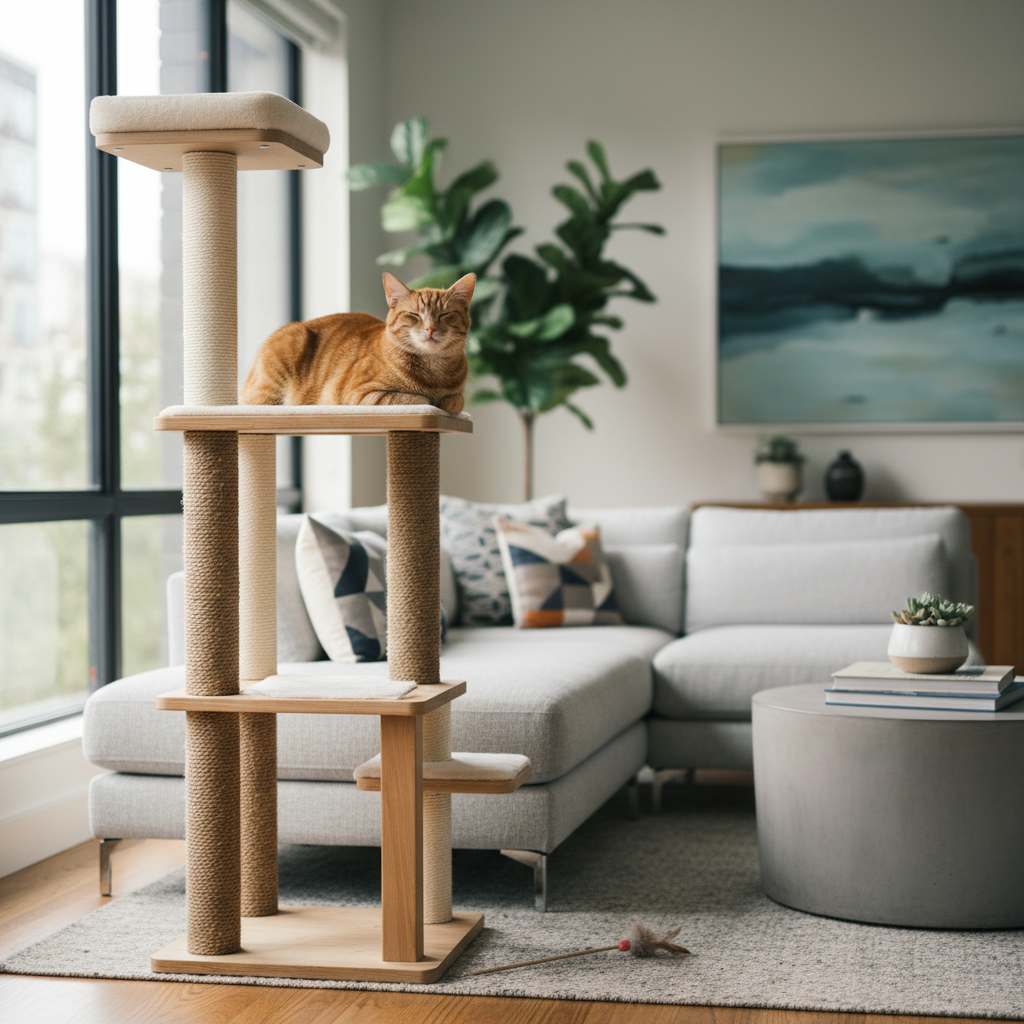
- Cat trees with sisal — Multi-level trees combine scratching, climbing, and perching
- Puzzle feeders — Mental stimulation reduces boredom-driven destructive behavior
- Window perches — "Cat TV" provides hours of passive enrichment
Recommended: Cat Trees with Built-In Sisal Scratching Posts
Combine Scratching Surfaces with Vertical Territory
Cat trees with built-in sisal posts give your cat a dedicated scratching station combined with climbing, perching, and hiding — addressing multiple behavioral needs in one piece of furniture.
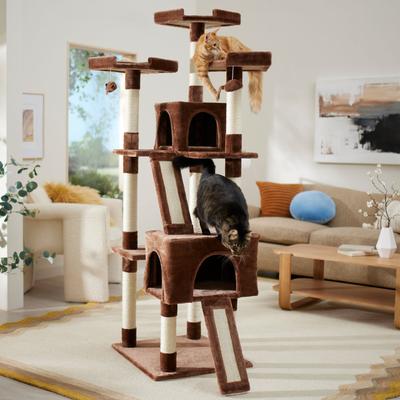
Frisco 72-in Faux Fur Cat Tree & Condo
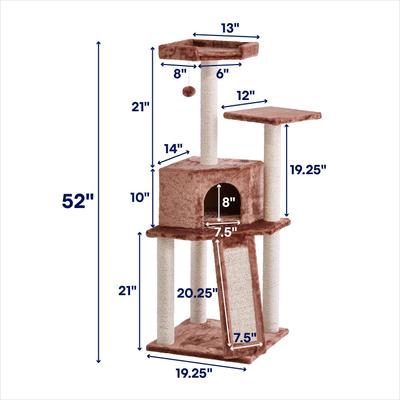
Frisco 52-in Faux Fur Cat Tree & Condo

HOOBRO Cat Tree with Litter Box Enclosure
As an Amazon Associate, we may earn from qualifying purchases. Prices and availability are subject to change.
Related Reading
References
- American Veterinary Medical Association (AVMA) — Position on Declawing of Domestic Cats (2024)
- American Association of Feline Practitioners (AAFP) — Feline Environmental Needs Guidelines (2024)
- International Society of Feline Medicine (ISFM) — Position Statement on Declawing (2023)
- Journal of Feline Medicine and Surgery — Factors Affecting Use of Scratching Posts by Cats (2017)
- Cornell Feline Health Center — Destructive Scratching (2025)
- ASPCA — Destructive Scratching in Cats (2025)