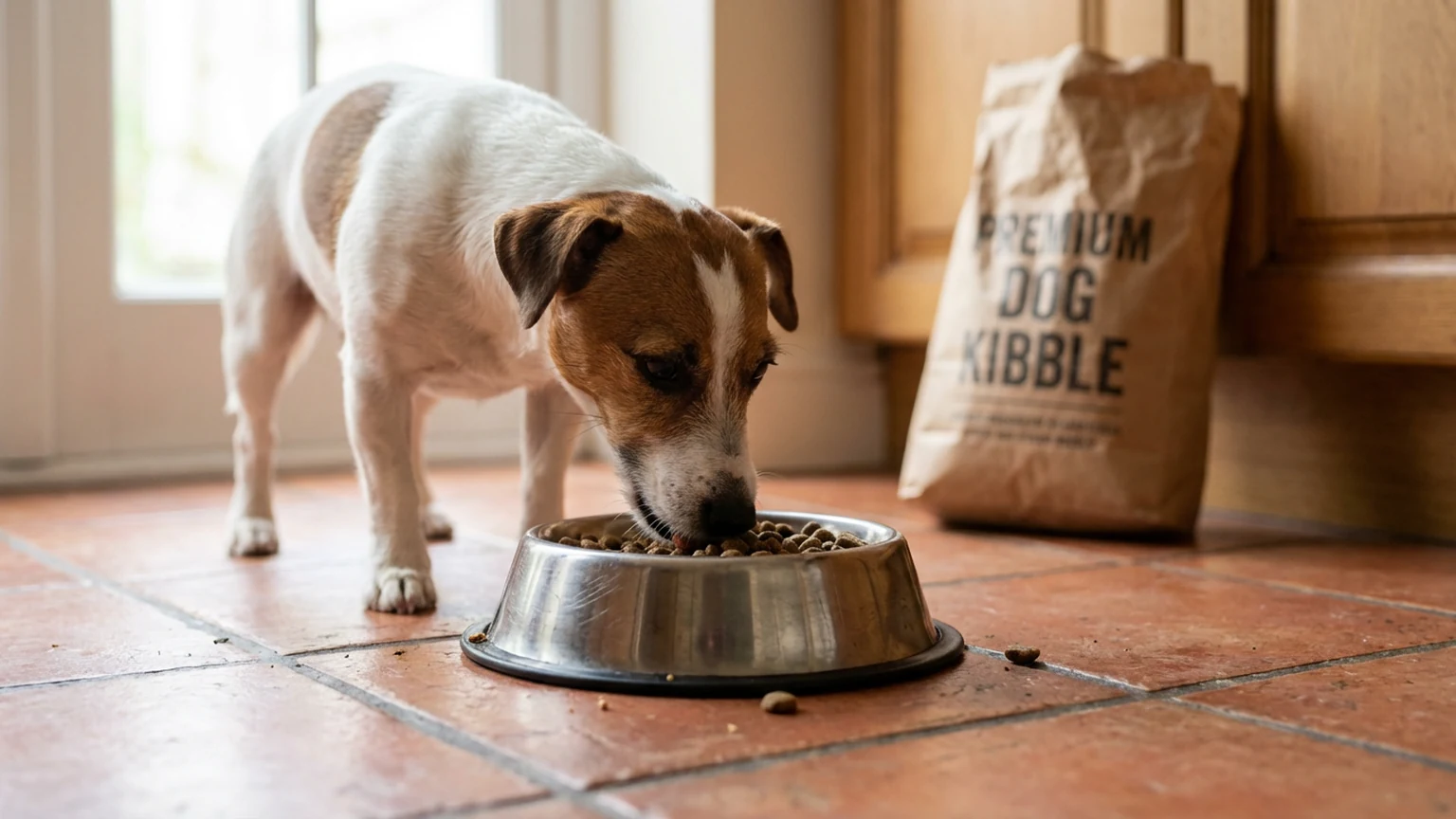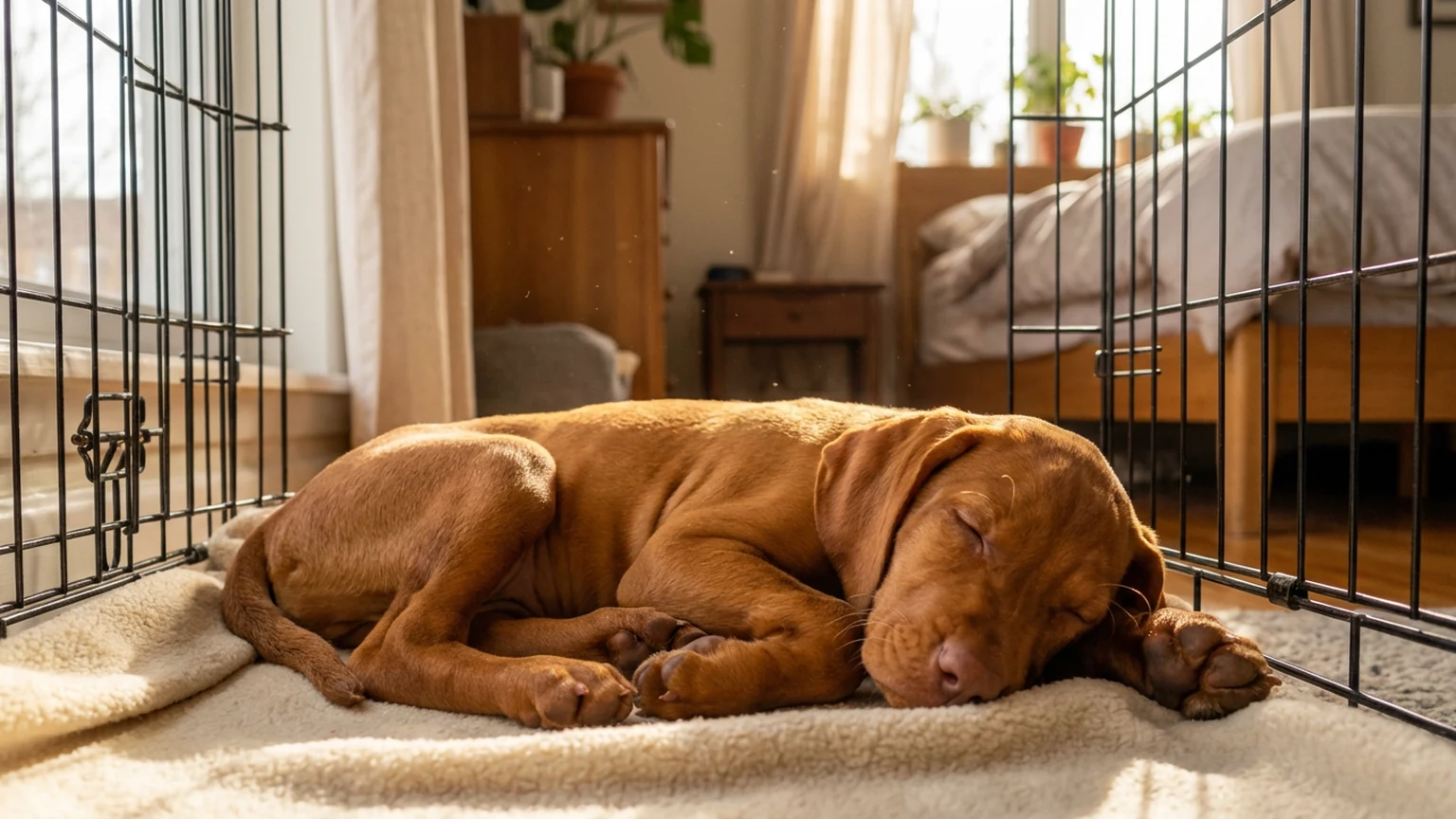
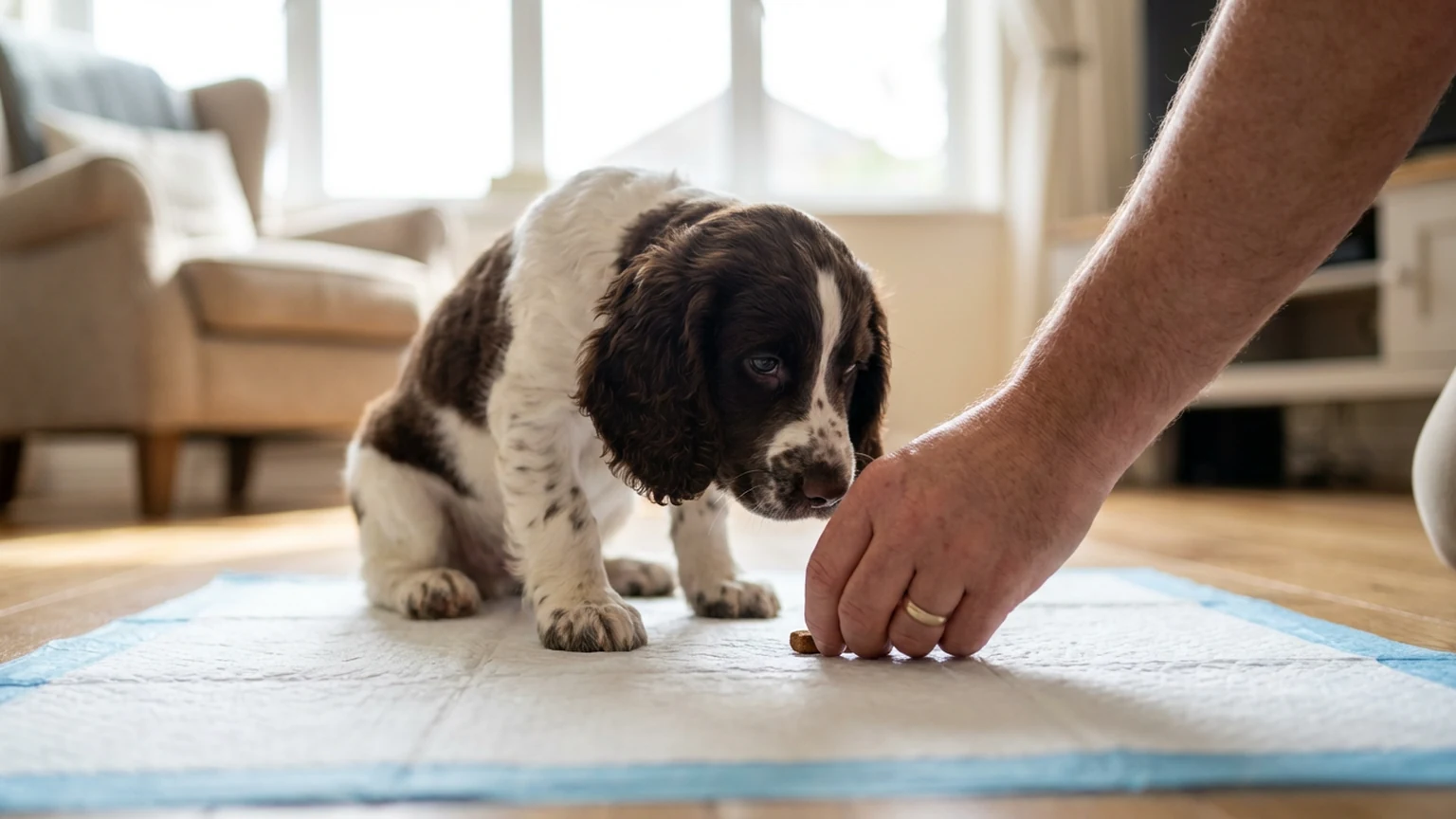
Most puppies achieve reliable housetraining in 4–8 months using a consistent schedule, confinement management, and immediate positive reinforcement, according to the American Kennel Club (AKC) and the American Society for the Prevention of Cruelty to Animals (ASPCA). Small breeds, rescue dogs, and anxious puppies often take 8–12 months — so patience and realistic expectations are critical. A common rule of thumb suggests a puppy's maximum bladder hold time in hours equals their age in months plus one — but this is an upper estimate, not a guaranteed schedule. Many puppies (especially small breeds) need trips more frequently than the formula predicts. Treat it as a ceiling, not a target. Punishment is universally discouraged by veterinary behaviorists because puppies cannot connect a correction to an event that occurred even secondsearlier.
Video: How to Potty Train Your Puppy
What Is the Correct Potty Training Schedule by Puppy Age?
The AKC recommends building your schedule around your puppy's biological bladder capacity. The hold times below are upper estimates — many puppies need trips more frequently, especially small breeds and high-energy puppies. Overestimating hold time is the #1 cause of indoor accidents — and every accident reinforces the wrong habit.
| Puppy Age | Max Hold Time | Outdoor Trips / Day | Nighttime Breaks | Key Notes |
|---|---|---|---|---|
| 8 weeks | 1–2 hours | 10–12 | 2–3 | Take out every 30 min during active periods |
| Up to 10 weeks | ~1 hour (typically can't hold longer; AKC) | 10–12 | 2–3 | New puppies up to 10 weeks old typically can't hold their bladder for more than an hour (AKC). |
| 12 weeks | 3–4 hours | 6–8 | May still need 1+ | Just like human babies, puppies sometimes are not yet ready to sleep through the night and may need a potty break during the night — keep the crate near your bedroom (AKC). |
| 4 months | ~5 hours (age in months + 1; AKC) | 5–6 | May still need 1 | Most puppies can hold their bladder about an hour for every month of life, plus one — so a 4-month-old can hold roughly five hours and usually still needs a nighttime break (AKC). |
| 6 months | ~6 hours | 4–5 | Often still needed | A 6-month-old can reasonably hold its bladder for about 6 hours, which falls short of a full night's sleep (10–12 hours), so nighttime potty breaks are often still needed (AKC). |
| 12 months | 6–8 hours (upper limit; AKC) | 3–4 | 0 (typical) | Even at 12 months, dogs shouldn't be home alone for much longer than six to eight hours without a bathroom break; adolescents can typically hold through the night, though small-breed needs vary (AKC). |
What Are the 5 Golden Rules of Puppy Potty Training?
The ASPCA and AKC agree that successful housetraining depends on preventing accidents — not correcting them. Every indoor accident that goes uninterrupted reinforces the wrong location.
Take your puppy out immediately after waking, eating, drinking, and playing
These are the four highest-probability elimination windows. The AKC calls them 'golden moments' — the times when success is almost guaranteed.
Use the same door, the same spot, and the same verbal cue every time
Consistency builds association. Choose a single verbal cue ('go potty,' 'do your business') and use it exclusively during elimination, not before.
Wait outside with them and reward IMMEDIATELY after they finish
The reward must come within 1–2 seconds of completion. Waiting until you're back inside teaches them that coming inside earns the treat — not eliminating outside.
Supervise 100% of the time indoors — if you can't watch, use confinement
Options include a properly sized crate (must be introduced gradually — see our crate training guide), tethering (leash attached to your belt), or an exercise pen with no absorbent surfaces. Crating is effective but only when done correctly: never exceed age-based hold times, never use as punishment, and ensure the puppy has been positively conditioned first. The ASPCA recommends tethering as a flexible alternative.
Clean all indoor accidents with an enzymatic cleaner — never ammonia
Ammonia is a component of urine. Cleaning with ammonia-based products actually attracts dogs back to the same spot. Enzymatic cleaners break down uric acid crystals completely.
How Does Crate Training Help With Potty Training?
The AKC identifies crate training as one of the most effective tools for housetraining. Dogs have a natural den instinct — they avoid soiling the area where they sleep. A properly sized crate leverages this instinct to teach bladder control. However, crating must be introduced gradually and used correctly — improper crating (too long, too early, or as punishment) can create anxiety and worsen housetraining problems.
⚠️ Crate Training Caveats
- • Not a day-long solution: Adult dogs should not be crated more than 4–6 hours during the day. Puppies: age in months + 1 hour max (and even that's an upper limit).
- • Not every puppy adapts immediately: Some puppies panic in crates and need days or weeks of gradual conditioning. Forcing a distressed puppy into a crate can intensify anxiety.
- • Size matters: Too large and the puppy can soil one end and sleep at the other. Too small and it's uncomfortable and stressful.
- • Never use as punishment: The crate must always be a positive space. Using it to "time out" a misbehaving puppy creates lasting aversion.
| Crate Rule | Why It Matters |
|---|---|
| Size: room to stand, turn, lie down — no more | Too much space allows the puppy to soil one end and sleep at the other, defeating the purpose |
| Never exceed the age-based hold time | Forcing a puppy to soil their crate destroys the den instinct and creates long-term aversion |
| Make it positive: feed meals inside, use treats | The crate should never be associated with punishment or isolation |
| No water restriction before crating | Restricting water is a veterinary health risk; instead, adjust your timing schedule |
| Cover with a blanket for nighttime use | Darkness mimics a den and reduces stimulation, helping puppies settle faster |
How Do You Handle Nighttime Potty Training?
Nighttime is when most owners struggle — and where the schedule matters most. The AKC recommends these evidence-based nighttime protocols:
- Last water: Remove water 2–3 hours before bedtime (consult your vet for hot climates)
- Last trip out: Immediately before placing in crate — wait until they eliminate
- Set an alarm: For puppies under 12 weeks, set an alarm for halfway through the night (e.g., 2 AM for 10 PM bedtime)
- Quiet and boring: No play, no lights, no excitement during nighttime outings — this teaches that nighttime trips are strictly business
- Extend gradually: Push the alarm 15 minutes later every 3–4 nights until you reach morning
Why Are Small Breeds Harder to Potty Train?
Small and toy breeds (Chihuahuas, Yorkies, Maltese, Pomeranians) are consistently reported as the most difficult breeds to housetrain. According to the AKC, this is due to three biological factors:
| Factor | Impact on Training | Adjustment |
|---|---|---|
| Smaller bladder capacity | Can hold urine for shorter periods at every age | Add 2–3 extra outdoor trips per day vs. large breeds |
| Higher metabolism | Food moves through faster → more frequent bowel movements | Take out within 10 min of eating (vs. 20–30 for large breeds) |
| Closer to ground / less visible | Accidents are harder to spot and may go unnoticed | Use tethering (leash attached to you) for 100% supervision |
What Are the Most Common Potty Training Mistakes?
Veterinary behaviorists — including those at the American College of Veterinary Behaviorists (DACVB) — identify these as the errors that cause the most setbacks. Each one is entirely preventable:
Punishing accidents after the fact
Fix: Puppies live in a 1–2 second association window. Clean up silently and increase supervision. — ASPCA
Giving too much freedom too soon
Fix: Earn freedom room by room. A puppy shouldn't have unsupervised access to new rooms until accident-free for 4+ weeks. — AKC
Inconsistent schedule
Fix: Every family member must follow the same schedule, same door, same verbal cue. Post it on the fridge. — AKC
Rewarding at the door instead of at the spot
Fix: Carry treats outside. Reward within 1–2 seconds of elimination completion — not after walking back inside. — ASPCA
Using ammonia-based cleaners
Fix: Ammonia smells like urine to dogs. Use enzymatic cleaners that break down uric acid crystals completely. — AVMA
When Do Potty Training Accidents Signal a Medical Problem?
The AVMA warns that sudden regression in a previously housetrained puppy should always be evaluated by a veterinarian. Urinary tract infections, gastrointestinal parasites, and juvenile diabetes are common medical causes of housetraining failure. See your vet if you observe:
- Frequent urination with small amounts (UTI indicator)
- Straining or crying during elimination
- Blood in urine or stool
- Sudden regression after being reliable for 2+ weeks
- Excessive water consumption (polydipsia)
- Loose stools or diarrhea lasting more than 24 hours
What Tools Do You Need for Successful Potty Training?
| Tool | Purpose | Est. Cost |
|---|---|---|
| Appropriately sized crate | Leverages den instinct to teach bladder control | $30–$80 |
| Enzymatic cleaner | Eliminates uric acid crystals that attract repeat marking | $10–$20 |
| High-value training treats | Immediate positive reinforcement at the elimination spot | $5–$15 |
| Leash (6 ft) | Controls outdoor potty trips; enables indoor tethering | $10–$25 |
| Baby gates / exercise pen | Limits access to prevent unsupervised accidents | $25–$60 |
| Puppy pads (optional — see trade-offs) | Apartment or extreme-weather backup only; can slow outdoor training and cause surface confusion | $15–$30 |
| Black light (UV flashlight) | Reveals old urine stains invisible to the naked eye | $8–$15 |
Related Guides
Important Notice
This article is for informational purposes only and is not a substitute for professional veterinary advice. Training guidance in this article is based on published recommendations from the AKC, ASPCA, and AVMA. If your puppy has persistent housetraining issues or sudden regression, consult your veterinarian to rule out urinary tract infections, parasites, or other medical causes.
References
- American Kennel Club — How Long Can You Leave a Puppy Alone? (bladder hold times by age, including up-to-10-weeks and 12-month upper limit).
- American Kennel Club — How Much Do Puppies Sleep? (puppies are not always ready to sleep through the night and may need a nighttime potty break).
- American Kennel Club — Puppy Potty Training Timeline (one hour per month of age plus one rule).
- American Kennel Club — How to Potty Train a Puppy (6-month and 12-month bladder control guidance).