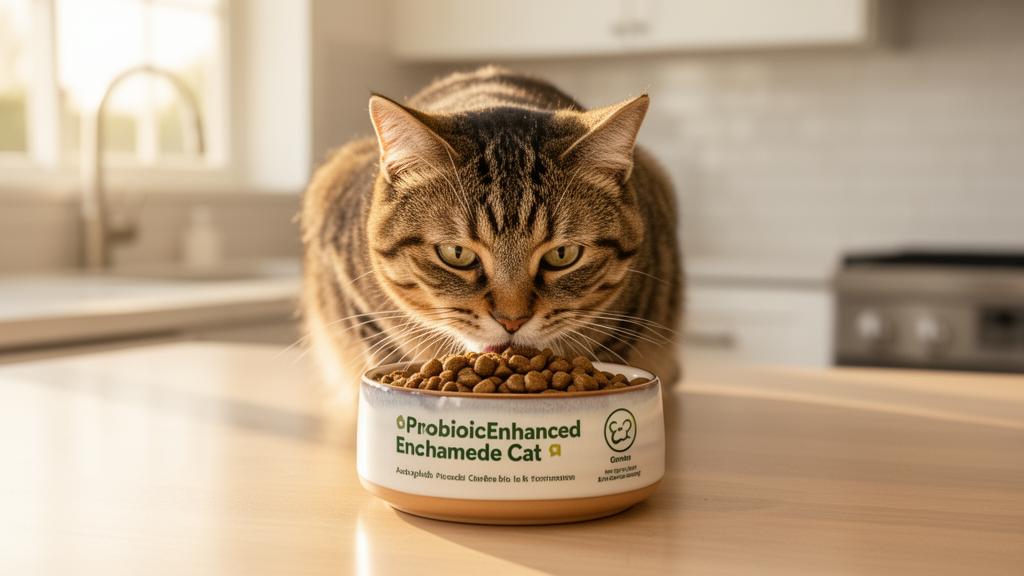
Chronic stress in cats weakens the immune system and directly causes Feline Idiopathic Cystitis (FIC), a painful bladder condition affecting up to 65% of cats with lower urinary tract signs. The Cornell Feline Health Center and AAFP recommend environmental modification — not punishment — as the foundation of feline anxiety management, with synthetic pheromones and safe zones as first-line interventions.
What Are the Signs of Stress in Cats?
Cats evolved as solitary hunters, making them experts at masking vulnerability. Recognizing stress requires observing changes from your individual cat's baseline behavior — not comparing to breed or species norms.
| Sign | What to Watch For | Severity |
|---|---|---|
| Hiding | Prolonged hiding in unusual spots; refusing to emerge for meals | Moderate |
| Over-grooming | Excessive licking creating bald patches, especially on belly/inner thighs | Moderate–High |
| Litter box avoidance | Urinating or defecating outside the box; straining in the box | High — rule out FIC |
| Appetite changes | Eating less, refusing food, or stress-eating | High if >48 hrs |
| Aggression | Swatting, biting, hissing at people or other pets | High |
| Excessive vocalization | Yowling, crying, or increased meowing — especially at night | Moderate |
| Body language | Dilated pupils, flattened ears, low/tucked posture, tail tucked | Subtle — early warning |
⚠️ Veterinary Alert
A cat that stops eating for more than 48 hours is at risk for hepatic lipidosis (fatty liver disease), a life-threatening condition. Seek veterinary care immediately if your cat refuses food for two or more days.
What Are the Most Common Triggers of Cat Anxiety?
Understanding the root cause is essential for effective treatment. The American Association of Feline Practitioners (AAFP) categorizes feline stressors into three domains:
| Category | Examples | Intervention |
|---|---|---|
| Environmental | Moving, renovation, new furniture, loud noises, construction | Safe zones + pheromones |
| Social | New pets, new people, multi-cat conflict, schedule changes | Resource separation + gradual introduction |
| Medical | Pain, hyperthyroidism, cognitive decline, FIC | Veterinary workup — rule out first |
How Do You Create Safe Zones for an Anxious Cat?
Every cat needs at least one "safe zone" — a space they can retreat to without interruption. The AAFP's Environmental Needs Guidelines recommend the following components:
- Enclosed hiding spot — Cat cave, covered bed, or cardboard box with a blanket
- Vertical escape — Elevated perches, cat trees, or wall-mounted shelves (cats feel safer up high)
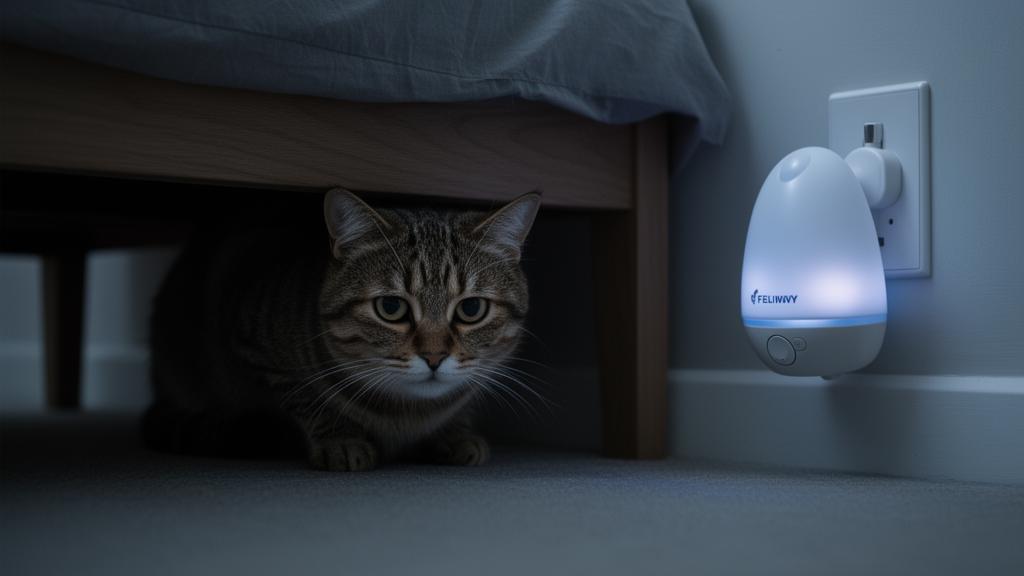
- Pheromone support — A Feliway Classic diffuser plugged in within the safe zone
- Quiet location — Away from high-traffic areas, other pets, and loud appliances
- Dedicated resources — Separate food, water, and litter box within or near the safe zone
Multi-Cat Household Rule
The AAFP recommends n+1 resources for multi-cat homes: one litter box, food station, water station, and resting area per cat, plus one extra. This prevents resource guarding — a leading cause of inter-cat stress.
Do Pheromone Diffusers Work for Cat Anxiety?
Synthetic feline facial pheromones (Feliway Classic) replicate the F3 fraction that cats deposit when they rub their cheeks on surfaces — a natural "all is well" signal. Research from the Journal of Feline Medicine and Surgery demonstrates efficacy in approximately 70% of stressed cats.
| Product | Best For | Timeline |
|---|---|---|
| Feliway Classic Diffuser | General stress, environmental changes, travel | 2–4 weeks continuous |
| Feliway MultiCat | Inter-cat aggression, multi-cat tension | 2–4 weeks continuous |
| Feliway Spray | Carrier/car travel, vet visits, spot treatment | 15 min before exposure |
| Feliway Optimum | Complex stress (combines multiple pheromone fractions) | 2–4 weeks continuous |
When Should You See a Veterinarian for Cat Anxiety?
The AAFP recommends veterinary consultation when:
- Anxiety persists beyond 2–3 weeks of environmental modification
- Your cat stops eating for more than 48 hours
- Urinary signs appear (straining, blood in urine, frequent trips to the box)
- Aggression escalates toward people or other animals
- Over-grooming creates open wounds or skin infections
| Medication | Use Case | Notes |
|---|---|---|
| Gabapentin | Situational anxiety (vet visits, travel) | Given 90 min before event; sedating |
| Fluoxetine (Prozac) | Chronic anxiety, inter-cat aggression | Daily; 4–6 weeks to full effect |
| Buspirone | Social anxiety, urine marking | Daily; fewer side effects than SSRIs |
| Trazodone | Situational or post-surgical anxiety | Short-acting; often combined with gabapentin |
Recommended: Interactive Toys to Reduce Anxiety
Reduce Anxiety Through Play & Enrichment
The AAFP identifies environmental enrichment as a core component of feline anxiety management. Interactive toys mimic hunting behavior, encouraging exercise and mental engagement — redirecting stress into positive activity.
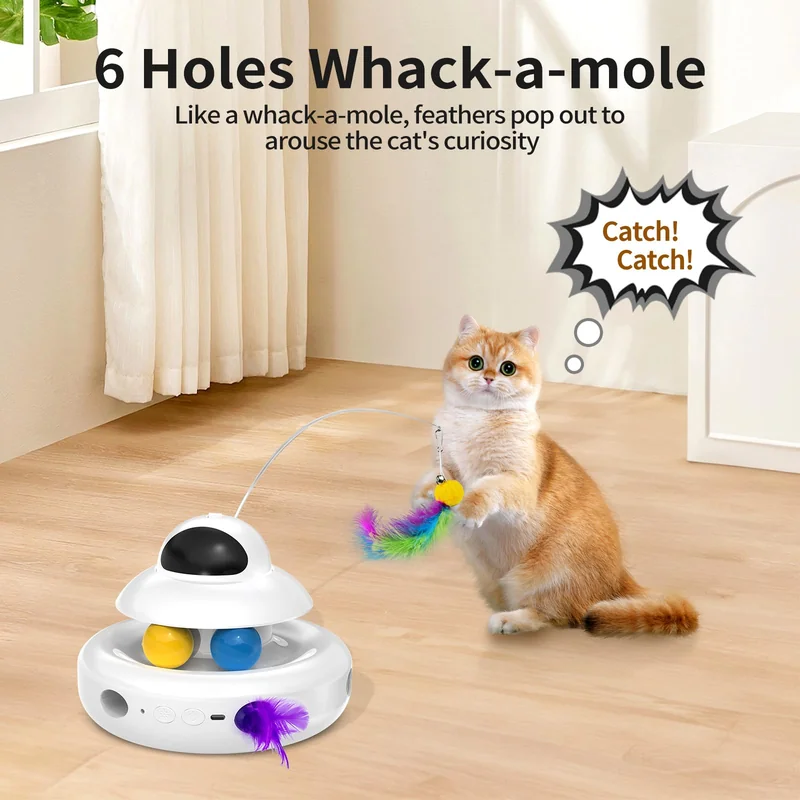
MOHAYA 4-in-1 Interactive Cat Toy — Fluttering Butterfly & Whack-a-Mole
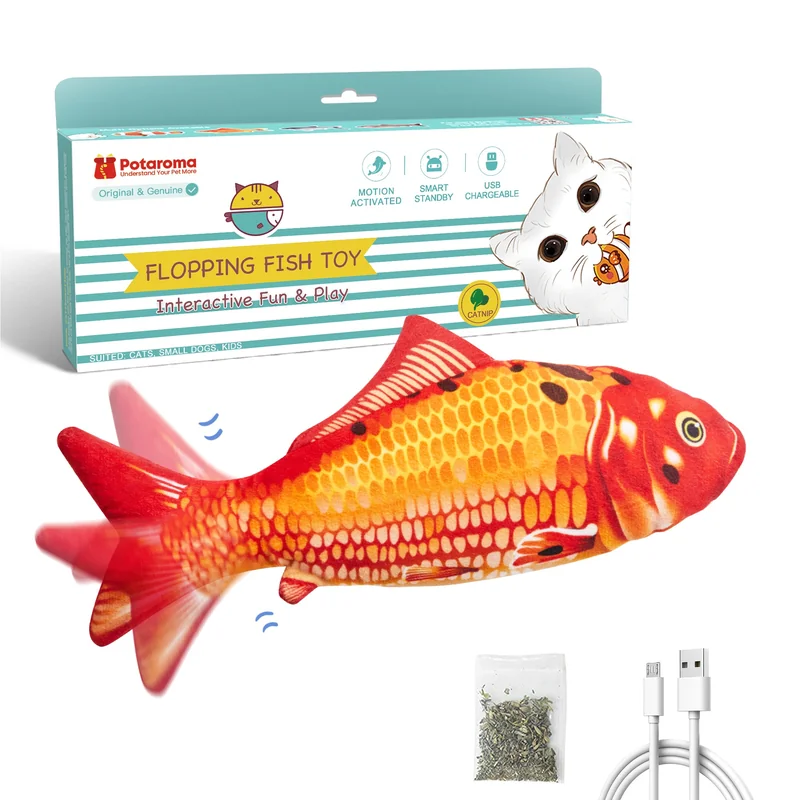
Potaroma Flopping Fish Cat Toy with Catnip & Silvervine

SmartyKat Hot Pursuit Concealed Motion Cat Toy
As an Amazon Associate, we may earn from qualifying purchases. Prices and availability are subject to change.
Related Reading
References
- Cornell Feline Health Center — Feline Behavior Problems: Aggression (2025)
- American Association of Feline Practitioners (AAFP) — Feline Environmental Needs Guidelines (2024)
- Journal of Feline Medicine and Surgery — Efficacy of Synthetic Feline Facial Pheromone (2023)
- ASPCA — Common Cat Behavior Issues: Stress (2025)
- International Society of Feline Medicine (ISFM) — Feline Stress and Health (2024)
- Buffington, C.A.T. — Idiopathic Cystitis in Domestic Cats: Beyond the Lower Urinary Tract, Journal of Veterinary Internal Medicine (2011)