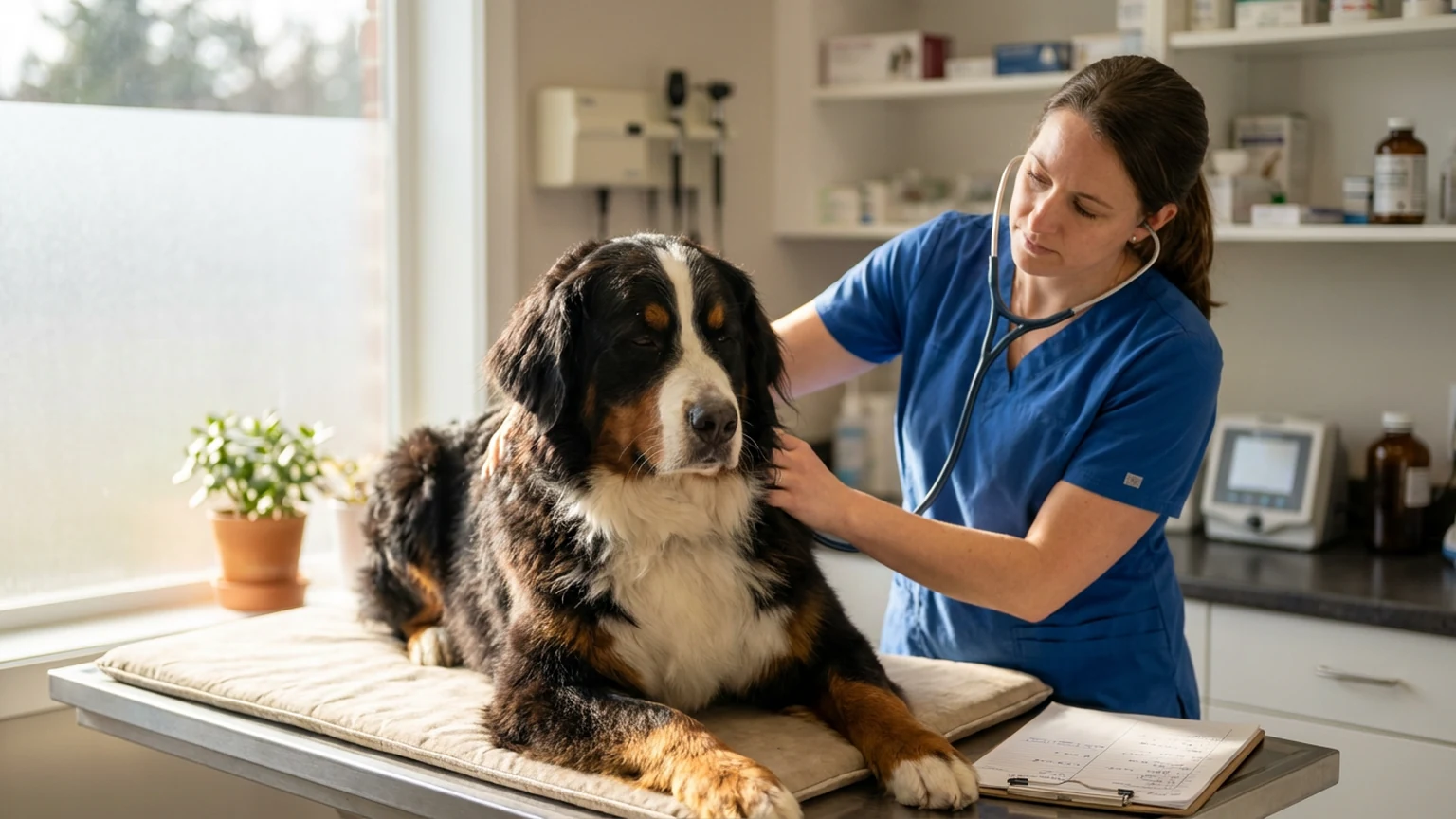
To identify aging in your pet: 1) Monitor for increased sleep and decreased activity levels. 2) Watch for graying around the muzzle (dogs) or thinning coat (cats). 3) Note any changes in appetite, thirst, or bathroom habits. 4) Schedule biannual vet exams after age 7 (dogs) or 11 (cats). The American Veterinary Medical Association (AVMA) emphasizes that early detection of age-related conditions can extend quality life by 2–5 years with proper management.
What Are the 12 Key Aging Signs Veterinarians Check?
Veterinarians use a systematic approach to assess aging. The AAHA Senior Care Guidelines identify these primary indicators during wellness exams:
| Sign | Dogs | Cats | When to Worry |
|---|---|---|---|
| Gray muzzle/coat | 7–9 years | 12+ years | Premature graying before age 5 |
| Decreased activity | Gradual after 7 | Gradual after 11 | Sudden lethargy or collapse |
| Weight changes | ±10% body weight | ±5% body weight | Rapid loss over 2–4 weeks |
| Cloudy eyes | Nuclear sclerosis at 7+ | Less common | Bumping into objects |
| Increased thirst | Subtle increase | Very common 12+ | >50% increase in water intake |
| Stiffness | After rest periods | Reluctance to jump | Limping or crying in pain |
What Behavioral Changes Signal Aging vs. Illness?
Distinguishing between normal aging and treatable illness is one of the most important skills for senior pet parents. The AVMA identifies these behavioral red flags:
- !Pacing or wandering at night (cognitive dysfunction syndrome—affects 28% of dogs 11+).
- !House soiling in previously trained pets (may indicate kidney disease or UTI).
- !Decreased interest in play or social interaction (pain, depression, or vision/hearing loss).
- !Changes in vocalization—increased barking or meowing (anxiety or cognitive decline).
- !Altered relationship with family members—clingy or withdrawn (pain or sensory loss).
- !Repetitive behaviors or getting stuck in corners (canine cognitive dysfunction).
Veterinary Rule of Thumb
Any sudden behavioral change in a senior pet should be treated as a potential medical issue first. Pain is the #1 cause of behavior changes in older animals, and pets are hardwired to hide discomfort. Schedule a vet visit within 48 hours of noticing abrupt changes.
What Screening Tests Detect Age-Related Conditions Early?
The AAHA recommends the following screening protocol for senior pets, which can catch conditions 6–18 months before clinical signs appear:
- ✓Complete blood count (CBC) — detects anemia, infection, and early cancers.
- ✓Comprehensive metabolic panel — screens liver and kidney function.
- ✓Thyroid panel — hypothyroidism (dogs) or hyperthyroidism (cats).
- ✓Urinalysis — kidney disease detection 12+ months before blood work shows changes.
- ✓Blood pressure — hypertension affects 20% of senior cats.
- ✓Chest X-rays — heart disease and lung tumors in at-risk breeds.
What Are the Age-Related Timelines by Species and Breed?
| Pet Type | Senior Age | Geriatric Age | Avg. Lifespan |
|---|---|---|---|
| Small dogs (<20 lbs) | 10–12 years | 14+ years | 12–16 years |
| Medium dogs (20–50 lbs) | 8–10 years | 12+ years | 10–14 years |
| Large dogs (50–90 lbs) | 7–8 years | 10+ years | 8–12 years |
| Giant breeds (90+ lbs) | 5–6 years | 8+ years | 6–10 years |
| Indoor cats | 11 years | 15+ years | 12–18 years |
| Outdoor cats | 8–10 years | 12+ years | 8–14 years |
What Should You Do When You Notice Aging Signs?
- 1Schedule a comprehensive senior wellness exam with blood work.
- 2Start a daily journal tracking energy, appetite, mobility, and bathroom habits.
- 3Transition to a senior-formulated diet (consult your vet for breed-specific needs).
- 4Add joint supplements (glucosamine/chondroitin/omega-3s) if not already on them.
- 5Modify your home with ramps, orthopedic beds, and non-slip surfaces.
- 6Increase vet visits to every 6 months instead of annually.