History & Origin
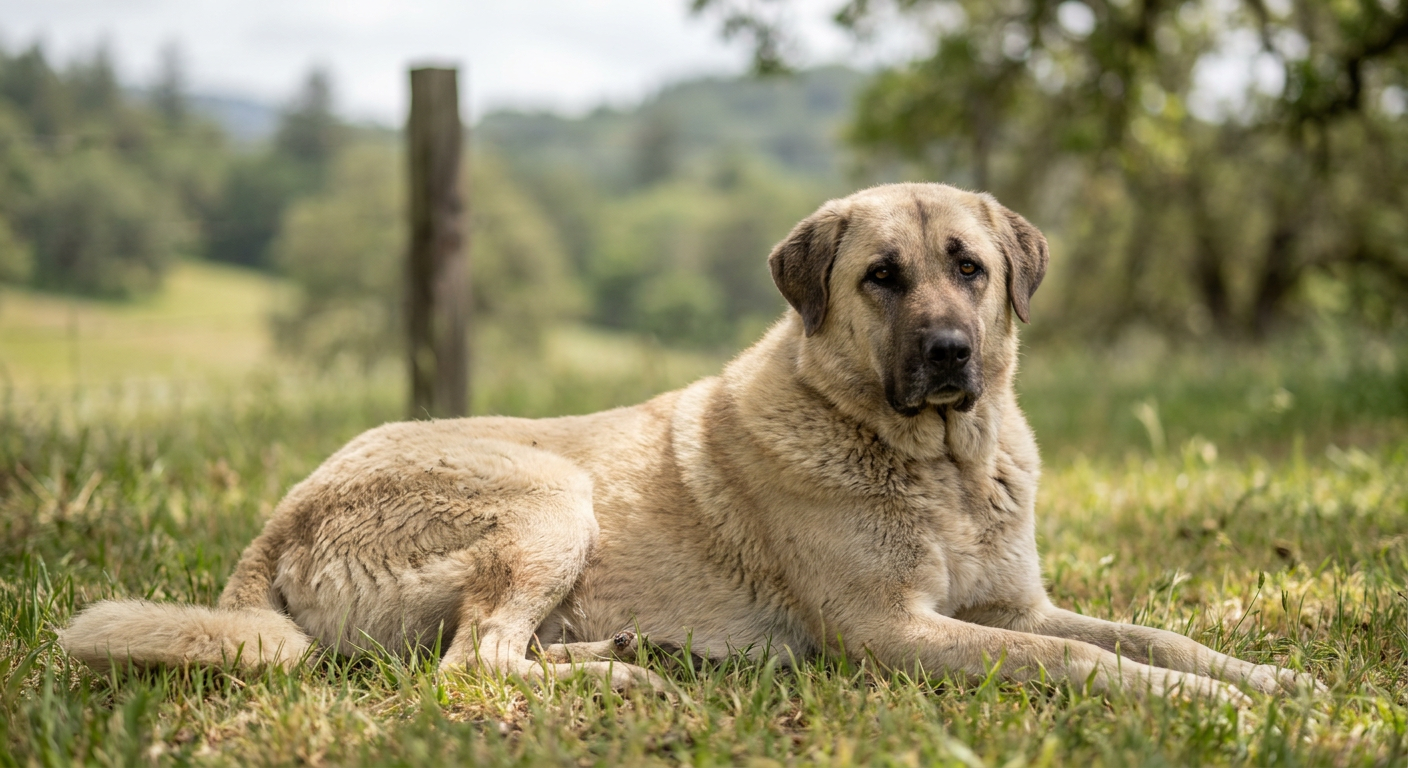
The breed originated in the Anatolia region of Turkey over 6,000 years ago as a rugged livestock guardian. They were imported to the United States in the 1950s but gained significant recognition in the 1970s through the Endangered Species Act for non-lethal predator control. The AKC officially recognized the breed in 1996.
Temperament & Personality
Reserved, independent, and intensely loyal to their family and livestock. They are natural guardians that prefer to observe and deter threats through presence rather than aggression, but they will defend if provoked. They are quiet and calm indoors but remain constantly alert to their surroundings.
Health Watchouts
Top conditions reported by AKC parent clubs, OFA, and the Merck Veterinary Manual. Discuss screening with your vet — especially before breeding or insuring.
Hip Dysplasia
Common in large breedsMalformation of the hip joint leading to arthritis and lameness.
Screening: OFA or PennHIP evaluation
Elbow Dysplasia
ModerateInstability in the elbow joint causing pain and secondary joint disease.
Screening: OFA evaluation
Anesthesia Sensitivity
Breed-specific traitSevere sensitivity to anesthetic agents commonly used in veterinary medicine.
Screening: Pre-surgical vet consultation
Entropion
OccasionalThe eyelid rolls inward, causing the lashes to rub and damage the cornea.
Screening: Ophthalmologist evaluation
Exercise Needs
They require moderate daily exercise but excel at low-intensity endurance tasks rather than high-speed sports.
- Long walks on a sturdy leash
- Sentry work in a large fenced yard
- Hiking in quiet areas
- Moderate self-paced play
Nutrition
Daily calories: 2100-2800 kcal/day (adult)
Large-breed specific formulas are essential during puppyhood to manage growth rates.
Common allergens to watch: Beef, Chicken, Dairy.
⚠ Highly prone to Gastric Dilatation-Volvulus (Bloat); feed multiple small meals and avoid exercise after eating.
Entertainment & Enrichment
Enrichment should focus on their natural guarding instincts and need for a 'job' to perform.
- Patrolling a secure perimeter
- Herding balls or large indestructible toys
- Scent work and tracking exercises
- Long-lasting natural chews for jaw stimulation
Grooming & Coat Care
Brushing once or twice a week is usually sufficient, though they shed heavily twice a year during 'blowing coat' season.
Training
Focus on early socialization and basic obedience; they are independent thinkers who may ignore commands if they don't see the point. Training should be firm, consistent, and utilize positive reinforcement rather than harsh corrections.
Cost of Ownership
Lifetime cost depends on size, lifespan, and health risks. Try our Lifetime Cost Calculator →
Cost band for Anatolian Shepherd: high.
How insurance, vet care & grooming connect for the Anatolian Shepherd
These three costs move together. The Anatolian Shepherd’s coat, energy, and breed-specific health watchouts shape each one — here’s how they line up.
Insurance band
Brachycephalic or giant-breed risk profile
Vet service load
Heavy shedding correlates with skin/derm visits
Grooming demand
Double coat sheds seasonally — frequent brushing
Estimated monthly spend (typical adult)
Insurance
$85
Routine vet
$60
Grooming
$75
Combined estimate
~$220/mo(±20%, US averages)
* Estimates derived from breed traits (coat, energy, health watchouts, lifespan). Actual costs vary by location, age, and provider.
Living Situation Fit
Ideally suited for rural or farm life with a large, securely fenced acreage. They are not suited for apartment living or highly urban environments due to their guarding instincts and vocal nature.
Choosing a Puppy
Look for breeders who perform hip and elbow evaluations and prioritize temperament. Since they are naturally wary, early exposure to various sights and sounds at the breeder's facility is vital.
Frequently Asked Questions
Are they good guard dogs?
Yes, while calm with their own flock or family, they are bred to be naturally suspicious of strangers and territorial.
Are they easy to train?
They are generally independent and may not always respond to commands if they perceive a situation differently than their owner.
Can they live in an unfenced yard?
No, they require a high, securely fenced perimeter as they are prone to roaming and protecting an ever-expanding territory.