Working Group
Working Group breeds — Boxers, Rottweilers, Great Danes, Bernese Mountain Dogs, Siberian Huskies, Mastiffs and others — were developed to guard property, pull carts, haul loads, or perform water rescues. They are large, strong, and require committed, knowledgeable owners who can socialize and train through adolescence.
Common Traits at a Glance
- energy
- Moderate to high (3–4/5)
- exercise
- 60–120 min/day
- trainability
- Good with consistency
- kid Friendly
- Good when socialized
- shedding
- Variable — many shed heavily seasonally
History & Origin
Many working breeds trace to ancient mastiff-type or spitz-type ancestors. The Saint Bernard pulled travelers from Alpine snow; the Newfoundland hauled fishing nets in icy water; the Husky pulled sleds across Siberia. AKC recognition formalized standards in the 19th and 20th centuries.
Is a Working dog right for you?
Great fit if you…
- •Loyal, confident, and protective without aggression when well-bred
- •Many are surprisingly low-energy indoors as adults
- •Versatile working roles
Maybe not if you…
- •Size and strength demand early training
- •Shorter lifespans (8–11 years for giants)
- •Some breeds prone to bloat and joint disease
Flagship breeds in this group
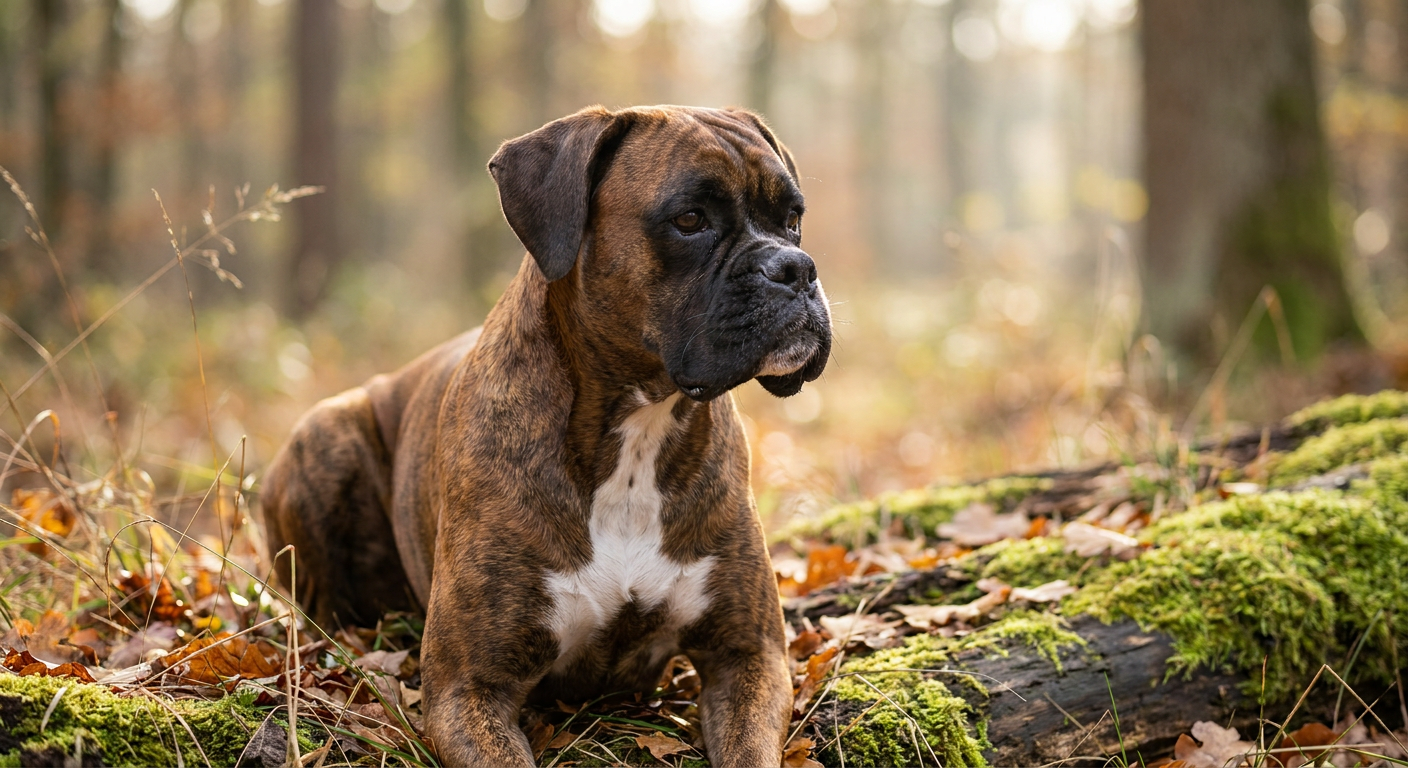
Boxer
Athletic, playful, and forever-young. Boxers are exuberant family dogs that bounce until age 7+ and remain devoted to their people for life. They're great with kids, easy to groom, and surprisingly trainable. The downsides are serious cancer risk, cardiac disease, and a need for committed daily exercise.
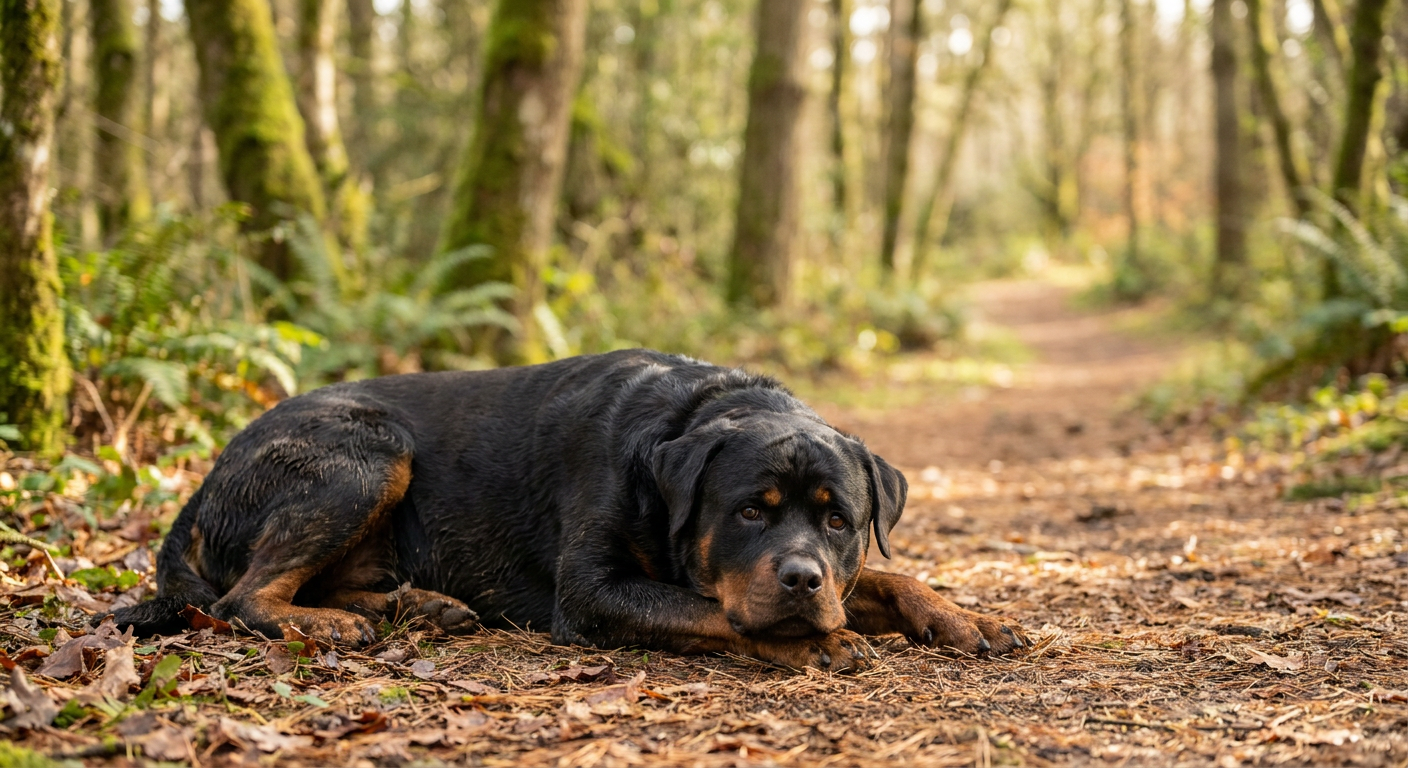
Rottweiler
The Rottweiler is a powerful, confident, and loyal guardian, devoted to its family. They require extensive and early socialization and training from an experienced owner who can manage their strength. While calm and loving with their people, their protective instincts are serious. This is not a breed for the novice owner due to their size and need for consistent leadership.
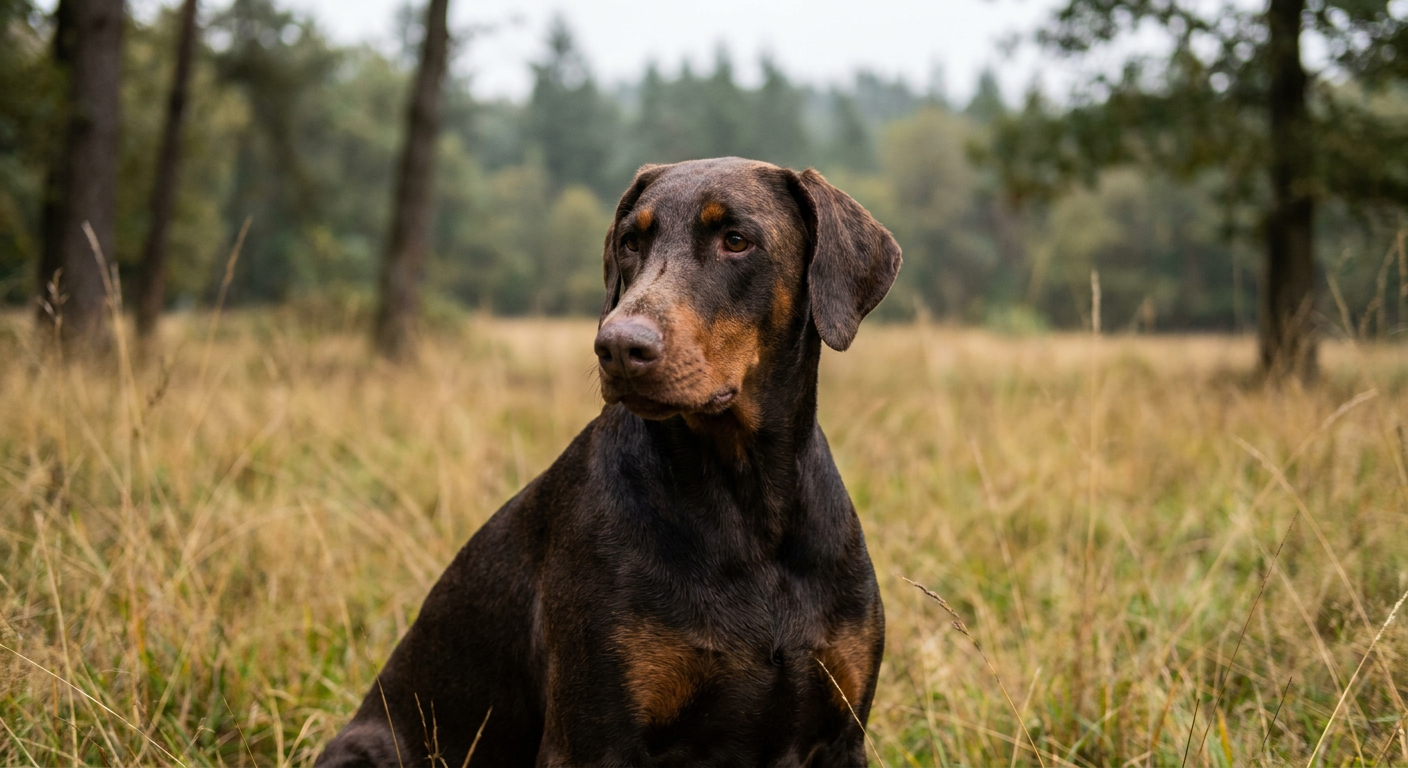
Doberman Pinscher
The Doberman Pinscher is a supremely intelligent and athletic working dog, fiercely loyal to its family. They require extensive daily exercise, consistent training, and early socialization to thrive. While elegant and powerful, this breed is prone to serious health conditions, particularly heart disease. A Doberman is a demanding but deeply rewarding companion for an experienced, active owner.
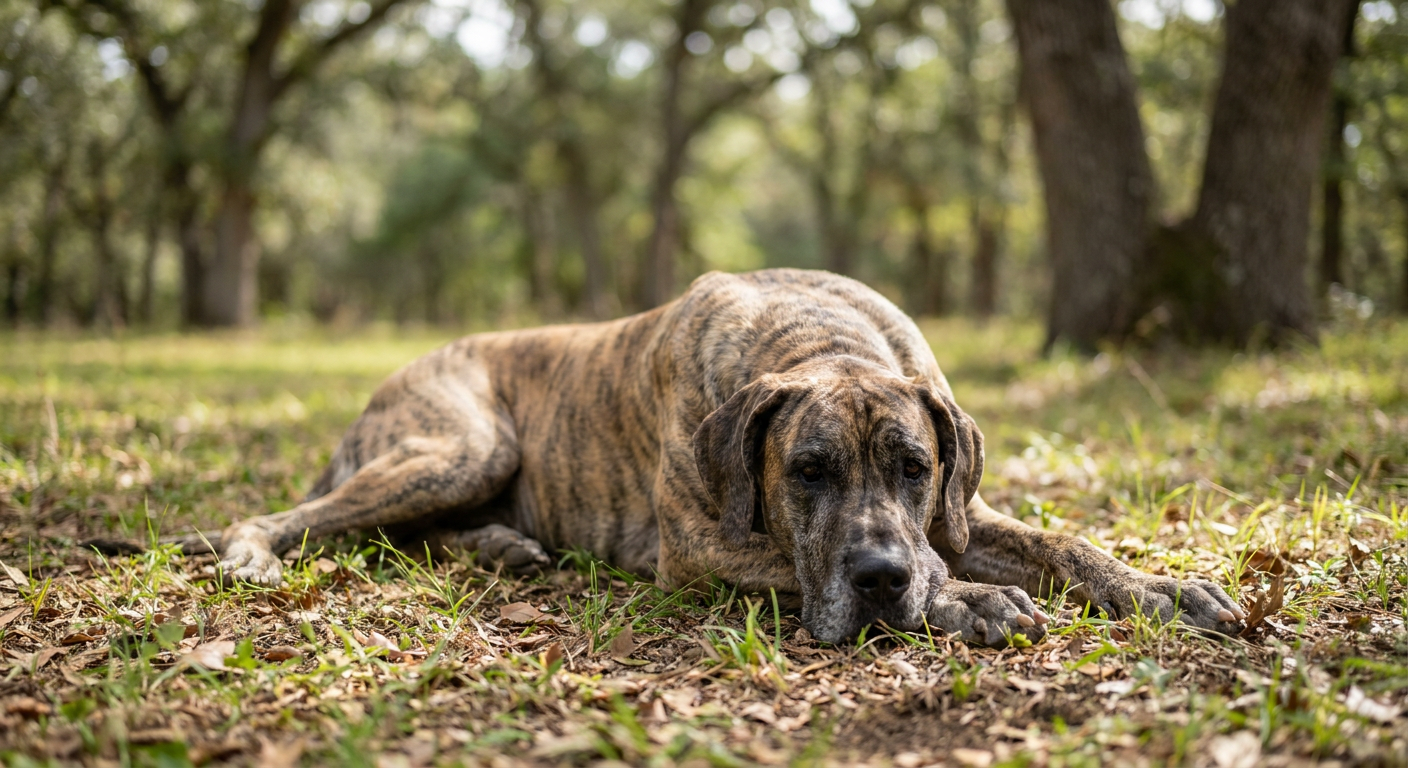
Great Dane
The Great Dane is a true "gentle giant," known for its sweet, patient nature and immense size. While surprisingly adaptable to various living situations, including apartments with adequate exercise, prospective owners must be prepared for a shorter lifespan, significant health challenges like bloat and heart disease, and the high costs associated with feeding and veterinary care for a giant breed.
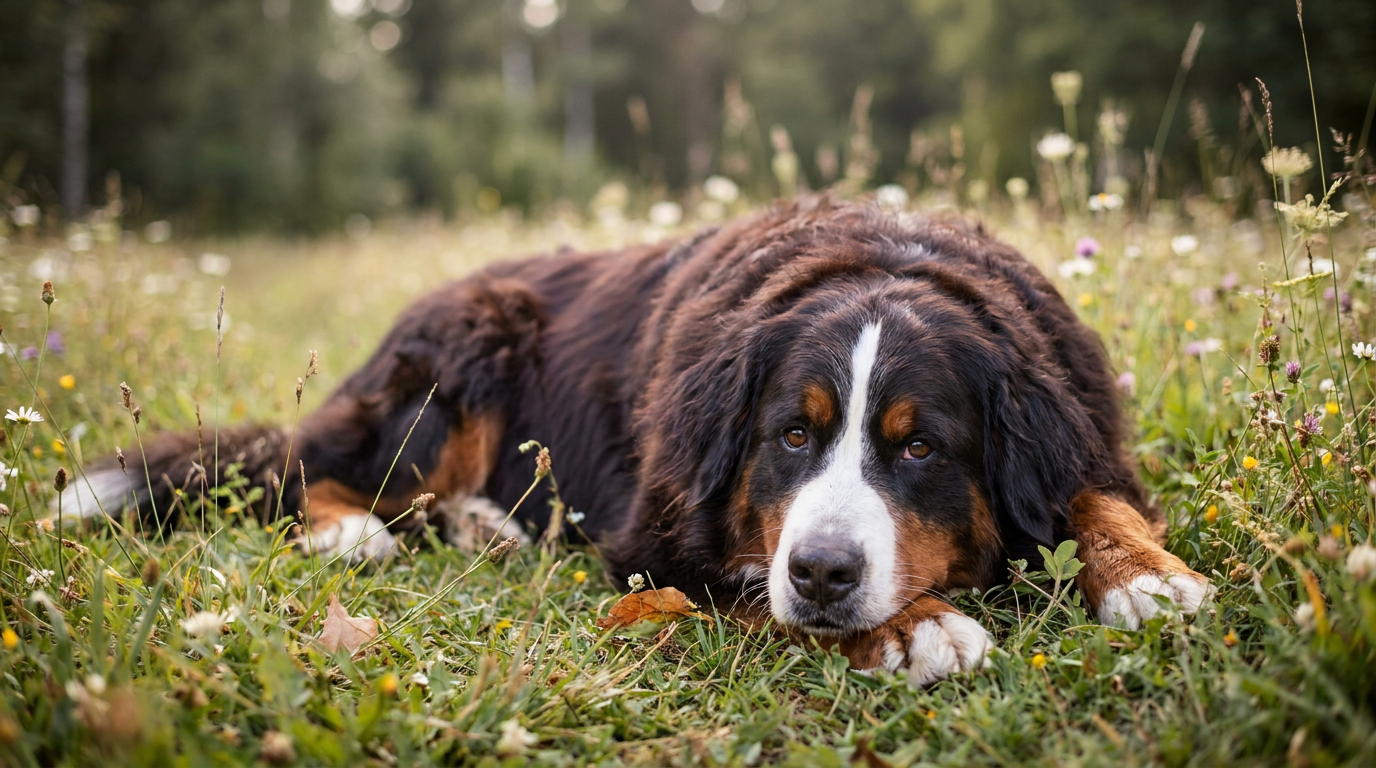
Bernese Mountain Dog
The Bernese Mountain Dog is a strikingly beautiful, good-natured, and devoted family companion. While exceptionally gentle with children, their giant size, heavy shedding, and significant grooming needs require commitment. Prospective owners must be prepared for a tragically short lifespan (7-10 years) and high potential veterinary costs due to common, serious health issues like cancer and joint disease.
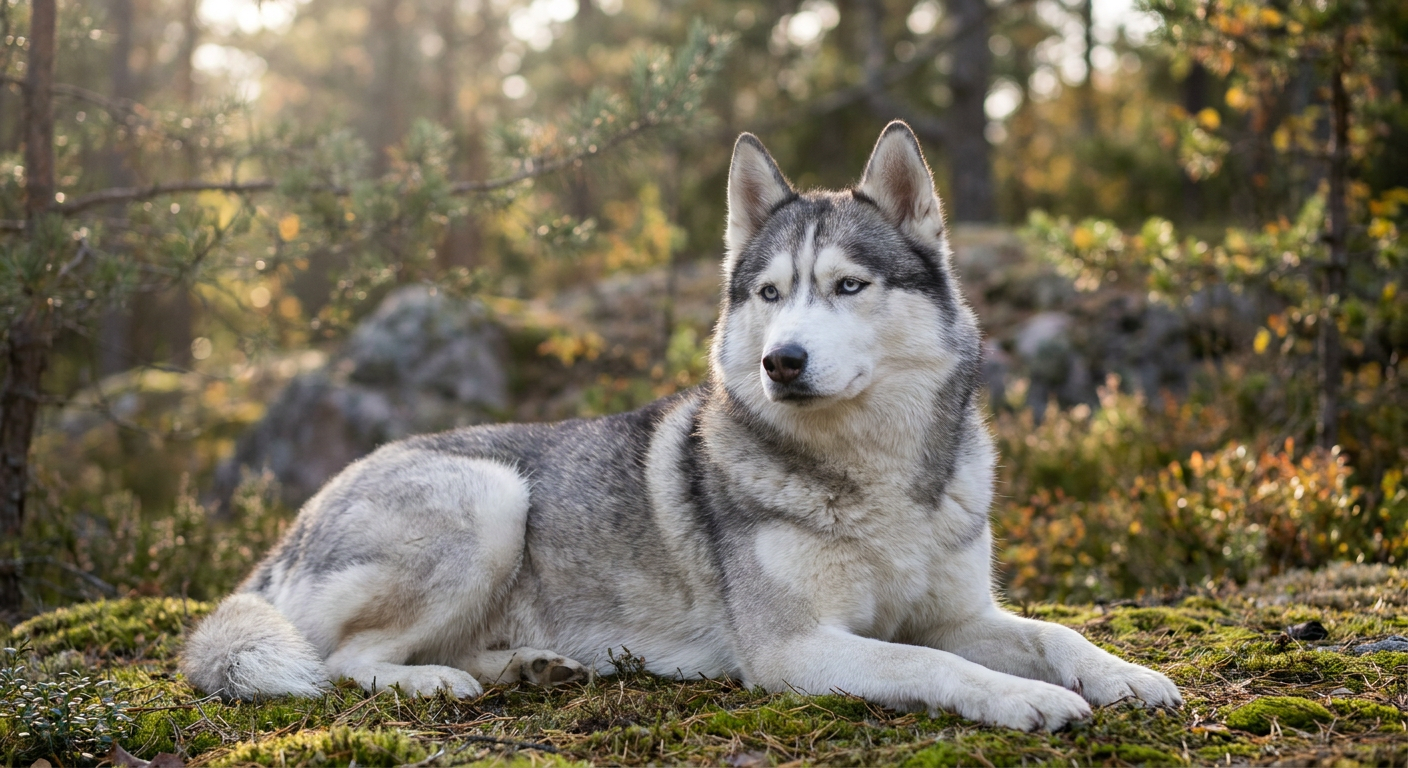
Siberian Husky
The Siberian Husky is a striking, athletic sled dog with immense stamina and a friendly, pack-oriented nature. They are not for first-time owners. Their high energy, Houdini-like escape artistry, and significant prey drive require a securely fenced yard and constant management. While intelligent, their independence makes training a challenge. They are vocal, shed profusely, and need extensive daily exercise.
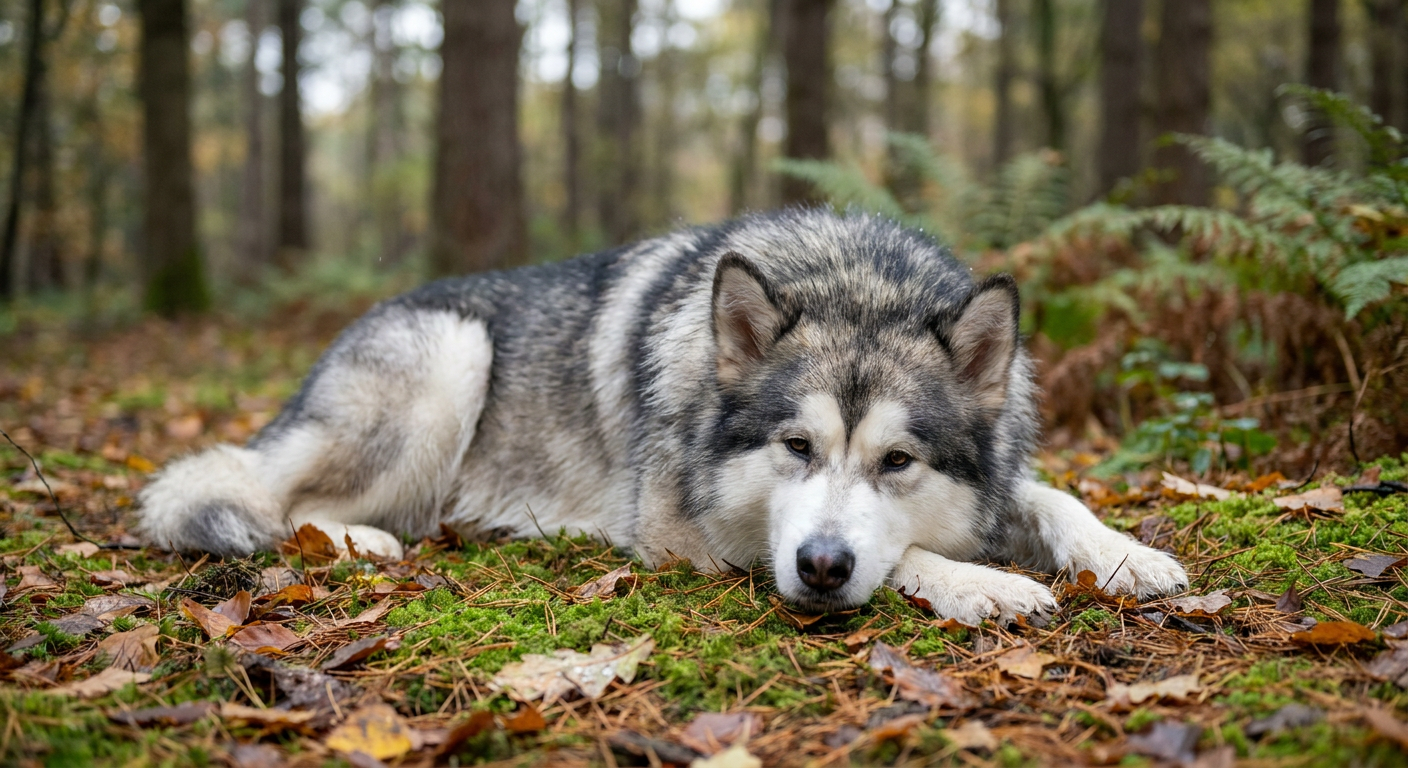
Alaskan Malamute
Alaska's powerful sled dog, larger and stronger than the Husky and bred for hauling heavy loads over long distances. Mals are friendly, dignified, and famously vocal ('woo-woo' talkers). They need 60+ minutes of daily exercise, cool climates, and experienced owners — they shed prodigiously and dig.
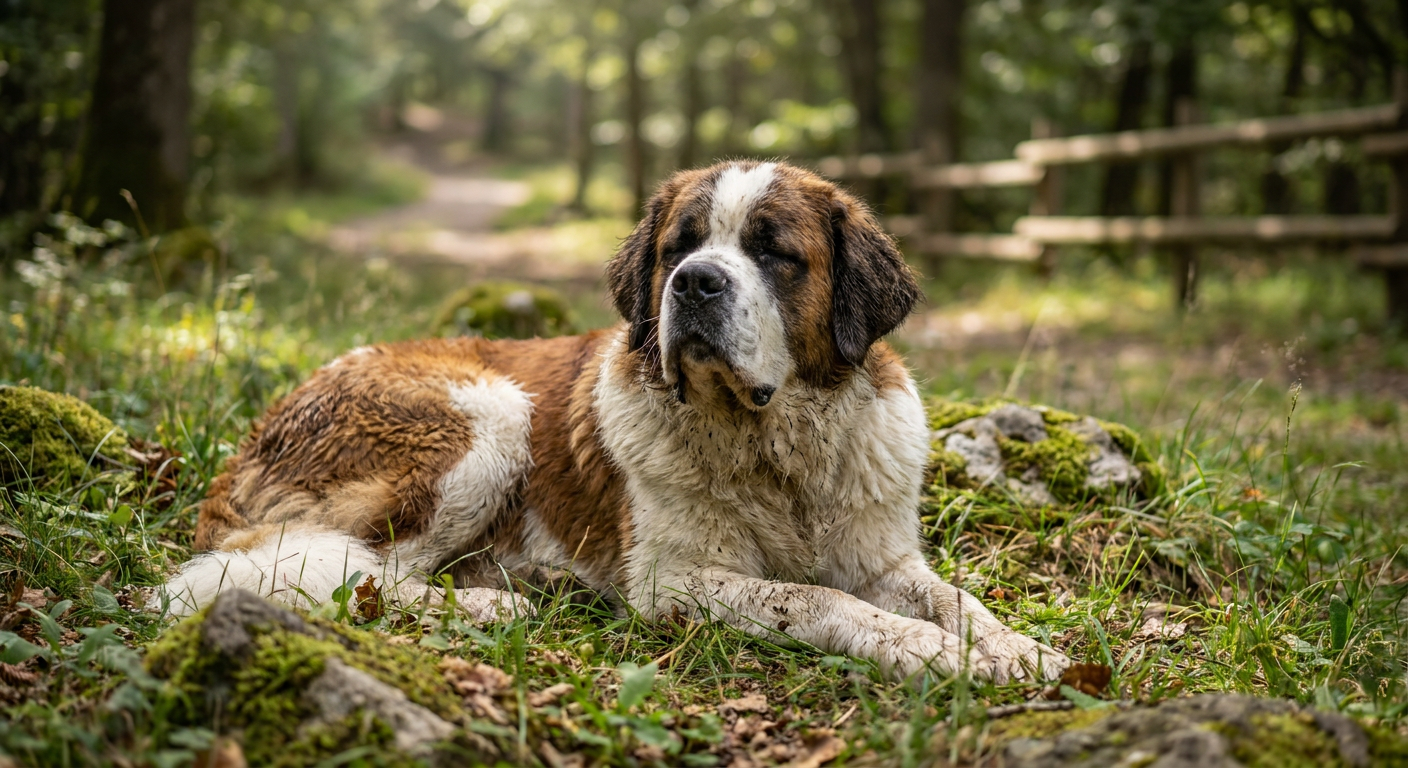
Saint Bernard
The gentle giant of Alpine rescue lore — Saint Bernards are calm, patient, and famously good with children. They drool, shed heavily, and have short lifespans (8–10 years), but their devotion and stability make them beloved family companions for homes that can accommodate a 150-pound puppy-at-heart.
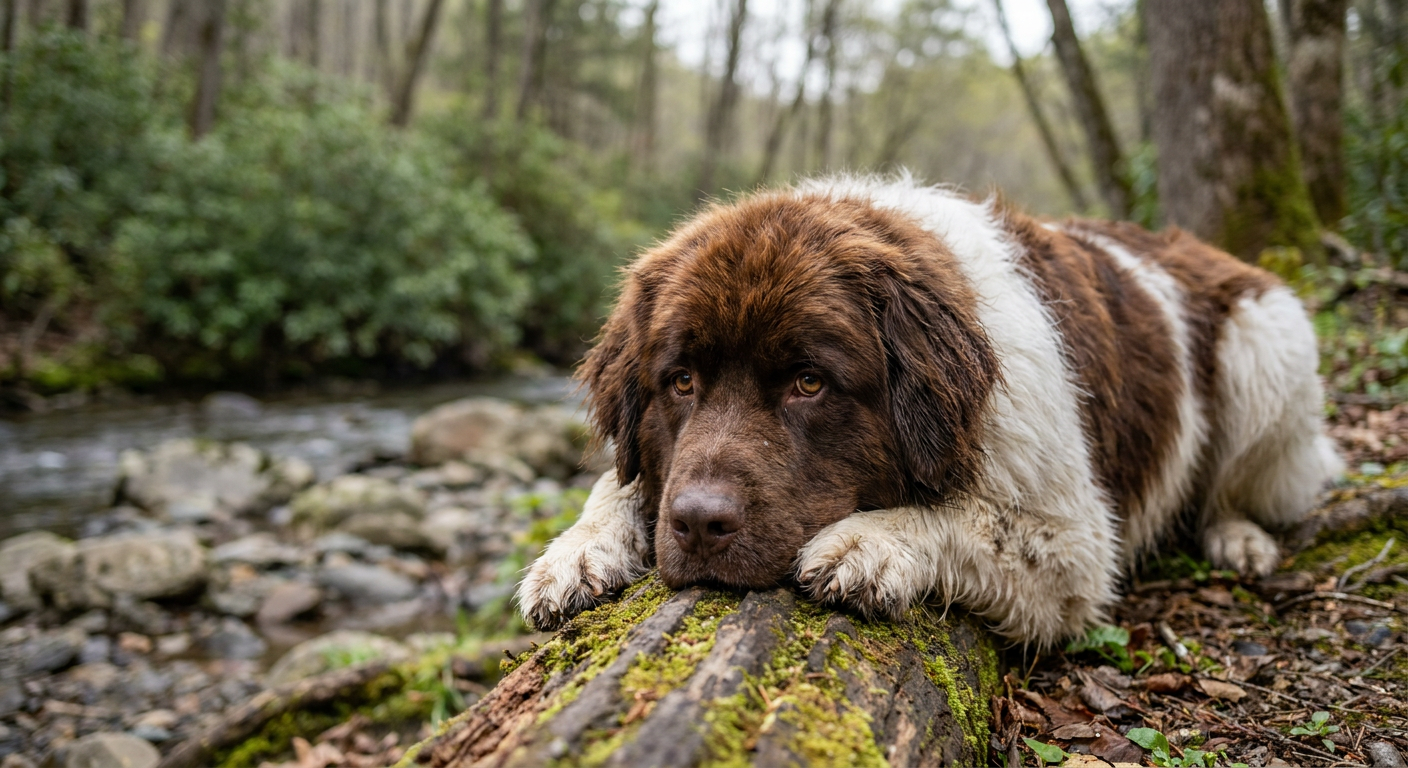
Newfoundland
The 'gentle giant of the water' — Newfoundlands are sweet-natured, patient family dogs originally bred to haul fishing nets and rescue people from icy water. They are massive (130+ lbs), drool, shed heavily, and live only 9–10 years on average, but their devotion and calm nature make them treasured companions.
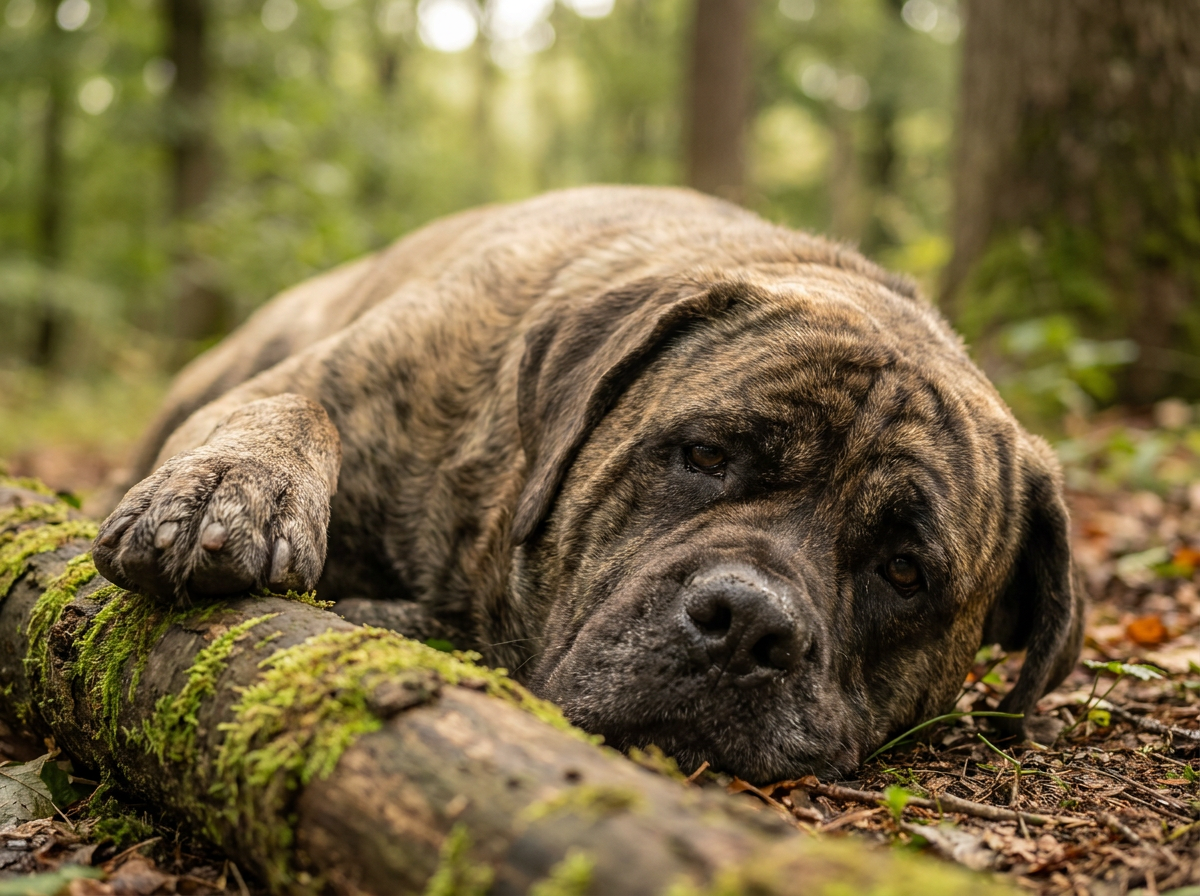
Mastiff
The English Mastiff is among the largest of all dog breeds — a calm, dignified giant of 200+ lbs who lives to be near family. Mastiffs are gentle, courageous and protective without being aggressive. They drool heavily, shed moderately, and live only 6–10 years. Best for experienced owners with space.
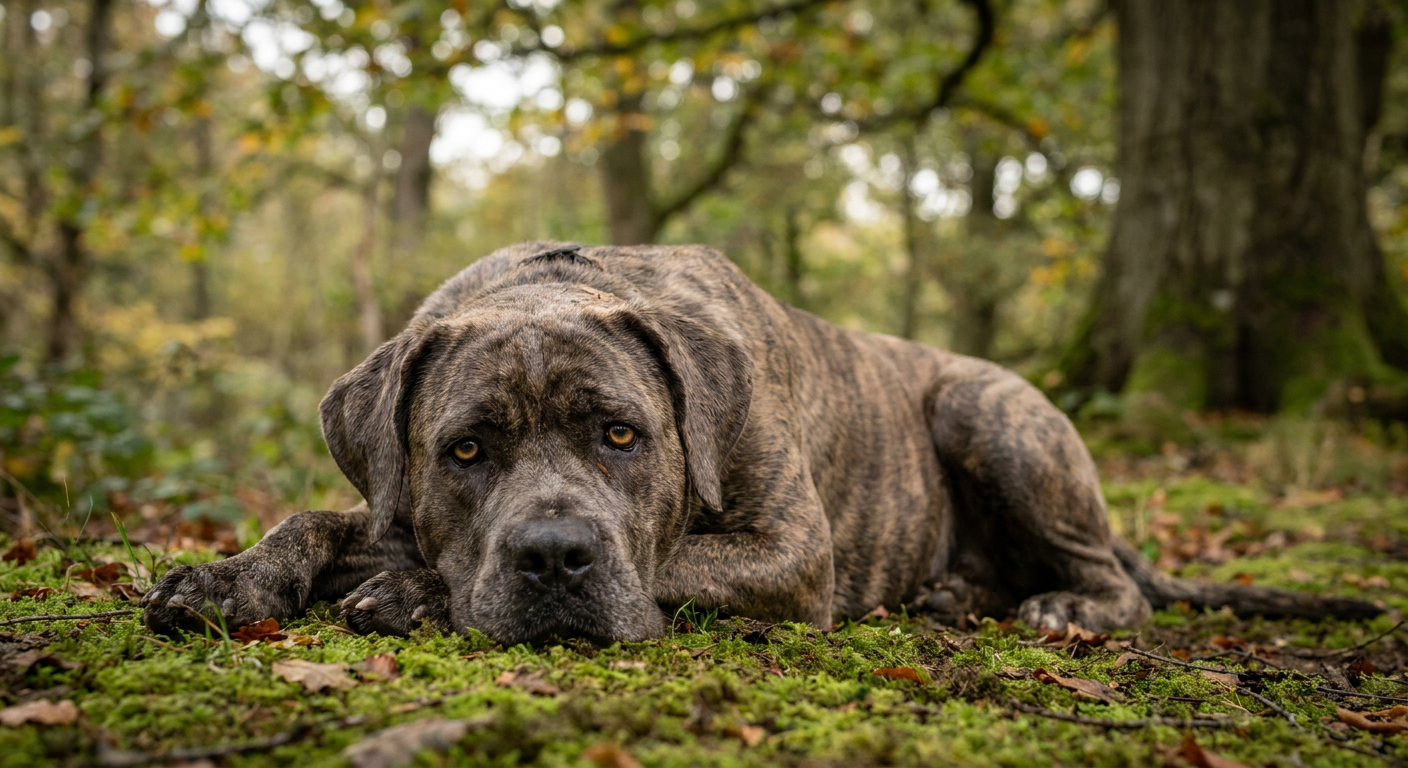
Cane Corso
An ancient Italian guardian breed — powerful, intelligent and athletic. Cane Corsos are deeply loyal to family and naturally protective, requiring an experienced owner who can provide structure, socialization and 60+ minutes of daily exercise. Not a casual breed: their size and protective drive demand commitment.
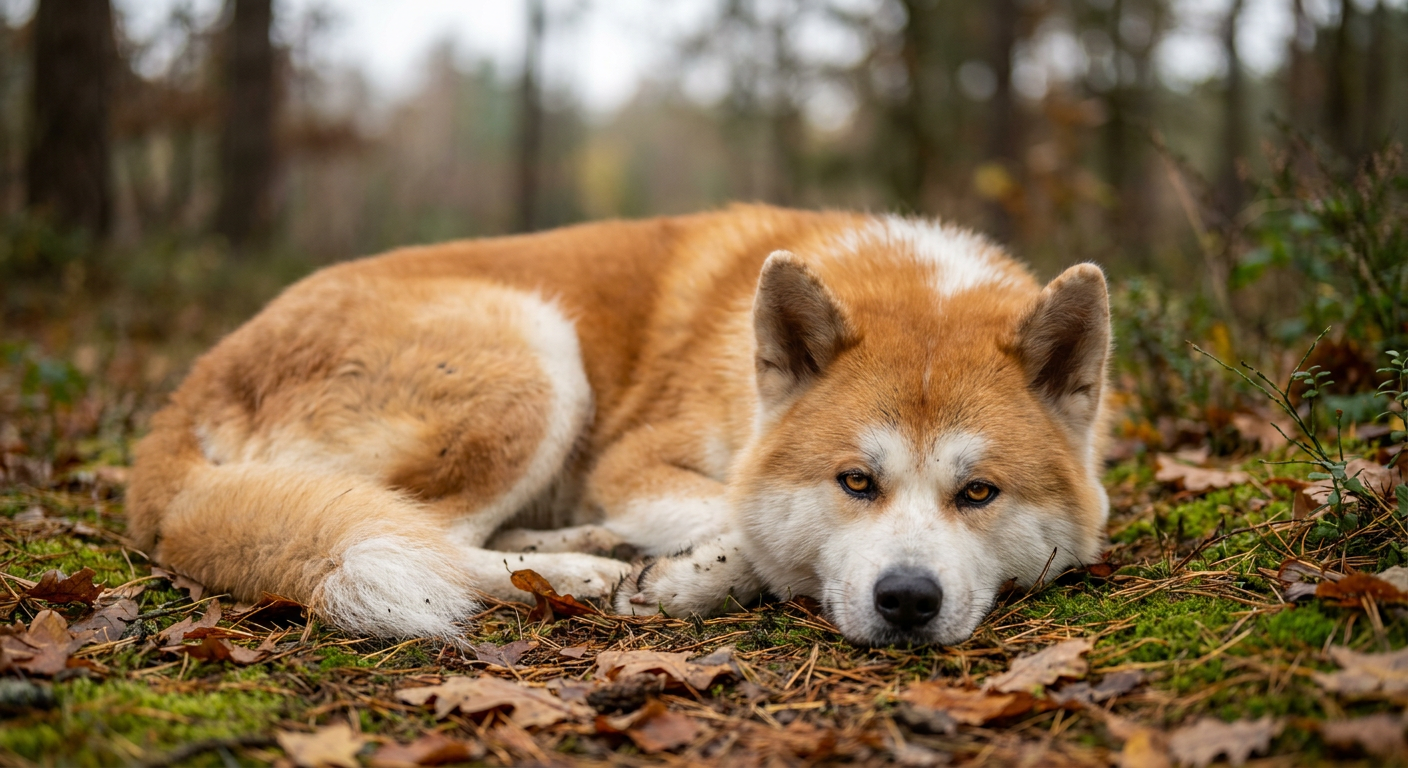
Akita
Powerful, independent, and fiercely loyal, the Akita is a large working breed known for its thick double coat and curled tail. Originally bred for big-game hunting in Japan, they are quiet guardians who are devoted to family but reserved with strangers. They require firm leadership, early socialization, and a secure environment, making them best suited for experienced owners.
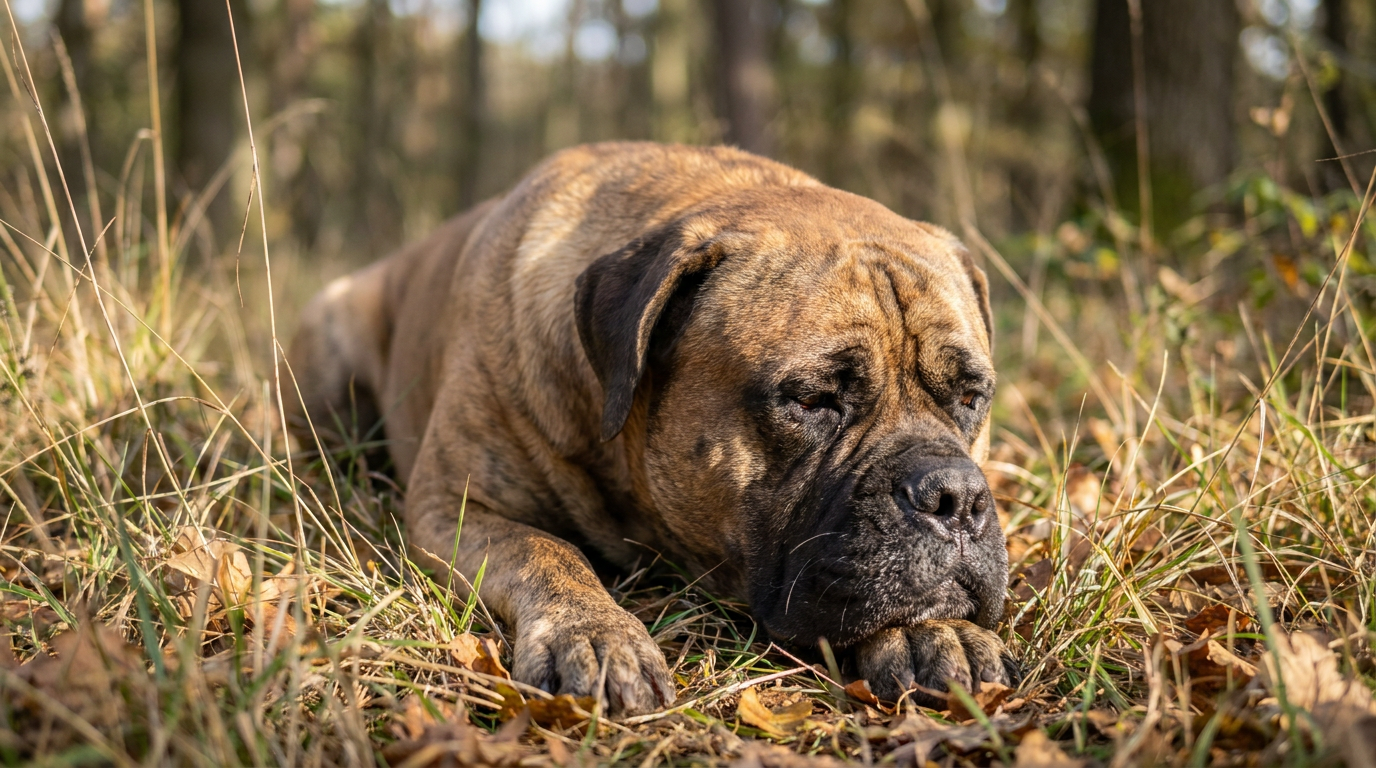
Bullmastiff
A powerful, heavy-boned guardian breed known for its "silent watchdog" heritage. These dogs are docile yet courageous, making them excellent family protectors. They are low-energy indoors but require firm training and monitoring for health issues like bloat and joint dysplasia. Expect a short lifespan and significant drool, but immense loyalty in return.
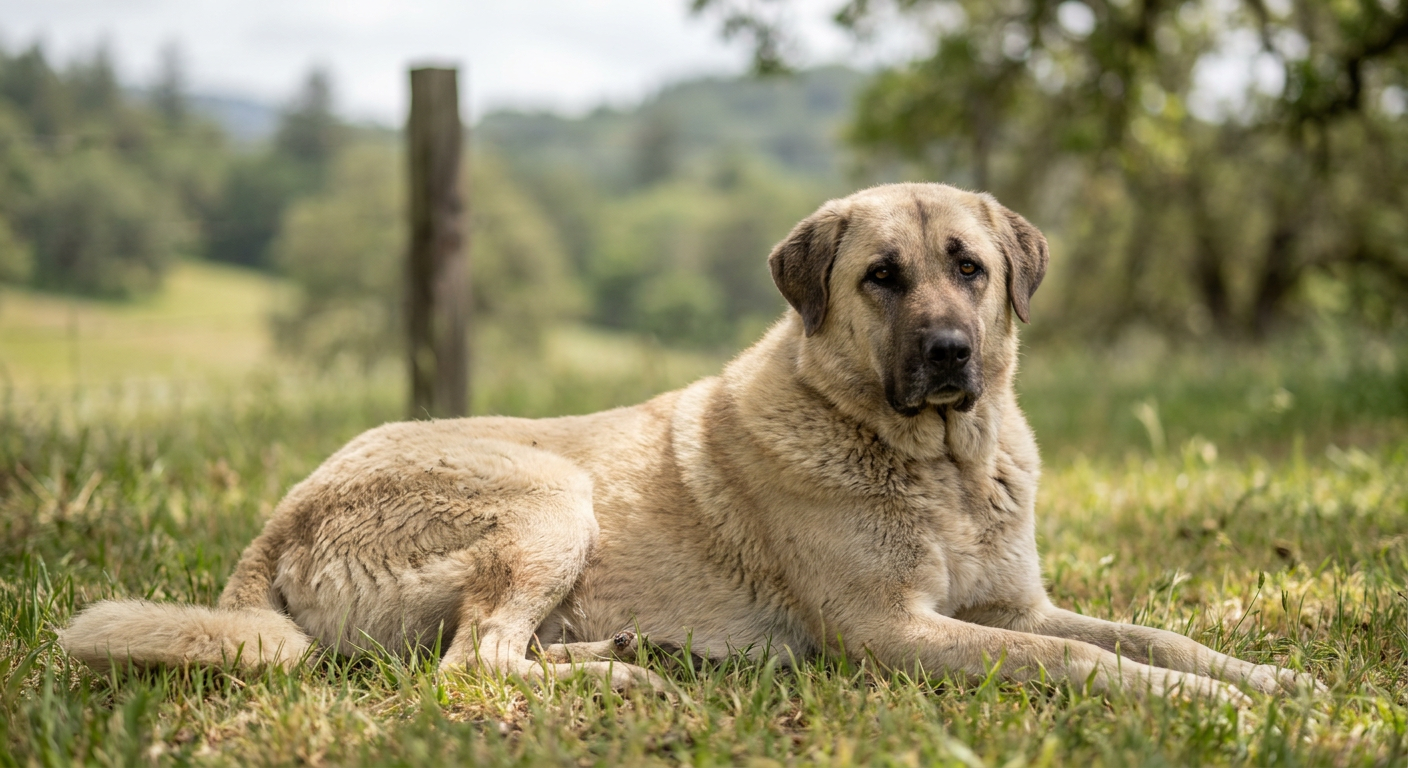
Anatolian Shepherd
A powerful, ancient livestock guardian from Turkey, this breed is characterized by its immense size, independence, and protective nature. Unlike herding dogs, they are bred to live with and defend flocks from predators autonomously. They require experienced owners who understand guardian instincts and have the space to accommodate a dog of this scale and vigilance.
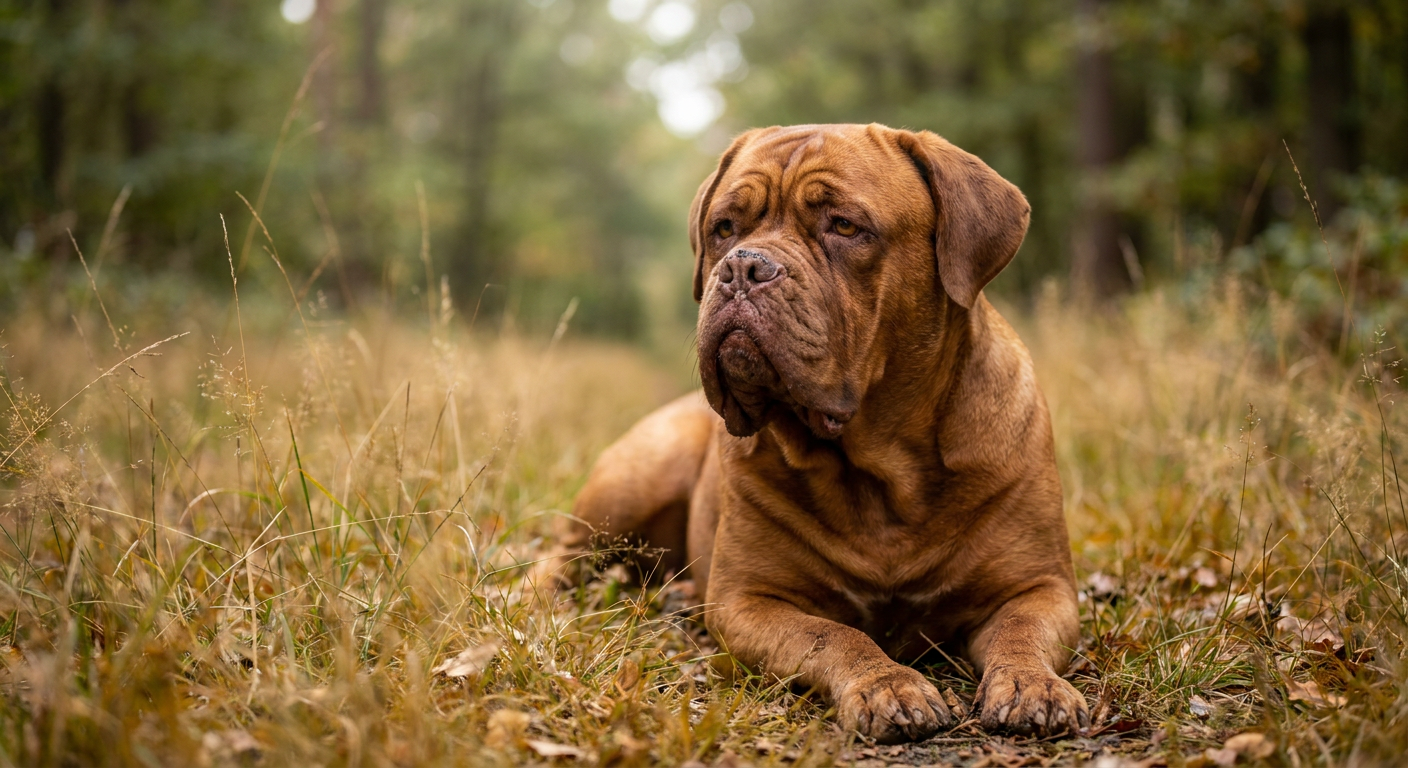
Dogue de Bordeaux
A massive, powerful brachycephalic molosser known for its distinctive wrinkled head and affectionate loyalty. Despite a formidable appearance, they are sensitive companions that require consistent, positive training. Owners must be prepared for a short lifespan, significant drooling, and potential health complications associated with their giant stature and heavy build.
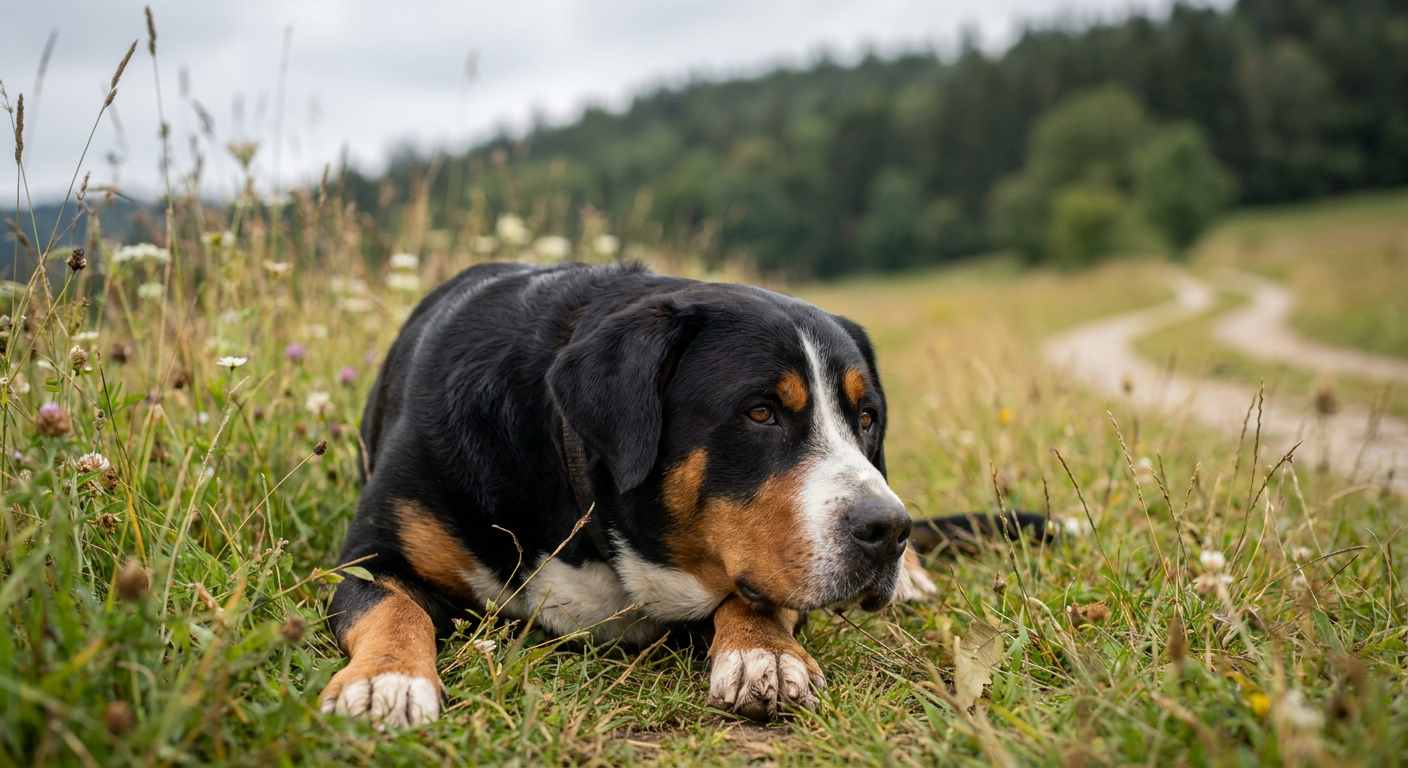
Greater Swiss Mountain Dog
The Greater Swiss Mountain Dog is a powerful, heavy-boned working breed known for its striking tricolor coat and sturdy constitution. Reliable and versatile, it excels as a draft dog and family guardian. Ownership requires a commitment to firm training, joint health management, and accommodating a large, slow-maturing dog that remains puppy-like in spirit for several years.
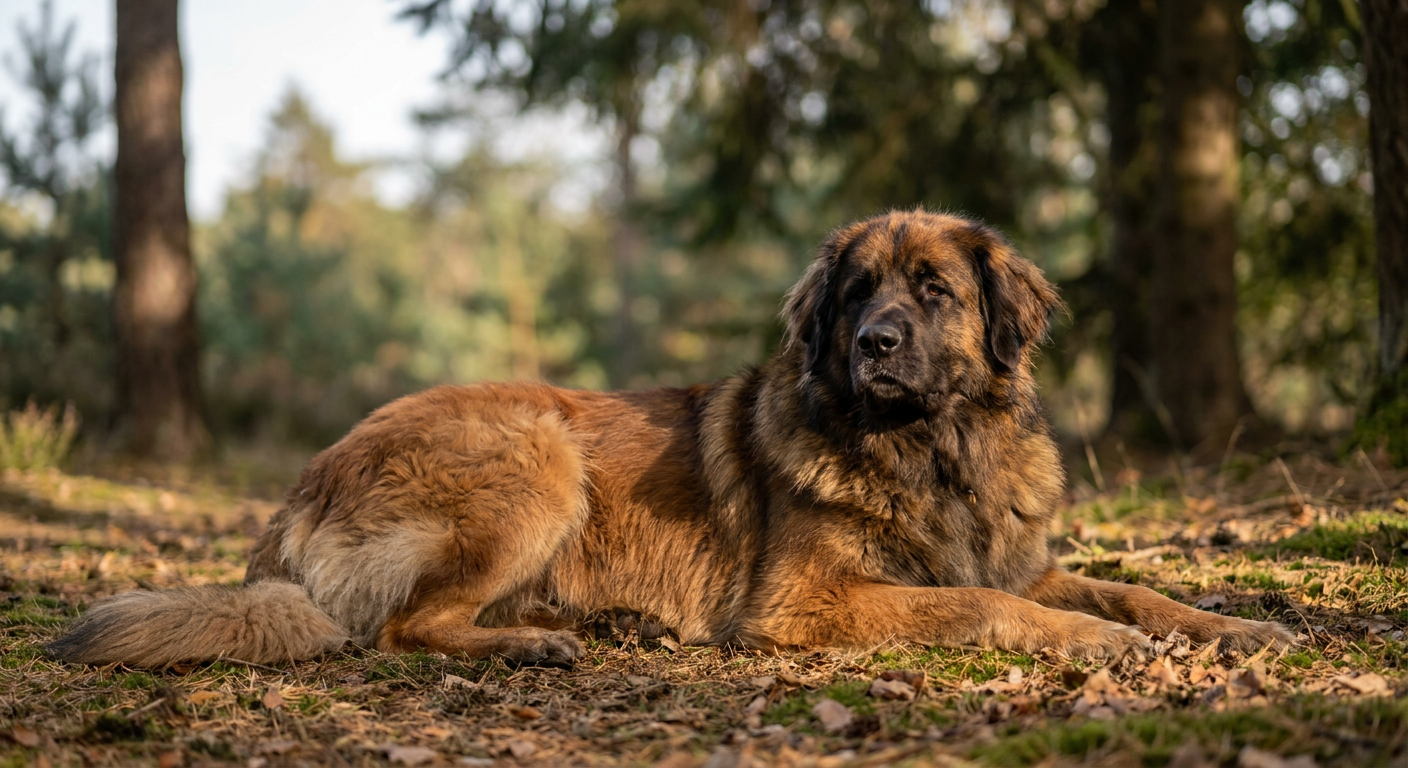
Leonberger
A massive, dimorphic giant breed developed for companionship and draft work. These 'gentle giants' are characterized by a water-resistant double coat and a calm, reliable temperament. While affectionate family members, they require significant space, frequent grooming, and awareness of breed-specific health issues like bloat and polyneuropathy.
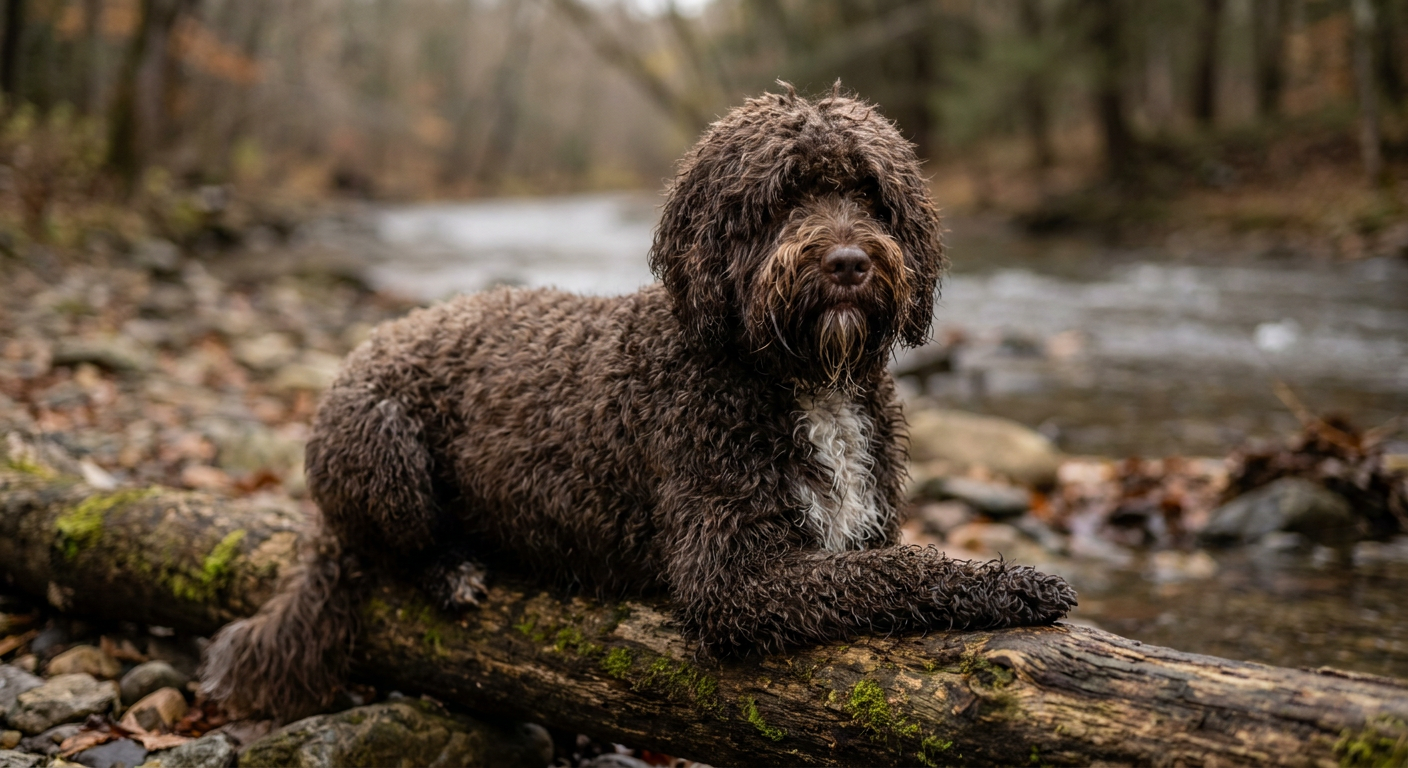
Portuguese Water Dog
A robust, medium-sized working breed characterized by a waterproof single coat and exceptional swimming ability. Highly intelligent and energetic, they require significant daily exercise and mental engagement. They are famous for their service as seafaring companions and their more recent popularity as versatile family pets that do not shed.
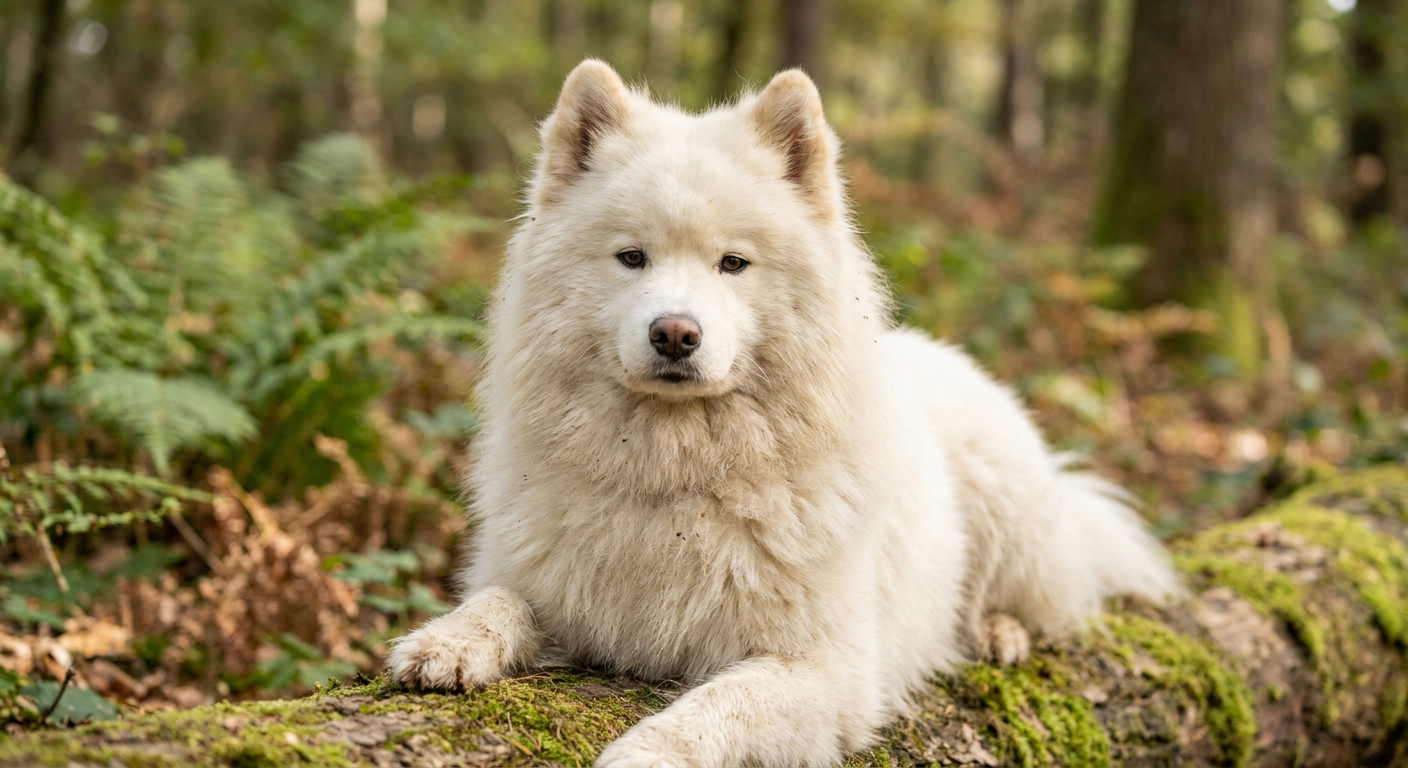
Samoyed
A medium-to-large spitz-type dog known for its stunning white double coat and upturned corners of the mouth that prevent drooling (and icicles). Originally bred for reindeer herding and sledging, they are high-energy, vocal, and deeply social animals. They require significant grooming and thrive in active households, particularly in cooler climates where their insulation is an asset.
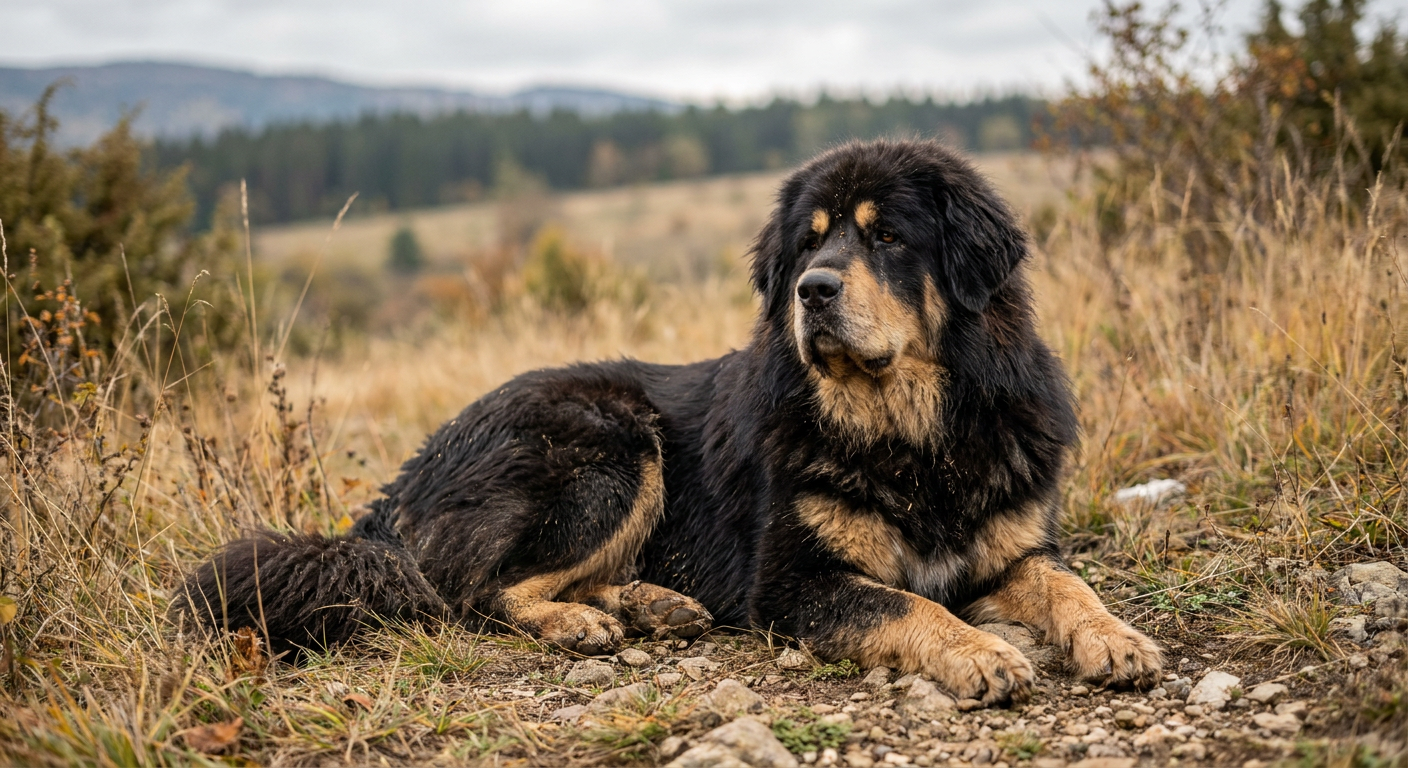
Tibetan Mastiff
An ancient, giant guardian breed known for its independence and protective instincts. They are solemn, quiet housemates but remain highly alerted to any perceived environmental changes. Owners must be prepared for a dog that values its own judgment over commands. They are high-maintenance in grooming and space requirements, requiring firm, consistent leadership.
Working Group FAQs
What are the most common Working Group breeds?
Boxer, Rottweiler, Great Dane, Bernese Mountain Dog, Siberian Husky, Doberman Pinscher, Saint Bernard, Newfoundland, and Mastiff are the most owned working breeds in the U.S.
Are working breeds dangerous?
No breed is inherently dangerous, but Working Group dogs are physically powerful. Early socialization, professional puppy classes and ongoing training are essential — not optional. Choose reputable breeders who screen for temperament.
Why do giant working breeds live shorter lives?
Large body size accelerates aging and increases cancer, cardiac and orthopedic disease. Great Danes average 8–10 years; Bernese Mountain Dogs 7–9. Lean body condition and slow growth in puppyhood are protective.