History & Origin
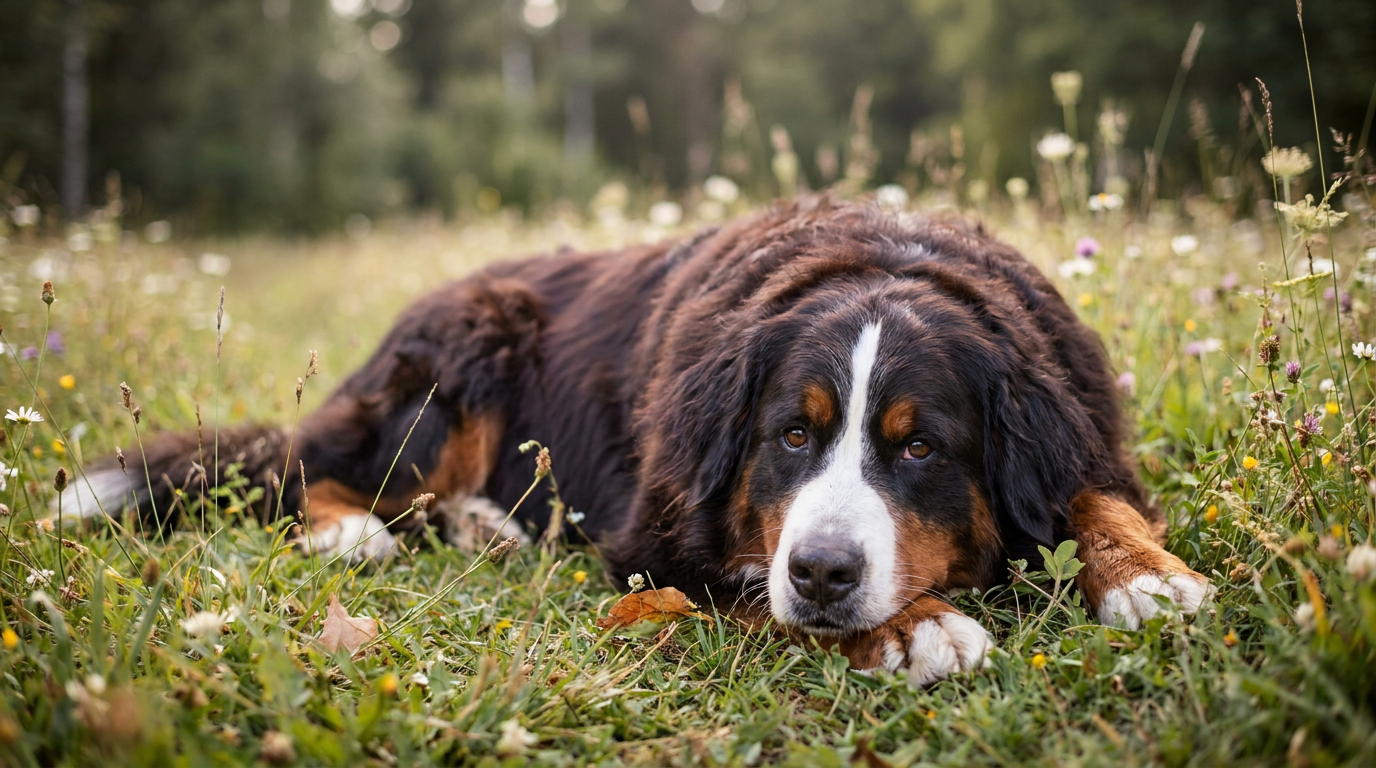
Originating in the agricultural region of Bern, Switzerland, the Bernese Mountain Dog is one of four Swiss mountain dog varieties. These hardy dogs were developed as all-purpose farm companions, used by weavers and farmers to pull carts of goods to market, drive dairy cattle, and act as loyal watchdogs. Their lineage is thought to trace back to mastiff-type dogs brought to Switzerland by Roman armies over 2,000 years ago, crossed with local dogs. The breed’s numbers dwindled in the late 19th century, but a dedicated group of Swiss breeders revived them. The American Kennel Club officially recognized the Bernese Mountain Dog in 1937, where it has since become a beloved member of the Working Group.
Temperament & Personality
Bernese Mountain Dogs are known for their calm, good-natured, and exceptionally loyal temperament. They are self-assured and placid, yet form deep, devoted bonds with their families. While aloof with strangers, they are not typically aggressive. Their patience and gentleness make them excellent companions for children. However, they are a sensitive breed that thrives on companionship and does not do well if left alone for extended periods. Their intelligence and eagerness to please make them trainable, but they respond best to positive, gentle methods.
Health Watchouts
Top conditions reported by AKC parent clubs, OFA, and the Merck Veterinary Manual. Discuss screening with your vet — especially before breeding or insuring.
Histiocytic Sarcoma (HS)
Up to 25%An aggressive, rapidly spreading cancer that is exceptionally common in the breed, often leading to a very short lifespan.
Screening: No reliable prescreening exists. Diagnosis is via biopsy of suspected lesions. Responsible breeders should be transparent about cancer history in their lines.
Hip & Elbow Dysplasia
Common (~16% hip, ~25% elbow)Malformation of the ball-and-socket joints in the hip or elbow, leading to arthritis, pain, and lameness.
Screening: OFA or PennHIP radiographs are recommended for all breeding animals and useful for pet dogs to assess future risk.
Gastric Dilatation-Volvulus (GDV or Bloat)
CommonA life-threatening condition where the stomach fills with gas and twists on itself. It is a true surgical emergency.
Screening: Prophylactic gastropexy surgery (tacking the stomach to the body wall) can be performed to prevent torsion, often during the spay/neuter procedure.
Degenerative Myelopathy (DM)
Common (carrier gene is widespread)A progressive, incurable disease of the spinal cord that causes gradual paralysis of the hind limbs.
Screening: A DNA test (SOD1) can identify dogs that are clear, carriers, or at-risk for developing the disease.
Aseptic Meningitis
CommonAn immune-mediated inflammation of the membranes surrounding the brain and spinal cord (meninges), often seen in young dogs.
Screening: Diagnosis requires ruling out infectious causes, often via analysis of cerebrospinal fluid (CSF).
Exercise Needs
Bernese Mountain Dogs require moderate daily exercise, such as a 30-60 minute walk or gentle hike. They were built for steady work, not intense sprints. Due to their heavy double coat and black color, they are very susceptible to heatstroke and should not be exercised strenuously in warm weather. Always provide access to shade and cool water.
- Brisk walking
- Hiking in cool weather
- Cart-pulling (drafting)
- Obedience trials
- Herding
Nutrition
Daily calories: 1600-2500
Feed a high-quality, AAFCO-approved diet formulated for large breeds. To help reduce the risk of bloat (GDV), it is advisable to feed 2-3 smaller meals per day rather than one large one and to avoid exercise immediately after eating.
Common allergens to watch: Chicken, Beef, Dairy.
⚠ Obesity is a serious health threat for this breed, placing immense strain on their already at-risk joints and potentially shortening their lifespan. A lean body condition is critical. You should be able to easily feel their ribs without a thick layer of fat covering them.
Entertainment & Enrichment
These are intelligent dogs that need mental stimulation. They are happiest when they have a task or are included in family activities. A bored Berner can become listless or develop unwanted behaviors. Consistent training and social engagement are key to their well-being.
- Puzzle feeders
- Nose work games
- Obedience and trick training
- Learning to pull a lightweight cart
- Regular, calm socialization
Grooming & Coat Care
The thick double coat is high-maintenance, requiring brushing 2-3 times per week to prevent matting and control shedding. During their semi-annual shedding seasons, daily brushing is necessary. Professional grooming may be beneficial. Nails should be trimmed monthly and ears checked weekly for signs of infection.
Training
Bernese Mountain Dogs are intelligent, eager to please, and highly trainable. However, they are also sensitive and do not respond well to harsh training methods. Use positive reinforcement techniques. Early and consistent socialization is vital to help them become confident, well-adjusted adults.
Cost of Ownership
Lifetime cost depends on size, lifespan, and health risks. Try our Lifetime Cost Calculator →
Cost band for Bernese Mountain Dog: high.
How insurance, vet care & grooming connect for the Bernese Mountain Dog
These three costs move together. The Bernese Mountain Dog’s coat, energy, and breed-specific health watchouts shape each one — here’s how they line up.
Insurance band
Brachycephalic or giant-breed risk profile
Vet service load
Heavy shedding correlates with skin/derm visits
Grooming demand
Double coat sheds seasonally — frequent brushing
Estimated monthly spend (typical adult)
Insurance
$85
Routine vet
$60
Grooming
$75
Combined estimate
~$220/mo(±20%, US averages)
* Estimates derived from breed traits (coat, energy, health watchouts, lifespan). Actual costs vary by location, age, and provider.
Living Situation Fit
This breed is best suited for a home with a securely fenced yard in a cool climate. They do not tolerate heat and humidity well. Their strong desire for human companionship means they must live inside with their family and are prone to separation anxiety if left alone for many hours.
Choosing a Puppy
Choose a breeder who is transparent about health and longevity in their lines. Insist on seeing health clearances for both parents from the Orthopedic Foundation for Animals (OFA) for hips, elbows, heart, and eyes, as well as genetic testing for Degenerative Myelopathy (DM). A responsible breeder will prioritize temperament and health over appearance.
Frequently Asked Questions
Are Bernese Mountain Dogs good for first-time owners?
Their gentle nature is a plus, but their giant size, high grooming needs, and significant, costly health problems can be overwhelming. They are a better fit for experienced owners who are prepared for the financial and emotional challenges.
How bad is the shedding?
Shedding is significant and year-round, with two heavy shedding seasons in the spring and fall. If you are a tidy person who dislikes dog hair on furniture and clothing, this is not the breed for you.
Why is the Bernese Mountain Dog lifespan so short?
Their lifespan is tragically short, averaging only 7-10 years. This is primarily due to a very high incidence of aggressive cancers, particularly histiocytic sarcoma. This is a crucial factor to consider before getting a Bernese Mountain Dog.
Do Bernese Mountain Dogs do well in hot climates?
No. They were bred for the cool Swiss Alps and have a thick, black double coat. They are very prone to heatstroke and are not suited for life in hot or humid climates.