History & Origin
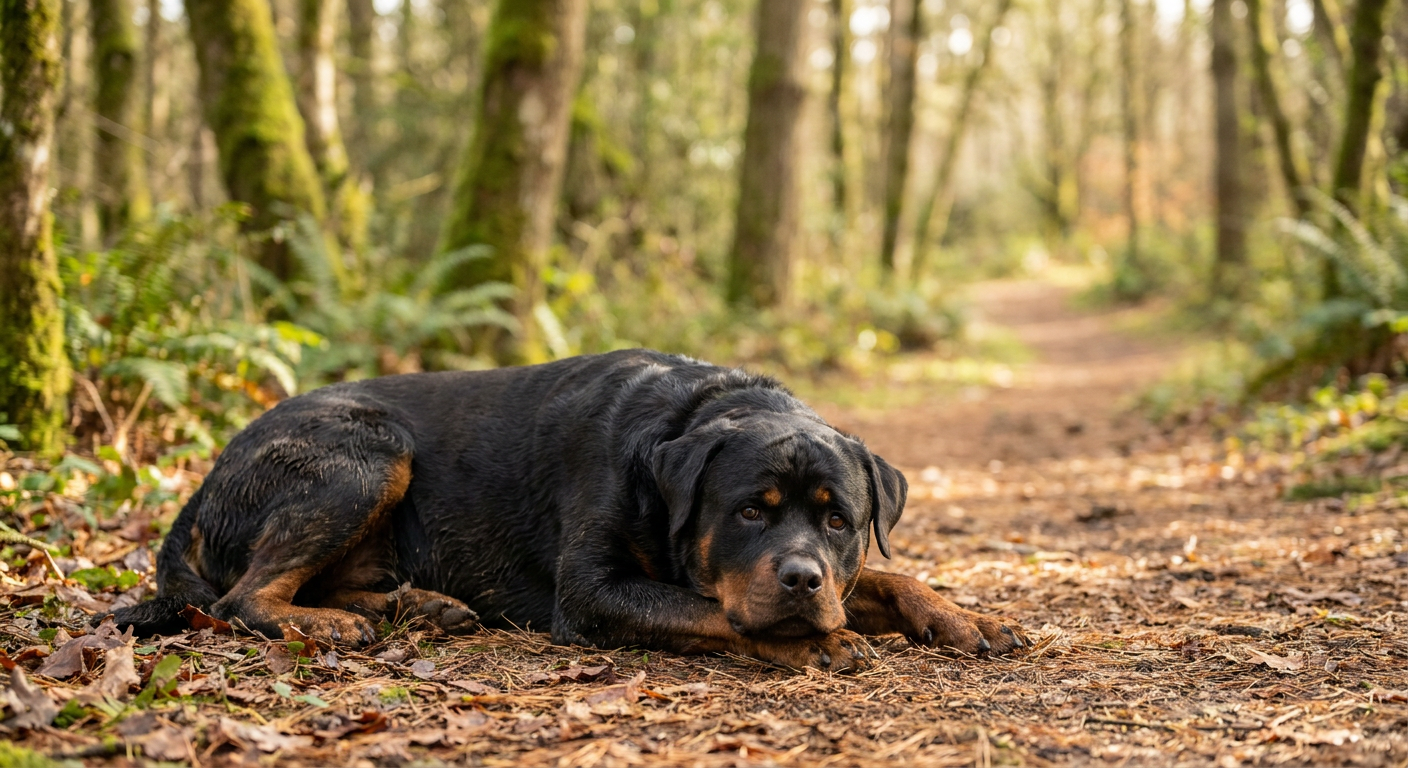
Descended from the Roman legions' drover dogs, the Rottweiler's ancestors herded cattle for butchers in the German town of Rottweil, which gave the breed its name. As railways replaced cattle drives, the breed nearly vanished. However, their intelligence, strength, and work ethic found new purpose in the early 20th century as police, military, and service dogs. The American Kennel Club (AKC) officially recognized the Rottweiler in 1931, where it has since become a popular, if demanding, companion and member of the Working Group.
Temperament & Personality
A well-bred Rottweiler is calm, courageous, and confident. They are deeply loyal and loving with their family but often aloof and observant with strangers, a trait of their guarding heritage. Their intelligence makes them trainable, but they require a firm, fair, and consistent leader. These dogs form a tight bond with their people and do not do well when left alone for long periods. Early, thorough socialization is absolutely critical to shape a well-mannered, dependable adult.
Health Watchouts
Top conditions reported by AKC parent clubs, OFA, and the Merck Veterinary Manual. Discuss screening with your vet — especially before breeding or insuring.
Hip and Elbow Dysplasia
High; ~20% affected with hip dysplasia, ~39% with elbow dysplasia (OFA data)These are developmental orthopedic conditions where the hip or elbow joints form abnormally, leading to instability, pain, and severe arthritis. It is a major cause of lameness in the breed.
Screening: Reputable breeders must screen breeding stock. Ask for OFA or PennHIP certifications for hips and OFA for elbows.
Subaortic Stenosis (SAS)
CommonA congenital heart defect involving a narrowing of the area beneath the aortic valve, which obstructs blood flow from the heart. This forces the heart to work harder and can lead to fainting or even sudden death.
Screening: A veterinarian may detect a heart murmur during a physical exam. Diagnosis is confirmed by a veterinary cardiologist via an echocardiogram (heart ultrasound).
Osteosarcoma (Bone Cancer)
High Risk; Rottweilers are a highly predisposed breed.An aggressive, malignant tumor of the bone, most often affecting the limbs. It causes severe pain, swelling, and lameness. The cancer metastasizes (spreads) quickly, most commonly to the lungs.
Screening: No specific screening test exists. Owners should seek immediate veterinary evaluation (including x-rays) for any persistent lameness or swelling.
Gastric Dilatation-Volvulus (GDV or Bloat)
High risk for all deep-chested breeds.A life-threatening emergency where the stomach fills with gas and twists on itself, cutting off blood supply. Without immediate surgical intervention, it is fatal.
Screening: A prophylactic gastropexy—a surgery to tack the stomach to the body wall—can be performed to prevent twisting, often during spay/neuter.
Cranial Cruciate Ligament (CCL) Rupture
CommonSimilar to an ACL tear in humans, this is a very common orthopedic injury in large, active dogs. It causes rear-limb lameness and knee instability, requiring surgical repair for best outcomes.
Screening: Maintaining a lean body weight is the single most effective preventative measure. Any sudden rear-limb lameness warrants a veterinary exam.
Exercise Needs
Rottweilers require substantial daily exercise to maintain their physical and mental health. A minimum of 60 minutes of varied activity is necessary. As a working breed, they thrive when they have a "job" to do, even if it's just structured training. A bored Rottweiler is a recipe for destructive behavior. Their strength demands an owner who is physically able to control them on a leash.
- Brisk walking or jogging (on soft surfaces for adults)
- Obedience and rally training
- Tracking or scent work
- Controlled play with durable toys
- Cart-pulling (with proper training and equipment)
Nutrition
Daily calories: 1600-2400 kcal/day, depending on age, activity level, and spay/neuter status. This must be adjusted to maintain a lean body condition.
Feed a high-quality large-breed dog food that meets AAFCO standards. To reduce the risk of bloat (GDV), give two to three smaller meals per day instead of one large one, and use a slow-feeder bowl. Avoid strenuous exercise for an hour before and after meals.
Common allergens to watch: chicken, beef, dairy, wheat.
⚠ Obesity is catastrophic for a Rottweiler's joints and overall health. It dramatically increases the risk and severity of hip dysplasia, arthritis, and CCL tears. A healthy Rottweiler should have a visible waist and you should be able to easily feel their ribs beneath a thin layer of fat. Do not "free feed"; measure every meal.
Entertainment & Enrichment
Mental stimulation is just as important as physical exercise for this intelligent breed. A lack of enrichment leads to boredom, which can manifest as destructive chewing, digging, or nuisance barking. Channel their working heritage into positive activities.
- Food puzzle toys (e.g., Kongs, snuffle mats)
- Advanced obedience or tricks training
- Scent work games around the house or yard
- Structured "guard duty" from a window seat
- Interactive play sessions with the owner
Grooming & Coat Care
The Rottweiler's short double coat is relatively easy to maintain. Weekly brushing with a rubber curry or soft bristle brush will remove loose hair and distribute skin oils. They shed moderately year-round and more heavily twice a year. Regular nail trims, ear cleaning, and daily tooth brushing are essential for overall health.
Training
Training and socialization must begin the moment a Rottweiler puppy comes home. They are intelligent and eager to please but have a stubborn streak and a dominant personality if allowed. Use positive reinforcement techniques with firm, confident, and consistent leadership. Enroll in puppy and obedience classes to ensure they grow into well-behaved, predictable companions. Exposure to a wide variety of people and environments is non-negotiable.
Cost of Ownership
Lifetime cost depends on size, lifespan, and health risks. Try our Lifetime Cost Calculator →
Cost band for Rottweiler: medium.
How insurance, vet care & grooming connect for the Rottweiler
These three costs move together. The Rottweiler’s coat, energy, and breed-specific health watchouts shape each one — here’s how they line up.
Insurance band
Brachycephalic or giant-breed risk profile
Vet service load
High activity raises orthopedic & injury visits
Grooming demand
Low-maintenance coat — monthly bath and brush
Estimated monthly spend (typical adult)
Insurance
$85
Routine vet
$50
Grooming
$45
Combined estimate
~$180/mo(±20%, US averages)
* Estimates derived from breed traits (coat, energy, health watchouts, lifespan). Actual costs vary by location, age, and provider.
Living Situation Fit
Rottweilers are best suited to a home with a securely fenced yard where they have room to move. They are not recommended for apartment living due to their size, energy, and exercise requirements. They need an owner who is prepared to invest significant time in training, socialization, and providing daily physical and mental stimulation. Their strength and guarding instincts should not be underestimated.
Choosing a Puppy
Choose a breeder who is transparent and prioritizes health and temperament. A responsible breeder will provide proof of health clearances for both parents, including OFA or PennHIP certifications for hips and elbows, and a cardiac evaluation by a cardiologist. Puppies should be raised in the home and well-socialized from birth. Avoid breeders who seem focused on "rare" colors or "extra-large" sizes, as these are not to the breed standard and often come with health problems.
Frequently Asked Questions
Are Rottweilers good family dogs?
For their own family, Rottweilers are exceptionally loyal and loving. When raised with children, they can be gentle and protective companions. However, due to their immense strength and size, all interactions between Rottweilers and children must be supervised by an adult. Early and extensive socialization is crucial for them to be comfortable and safe around new people.
Are Rottweilers naturally aggressive?
Rottweilers are not inherently aggressive, but they do have strong guarding instincts. A well-bred dog from a responsible breeder, combined with comprehensive socialization and consistent training, is typically a confident, calm, and reliable companion. Aggression issues usually stem from poor breeding, lack of training and socialization, or abuse.
Do Rottweilers shed a lot?
Rottweilers have a double coat and are considered moderate shedders year-round. They experience heavier shedding periods, known as "blowing coat," typically in the spring and fall. Regular brushing can help manage the loose hair.
How much does a Rottweiler cost?
The initial purchase price from a reputable breeder can range from $1,500 to $4,000. Beyond that, owners should budget for significant lifetime costs, including high-quality large-breed food, veterinary care (including potential for emergency surgery like for bloat), training classes, and durable toys. The overall financial commitment is high.