History & Origin
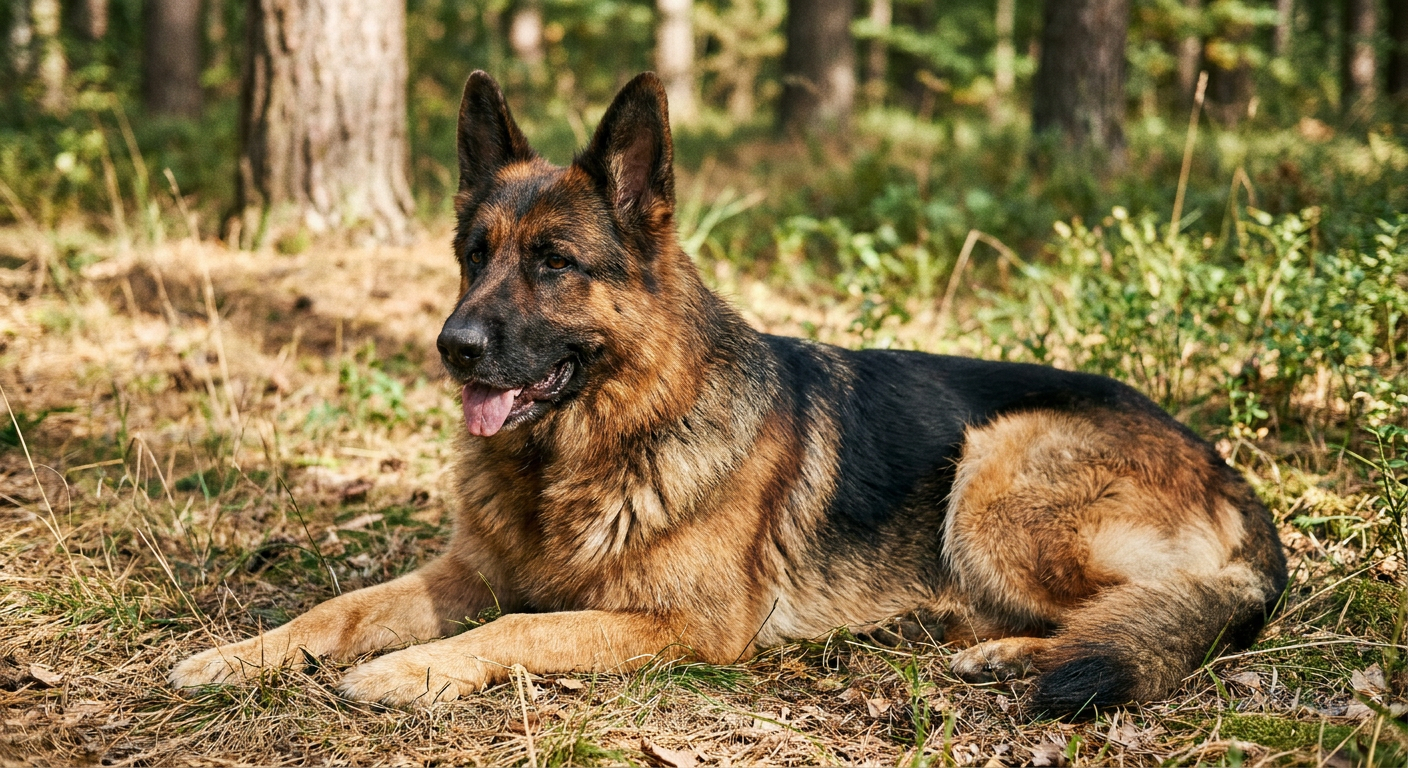
Captain Max von Stephanitz developed the breed in 1899 by standardizing German herding dogs into a single working line. World War I introduced the breed to American and British soldiers, who brought them home. Today GSDs serve in nearly every police force, military and major service-dog organization worldwide.
Temperament & Personality
Confident, courageous, aloof with strangers, devoted to family. Well-bred GSDs are stable and discerning — they don't react without cause. Poorly bred or under-socialized GSDs can become fearful or reactive.
Health Watchouts
Top conditions reported by AKC parent clubs, OFA, and the Merck Veterinary Manual. Discuss screening with your vet — especially before breeding or insuring.
Hip & elbow dysplasia
~20% (OFA)The breed is genetically predisposed; reputable breeders screen rigorously.
Screening: OFA, PennHIP, or SV 'a' rating before breeding
Degenerative myelopathy
~2% develop diseaseProgressive spinal disease causing rear-leg paralysis in middle age.
Screening: DNA test (SOD1 mutation) before breeding
Bloat (GDV)
Lifetime risk ~25%Stomach twist — life-threatening emergency. Deep-chested breeds at highest risk.
Screening: Consider prophylactic gastropexy at spay/neuter
Exocrine pancreatic insufficiency
Higher than other breedsPancreas fails to make digestive enzymes; dogs lose weight despite eating.
Screening: TLI blood test if symptomatic
Anal furunculosis (perianal fistulas)
Breed-specificPainful chronic infection of the anal area, treated with cyclosporine.
Screening: Routine veterinary exams
Exercise Needs
GSDs need 60–120 minutes of daily physical exercise plus 30+ minutes of mental work. Insufficient exercise produces behavioral problems within weeks.
- Long structured walks or jogs
- Tracking, IPO/IGP, Schutzhund sport
- Agility and obedience trials
- Scent work and search-and-rescue training
- Tug, fetch, and structured play
- Avoid sustained jogging until 18+ months
Nutrition
Daily calories: Adult: 1,400–2,100 kcal/day. Large-breed puppy formula until 15–18 months.
Two measured meals daily, never one large meal (bloat risk). Avoid exercise within an hour of eating. Premium AAFCO-complete diet.
Common allergens to watch: Chicken, Beef, Wheat, Dairy.
⚠ Lean body condition reduces hip dysplasia and arthritis. Body condition 4–5/9.
Entertainment & Enrichment
GSDs need a job. They are happiest with a clear role and consistent training partner.
- Daily 15-min training session (advanced obedience, tricks)
- Scent work and tracking
- Protection sport (with experienced trainer only)
- Agility or rally
- Frozen Kongs and puzzle feeders
- Structured play with one consistent person
Grooming & Coat Care
Brush 3–4× weekly with a deshedding rake; daily during spring/fall coat blows (the fur tumbleweeds are legendary). Bathe every 6–10 weeks. Check ears weekly. Trim nails every 3–4 weeks.
Training
Highly trainable but demanding. GSDs need experienced handlers, early socialization (8–16 weeks is critical), and consistent leadership. Puppy class, then intermediate obedience, then a sport (rally, agility, IGP, scent work) for life. Reactivity develops fast in under-socialized GSDs.
Cost of Ownership
Lifetime cost depends on size, lifespan, and health risks. Try our Lifetime Cost Calculator →
Cost band for German Shepherd: high.
How insurance, vet care & grooming connect for the German Shepherd
These three costs move together. The German Shepherd’s coat, energy, and breed-specific health watchouts shape each one — here’s how they line up.
Insurance band
Common hereditary conditions raise claim odds
Vet service load
High activity raises orthopedic & injury visits
Grooming demand
Double coat sheds seasonally — frequent brushing
Estimated monthly spend (typical adult)
Insurance
$85
Routine vet
$60
Grooming
$75
Combined estimate
~$220/mo(±20%, US averages)
* Estimates derived from breed traits (coat, energy, health watchouts, lifespan). Actual costs vary by location, age, and provider.
Living Situation Fit
House with secure yard preferred. GSDs can live in apartments only with serious exercise commitment and a calm household. They are guardian breeds and should never be left chained outdoors. Plan for 1–2 walks daily and high engagement.
Choosing a Puppy
Choose breeders who OFA-screen hips and elbows, DNA-test for DM, title their dogs in working sport (IGP, Schutzhund) or conformation, and let you meet both parents. Avoid sloped 'show line' extremes and 'designer' colors (panda, blue, liver). Consider German Shepherd Rescue — every region has one.
Frequently Asked Questions
Are German Shepherds good family dogs?
Yes, when well-bred and properly socialized. GSDs are devoted to their family and patient with children they're raised with. They are not the right breed for casual or first-time owners — they need committed daily training and exercise from puppyhood.
How long do German Shepherds live?
Average lifespan is 9–13 years. Working-line GSDs (lean, athletic) often live 12–13 years; show-line GSDs with sloped backs typically live 9–11 years due to higher orthopedic disease rates.
Do German Shepherds shed?
Heavily, year-round, with two intense 'coat blow' periods each spring and fall. They are sometimes called 'German Shedders.' Plan on 3–4 brushings per week and a powerful vacuum.
Are German Shepherds aggressive?
No more than any other breed when well-bred and socialized. GSDs are genetically wary of strangers (their guarding instinct), which can read as aggression. Early socialization (8–16 weeks) and lifelong positive training prevent most reactivity issues.