History & Origin
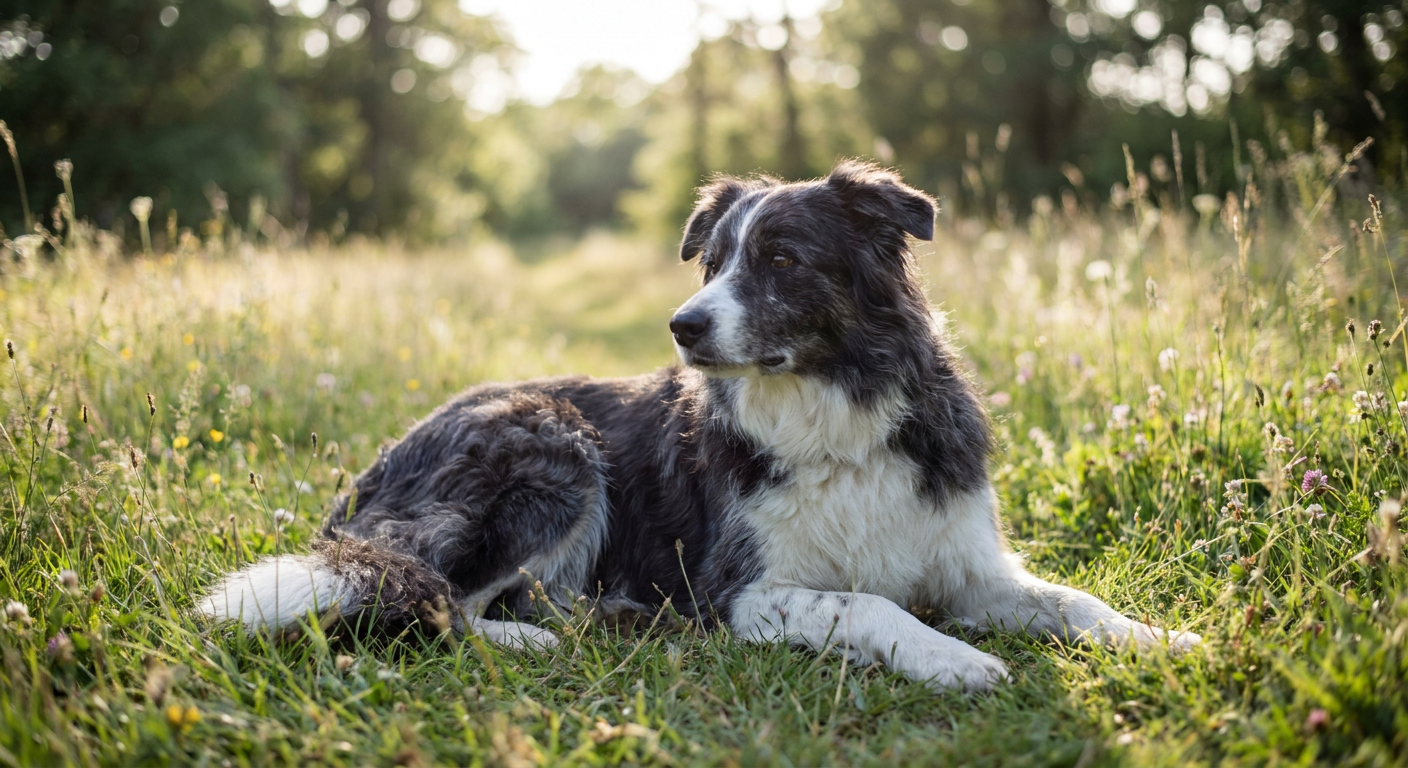
Border Collies were refined in the 19th-century Scottish/English border country to herd sheep across rugged terrain using the famous 'eye' — a fixed stare that controls livestock movement. The breed was kept working-only for over a century; AKC recognition didn't come until 1995, partly because shepherds feared show-ring breeding would ruin working ability.
Temperament & Personality
Intelligent, energetic, intensely focused. Border Collies bond fiercely with their handler, are reserved with strangers, and can be sound- or motion-sensitive (chasing cars, herding children). Stable Borders are wonderful; under-stimulated ones develop OCD-like behaviors.
Health Watchouts
Top conditions reported by AKC parent clubs, OFA, and the Merck Veterinary Manual. Discuss screening with your vet — especially before breeding or insuring.
Hip dysplasia
~10%Common orthopedic disease.
Screening: OFA evaluation of parents
Collie eye anomaly
~3%Inherited eye disease, usually mild but can cause blindness.
Screening: DNA test of breeding stock
Epilepsy
~3%Inherited seizure disorder, onset 1–5 years.
Screening: Veterinary neurology if seizures occur
MDR1 drug sensitivity
~5%Genetic mutation causing severe reactions to common drugs (ivermectin, loperamide).
Screening: DNA test before any new medication
Trapped neutrophil syndrome
Border-specificFatal immune disorder in puppies.
Screening: DNA test of breeding stock
Exercise Needs
Border Collies need 90–180 minutes of daily exercise PLUS 30+ minutes of mental work. This is non-negotiable.
- Long off-leash runs in safe areas
- Disc dog and frisbee
- Agility, herding trials, flyball, dock diving
- Hiking with elevation
- Daily training drills
- Treibball or other 'thinking sports'
Nutrition
Daily calories: Adult: 900–1,400 kcal/day depending on workload.
Two measured meals daily. High-quality AAFCO diet. Working Borders may need performance formulas.
Common allergens to watch: Chicken, Wheat.
⚠ Lean body condition (3–4/9) optimal for athletic performance and joint health.
Entertainment & Enrichment
Border Collies need to think. Without mental work, they will create their own — usually involving herding children, chasing cars, or destroying furniture.
- Daily 15–20 min training session
- Trick training and shaping games
- Herding (sheep, ducks, or treibball balls)
- Scent work
- Agility and rally
- Puzzle feeders at every meal
- Job: bring in the mail, find specific toys
Grooming & Coat Care
Brush 2–3× weekly; daily during spring/fall coat blows. Bathe every 6–10 weeks. Trim feathering. Check ears weekly. Trim nails every 3–4 weeks.
Training
Best in class. Borders learn new commands in 3–5 repetitions and excel at any discipline. Use positive reinforcement; they are sensitive to harshness. The challenge is keeping their minds engaged — repetitive drills bore them.
Cost of Ownership
Lifetime cost depends on size, lifespan, and health risks. Try our Lifetime Cost Calculator →
Cost band for Border Collie: medium.
How insurance, vet care & grooming connect for the Border Collie
These three costs move together. The Border Collie’s coat, energy, and breed-specific health watchouts shape each one — here’s how they line up.
Insurance band
Multiple breed-specific health watchouts
Vet service load
High activity raises orthopedic & injury visits
Grooming demand
Double coat sheds seasonally — frequent brushing
Estimated monthly spend (typical adult)
Insurance
$60
Routine vet
$60
Grooming
$75
Combined estimate
~$195/mo(±20%, US averages)
* Estimates derived from breed traits (coat, energy, health watchouts, lifespan). Actual costs vary by location, age, and provider.
Living Situation Fit
Rural property with sheep is ideal. Border Collies can do well in suburban houses with committed owners. Apartments are very challenging. They need a single primary handler and consistent structure.
Choosing a Puppy
Choose between working lines (intense, drive-focused) and sport lines (slightly mellower, agility-bred). Avoid show lines if you want a working dog. Breeders should DNA-test for CEA, MDR1, TNS and IGS, and OFA-screen hips. Border Collie rescue is excellent — many adults need experienced homes.
Frequently Asked Questions
Are Border Collies good family dogs?
Only for active families committed to 90+ minutes of daily exercise and mental work. Borders are wonderful with kids they're raised with but may try to herd them. They are not casual pets.
How long do Border Collies live?
Average lifespan is 12–15 years — long for a medium breed. Lean body condition, mental engagement and parent health screening extend lifespan.
Are Border Collies good apartment dogs?
Generally no. Borders need space and outlet for their drive. A few thrive in apartments with daily off-leash sport work, but most develop behavior problems.
Why are Border Collies so smart?
Selective breeding for over a century focused exclusively on working intelligence — the ability to take direction at distance, solve problems, and work independently. Stanley Coren's research ranks them #1 of 138 breeds in obedience and working intelligence.