History & Origin
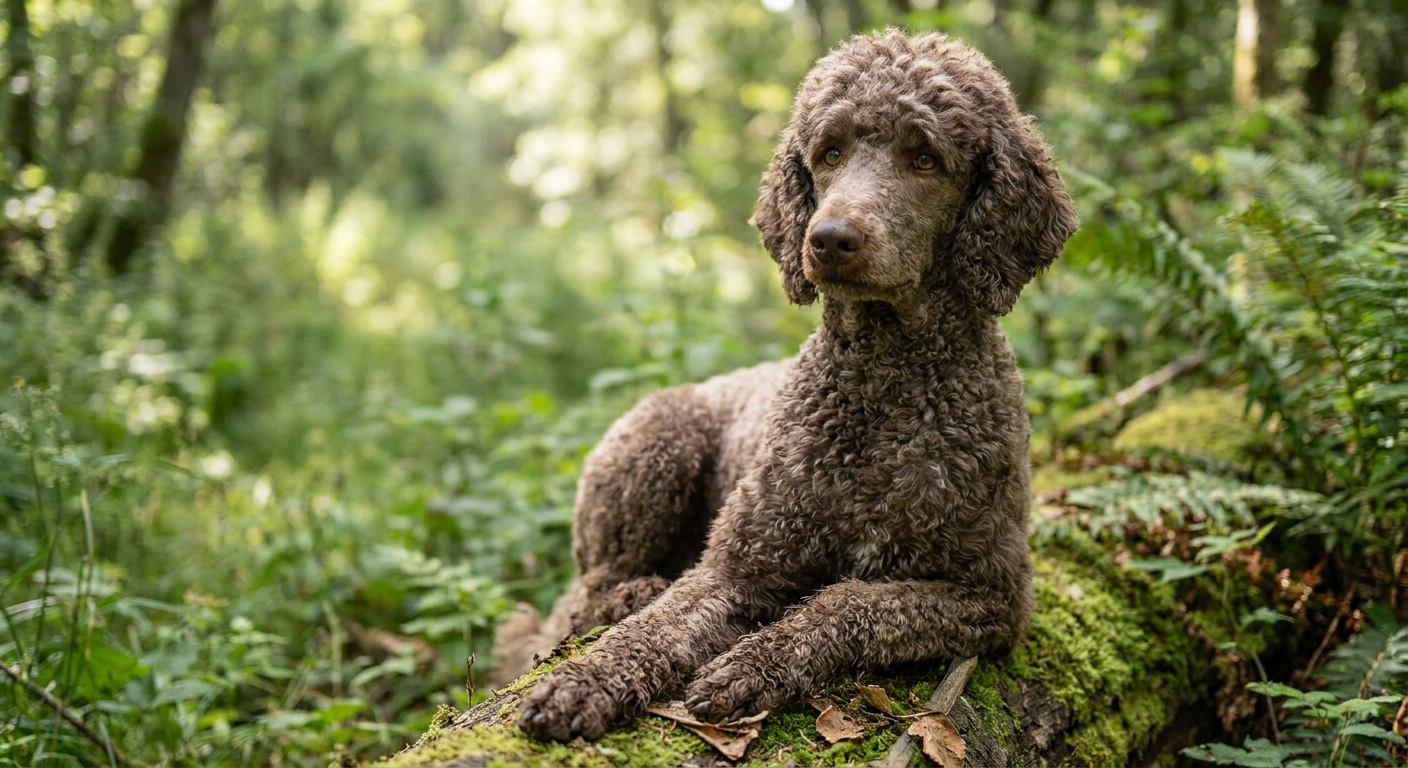
Despite the French name, Poodles originated in Germany ('Pudel' = 'splash in water') as duck retrievers. The signature show clip developed practically — it kept joints warm and chest insulated while reducing drag in cold water. France adopted and refined the breed; AKC recognized it in 1887.
Temperament & Personality
Intelligent, dignified, affectionate, and surprisingly playful. Standards bond deeply with family, are friendly with strangers, and excel in any sport. They are sensitive — harsh training methods damage them.
Health Watchouts
Top conditions reported by AKC parent clubs, OFA, and the Merck Veterinary Manual. Discuss screening with your vet — especially before breeding or insuring.
Hip dysplasia
~12%Genetic orthopedic disease.
Screening: OFA evaluation of breeding stock
Bloat (GDV)
Deep-chested breeds at riskStomach twist — emergency.
Screening: Discuss prophylactic gastropexy with vet
Addison's disease
Higher than most breedsAdrenal insufficiency causing weakness, vomiting and life-threatening collapse.
Screening: ACTH stim test if symptomatic
Sebaceous adenitis
Standard-specificInflammatory skin disease causing patchy hair loss.
Screening: Skin biopsy of breeding stock
Progressive retinal atrophy
Low with screeningInherited eye disease leading to blindness.
Screening: Annual CERF/OFA eye exam
Exercise Needs
Standards need 60–90 minutes of daily exercise. They are athletes — they swim, run, hike and excel at agility.
- Swimming (their original work)
- Long hikes
- Fetch and frisbee
- Agility, rally, obedience, dock diving
- Running partner once mature
- Daily training games
Nutrition
Daily calories: Adult: 1,200–1,800 kcal/day. Large-breed puppy formula until 15 months.
Two measured meals daily. Use raised slow-feeder bowls (deep chest = bloat risk; though raised bowls remain debated, slow-feeders are unambiguously protective). Quality AAFCO diet.
Common allergens to watch: Chicken, Beef, Wheat.
⚠ Body condition 4–5/9. Standards stay svelte naturally if exercised properly.
Entertainment & Enrichment
Standards are problem-solvers who get bored fast. Vary activities and rotate toys.
- Daily trick training (Standards love showing off)
- Scent work and nose games
- Agility or rally classes
- Therapy or service work
- Puzzle feeders and snuffle mats
- Swim sessions when weather permits
Grooming & Coat Care
The biggest commitment. Brush 2–3× weekly to prevent matting. Professional grooming every 4–6 weeks ($80–150) for clipping, bath, ear pluck and nail trim. Many owners learn home grooming. The short 'puppy clip' is much easier to maintain than show clips.
Training
Top-tier — Standards rank among the most trainable breeds and excel at any discipline. Sensitive to harsh corrections; positive reinforcement works best. Start puppy class at 8–10 weeks and continue lifelong learning.
Cost of Ownership
Lifetime cost depends on size, lifespan, and health risks. Try our Lifetime Cost Calculator →
Cost band for Standard Poodle: high.
How insurance, vet care & grooming connect for the Standard Poodle
These three costs move together. The Standard Poodle’s coat, energy, and breed-specific health watchouts shape each one — here’s how they line up.
Insurance band
Common hereditary conditions raise claim odds
Vet service load
High activity raises orthopedic & injury visits
Grooming demand
Professional clipping every 6–8 weeks
Estimated monthly spend (typical adult)
Insurance
$85
Routine vet
$60
Grooming
$60
Combined estimate
~$205/mo(±20%, US averages)
* Estimates derived from breed traits (coat, energy, health watchouts, lifespan). Actual costs vary by location, age, and provider.
Living Situation Fit
Houses with yards ideal. Standards adapt to apartments if owners commit to 60+ minutes of daily exercise. They are people-focused and need to be part of the household — not isolated outdoors.
Choosing a Puppy
Choose breeders who OFA-screen hips, eyes, hearts and thyroids; DNA-test for DM, NEwS and PRA; and breed for longevity. Avoid 'designer' colors (parti, phantom) marketed at premium prices unless the breeder also performs all standard health tests.
Frequently Asked Questions
Are Standard Poodles hypoallergenic?
Standards shed minimally and trap dander in their tightly curled coat, so most allergy sufferers tolerate them well. No dog is 100% hypoallergenic, but Poodles are the most consistently allergy-friendly breed.
How long do Standard Poodles live?
Average lifespan is 12–15 years — exceptional for a large breed. Lean body condition, parent health screening and avoiding early spay/neuter (before 12 months) all extend lifespan.
Are Standard Poodles good family dogs?
Excellent. Standards are gentle, patient and playful with children, friendly with other pets, and trainable enough that even beginners do well with a little guidance. The grooming commitment is the main filter.
Do Standard Poodles bark a lot?
Moderate barkers. They alert to visitors and unusual sounds but quiet on cue. Mental stimulation prevents boredom barking — the most common cause of excessive vocalization in the breed.