Non-Sporting Group
The Non-Sporting Group is the AKC's catch-all: it includes Bulldogs, French Bulldogs, Poodles (Standard and Miniature), Bichon Frises, Boston Terriers, Dalmatians, Chow Chows, Lhasa Apsos and more. The group has no shared work history, so temperaments, sizes and needs vary wildly — research individual breeds carefully.
Common Traits at a Glance
- energy
- Variable (2–4/5)
- exercise
- 30–90 min/day
- trainability
- Variable
- kid Friendly
- Variable
- shedding
- Variable
History & Origin
When the AKC organized breeds into groups in the 19th century, anything that didn't clearly herd, hunt or work was placed here. The group has never been reorganized, which is why it spans giant Bulldogs and tiny Bichons.
Is a Non-Sporting dog right for you?
Great fit if you…
- •Wide range of sizes, energy levels and grooming needs
- •Several hypoallergenic options (Poodle, Bichon)
- •Many top apartment breeds live here
Maybe not if you…
- •No shared profile — research each breed individually
- •Some have serious brachycephalic health issues
- •Several require professional grooming every 4–6 weeks
Flagship breeds in this group
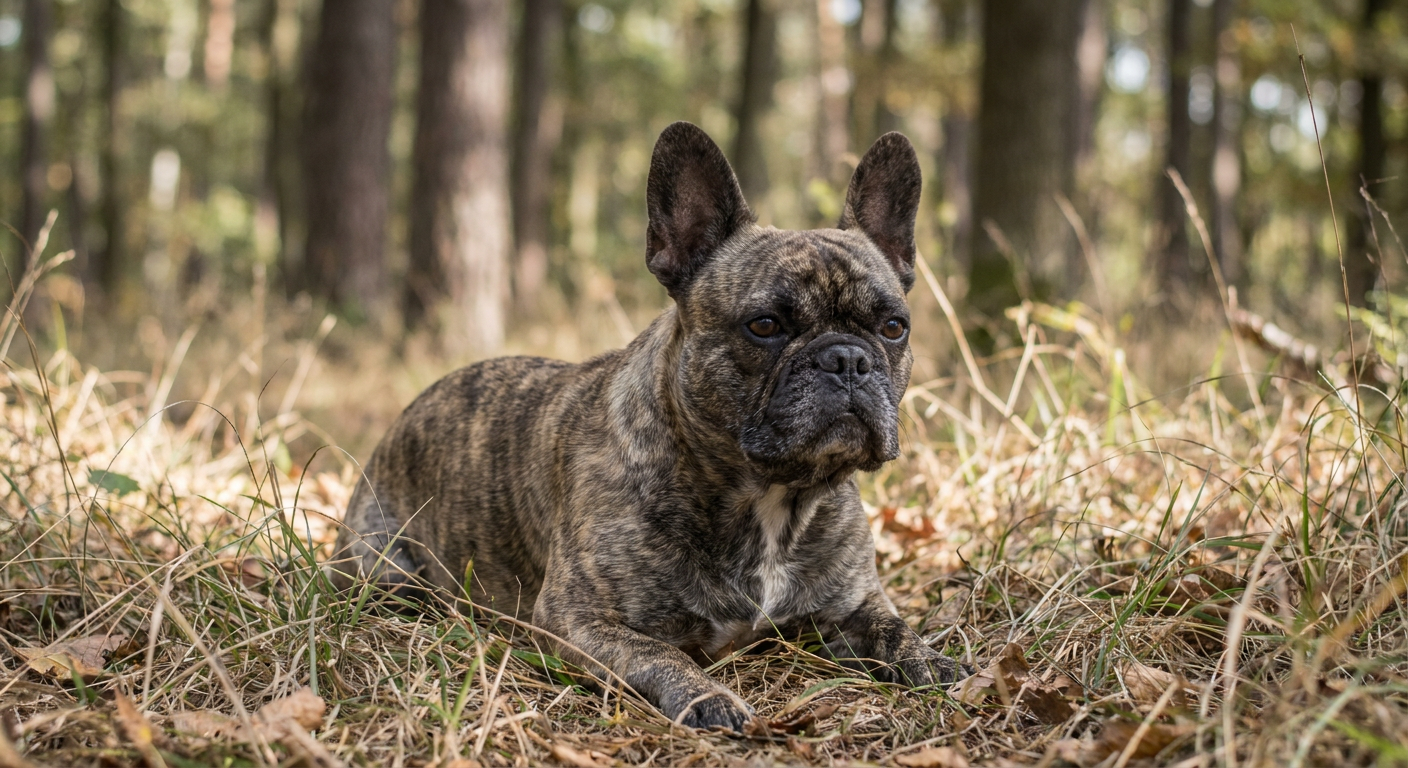
French Bulldog
America's #1 breed since 2022. Frenchies are charming, low-exercise, apartment-perfect companions with bat ears and a clownish personality. The trade-offs are serious: brachycephalic breathing problems, spinal disease, heat intolerance, and a price tag often above $3,000. Buy from health-screened breeders only.
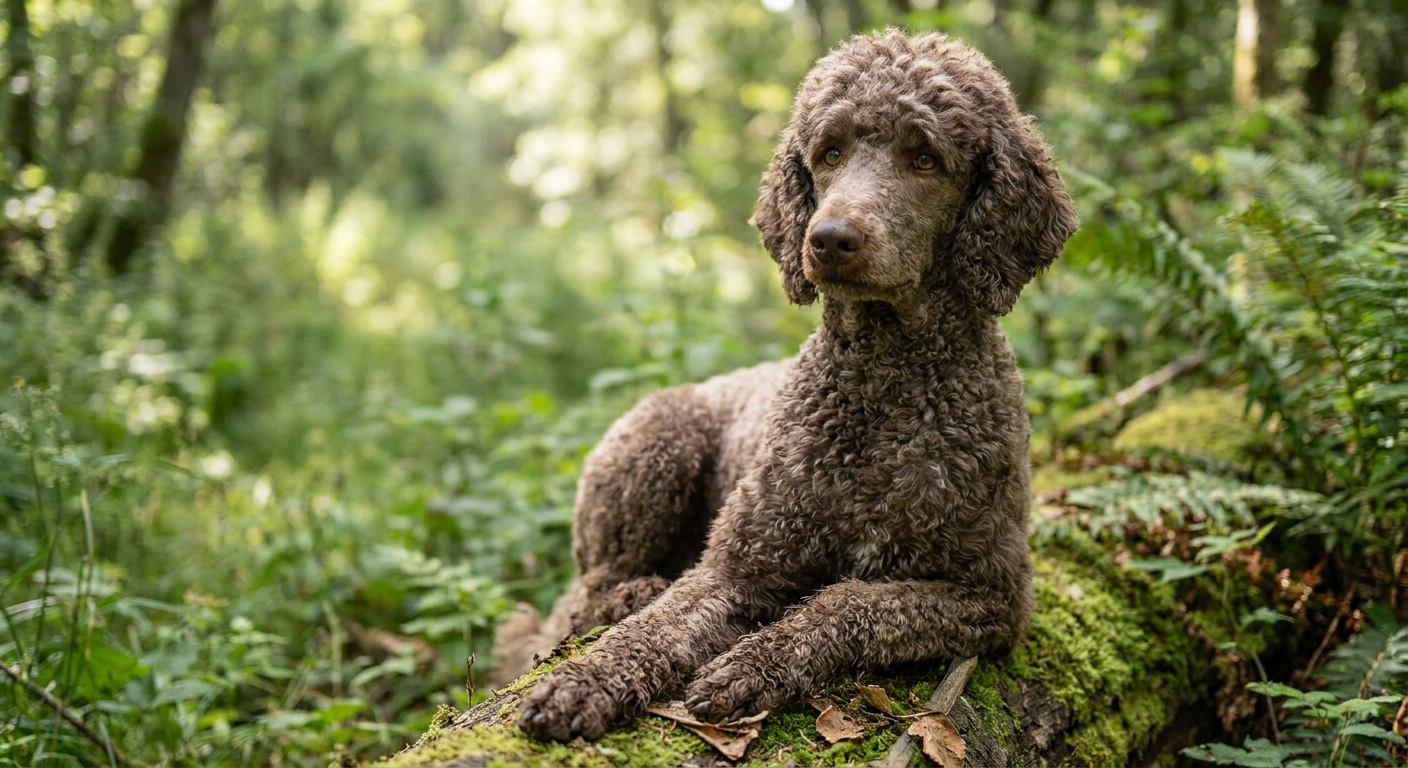
Standard Poodle
Smart, athletic, hypoallergenic — and far from the prissy show dog stereotype. Standard Poodles were originally water retrievers and remain one of the most trainable, versatile and long-lived large breeds. They're elegant indoors, athletic outdoors, and excellent with families. Coat care is the main commitment.
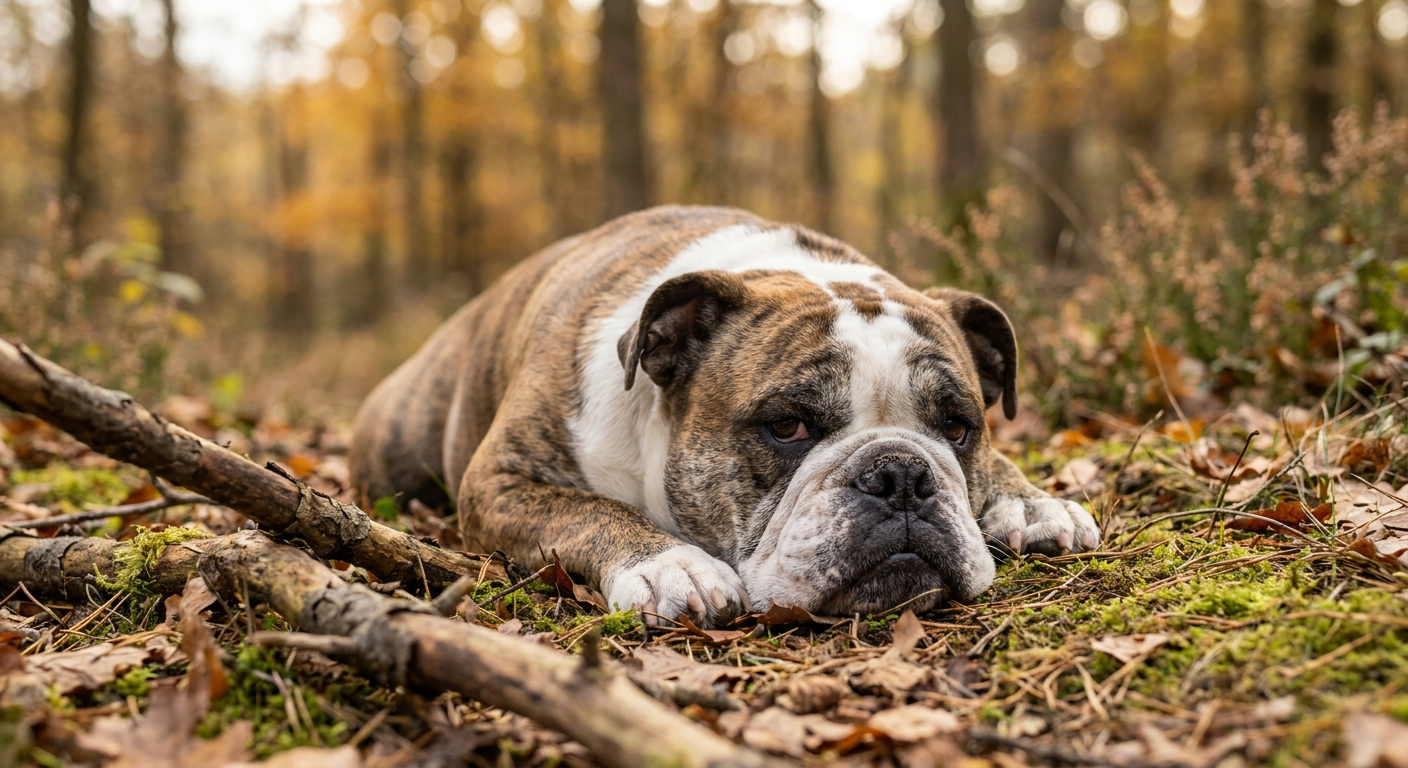
Bulldog (English Bulldog)
The wrinkled, gentle clown of the dog world. English Bulldogs are calm, affectionate, low-exercise companions who love kids and apartment life. The downside is significant: serious brachycephalic disease, joint issues, skin infections, and a shorter-than-average lifespan. Health-tested breeders are essential.
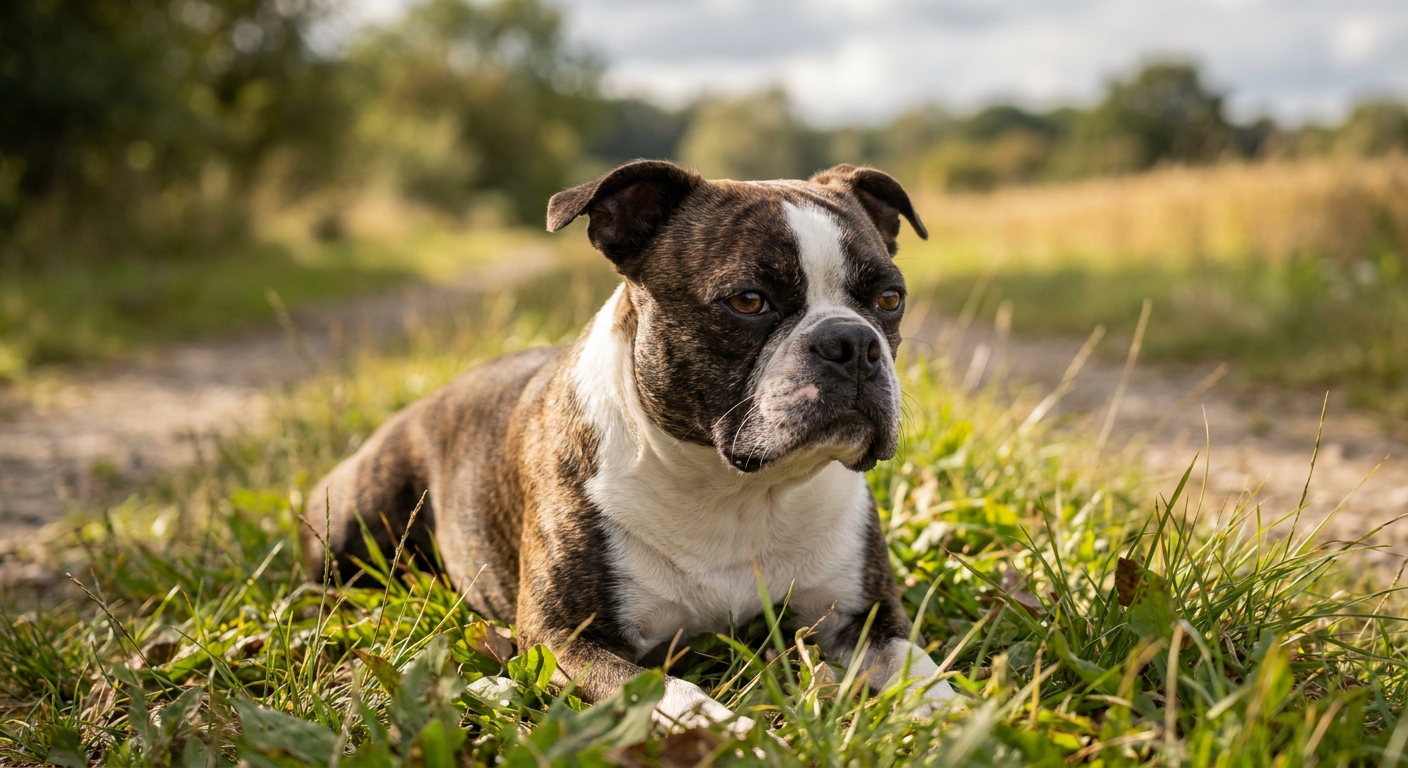
Boston Terrier
The Boston Terrier is a bright, affectionate "American Gentleman" perfect for city living. Their compact size and moderate energy are a great fit for many homes, including those with kids. However, new owners must be prepared for the significant health risks and management needs of a brachycephalic (flat-faced) breed, which can lead to high veterinary costs.
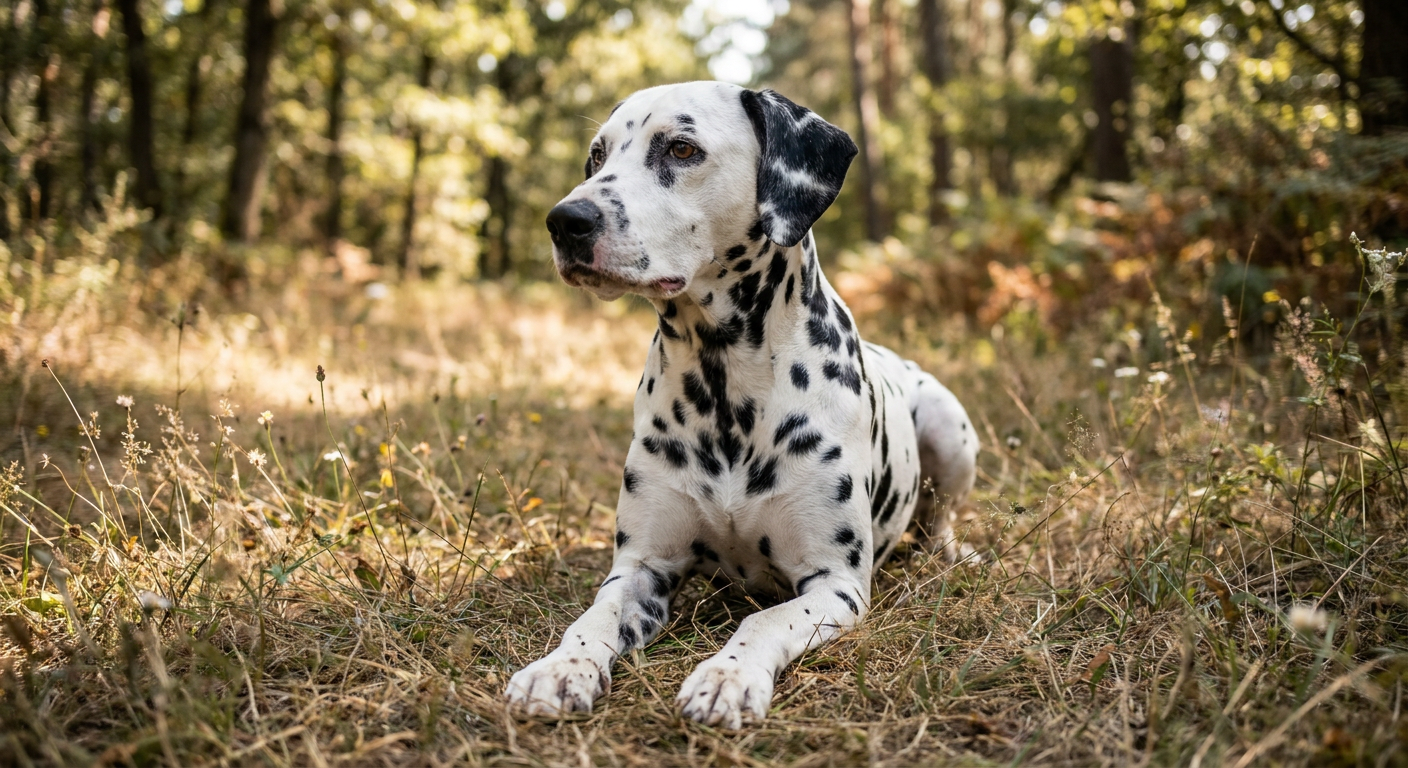
Dalmatian
The iconic Dalmatian is a handsome, high-energy dog known for its spotted coat. Originally bred for endurance, they require significant daily exercise (over 90 minutes) and consistent training to manage their intelligence and prevent behavioral issues. They can be good family dogs with older children, but their rambunctious nature and serious health predispositions, like deafness and urinary stones, require committed, experienced owners.
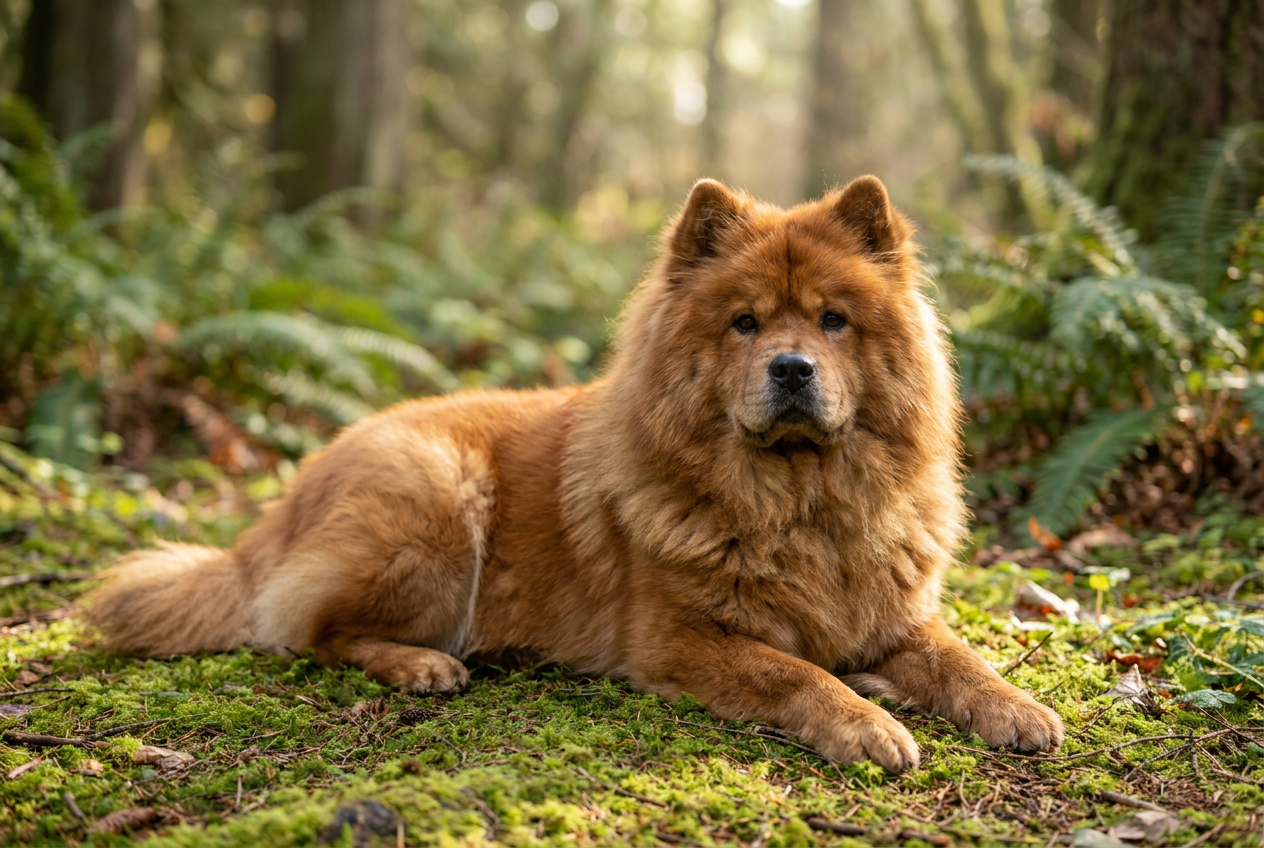
Chow Chow
The Chow Chow is an ancient, dignified breed known for its lion-like appearance and aloof personality. While immensely loyal to their family, they are wary of strangers and require extensive, early socialization. Their thick coat demands significant grooming. Not for novice owners, this independent breed needs a quiet home and an owner who understands their unique, cat-like temperament.
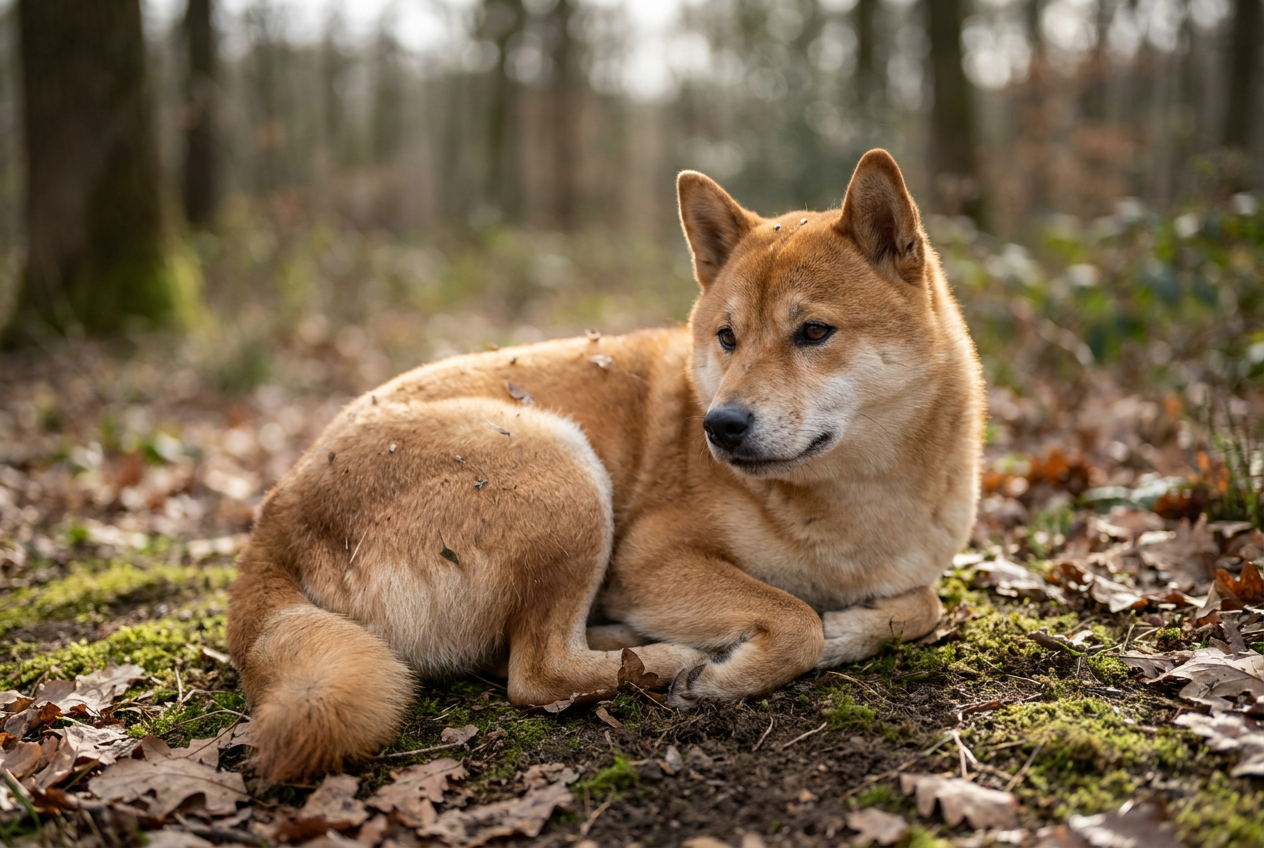
Shiba Inu
The Shiba Inu is a spirited and independent breed from Japan, often described as “cat-like.” While intelligent and loyal, they are not for beginners. Their stubborn nature and high prey drive require experienced handling and a secure leash at all times. Expect significant seasonal shedding and a vocal personality, including the infamous “Shiba scream.” They are best suited for patient owners.
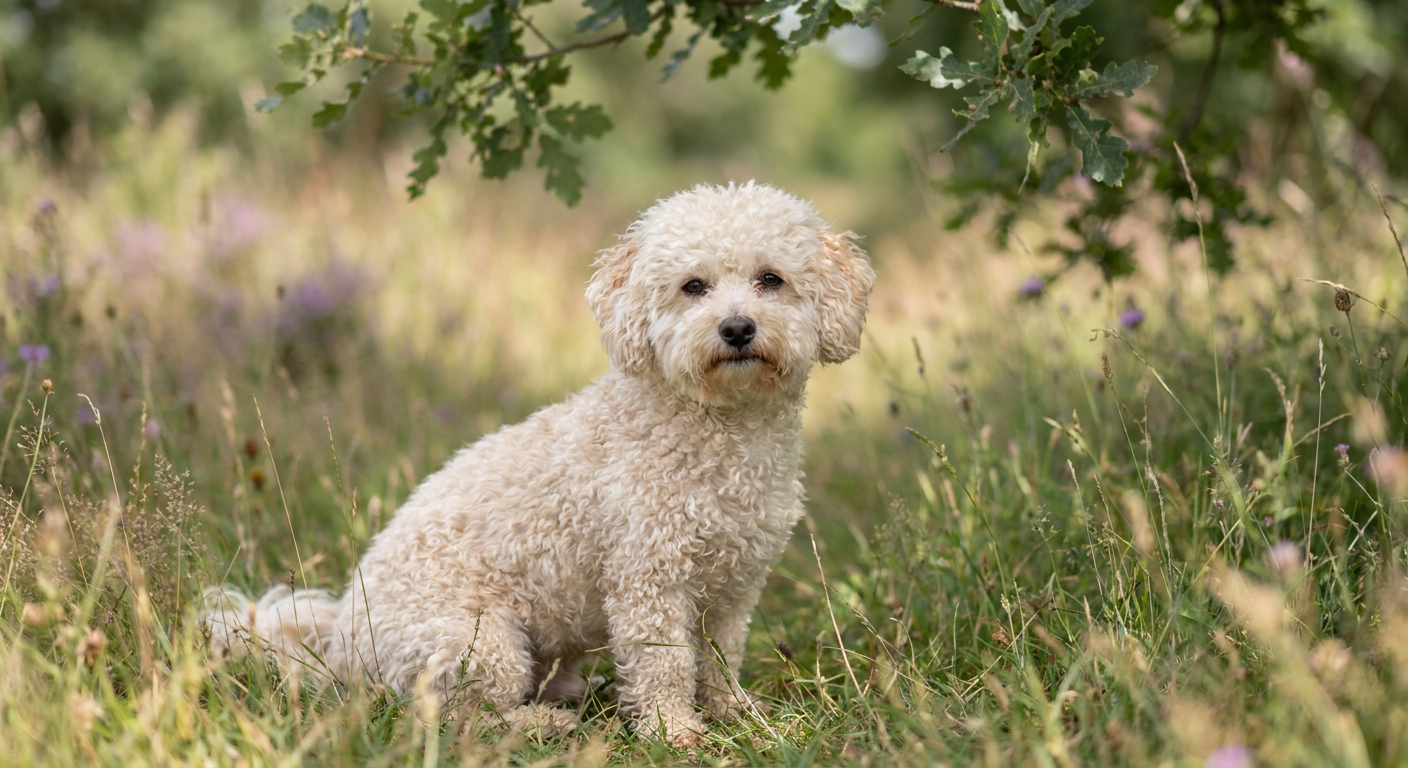
Bichon Frise
The Bichon Frise is a charming, intelligent, and playful companion ideal for families and apartment dwellers. While their low-shedding coat is a plus for allergy sufferers, it demands rigorous daily grooming and professional care to prevent painful mats. They are prone to separation anxiety and certain health issues like bladder stones and allergies, making them a significant commitment for a first-time owner.
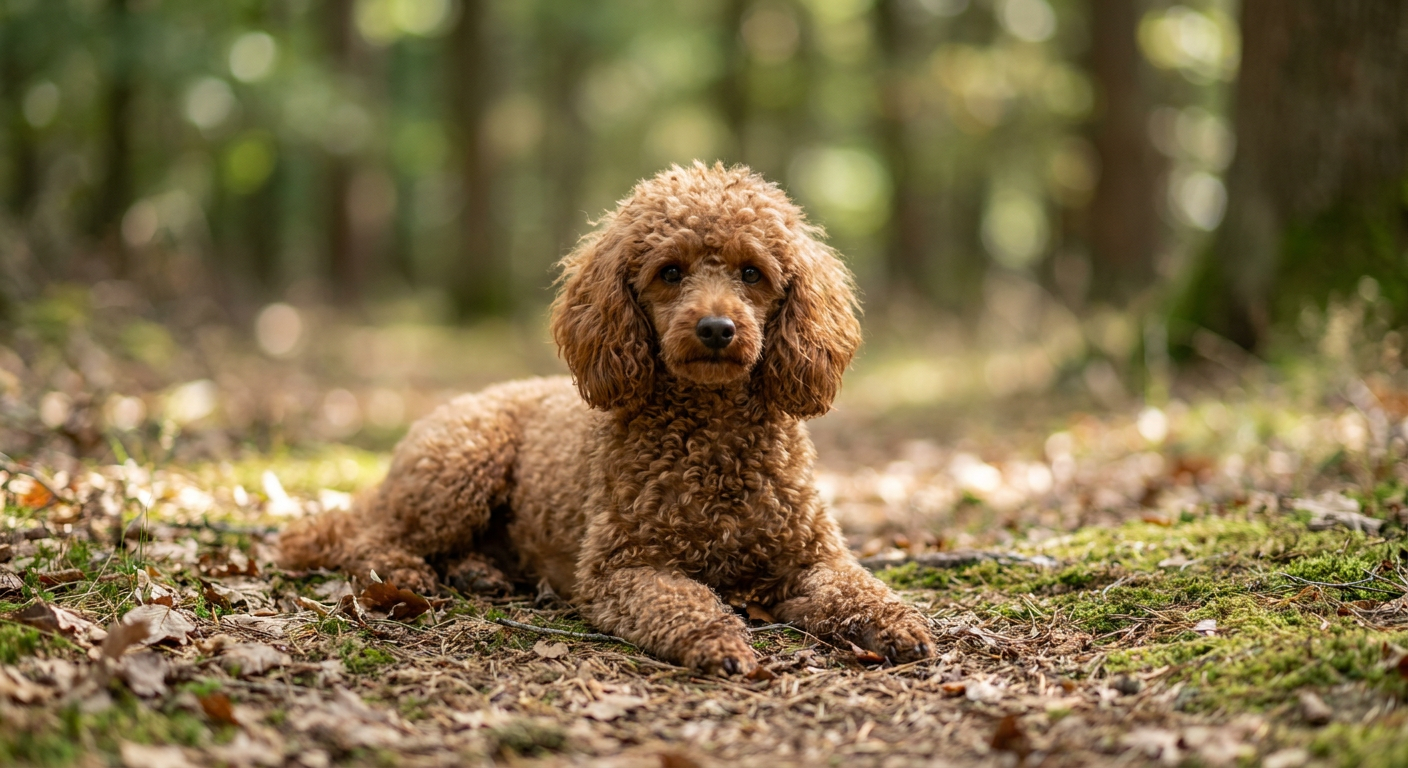
Miniature Poodle
The middle Poodle size — between Standard and Toy, standing 10–15 inches tall. Mini Poodles combine the breed's famous intelligence and trainability with a manageable size that suits most homes. Hypoallergenic curly coat sheds minimally but needs professional grooming every 4–6 weeks.
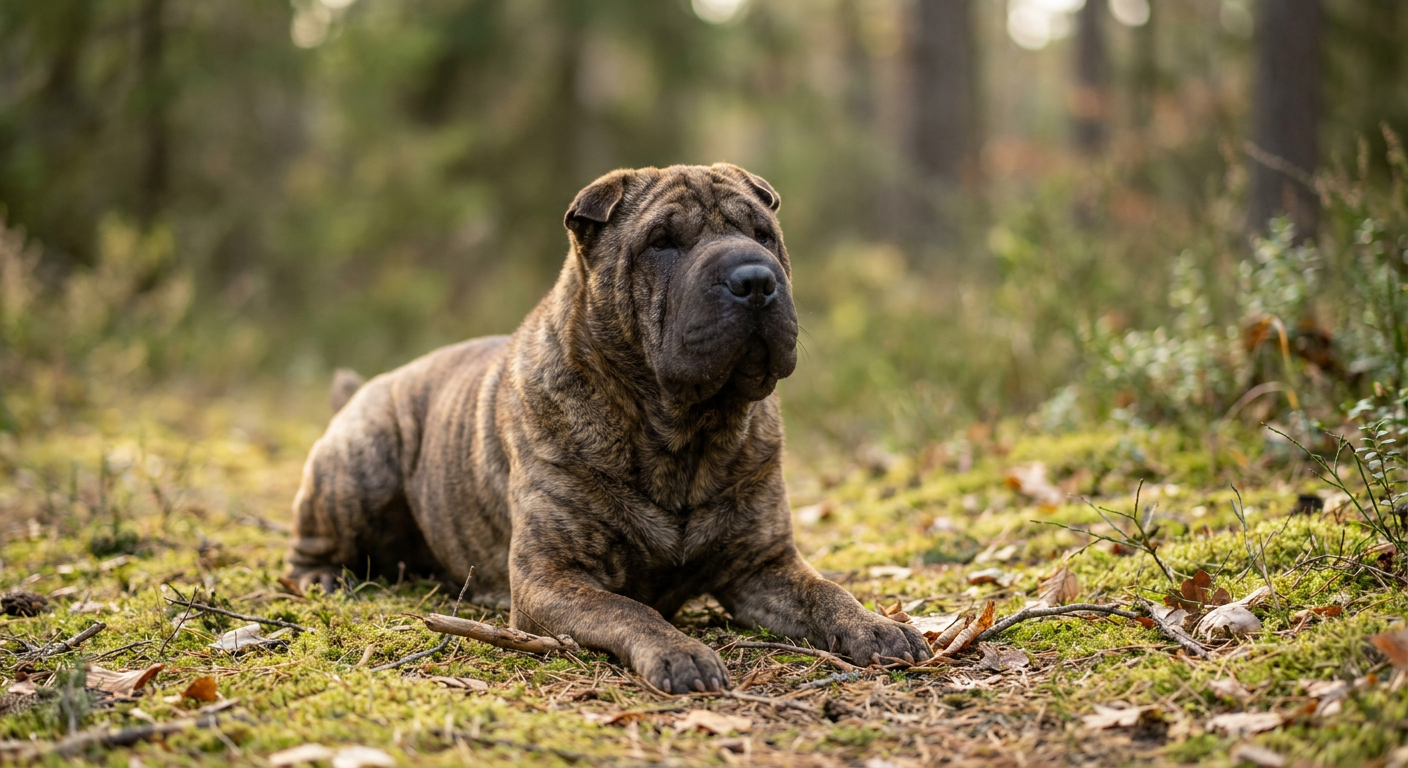
Chinese Shar-Pei
The deeply wrinkled 'sand skin' breed from southern China — once nearly extinct, now beloved for its unique appearance. Shar-Pei are calm, devoted and naturally suspicious of strangers. They have many breed-specific health issues (skin, eyes, fever syndrome) and require an owner who'll commit to wrinkle care and watchful health monitoring.
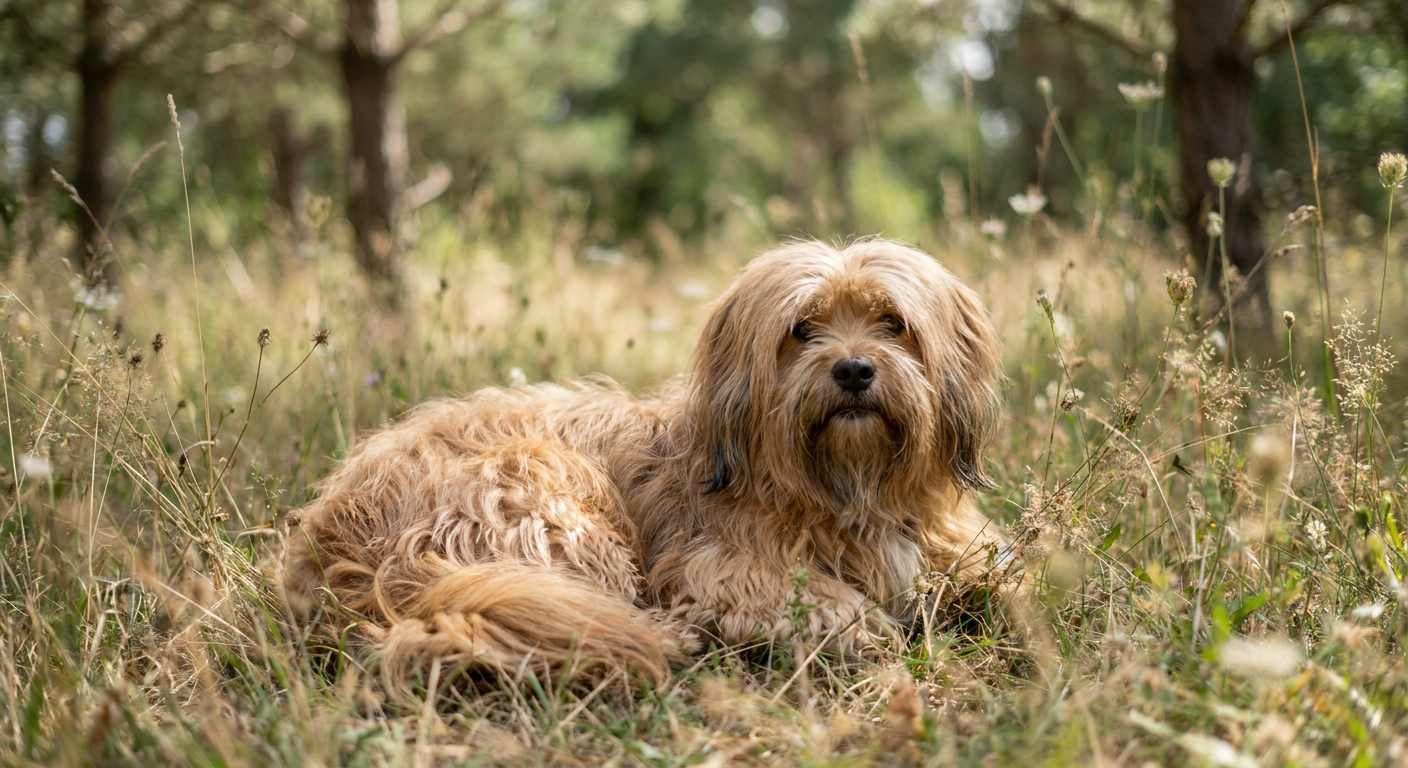
Lhasa Apso
An ancient Tibetan breed bred in monasteries as 'sentinel dogs' to alert monks to intruders. Lhasas are confident, alert, and deeply loyal to family while reserved with strangers. The flowing double coat needs daily care, and their independent terrier-like personality calls for patient, consistent training.
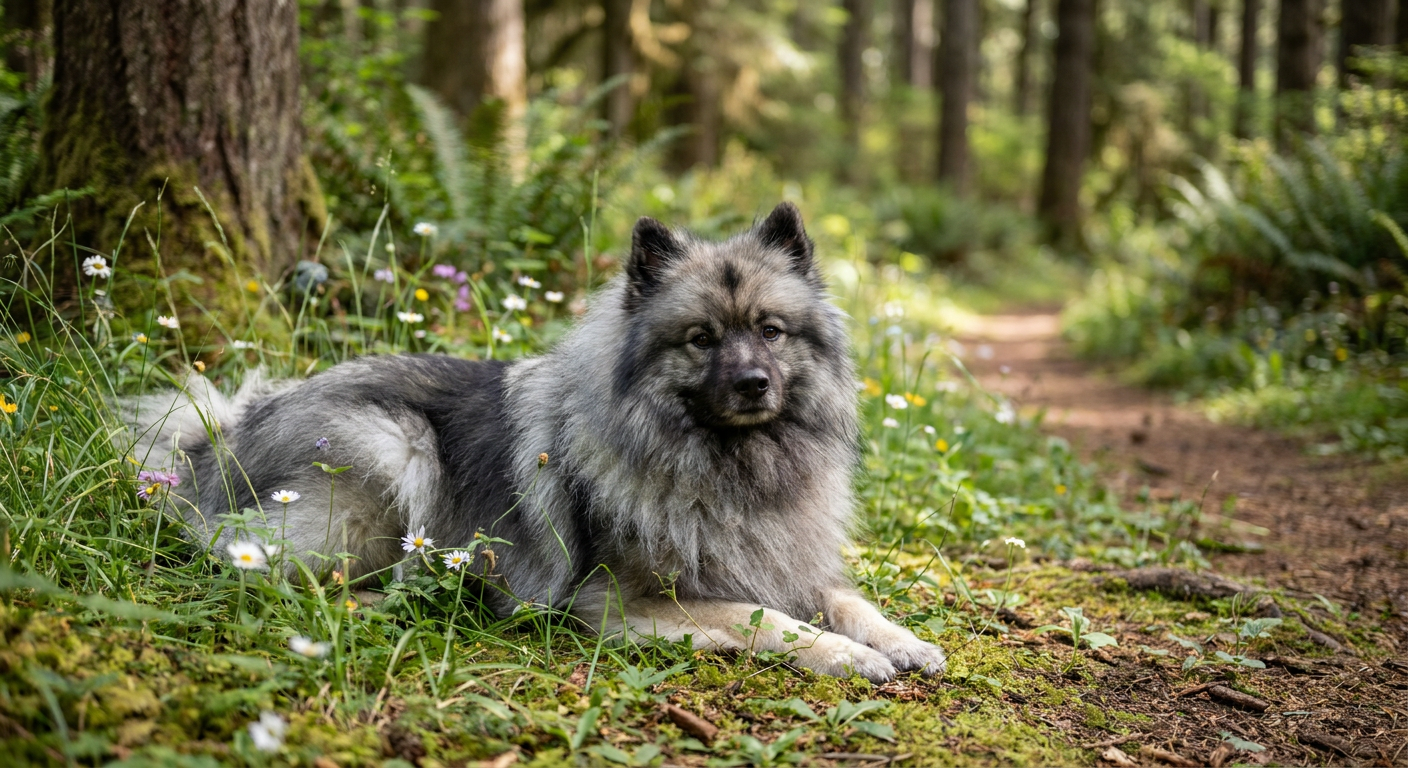
Keeshond
The 'smiling Dutchman' — a medium spitz breed and Holland's national dog, famous for the distinctive 'spectacles' marking around the eyes. Keeshonds are friendly, outgoing and devoted family dogs. They need 60 minutes of daily exercise and brush a heavy double coat that sheds prodigiously twice a year.
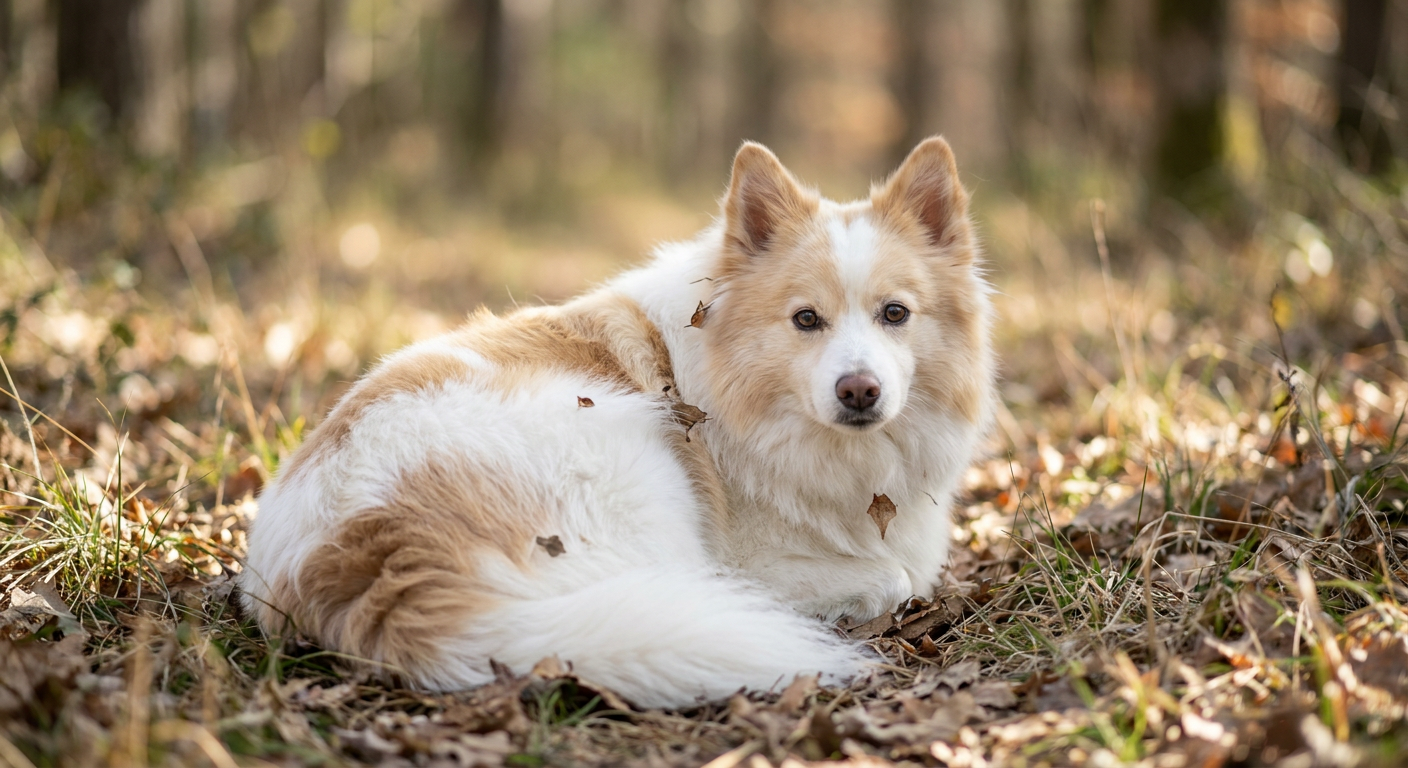
American Eskimo Dog
Despite the name, this breed is German in origin — descended from German Spitz dogs brought by 19th-century immigrants. 'Eskies' are smart, alert and active spitz-type dogs in three sizes (toy, miniature, standard). They shed heavily, bark readily, and excel at dog sports.
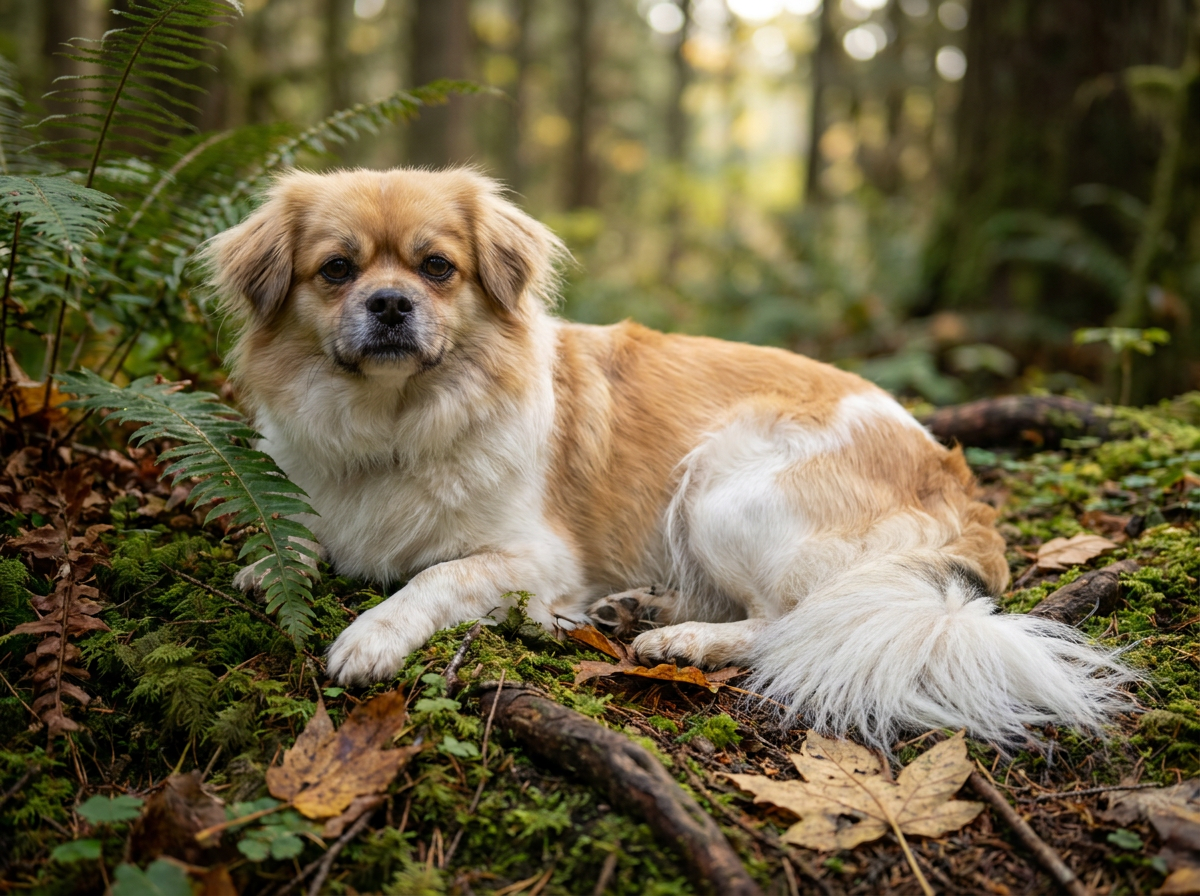
Tibetan Spaniel
Small, sturdy, and highly observant, this ancient breed is characterized by its feline personality and 'sentinel' instincts. Unlike true hunting spaniels, they were bred for companionship and monastery watch-duty. They are adaptable, requiring moderate exercise and minimal grooming, making them excellent companions for apartment dwellers and families alike.
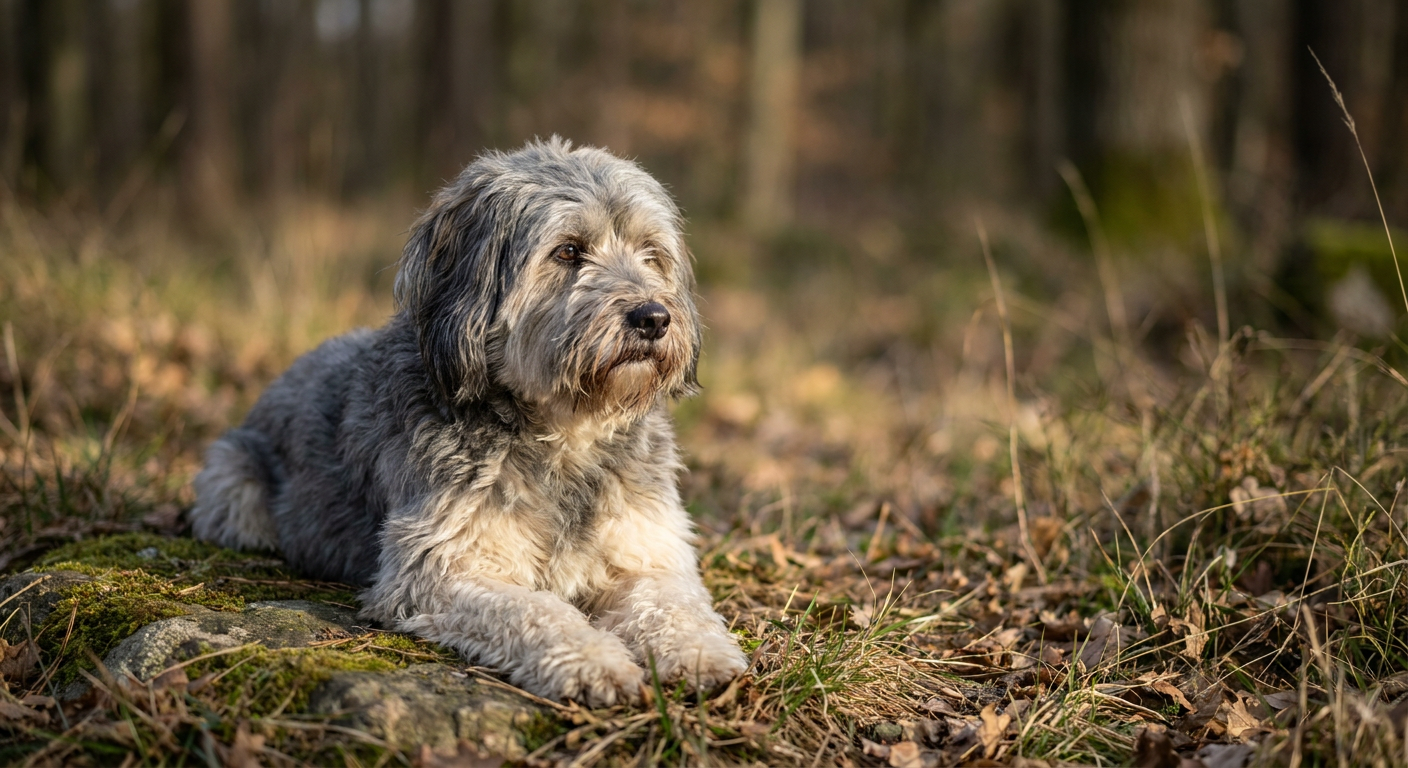
Tibetan Terrier
A robust, medium-sized companion known for its 'snowshoe' feet and profuse double coat. Originally bred in monasteries as good-luck charms, they are sensitive, intelligent, and highly adaptable. While not true terriers, they are athletic and agile, requiring moderate exercise and significant grooming. They are excellent family dogs that may be initially wary of strangers.
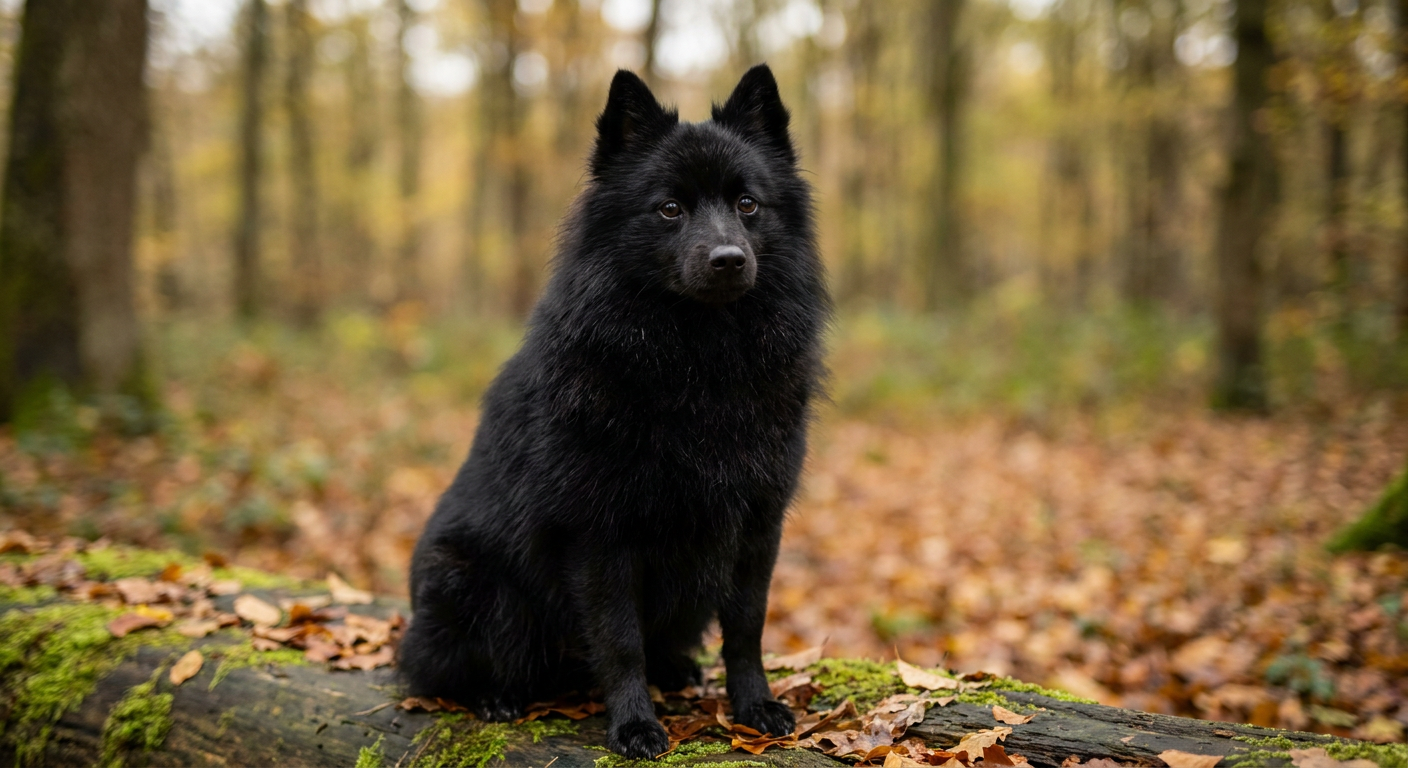
Schipperke
A small, agile watchdog known for its distinctive black double coat and fox-like expression. Originally barge dogs in Belgium, they are high-energy, confident, and highly intelligent. They require significant mental and physical stimulation to prevent boredom but are deeply loyal companions to active owners who appreciate a big personality in a small package.
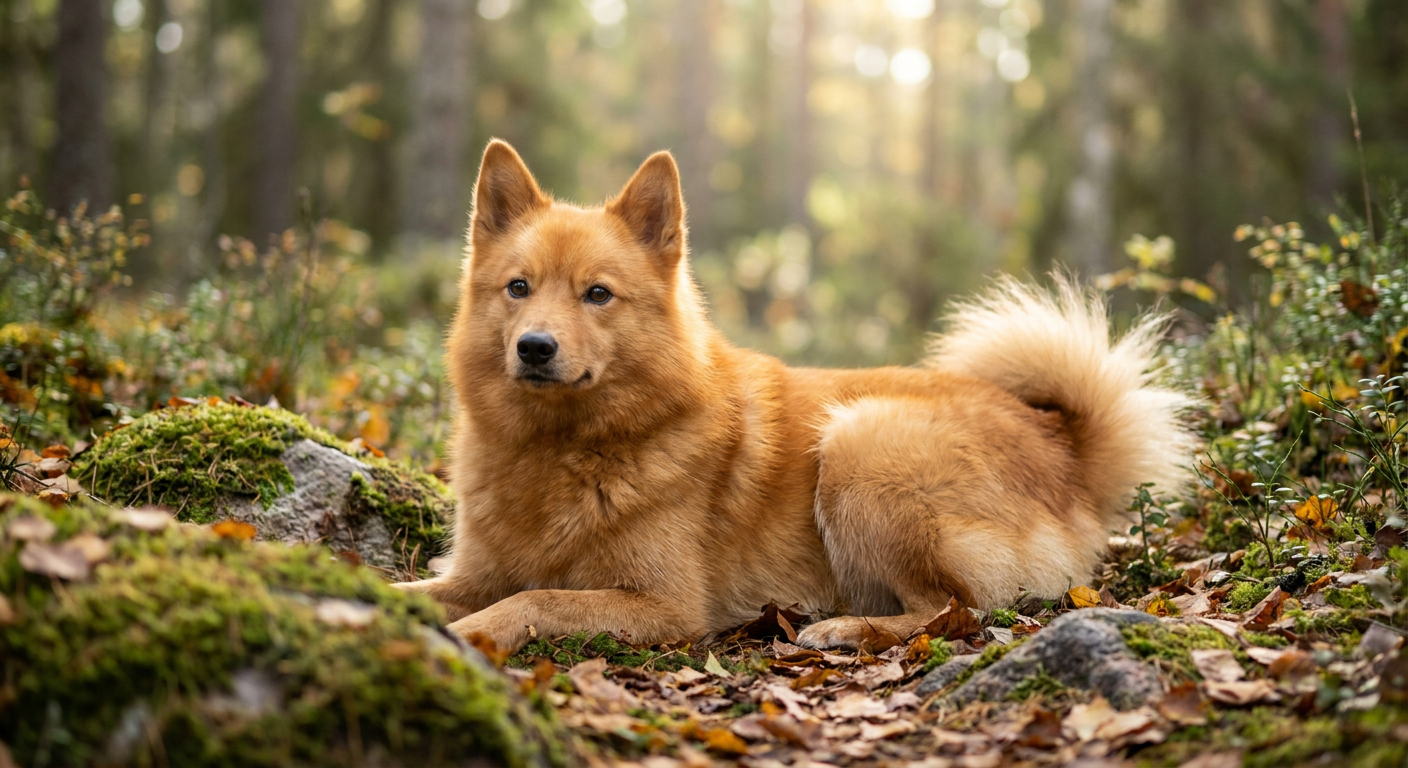
Finnish Spitz
A fox-like, medium-sized spitz known as the 'Bark Pointer' of Finland. This breed is characterized by its vibrant red-gold coat, prick ears, and curled tail. They are intelligent, energetic, and highly vocal hunting companions that require consistent engagement and active lifestyles. While loyal to family, they maintain an independent streak typical of northern breeds.
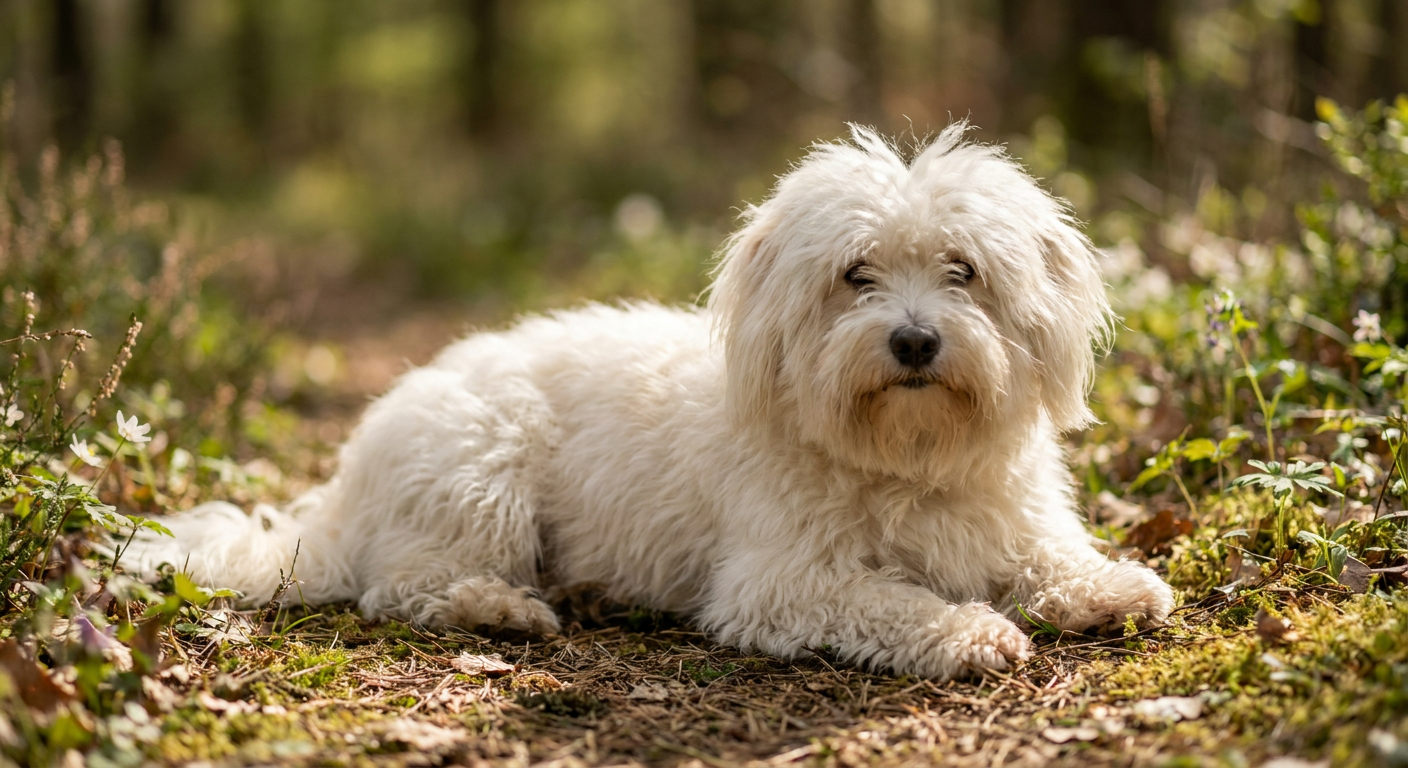
Coton de Tulear
A charming, small companion breed known for its distinctive cotton-like white coat and bright, expressive personality. Highly social and long-lived, these dogs function as dedicated family members. They require significant grooming maintenance but reward owners with a merry, adaptable temperament suitable for various living environments, though they dislike solitude.
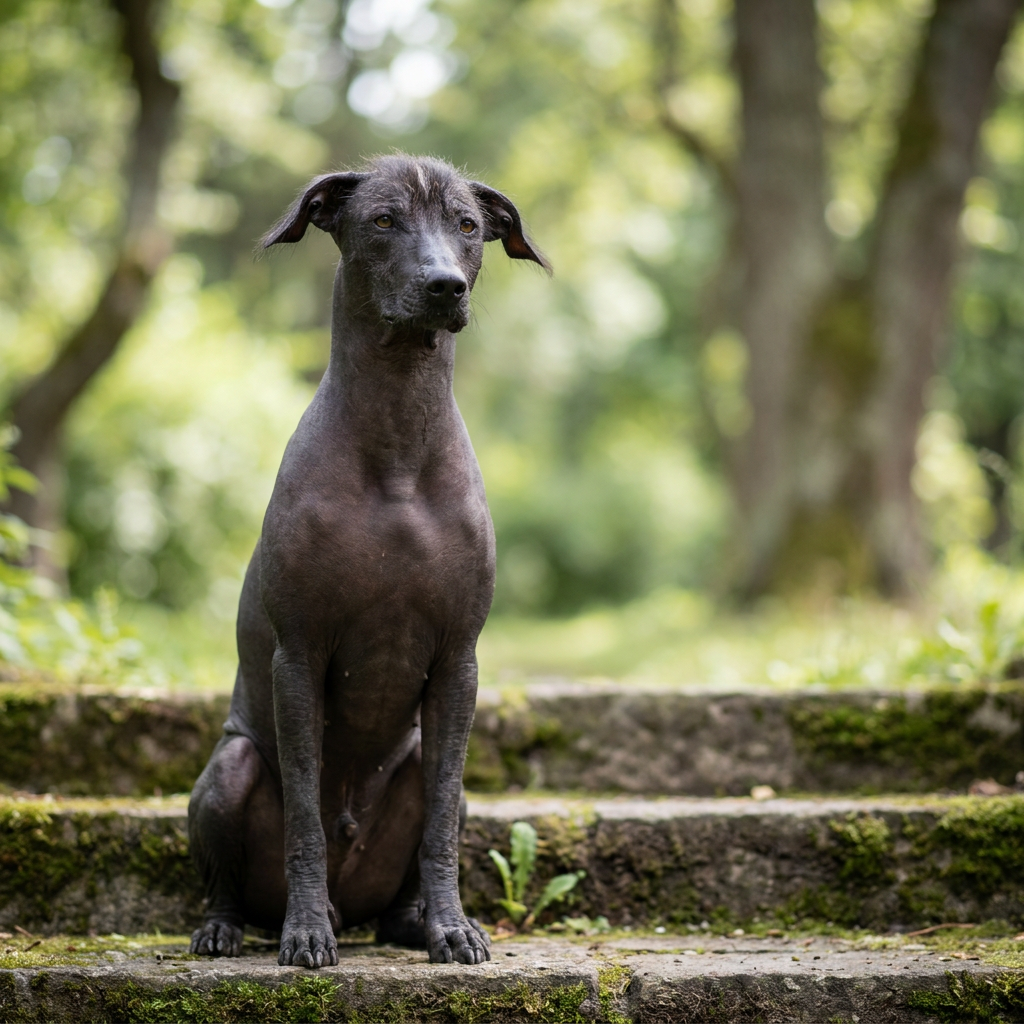
Xoloitzcuintli
This ancient, "primitive" breed exists in Toy, Miniature, and Standard sizes, with both hairless and coated varieties. Known for their calm demeanor and loyalty, they are excellent companions for attentive owners. They require specific skin care and protection from the elements but are generally hardy, long-lived dogs with a noble, quiet presence.
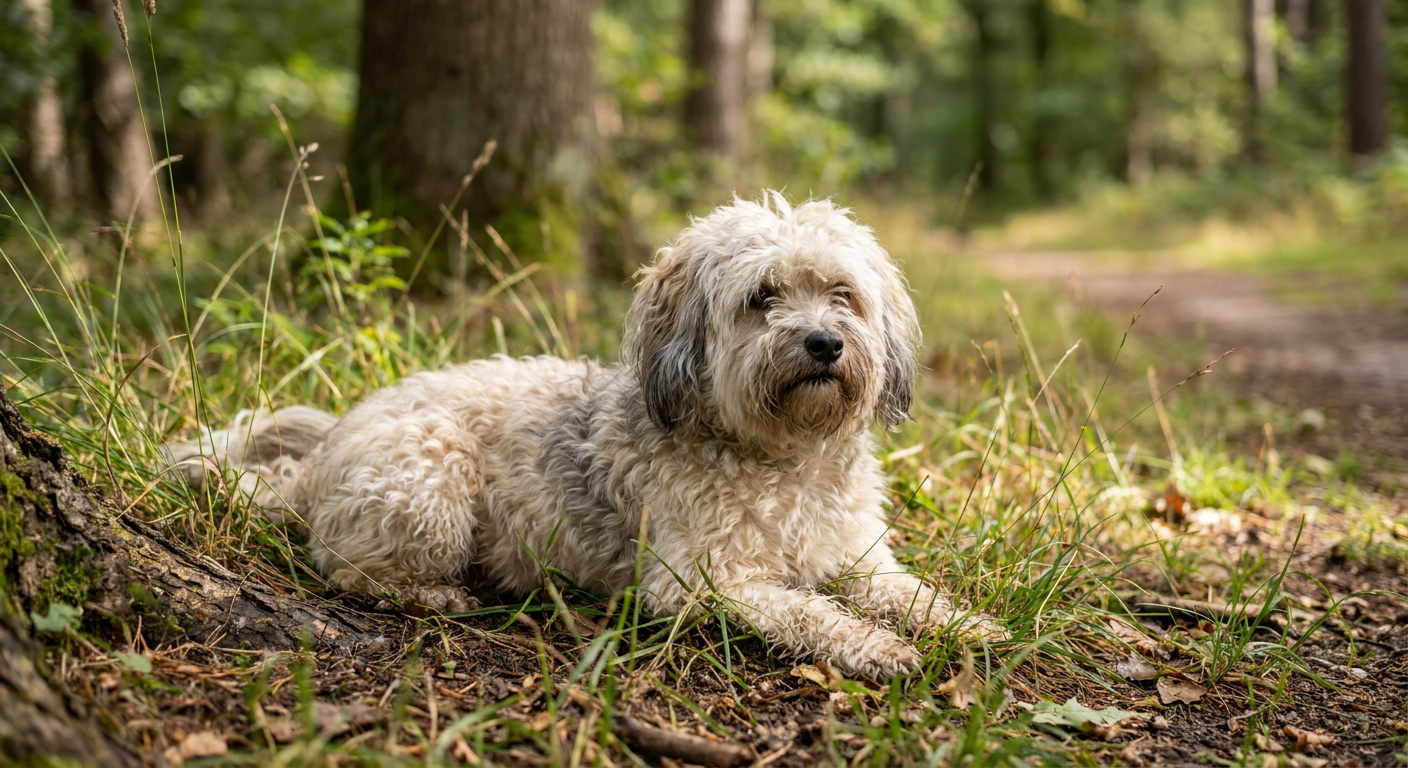
Löwchen
A robust, small companion dog known for its traditional 'lion trim' and affectionate nature. Brave yet gentle, they are highly trainable and excel in both agility and companionship. Despite their rarity, they are hardy dogs that thrive on human interaction and adapt well to various living situations, making them excellent family pets.
Non-Sporting Group FAQs
What is the Non-Sporting Group?
It's an AKC classification for breeds that don't fit Sporting, Working, Herding, Terrier, Hound or Toy categories. Members include the French Bulldog (the U.S.'s most popular breed), Standard Poodle, Bichon Frise, Boston Terrier, Dalmatian and Bulldog.
Are Non-Sporting breeds good for first-time owners?
Many are — Bichon Frises, Boston Terriers and Standard Poodles are forgiving, trainable family dogs. Bulldog-type breeds need more medical management; Chow Chows and Shar-Peis demand experienced handlers.
Are any Non-Sporting breeds hypoallergenic?
Poodles and Bichon Frises shed minimally and are commonly recommended for allergy households. No dog is truly hypoallergenic, but their tightly curled coats trap dander rather than releasing it.