History & Origin
The Bichon Frise descends from ancient water spaniels in the Mediterranean, specifically from the island of Tenerife. Italian and Spanish sailors used them as trade items, and they became favorites of European nobility in the 13th century. After falling out of favor, they found new life as street performers and circus dogs. The breed was nearly lost during the World Wars but was carefully revived in France and Belgium. The official breed standard was adopted in France in 1933. They were brought to the United States in the 1950s and were officially recognized by the AKC in 1972, joining the Non-Sporting Group.
Temperament & Personality
A quintessential "personality" dog, the Bichon Frise is renowned for its cheerful and mischievous disposition. They are playful, curious, and thrive on being the center of attention. This breed is highly sociable and forms strong attachments to their families, which can sometimes lead to separation anxiety if left alone for too long. While generally agreeable and friendly towards strangers, children, and other pets, their intelligence and independent streak mean consistent training from a young age is essential to curb potential willfulness.
Health Watchouts
Top conditions reported by AKC parent clubs, OFA, and the Merck Veterinary Manual. Discuss screening with your vet — especially before breeding or insuring.
Allergic Dermatitis (Atopy)
Very CommonAn inherited predisposition to develop allergic symptoms from inhaled or contact allergens like pollen, mold, or dust mites. It manifests as intense itching, scratching, licking (especially at the paws), and recurrent skin and ear infections. Management is lifelong and may involve special diets, medications like Apoquel or Cytopoint, and allergy testing.
Screening: Diagnosis is based on clinical signs and ruling out other causes of itch. Intradermal or blood allergy testing can identify specific triggers.
Urolithiasis (Bladder Stones)
CommonThe breed is predisposed to forming calcium oxalate bladder stones, which can cause urinary blockage, a life-threatening emergency. Signs include straining to urinate, blood in urine, and frequent urination. The Orthopedic Foundation for Animals (OFA) reports that Bichons are 13 times more likely than the average dog to develop these stones. Management may require surgical removal and a specific therapeutic diet.
Screening: Regular urinalysis is crucial for early detection of crystal formation. Ultrasound can confirm the presence of stones.
Patellar Luxation
Common (OFA reports 8.5% abnormal)A condition where the kneecap (patella) dislocates or pops out of its normal position. It is very common in small breeds and can range from mild (causing an occasional skip in the dog's step) to severe, leading to chronic lameness, pain, and arthritis. Severe cases require surgical correction.
Screening: A veterinarian can diagnose this during a physical exam. OFA certification is recommended for breeding animals.
Cataracts
Moderately CommonAn opacity in the lens of the eye that can lead to vision loss and blindness. Hereditary cataracts can appear in Bichons at a relatively young age (juvenile cataracts). While some cataracts are small and don't significantly impair vision, others are progressive and may require surgical removal by a veterinary ophthalmologist.
Screening: Annual eye exams by a board-certified veterinary ophthalmologist (ACVO). A CAER (Companion Animal Eye Registry) exam is recommended for breeding stock.
Periodontal Disease
Extremely CommonLike many small breeds, Bichons are highly susceptible to dental disease. Plaque and tartar buildup leads to gingivitis and eventually periodontitis, which destroys the supporting structures of the teeth, causing pain and tooth loss. The bacteria can also enter the bloodstream and affect organs like the heart and kidneys.
Screening: Daily tooth brushing is the gold standard for prevention. Regular professional dental cleanings under anesthesia are necessary to treat and prevent progression.
Exercise Needs
The Bichon Frise has moderate exercise needs, typically satisfied with 20-40 minutes of activity per day. They enjoy short, brisk walks and have playful bursts of energy often called "Bichon Blitzes" where they will frantically run around the house. Their needs are well-suited to apartment living, provided they get daily opportunities to stretch their legs and play.
- Daily walks
- Fetch with soft toys
- Indoor play sessions
- Puzzle toys
Nutrition
Daily calories: 300-500 kcal/day
Feed a high-quality, balanced commercial dog food appropriate for their age and activity level. Due to their high risk for bladder stones, consistent access to fresh water is critical to keep urine dilute. Because of their susceptibility to dental disease, a diet with a VOHC (Veterinary Oral Health Council) seal of approval or daily tooth brushing is strongly advised.
Common allergens to watch: Chicken, Beef, Dairy, Wheat.
⚠ Bichons can easily become overweight, which puts extra strain on their joints (worsening patellar luxation) and can contribute to other health problems. Owners must practice portion control and avoid feeding table scraps. A lean body condition, where the ribs are easily felt but not seen, is the goal.
Entertainment & Enrichment
Being highly intelligent and social, Bichons need mental stimulation to prevent boredom and separation anxiety. Enrichment should focus on interactive play and problem-solving. A bored Bichon can become destructive or develop nuisance barking.
- Food-dispensing puzzle toys
- Short, fun training sessions to learn new tricks
- Nose work games to find hidden treats
- Regular social outings to see new people and dogs
- Chew toys designed for dental health
Grooming & Coat Care
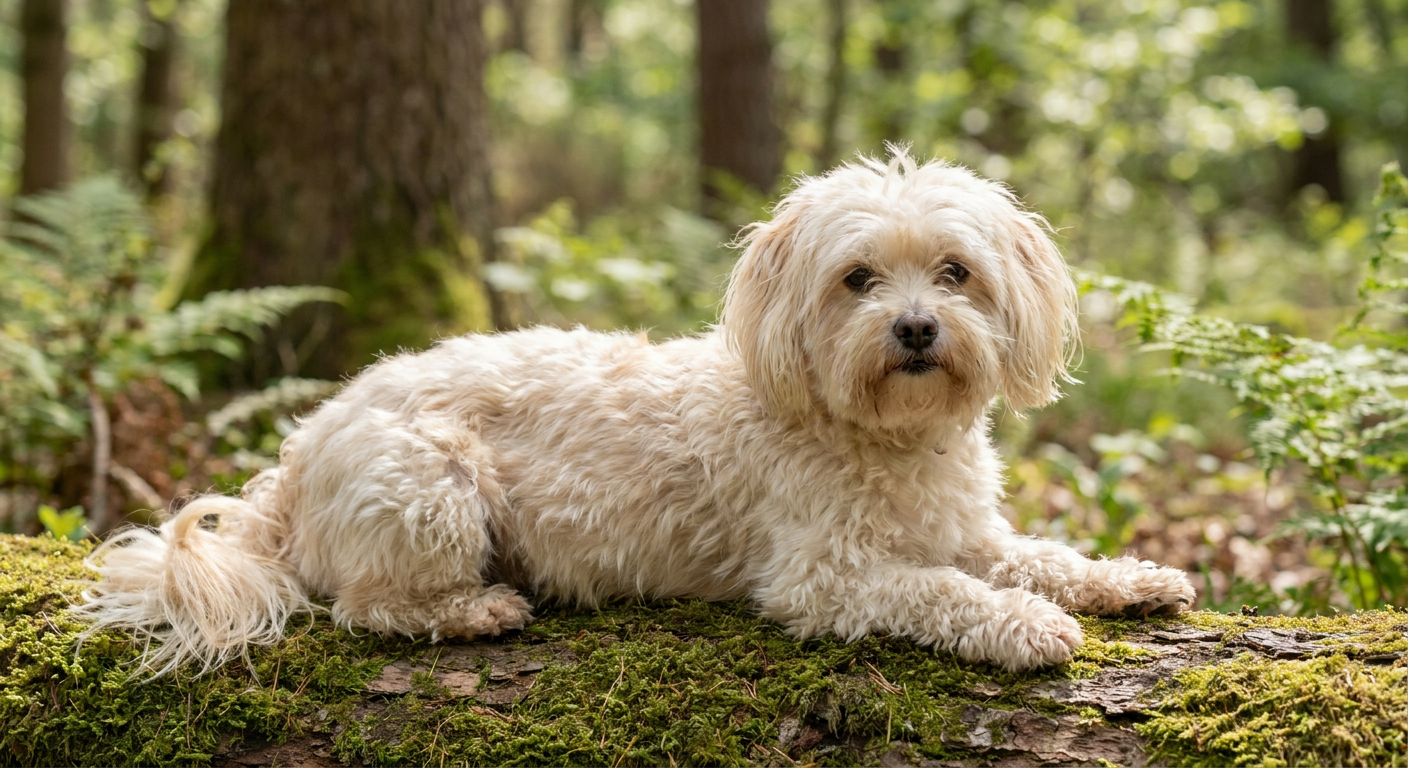
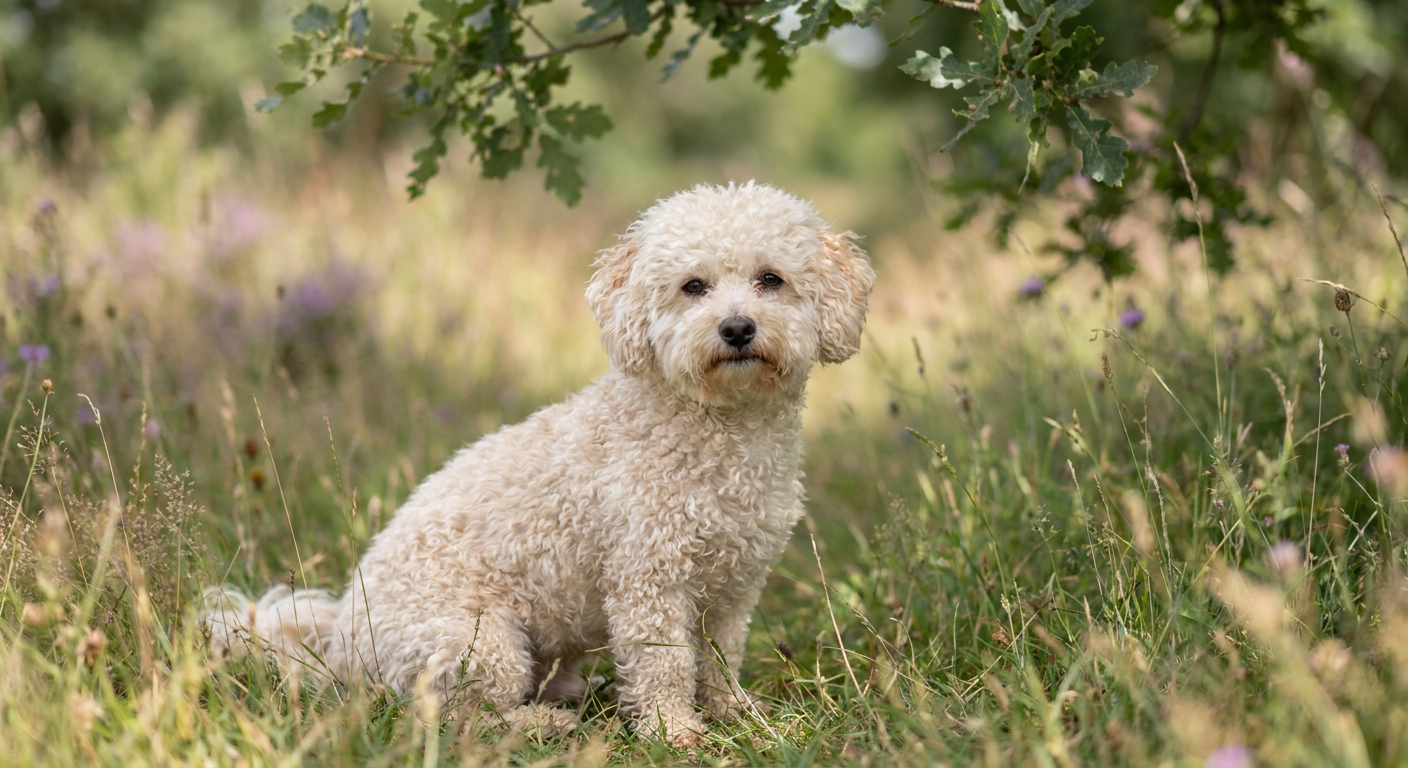
Grooming is the most significant aspect of Bichon care. Their soft, curly double coat grows continuously and does not shed much, leading to matting if not cared for. Daily brushing is absolutely essential to prevent painful mats that can pull on the skin and cause infections. A professional grooming session for a full clip is required every 4-6 weeks. Regular cleaning of the eye area is needed to manage tear staining.
Training
Bichons are intelligent and eager to please, which makes them highly trainable. However, they can have a stubborn streak. They respond best to positive reinforcement techniques using praise and treats. Early socialization and puppy training classes are vital. House training can sometimes be a challenge, requiring patience and consistency.
Cost of Ownership
Lifetime cost depends on size, lifespan, and health risks. Try our Lifetime Cost Calculator →
Cost band for Bichon Frise: high.
How insurance, vet care & grooming connect for the Bichon Frise
These three costs move together. The Bichon Frise’s coat, energy, and breed-specific health watchouts shape each one — here’s how they line up.
Insurance band
Common hereditary conditions raise claim odds
Vet service load
High activity raises orthopedic & injury visits
Grooming demand
Professional clipping every 6–8 weeks
Estimated monthly spend (typical adult)
Insurance
$85
Routine vet
$60
Grooming
$60
Combined estimate
~$205/mo(±20%, US averages)
* Estimates derived from breed traits (coat, energy, health watchouts, lifespan). Actual costs vary by location, age, and provider.
Living Situation Fit
The Bichon Frise is an excellent fit for owners who are home most of the day, including retirees, families with older children, or those who work from home. Their high grooming needs and potential for separation anxiety make them a poor choice for individuals with very busy schedules or those who cannot afford regular professional grooming. They thrive in apartments and houses alike, as long as their need for companionship is met.
Choosing a Puppy
When choosing a Bichon puppy, seek a reputable breeder who performs comprehensive health screening on their breeding stock. This includes OFA certifications for patellas and hips, and annual CAER eye exams to check for hereditary cataracts. A responsible breeder will provide a clean, stimulating environment and will ask you many questions to ensure you are a good fit for the breed.
Frequently Asked Questions
Are Bichon Frises good for first-time owners?
Yes, but with a major caveat. Their friendly nature and trainability are great for new owners, but the grooming commitment is non-negotiable and can be overwhelming. You must be prepared for the daily brushing and the recurring cost of professional grooming.
Do Bichon Frises bark a lot?
They can be prone to barking. They are alert little watchdogs and will bark at strangers, doorbells, or unfamiliar sounds. Training from an early age can help manage nuisance barking.
How do you prevent tear stains on a Bichon?
Tear staining is common due to hair irritation and blocked tear ducts. Keep the hair around the eyes trimmed short. Gently clean the area daily with a soft, damp cloth. In some cases, a filtered water source or a change in diet can help. Consult your veterinarian to rule out any underlying medical causes like blocked tear ducts or eye infections.
Can a Bichon Frise be left alone?
Not for long periods. They are bred as companion dogs and are prone to developing severe separation anxiety if consistently left alone for more than a few hours. This can result in destructive behavior and distress. This breed is best for households where someone is almost always home.