History & Origin
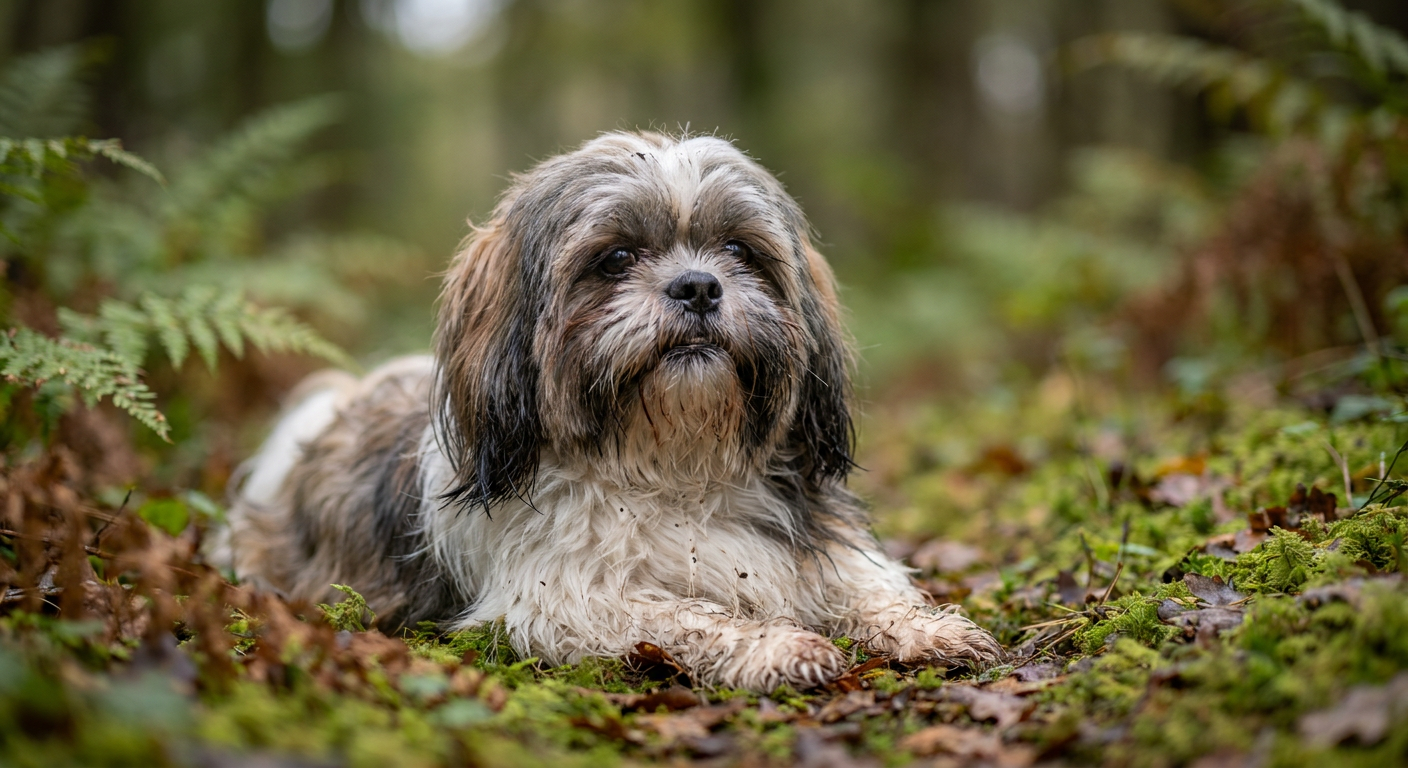
The Shih Tzu, whose name means "little lion," is an ancient breed with origins in the mountains of Tibet, where they were likely revered as holy dogs. They were gifted to Chinese emperors and became prized, pampered companions in the imperial court for centuries. The breed was so cherished that the Chinese refused to sell or trade them. It wasn
Temperament & Personality
The Shih Tzu is bred to be a companion and excels at the job. They are characteristically affectionate, outgoing, and charming. While generally playful and trusting, they can possess a stubborn streak inherited from their imperial ancestors. They expect to be treated like royalty and will happily reciprocate with devotion. They are alert and will bark at newcomers, but are not guard dogs. With proper socialization, they get along well with other pets and children who know how to handle a small dog respectfully.
Health Watchouts
Top conditions reported by AKC parent clubs, OFA, and the Merck Veterinary Manual. Discuss screening with your vet — especially before breeding or insuring.
Brachycephalic Obstructive Airway Syndrome (BOAS)
CommonDue to their flattened face, many Shih Tzus suffer from narrowed nostrils, an elongated soft palate, and a narrowed trachea. This can cause significant breathing difficulty, exercise intolerance, and overheating. Severe cases require corrective surgery.
Screening: Veterinary physical examination is used for diagnosis. Reputable breeders should focus on breeding for more moderate facial features.
Periodontal Disease
Very Common (>80% of small dogs over age 3)The combination of a small, crowded mouth and a genetic predisposition leads to rapid plaque and tartar buildup. This causes gingivitis, tooth decay, and eventual tooth loss, and can seed bacteria into the bloodstream.
Screening: Regular veterinary dental exams are crucial. Daily tooth brushing and professional cleanings under anesthesia are the cornerstones of prevention.
Keratoconjunctivitis Sicca (KCS) or "Dry Eye"
CommonAn autoimmune condition where the tear glands fail to produce enough tears, leading to a dry, painful, and inflamed cornea. If left untreated, it can lead to corneal ulcers and blindness. It requires lifelong medication.
Screening: A Schirmer Tear Test (STT) performed by a veterinarian can diagnose the condition. Any signs of eye discharge, redness, or squinting warrant a vet visit.
Patellar Luxation
Common (OFA reports 4.7% but clinical incidence is higher)The kneecap (patella) dislocates from its normal position in the groove of the femur. This is a hereditary condition common in toy breeds, causing a skipping gait, lameness, and predisposing the dog to arthritis and cruciate ligament tears.
Screening: A physical exam by a vet can diagnose the condition. The Orthopedic Foundation for Animals (OFA) provides certifications for breeding stock.
Intervertebral Disc Disease (IVDD)
CommonAs a chondrodystrophic (long-backed, short-legged) breed, Shih Tzus are prone to premature degeneration and herniation of the spinal discs. A ruptured disc can cause severe pain, nerve damage, and even paralysis.
Screening: There is no routine screening, but owners should be vigilant for signs of back pain, an arched back, or wobbly gait, and seek immediate veterinary care if they occur.
Exercise Needs
Shih Tzus have minimal exercise requirements, with 20-30 minutes of activity per day being sufficient. This should consist of a short daily walk and some indoor playtime. Due to their brachycephalic (flat-faced) nature, they are highly susceptible to overheating. Avoid exercise in hot or humid weather and always watch for signs of respiratory distress.
- Short walks on a leash (harness recommended)
- Indoor fetch or tug-of-war
- Puzzle toys
- Gentle play in a fenced yard
Nutrition
Daily calories: 250-450 kcal/day, depending on age, weight, and activity level.
Feed a high-quality, complete, and balanced commercial dog food appropriate for their life stage. Use a measuring cup to provide consistent meals and prevent overfeeding. Splitting the daily amount into two meals can help maintain energy levels and prevent an empty stomach.
Common allergens to watch: Chicken, Beef, Dairy.
⚠ This breed is highly prone to obesity, which severely worsens breathing difficulties from BOAS, increases the risk of IVDD, and puts extra strain on joints affected by patellar luxation. Maintaining a lean body condition score (4/9 or 5/9) is one of the most critical aspects of their healthcare.
Entertainment & Enrichment
Shih Tzus are true companion dogs who need to be part of the family. They become distressed if left alone for long periods. Their enrichment comes from interaction and gentle mental challenges. This prevents boredom, separation anxiety, and unwanted behaviors like nuisance barking.
- Food puzzle toys or snuffle mats for meals
- Short, positive reinforcement training sessions
- Scent work games (hiding treats)
- Cuddling on the couch
- Being included in family activities
Grooming & Coat Care
Grooming is a significant commitment. A long, flowing coat requires daily brushing with a pin brush and comb to prevent mats. Many owners opt for a professional "puppy cut" every 4-6 weeks, which is more manageable. The face must be cleaned daily to wipe away food debris and prevent tear stains. Regular nail trims and daily tooth brushing are essential.
Training
Shih Tzus are intelligent but have a stubborn streak, which can make training a test of patience. House training is a notoriously common challenge. They respond best to positive reinforcement techniques using praise and treats. Early and consistent socialization is vital to ensure they grow into well-adjusted adults. Keep training sessions short and fun to hold their attention.
Cost of Ownership
Lifetime cost depends on size, lifespan, and health risks. Try our Lifetime Cost Calculator →
Cost band for Shih Tzu: medium.
How insurance, vet care & grooming connect for the Shih Tzu
These three costs move together. The Shih Tzu’s coat, energy, and breed-specific health watchouts shape each one — here’s how they line up.
Insurance band
Brachycephalic or giant-breed risk profile
Vet service load
Several conditions worth annual screening
Grooming demand
Professional clipping every 6–8 weeks
Estimated monthly spend (typical adult)
Insurance
$85
Routine vet
$45
Grooming
$60
Combined estimate
~$190/mo(±20%, US averages)
* Estimates derived from breed traits (coat, energy, health watchouts, lifespan). Actual costs vary by location, age, and provider.
Living Situation Fit
The Shih Tzu is an excellent apartment dog, thriving in smaller living spaces as long as they are with their people. They are not suited to living outdoors. Their ideal home is with an owner who is home most of the time and is prepared for the intensive grooming and potential veterinary expenses this brachycephalic breed requires.
Choosing a Puppy
When choosing a puppy, seek a reputable breeder who performs health screenings on their breeding stock for hereditary issues like luxating patellas (OFA) and eye conditions (CERF). A responsible breeder will prioritize health and temperament, aiming for more moderate facial features to lessen the severity of BOAS. Ask to see the parents and observe the living conditions.
Frequently Asked Questions
Are Shih Tzus hard to potty train?
They have a reputation for being difficult to house train. Success requires a very consistent schedule, positive reinforcement, and patience. Crate training can be a valuable tool in the process.
Do Shih Tzus bark a lot?
Shih Tzus can be alert and prone to barking at strangers or noises. While they aren't constant "yappers" like some other toy breeds, they are effective little watchdogs. Training can help manage excessive barking.
Are Shih Tzus good with children?
Yes, they can be wonderful family pets, but due to their small size, they are best suited for homes with older children who understand how to interact gently and respectfully. All interactions between dogs and children should be supervised.
Why do Shih Tzus get so many eye problems?
Their large, prominent eyes combined with a shallow eye socket make them vulnerable to a range of issues, including scratches, ulcers, infections, and dry eye (KCS). Daily inspection and cleaning around the eyes is important for this breed.