History & Origin
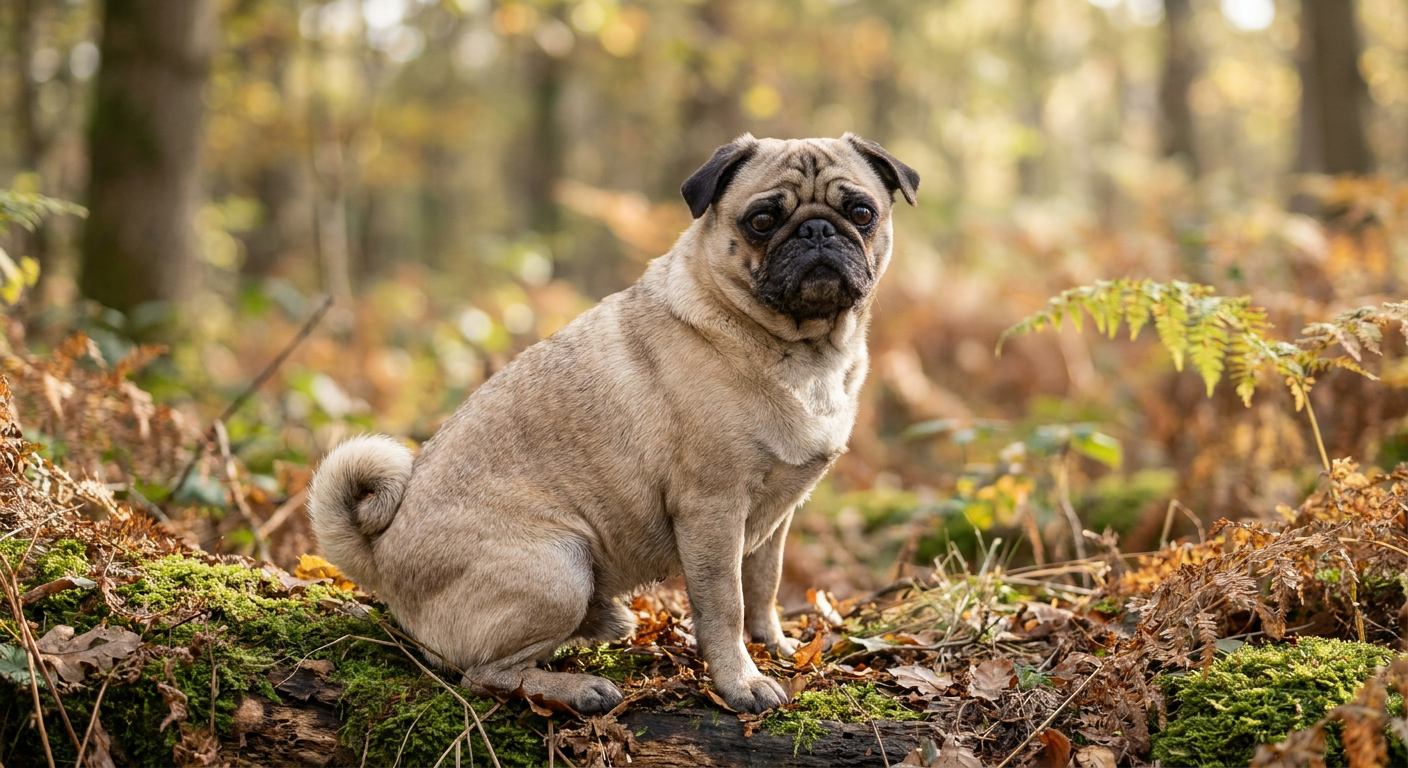
Originating in ancient China as prized companions to emperors, the Pug's history stretches back to at least 400 B.C. Their motto, 'multum in parvo' (a lot in a little), perfectly captures their big personality in a small body. They were imported to Europe in the 16th century, becoming the official dog of the Dutch House of Orange and later a favorite in Victorian England under Queen Victoria. Valued for centuries as affectionate lap dogs, their primary job has always been to love and be loved. The American Kennel Club officially recognized the Pug in 1885, where it remains a popular member of the Toy Group.
Temperament & Personality
The Pug is an even-tempered, charming, and mischievous dog with a comical personality. They live to be with their people and will follow them everywhere, thriving on affection. While generally agreeable and eager to please, they possess a stubborn streak that requires patient training. Pugs are not typically aggressive and are usually good with children and other pets, making them loving, albeit occasionally willful, family members. Their expressive, wrinkled faces convey a wide range of human-like emotions.
Health Watchouts
Top conditions reported by AKC parent clubs, OFA, and the Merck Veterinary Manual. Discuss screening with your vet — especially before breeding or insuring.
Brachycephalic Obstructive Airway Syndrome (BOAS)
Extremely Common (>50%)This condition results from the Pug's flattened facial structure, causing narrowed nostrils (stenotic nares), an elongated soft palate, and other airway abnormalities. It leads to noisy breathing, snoring, exercise intolerance, and a high risk of overheating and collapse. Severe cases require corrective surgery.
Screening: Veterinary clinical assessment of nostril size and respiratory effort; endoscopic examination is definitive.
Ocular Disease (Corneal Ulcers, Pigmentary Keratitis)
Very CommonTheir large, prominent eyes are susceptible to injuries, leading to painful corneal ulcers. Many Pugs also develop pigmentary keratitis, a progressive condition where pigment covers the cornea, which can lead to blindness if untreated. Keratoconjunctivitis Sicca (KCS or 'dry eye') is also prevalent.
Screening: Regular ophthalmic exams by a veterinarian; Schirmer Tear Test for KCS.
Hip Dysplasia
High (~64% affected)A malformation of the hip joint that leads to instability, pain, and degenerative joint disease (arthritis). Data from the Orthopedic Foundation for Animals (OFA) shows a high prevalence in the breed. Management involves maintaining a lean weight, physical therapy, and pain medication.
Screening: OFA or PennHIP radiographic screening.
Pug Dog Encephalitis (PDE)
Uncommon but fatal (~1.2%)A devastating, breed-specific inflammatory disease of the central nervous system. It is progressive and fatal, causing seizures, blindness, lethargy, and circling. There is no cure. It typically affects young to middle-aged dogs.
Screening: A genetic marker test is available to identify dogs at higher risk for developing the disease.
Skin Fold Dermatitis
CommonThe deep wrinkles on a Pug's face can trap moisture and debris, creating a warm, damp environment for bacteria and yeast to thrive. This leads to infection (pyoderma), which can be itchy, painful, and foul-smelling if the folds are not cleaned and dried daily.
Screening: Regular daily inspection and cleaning of all facial folds.
Exercise Needs
Pugs require minimal exercise, with 20-30 minutes of low-impact activity per day being sufficient. One or two short, leisurely walks and some indoor playtime are usually enough. It is critically important to AVOID exercise in warm or humid weather due to their brachycephalic anatomy, which makes them unable to cool themselves effectively and puts them at high risk for fatal heatstroke. Monitor breathing closely during any activity.
- Short, slow-paced walks on a harness (never a collar)
- Indoor puzzle toys
- Gentle fetch games in a cool environment
- Scent work
Nutrition
Daily calories: 250-450 kcal/day for an average 14-18 lb adult.
Pugs are notoriously prone to obesity, which catastrophically worsens their breathing problems and joint issues. It is essential to measure food precisely with a measuring cup and feed in distinct meals, not free-choice. Using a slow-feeder bowl can help prevent them from eating too quickly and inhaling excess air.
Common allergens to watch: Chicken, Beef, Dairy.
⚠ A lean body condition is non-negotiable for a Pug's health. You should be able to easily feel the ribs under a thin layer of fat, and a distinct waist should be visible from above. Obesity is not just a cosmetic issue for this breed; it is a life-threatening condition that exacerbates BOAS and arthritis. Consult your veterinarian for a body condition score evaluation and diet plan.
Entertainment & Enrichment
As devoted companions, a Pug's primary enrichment is being with their family. However, they need mental stimulation to prevent boredom and potential anxiety. Interactive toys and positive reinforcement training sessions are excellent ways to engage their mind without taxing their body. Puzzle toys are particularly effective for this food-motivated breed.
- Food puzzles and snuffle mats
- Short, fun trick training sessions (e.g., "spin", "wave")
- Hide-and-seek with toys or low-calorie treats
- "Find it" scent games
Grooming & Coat Care
Despite their short coat, Pugs are very heavy shedders. Brushing 2-3 times a week with a rubber curry brush or grooming mitt will help manage the loose hair. The most critical grooming task is daily cleaning of their facial wrinkles with a vet-approved wipe or damp cloth, ensuring the area is dried thoroughly to prevent skin fold dermatitis. Nails should be trimmed every 2-4 weeks.
Training
Pugs can be stubborn, so training requires patience, consistency, and positive reinforcement with high-value treats. They are sensitive and do not respond well to harsh corrections. House training can be a challenge and may require a consistent schedule and crate training. Early and ongoing socialization is crucial to ensure they are confident and well-behaved around new people and situations.
Cost of Ownership
Lifetime cost depends on size, lifespan, and health risks. Try our Lifetime Cost Calculator →
Cost band for Pug: medium.
How insurance, vet care & grooming connect for the Pug
These three costs move together. The Pug’s coat, energy, and breed-specific health watchouts shape each one — here’s how they line up.
Insurance band
Brachycephalic or giant-breed risk profile
Vet service load
Heavy shedding correlates with skin/derm visits
Grooming demand
Heavy shedder — daily brushing during seasons
Estimated monthly spend (typical adult)
Insurance
$85
Routine vet
$50
Grooming
$60
Combined estimate
~$195/mo(±20%, US averages)
* Estimates derived from breed traits (coat, energy, health watchouts, lifespan). Actual costs vary by location, age, and provider.
Living Situation Fit
A Pug is an excellent fit for an owner who is home most of the day and can provide constant companionship. This breed is not for the fastidious, as they shed heavily and are prone to gassiness. Prospective owners must live in a home with air conditioning and be financially and emotionally prepared to manage the breed's significant, costly, and lifelong health problems, particularly those related to breathing and obesity.
Choosing a Puppy
Seek out a responsible breeder who prioritizes health above all else. They should provide proof of health screenings for both parents, including OFA/PennHIP for hips, patella evaluation, and the genetic marker test for Pug Dog Encephalitis (PDE). A conscientious breeder will also openly discuss BOAS, breed for more open nostrils, and have their breeding stock evaluated by a vet. A puppy should appear active, with clear eyes and no signs of breathing distress.
Frequently Asked Questions
Do Pugs breathe loudly all the time?
Yes, most Pugs exhibit some degree of noisy breathing (stertor) due to their brachycephalic facial structure. Snorting, snoring, and snuffling are common. While considered "normal" for the breed, it is a clinical sign of Brachycephalic Obstructive Airway Syndrome (BOAS), a serious health condition that can impair quality of life and may require surgical intervention.
Are Pugs easy to take care of?
No. While their exercise needs are low, their health and grooming needs are high. Daily cleaning of facial wrinkles is mandatory. They are extremely prone to obesity and serious breathing problems that require constant monitoring. Owners must be financially prepared for potentially high veterinary bills. They are not a low-maintenance breed.
Do Pugs shed a lot?
Yes, Pugs are surprisingly heavy shedders despite their short coat. Their fawn coat consists of a soft undercoat and a smooth topcoat that sheds year-round. Regular, thorough brushing is necessary to keep shedding under control.
Can Pugs tolerate heat?
No, Pugs have an extremely low tolerance for heat and humidity. Their compromised respiratory system (BOAS) prevents them from panting effectively to cool down, making them highly susceptible to heatstroke, which can be fatal even with short exposure. They must be kept in an air-conditioned environment during warm weather.