Toy Group
Toy breeds — Pugs, Cavalier King Charles, Maltese, Pomeranians, Shih Tzus, Yorkshire Terriers, Chihuahuas — were bred for one job: companionship. They are small (under 15 lb), often long-lived (12–16 years), and adapt beautifully to apartments, seniors and travel. Most retain feisty traits of their working ancestors though.
Common Traits at a Glance
- energy
- Low to moderate (2–3/5)
- exercise
- 20–45 min/day
- trainability
- Good with motivation
- kid Friendly
- Better with older kids
- shedding
- Variable
History & Origin
Toy breeds trace to royal courts and merchant households of China, Tibet, England and Mexico. Pekingese were bred as 'sleeve dogs' for Chinese emperors; Cavaliers warmed the laps of King Charles II; Pomeranians shrank from sled-pulling spitz dogs to Queen Victoria's favorite.
Is a Toy dog right for you?
Great fit if you…
- •Apartment-perfect
- •Long lifespans (often 14+ years)
- •Lower lifetime cost (less food, smaller doses)
Maybe not if you…
- •Fragile — at risk from rough children or larger dogs
- •Many have brachycephalic breathing issues
- •Often dental disease prone
Flagship breeds in this group
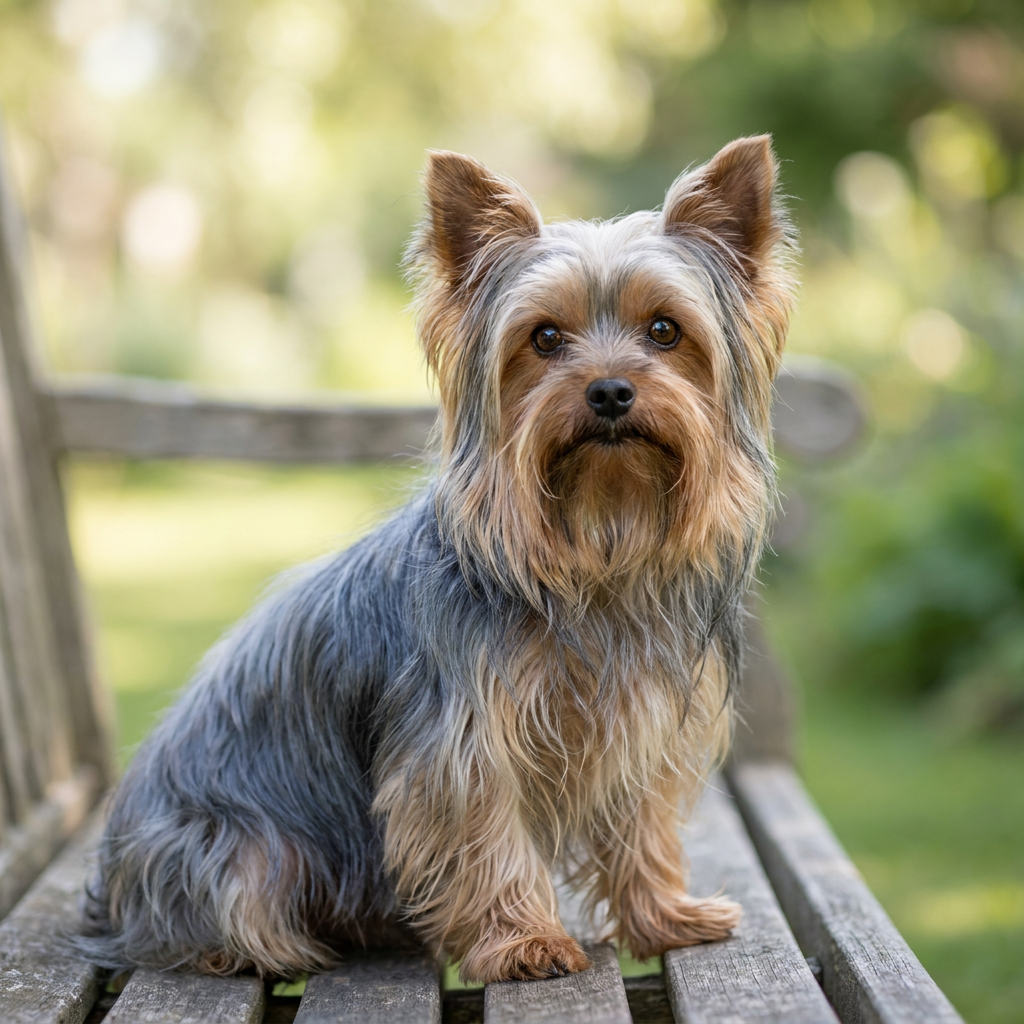
Yorkshire Terrier
A 7-pound personality powerhouse. Yorkies are bold, devoted, beautifully coated companions — small enough for the smallest apartment but with the heart of a terrier. They bond intensely with one or two people, are surprisingly smart, and handle travel and city living beautifully. Watch the dental health.
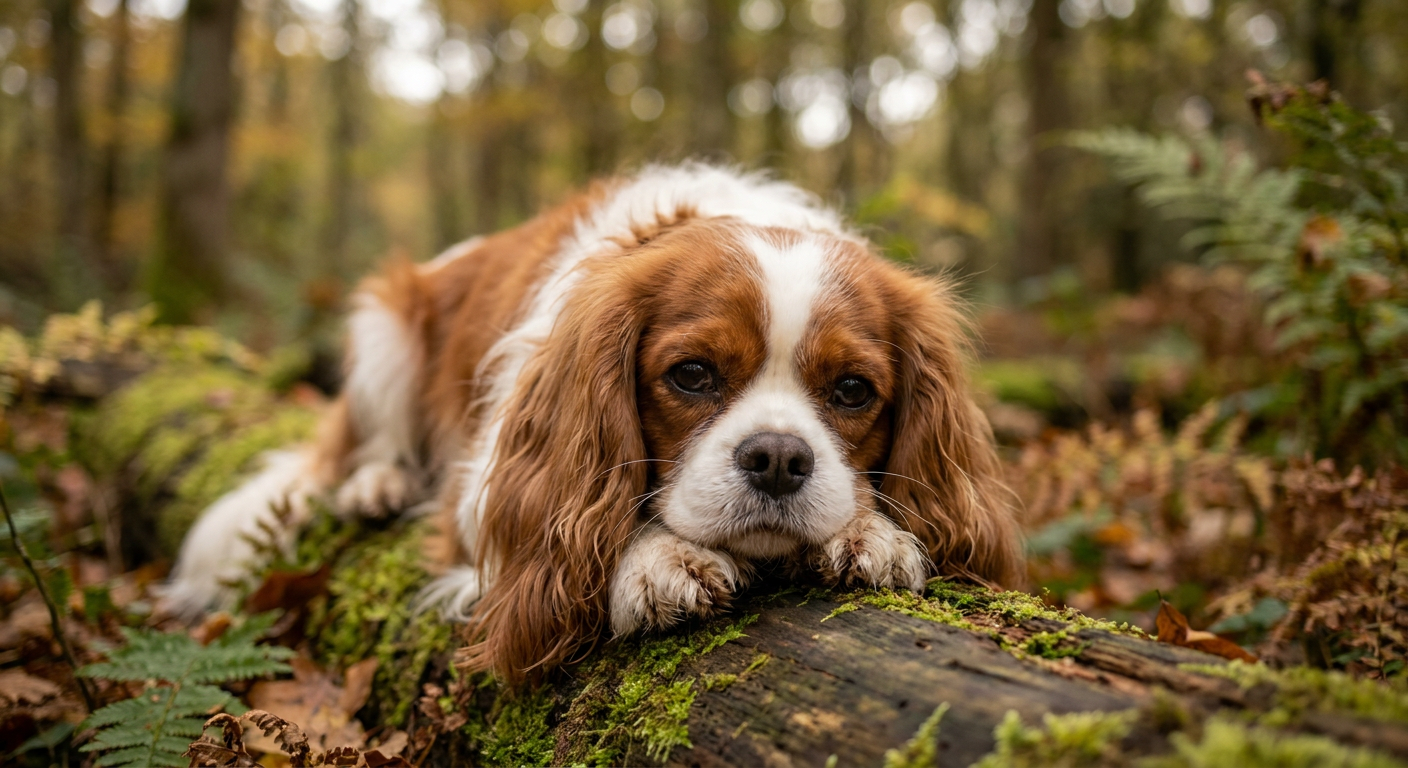
Cavalier King Charles Spaniel
The gentlest, most affectionate small dog you can find. Cavaliers were bred to warm royal laps and they take that job seriously — devoted, patient with kids, friendly with everyone. They're moderate exercisers and adapt to nearly any home. The single critical caveat: serious heart disease risk. Choose breeders who heart-screen.
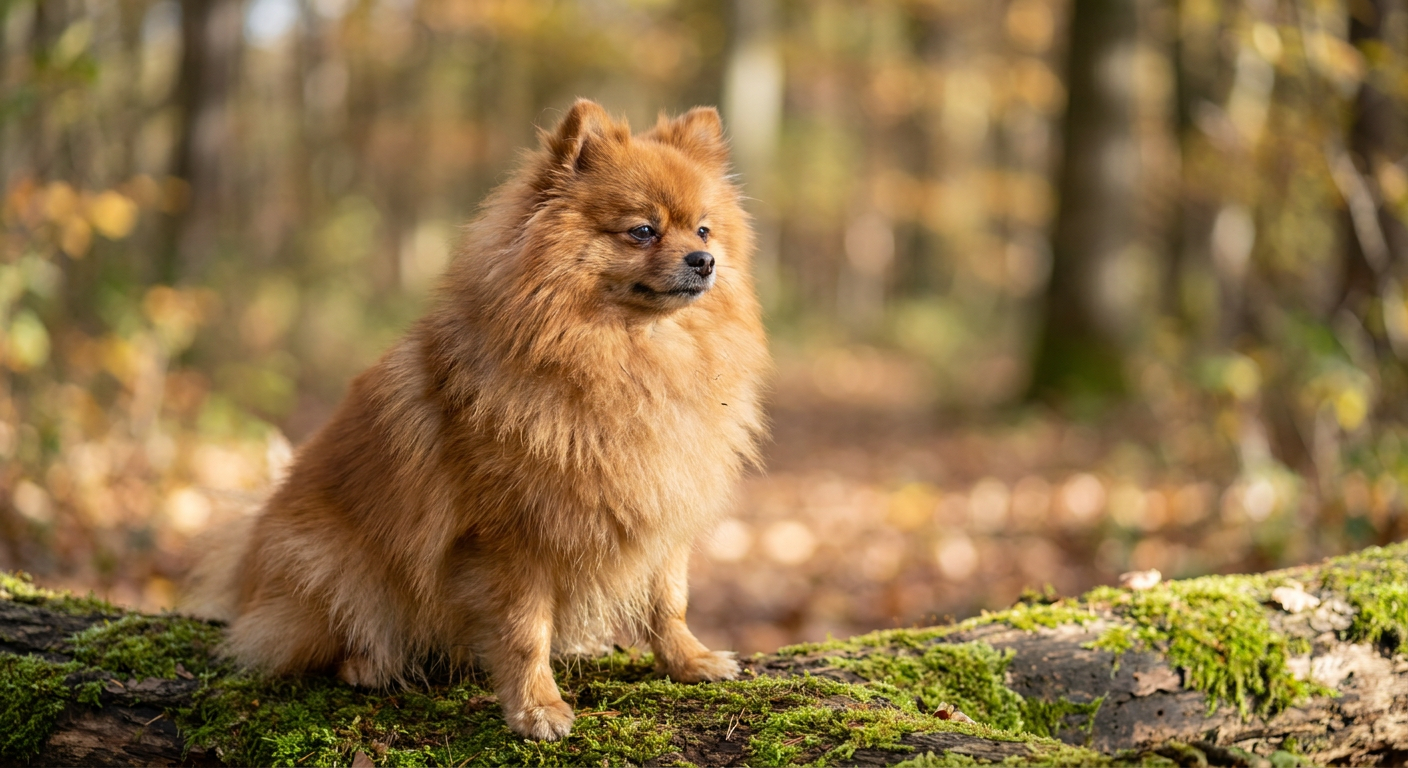
Pomeranian
The Pomeranian is a tiny but mighty Spitz-type dog with a huge personality and an equally impressive coat. While intelligent and loyal, they are fragile and prone to barking. Their grooming needs are significant, and they require consistent training to prevent bossiness. Best for adult-only homes or families with older, gentle children, they are not a low-maintenance breed.
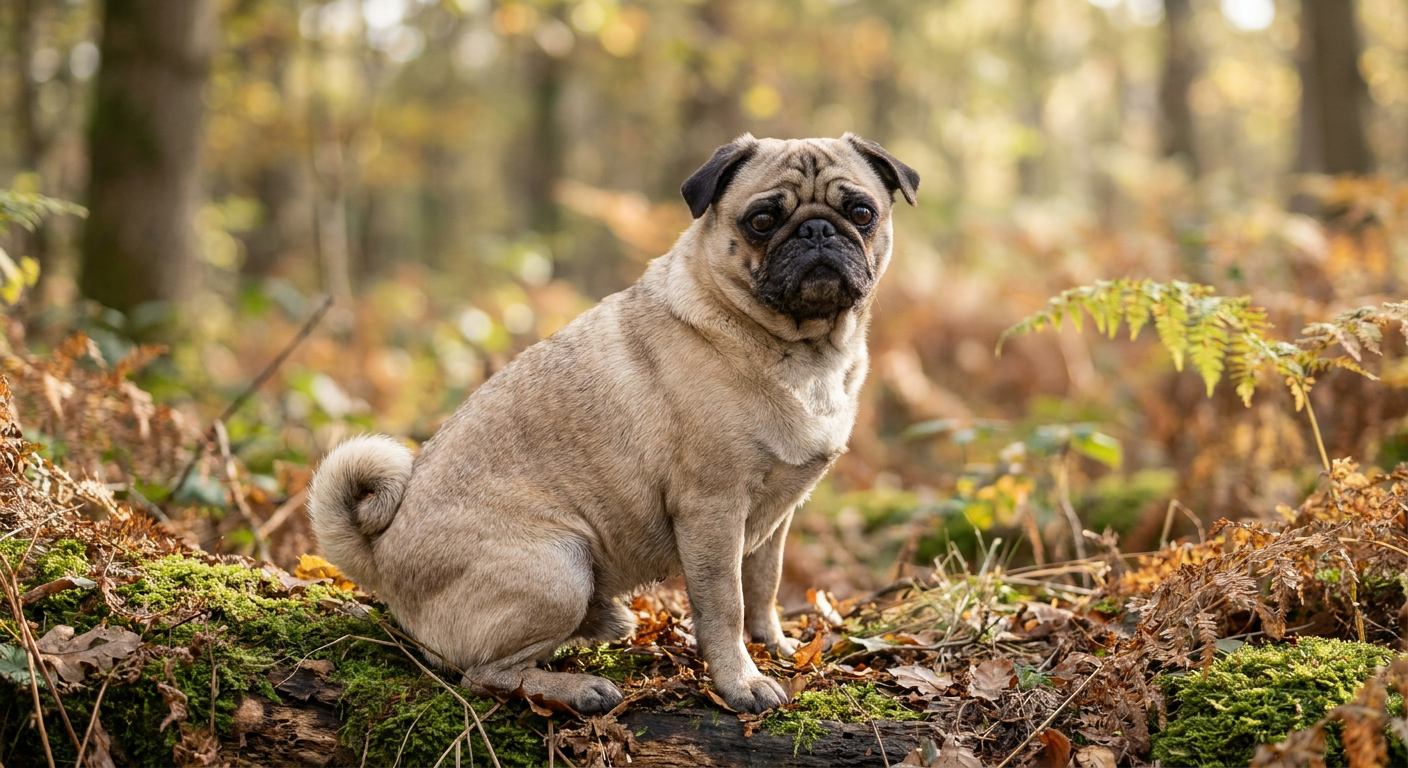
Pug
Charming clowns of the dog world, Pugs are devoted, low-exercise companions perfect for apartment living. However, their adorable flat faces cause serious, lifelong breathing issues (BOAS) requiring careful management and potentially costly surgery. Prone to obesity and heavy shedding, they need diligent owners prepared for significant health challenges and constant companionship in a climate-controlled home.
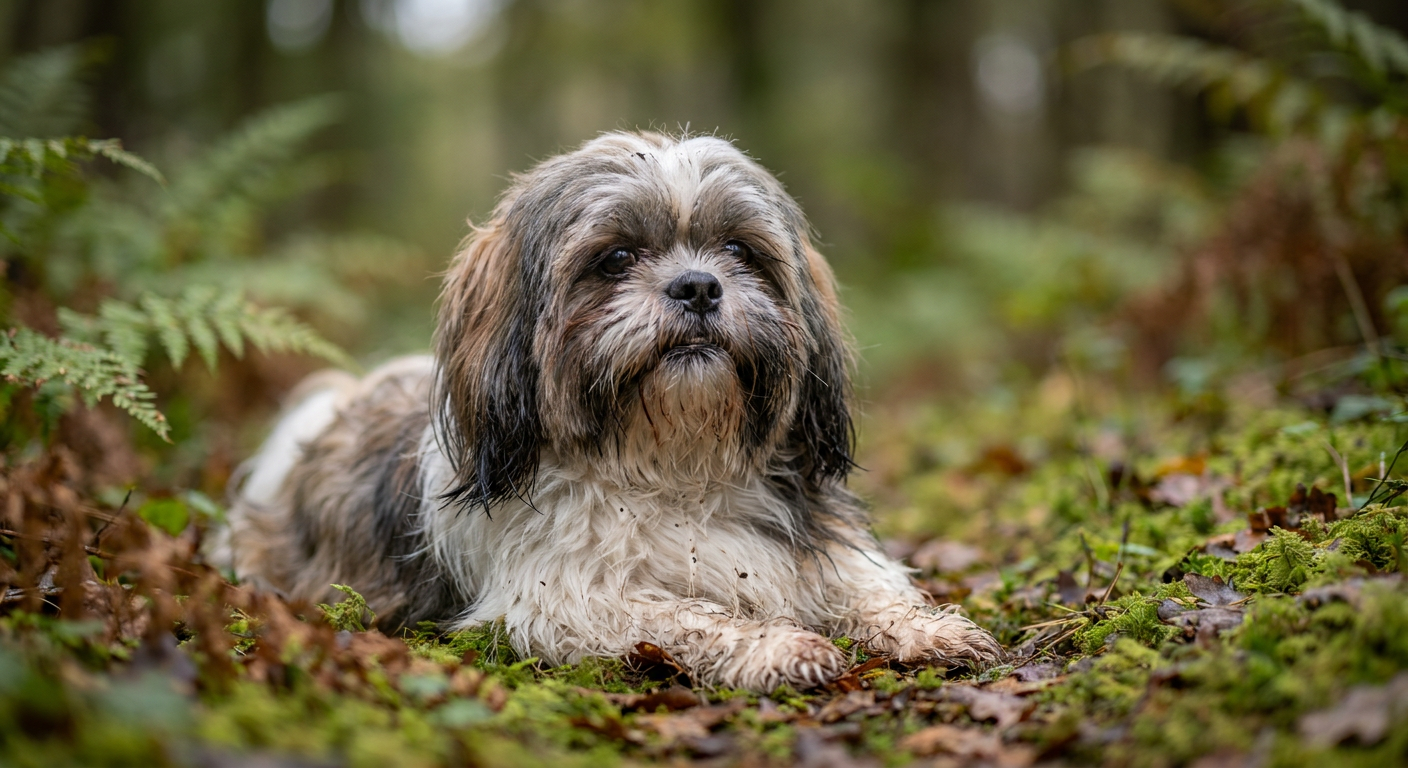
Shih Tzu
The Shih Tzu is a charming, affectionate lapdog that thrives on human companionship. While adaptable to apartment living and low-exercise needs, prospective owners must be prepared for significant daily grooming and high potential costs associated with health issues like breathing problems (BOAS), eye conditions, and dental disease. Their stubborn streak requires patient training, but they are loyal and loving pets.
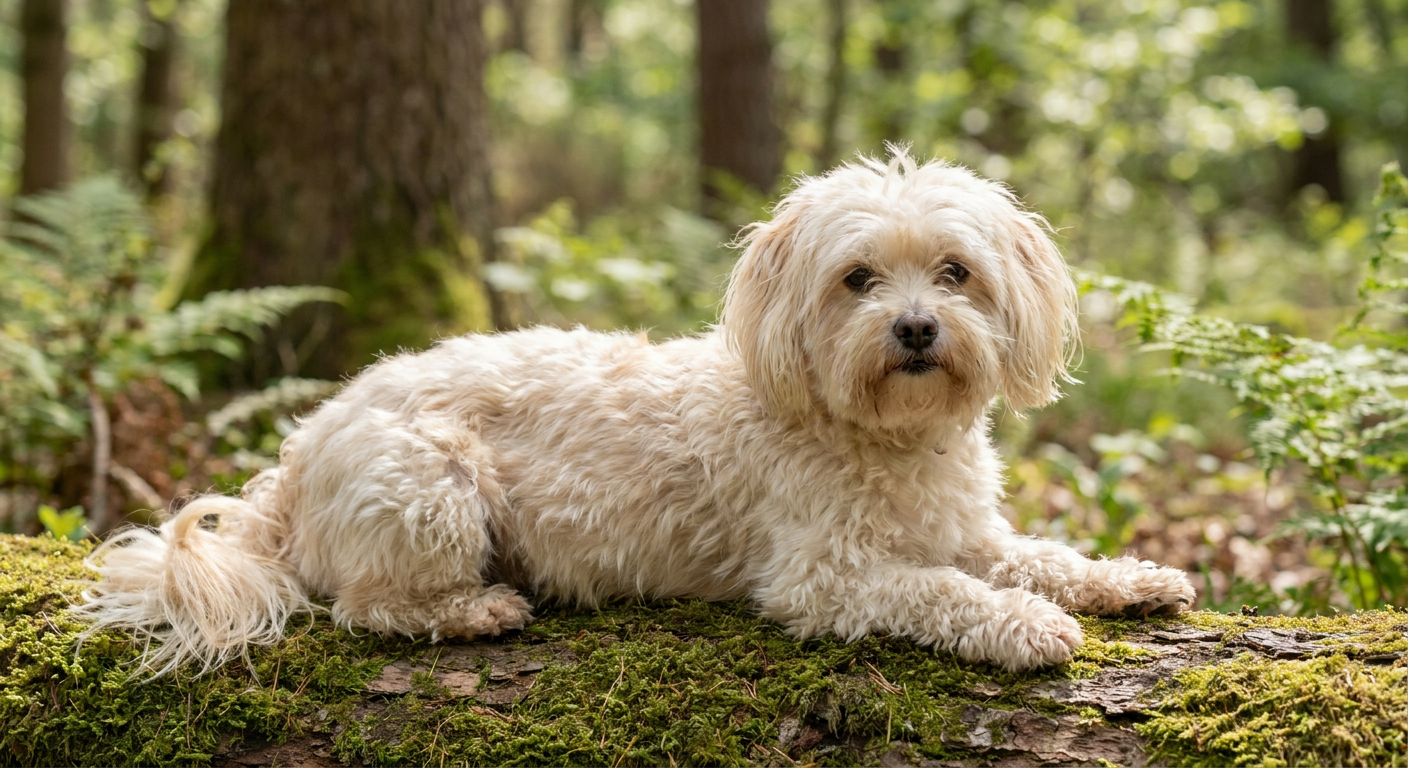
Maltese
The Maltese is the quintessential lap dog: charming, playful, and thrives on affection. While low-shedding and apartment-friendly, their glamorous white coat demands daily grooming to prevent mats. They are prone to dental disease and can suffer from separation anxiety if left alone. Best for attentive owners who can provide constant companionship and are prepared for high-maintenance grooming.
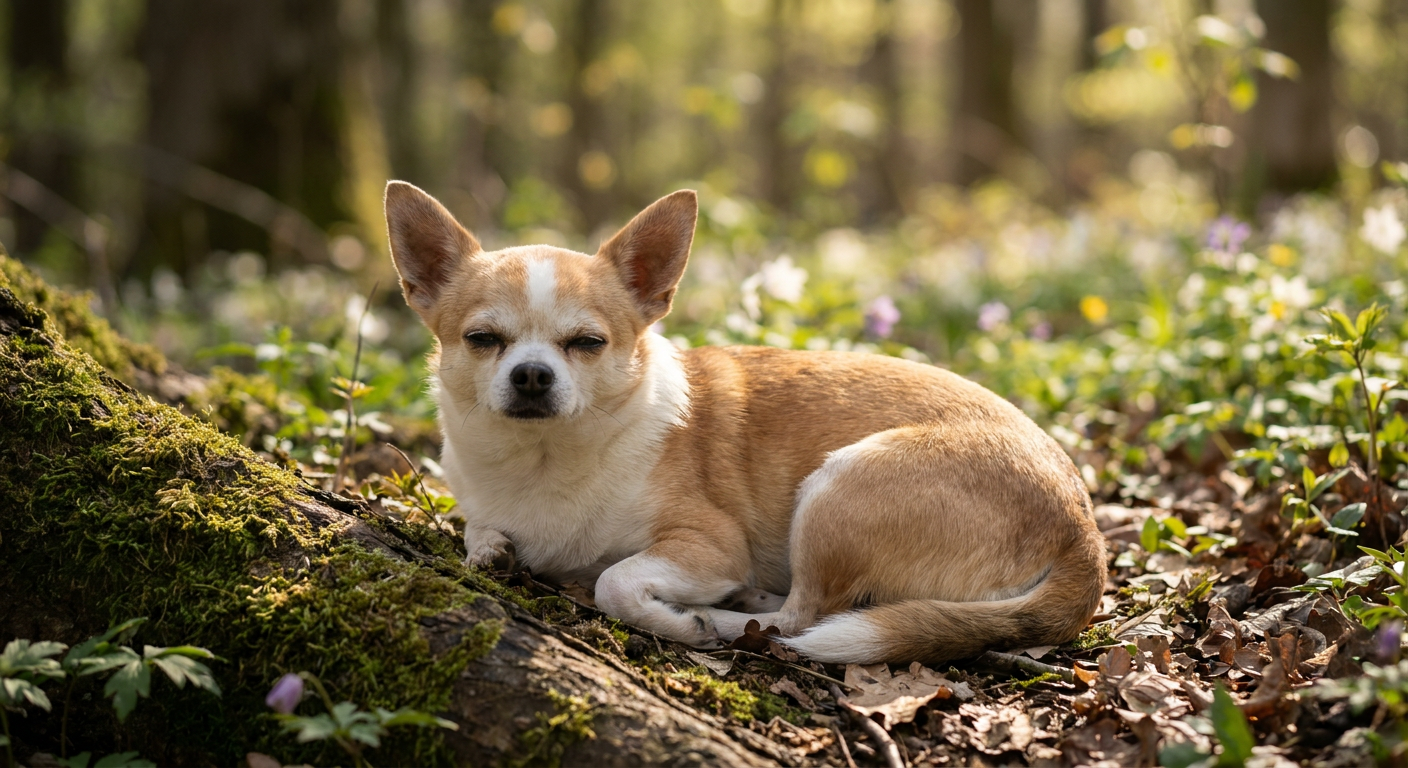
Chihuahua
The Chihuahua is a tiny dog with a massive personality, known for its loyalty and "saucy" expression. Ideal for apartment living, they are not a good fit for families with small children due to their fragility. While clever, they can be stubborn to train. Owners must be vigilant about dental care, joint health, and preventing obesity.
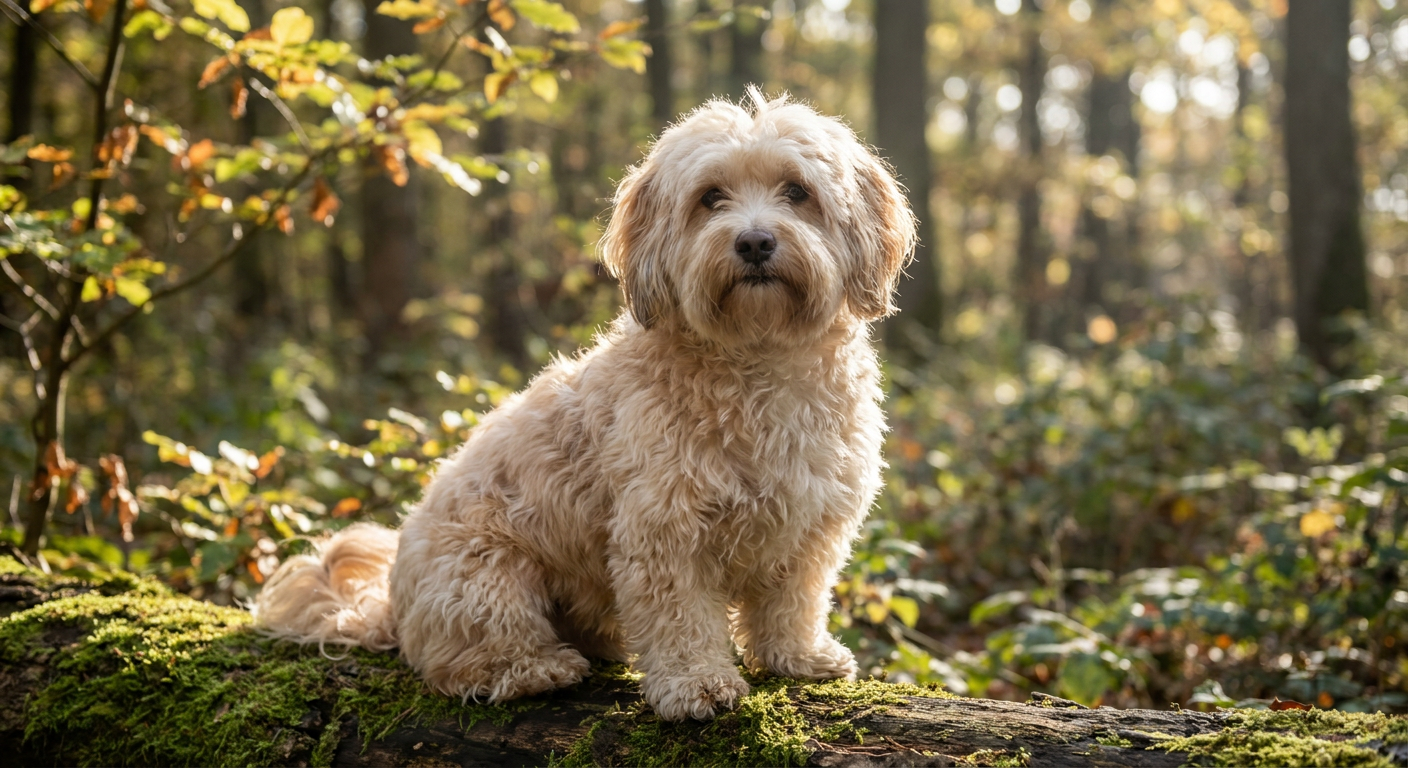
Havanese
Cuba's national dog — a small, affectionate companion with a silky long coat and a sunny temperament. Havanese are velcro dogs that thrive on human company, do well in apartments, and are easy to train. They need daily grooming to prevent matting and tolerate alone-time poorly.
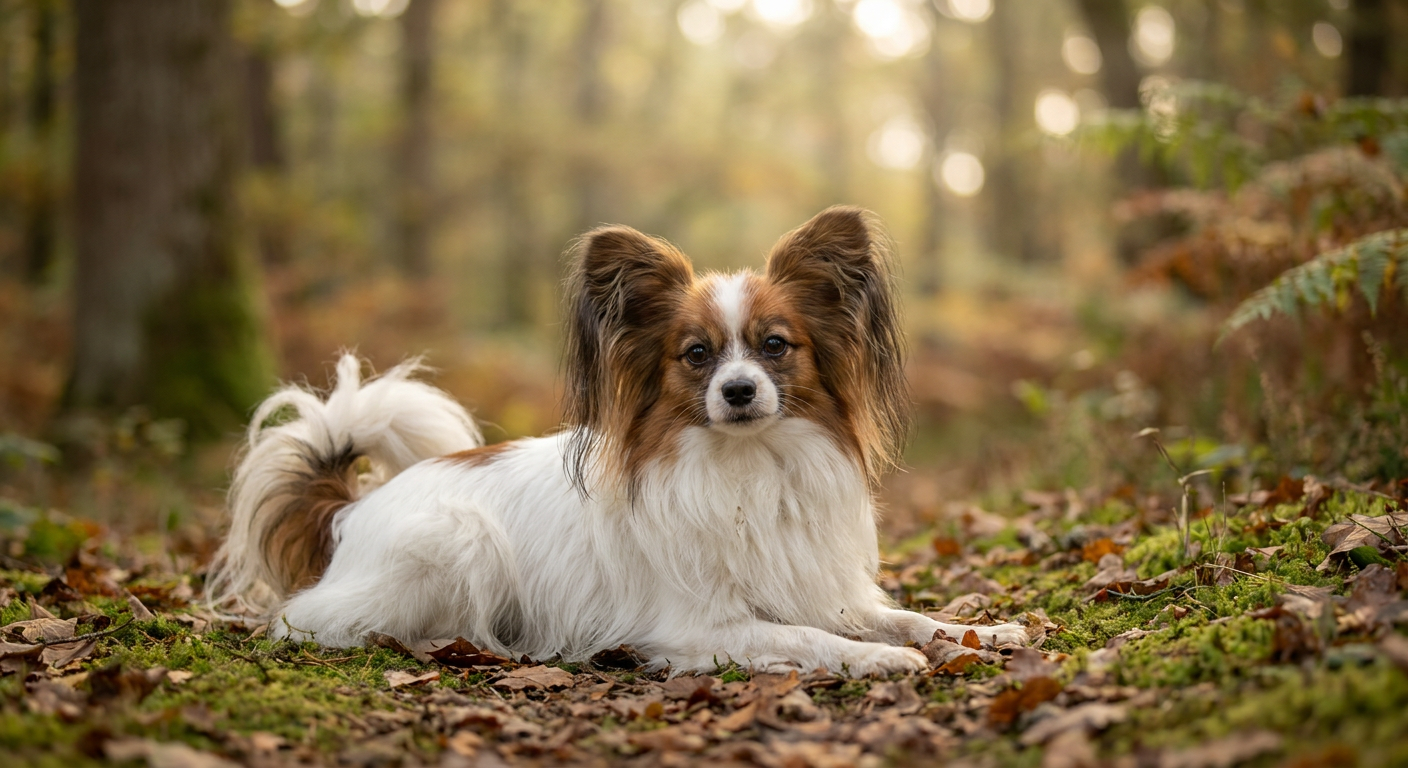
Papillon
The 'butterfly dog' — a small toy spaniel with distinctive fringed ears that look like butterfly wings. Don't be fooled by the dainty look: Papillons are among the smartest and most athletic toy breeds, excelling at agility and obedience. They need 30+ minutes of daily exercise and serious mental work.
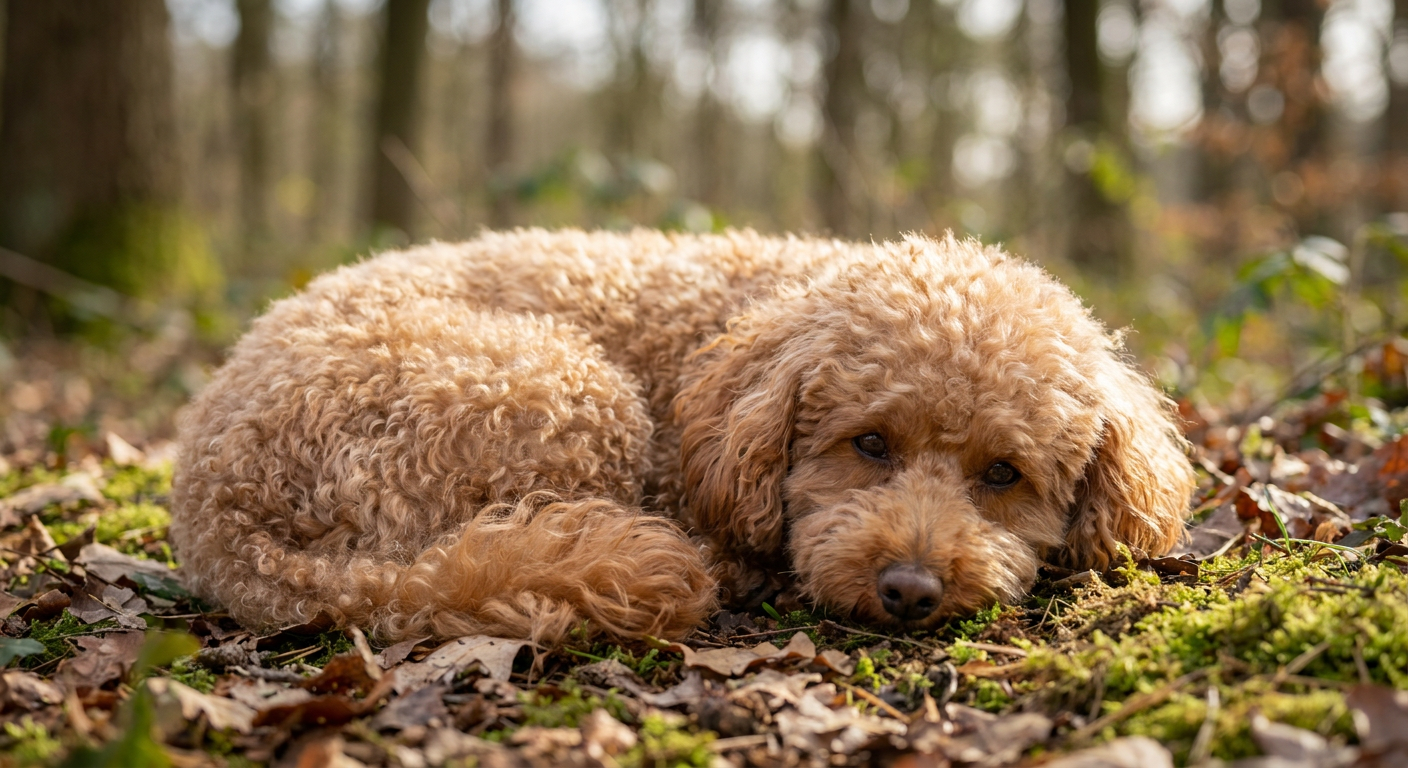
Toy Poodle
The smallest of the three Poodle sizes — under 10 inches tall but with the brains of its larger relatives. Toy Poodles are intelligent, trainable, and surprisingly athletic. Their hypoallergenic curly coat sheds minimally but requires professional grooming every 4–6 weeks. They bond intensely and dislike being alone.
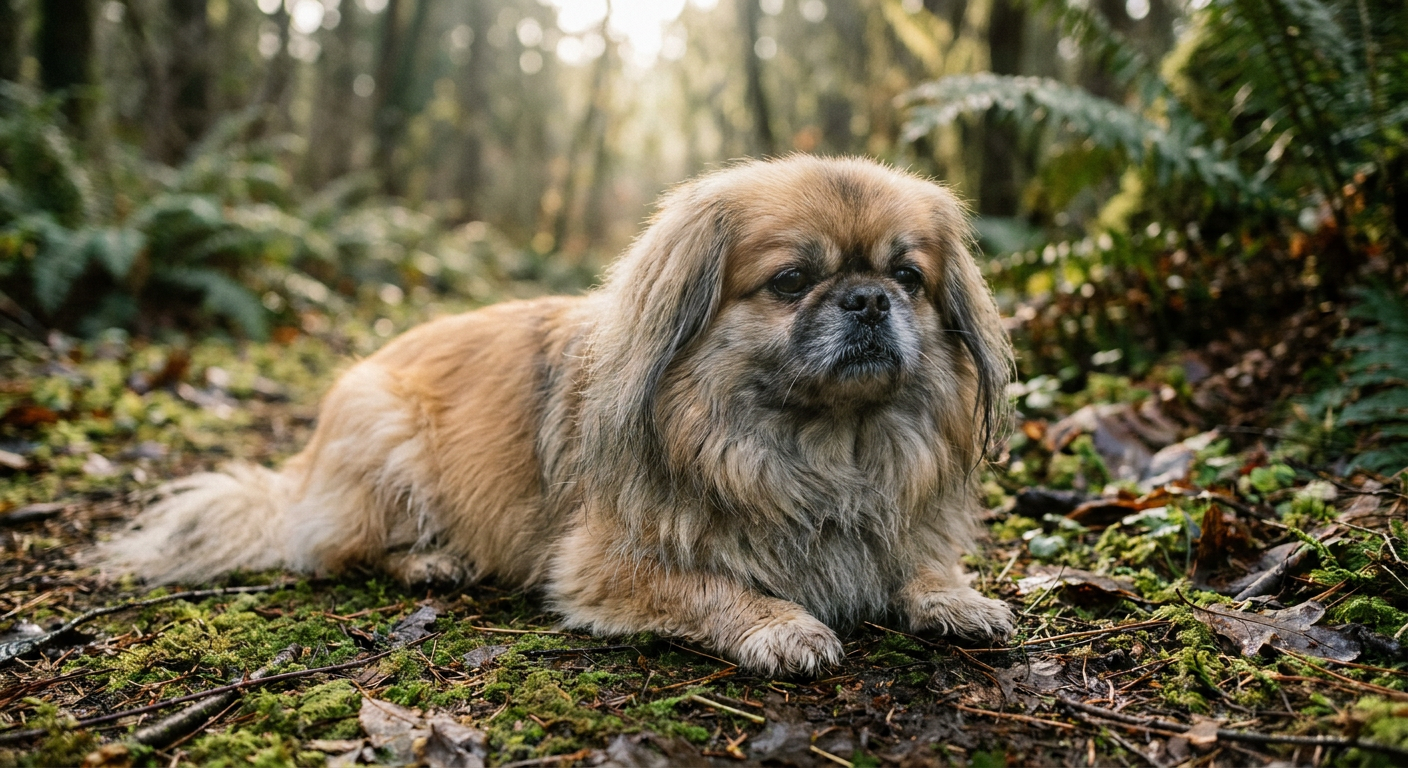
Pekingese
An ancient Chinese imperial 'sleeve dog' — bred for over 2,000 years as the companion of Tang Dynasty emperors. Pekingese are dignified, loyal and stubbornly independent. Their flat face means brachycephalic breathing issues, heat sensitivity, and the need for daily grooming. Best for adult households without small children.
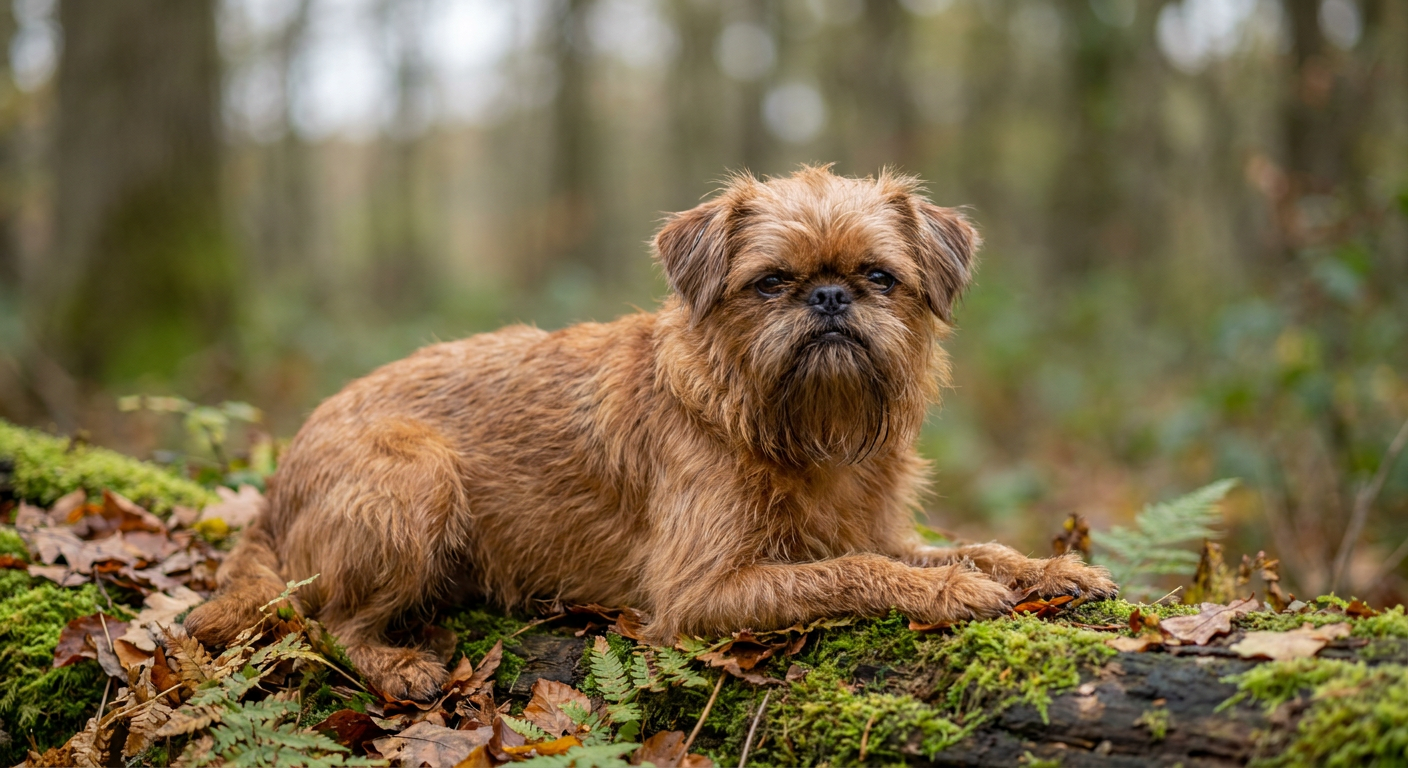
Brussels Griffon
A Belgian toy breed with a distinctive 'almost human' whiskered face. Brussels Griffons are smart, sensitive and intensely bonded to their person — often called 'velcro dogs.' They have brachycephalic features so manage heat carefully, and they need daily company. Two coat varieties: rough and smooth.
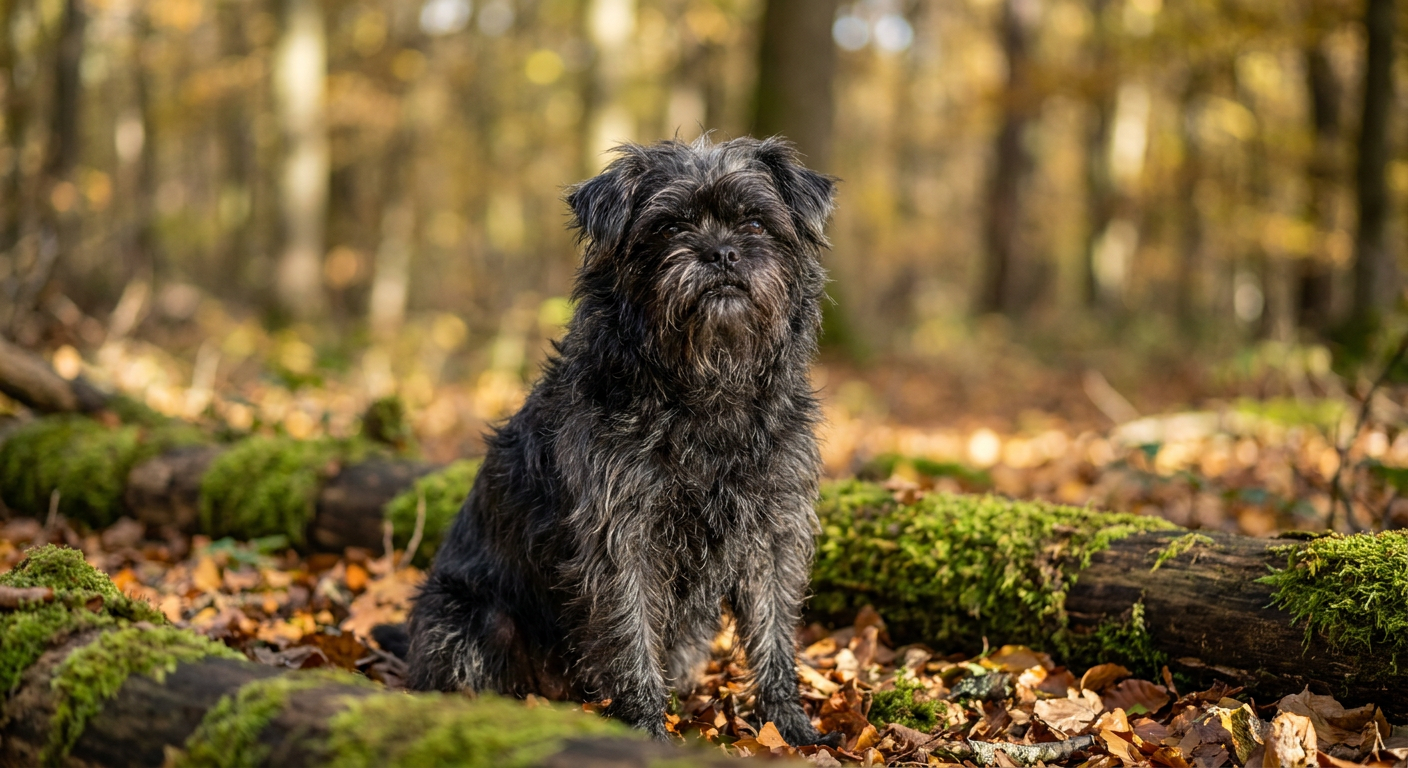
Affenpinscher
A sturdy, wire-haired toy breed known for its 'monkey-like' face and bold, terrier-type personality. Originally bred as ratters, they are curious, affectionate, and surprisingly athletic for their size. They are low-shedding but require specific coat care and thrive in homes where they can be central to family life without rough handling.
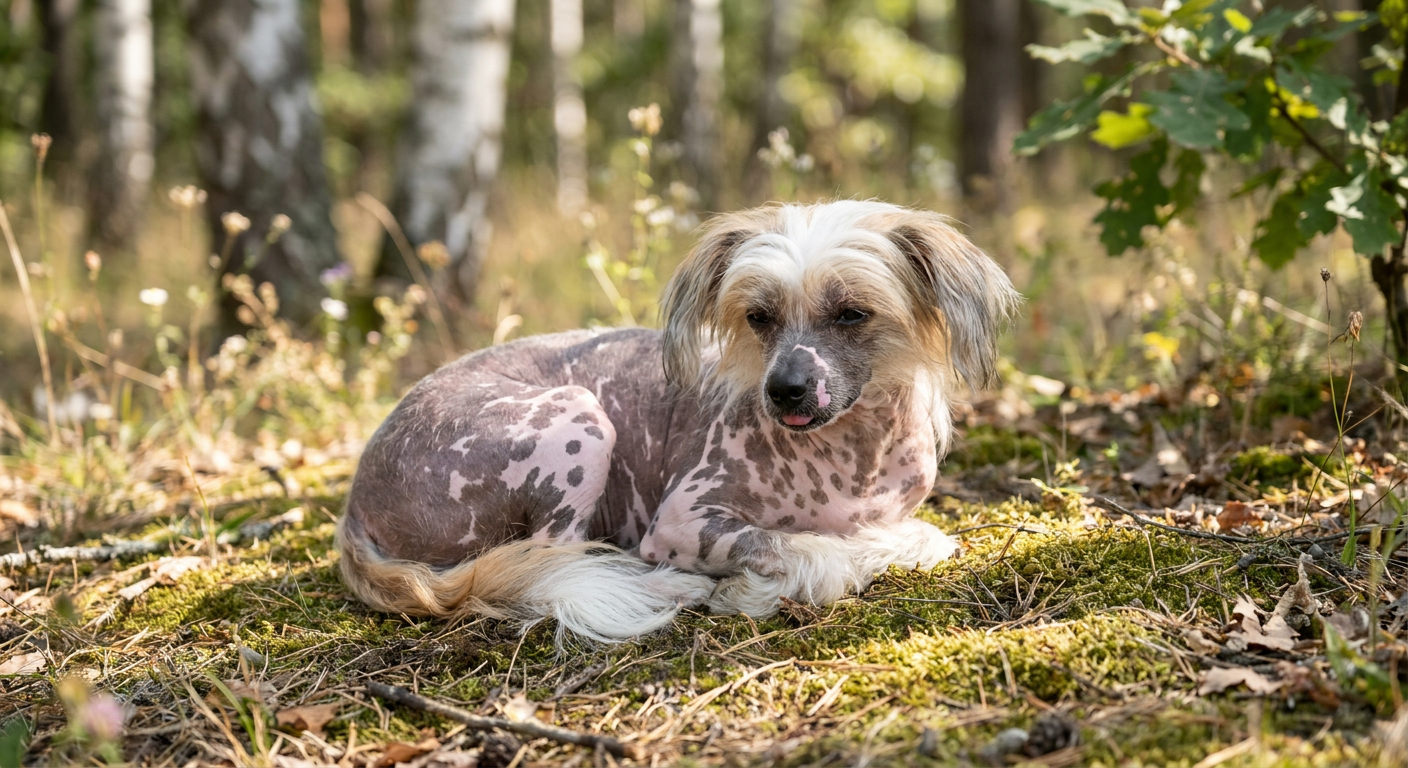
Chinese Crested
A small, fine-boned toy breed occurring in two varieties: Hairless and Powderpuff. While famously known for their skin, they are athletic, surprisingly agile, and deeply bonded to their owners. They thrive as indoor companions and require specific skincare or grooming protocols depending on their coat type. Potential owners should prepare for extensive dental care and sun protection.
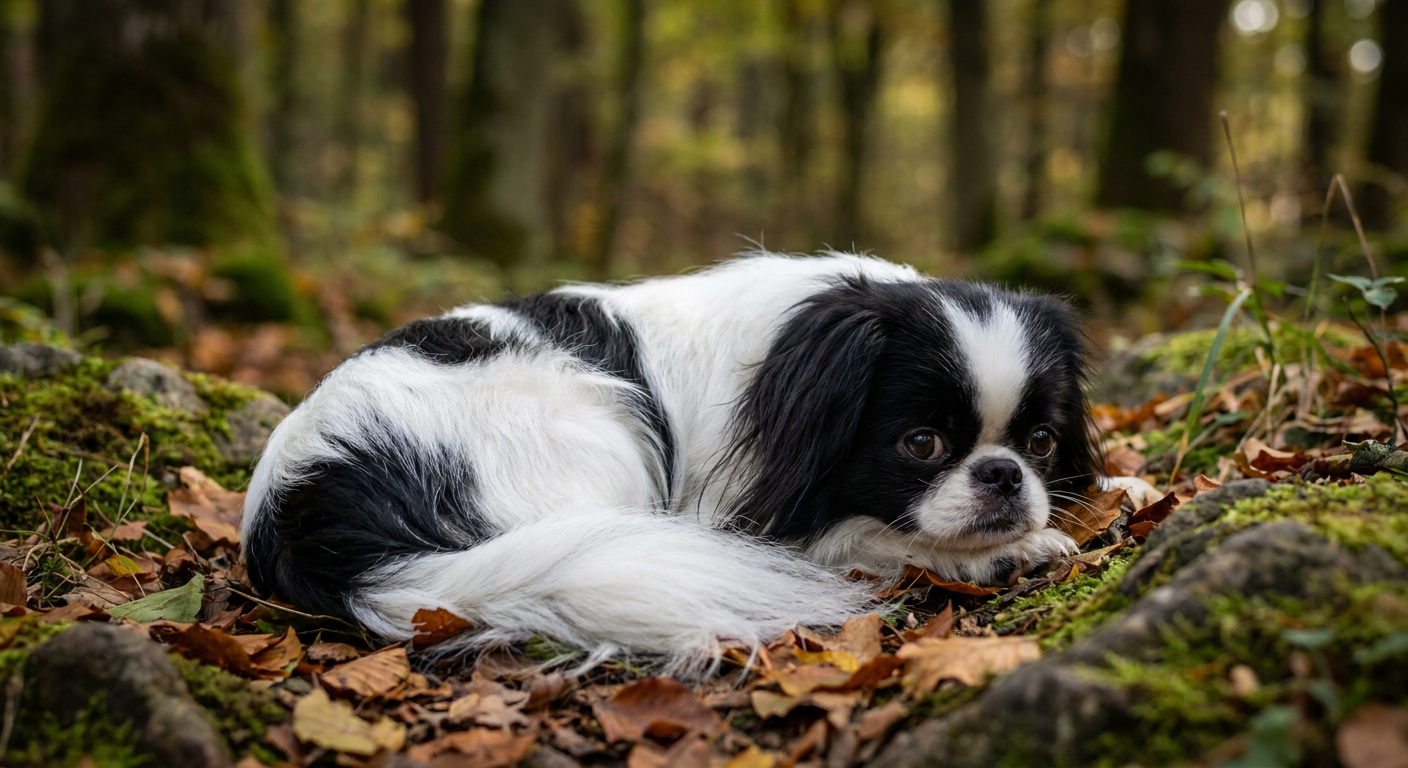
Japanese Chin
An ancient, aristocratic companion known for its flat face, large eyes, and silky coat. This toy breed is uniquely feline in behavior, often grooming itself and seeking high perches. Though affectionate, they are sensitive and best suited for calm environments. Health priorities include monitoring cardiac function and protecting their prominent eyes from injury.
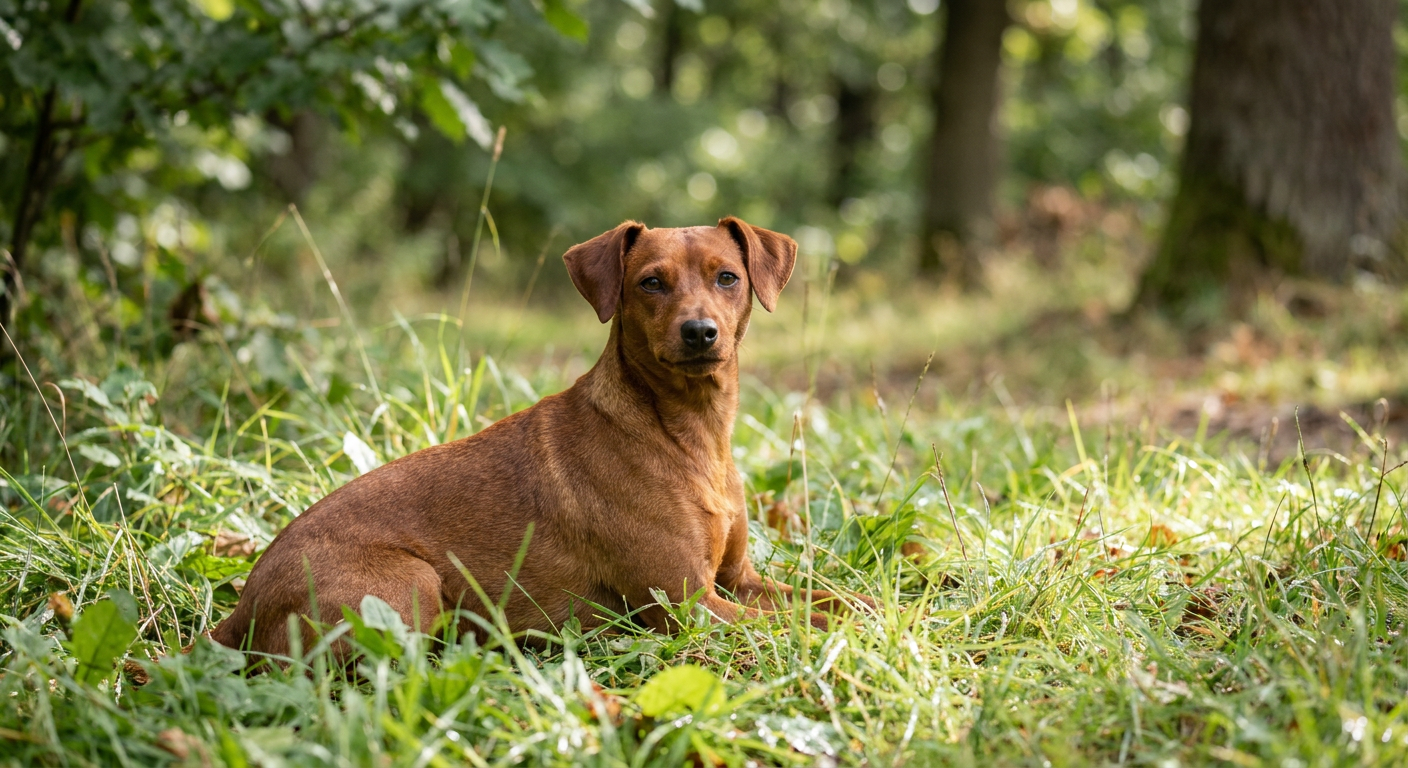
Miniature Pinscher
A spirited, small-stature athlete known for its high-stepping 'hackney' gait and bold personality. Despite its toy classification, it functions more like a large working dog in a tiny package. This breed is intensely curious, vocal, and requires active engagement. They are best suited for experienced owners who can provide firm boundaries and plenty of mental stimulation.
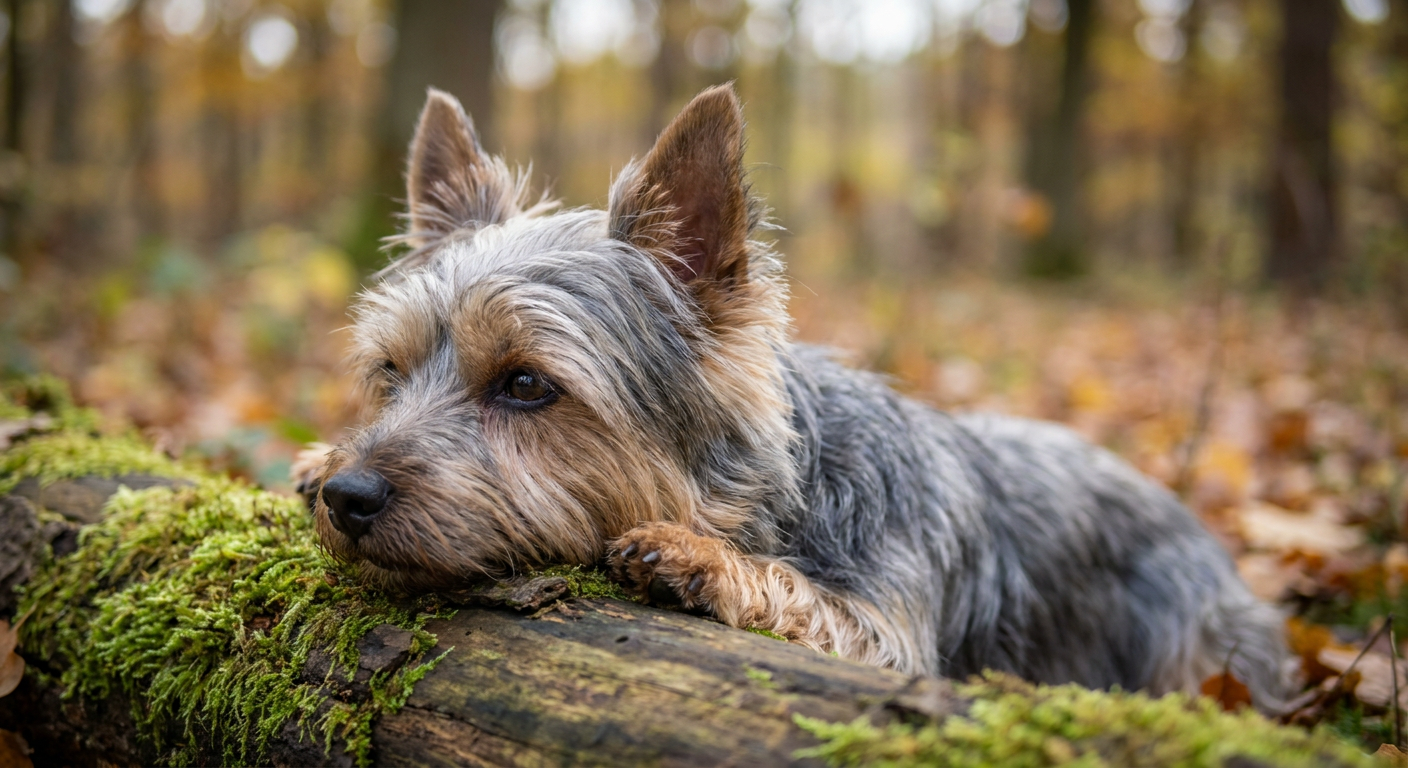
Silky Terrier
A spirited toy breed with a true terrier heart, the Silky Terrier is more than just a lapdog. Compact yet sturdy, they require daily grooming for their floor-length coats and vigorous mental stimulation to prevent mischief. Best suited for active owners who want a portable companion with a keen, watchful nature and bold personality.
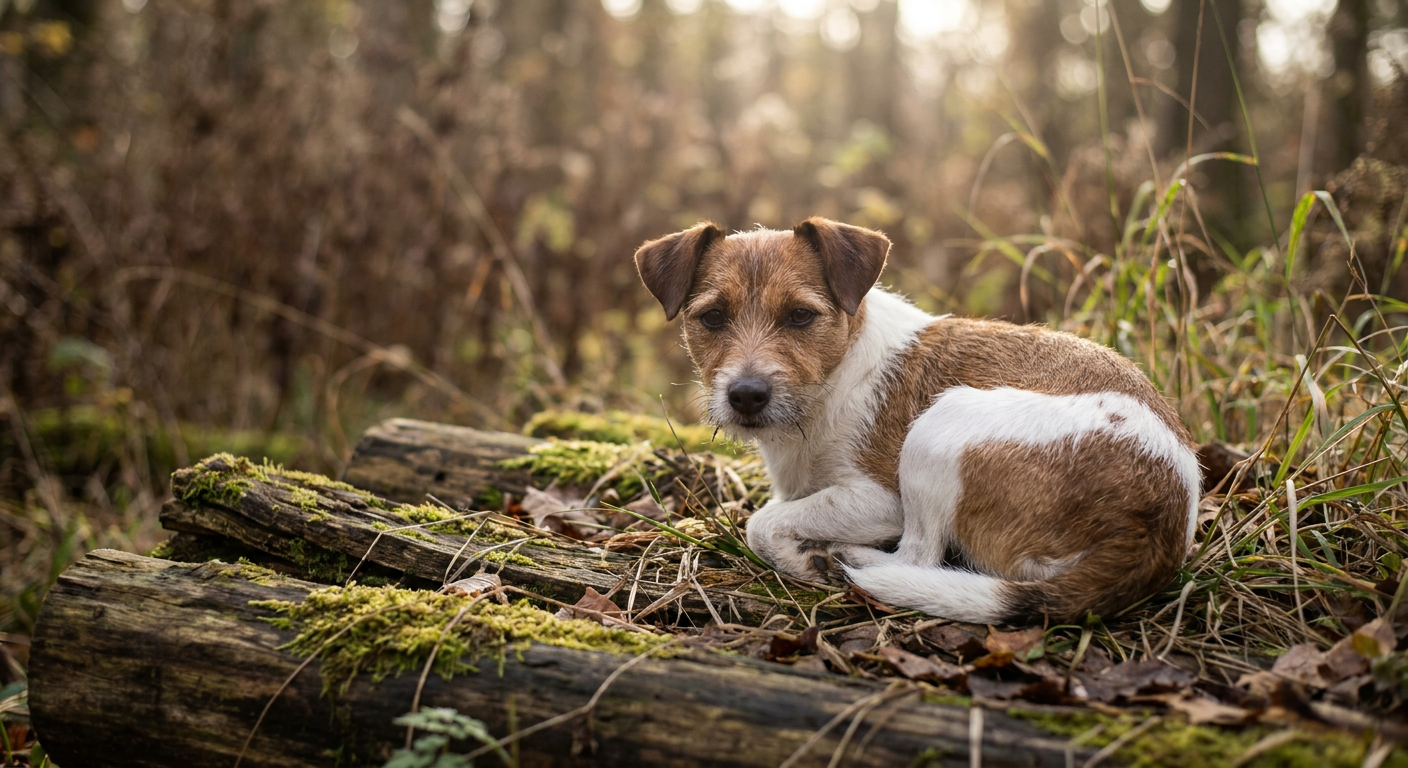
Toy Fox Terrier
A quintessential "big dog in a small body," the Toy Fox Terrier combines the tenacity of a ratter with the devotion of a lapdog. Elegant but athletic, they are highly trainable and alert watchdogs. They are best suited for active owners who can manage their high intelligence and provide a secure, indoor-focused lifestyle.
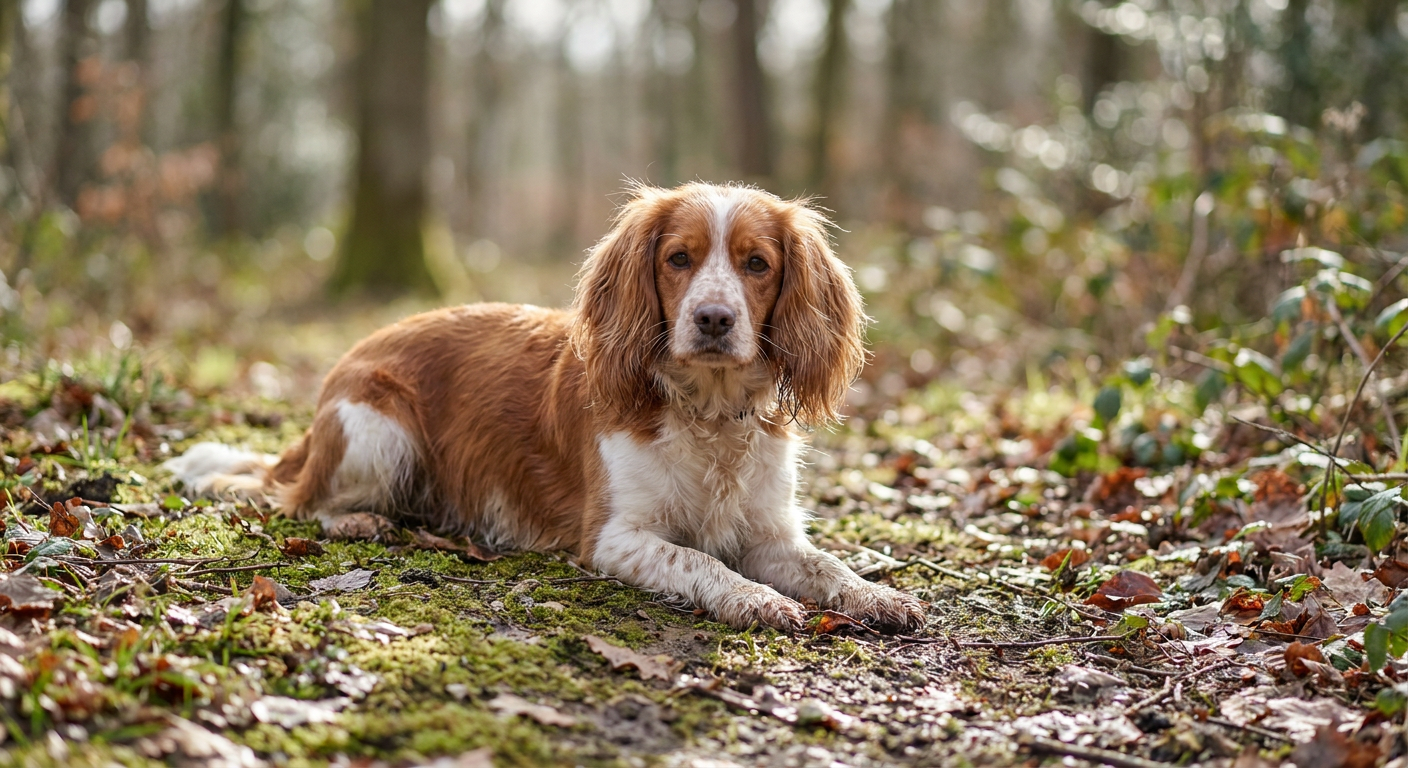
English Toy Spaniel
A dignified, flat-faced toy companion known for its domed head and silky coat. Unlike its more exuberant Cavalier cousin, this breed is quiet, sedentary, and refined. Ideal for apartment living and calm households, they require minimal exercise but significant attention to respiratory health and temperature regulation.
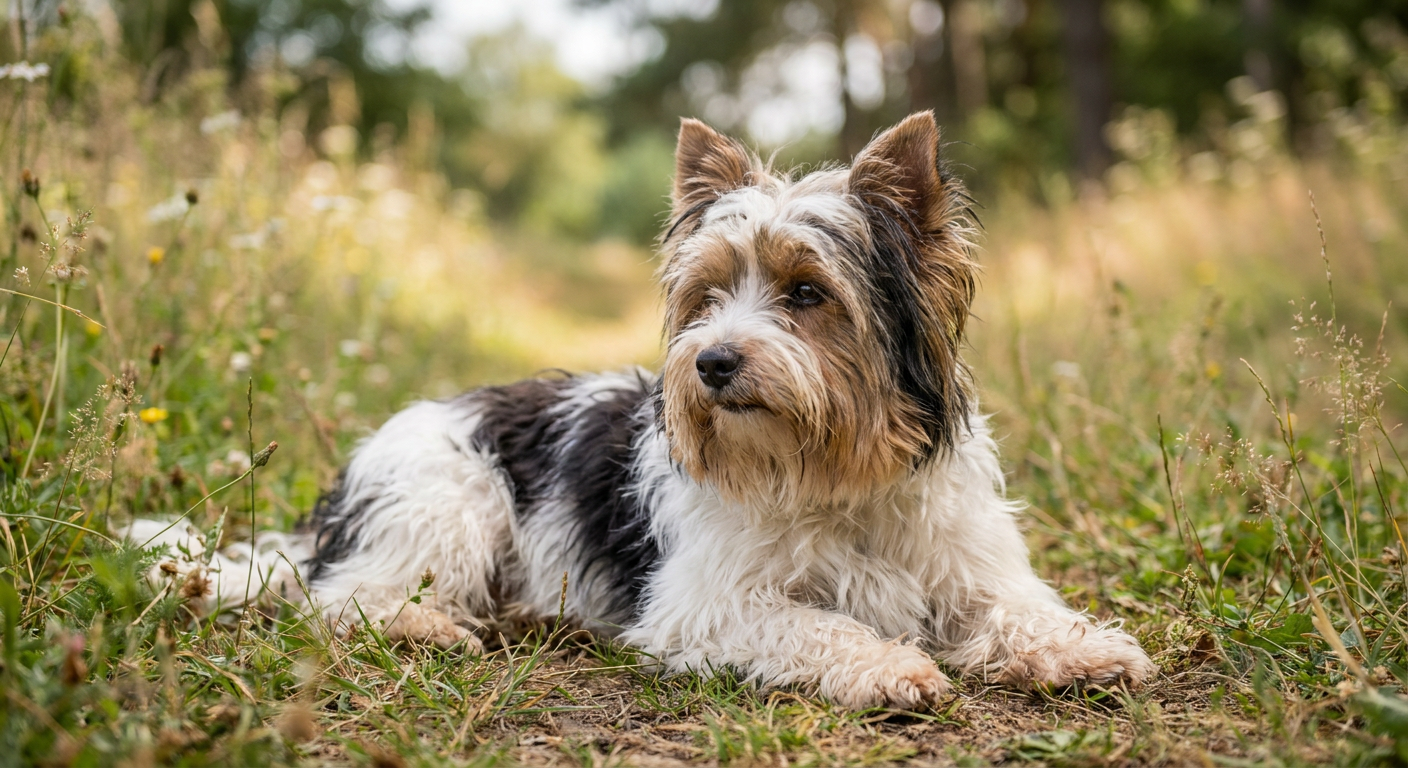
Biewer Terrier
A dedicated lap dog and companion, this rare toy breed is defined by its long, silky tri-colored coat and whimsical personality. Originally derived from Yorkshire Terrier stock, it developed into a unique breed known for its charming, happy-go-lucky attitude. They are excellent apartment dwellers that require significant grooming but minimal outdoor space.
Toy Group FAQs
Are toy breeds good for seniors?
Excellent — small dogs are easy to lift, exercise needs are modest, and the bond with a single primary human suits a quieter household. Cavaliers, Maltese and Bichons are top picks.
Do toy breeds need less exercise?
Yes in absolute minutes (20–45 vs. 60+) but they still need daily walks and mental work. Skipping exercise leads to obesity, behavioral issues and earlier joint disease.
Why do toy breeds have so many dental problems?
Tooth size doesn't shrink proportionally with jaw size, so toy breeds have crowded mouths that trap plaque. Without home brushing and routine dental cleanings, periodontal disease is nearly universal by age 3.