History & Origin
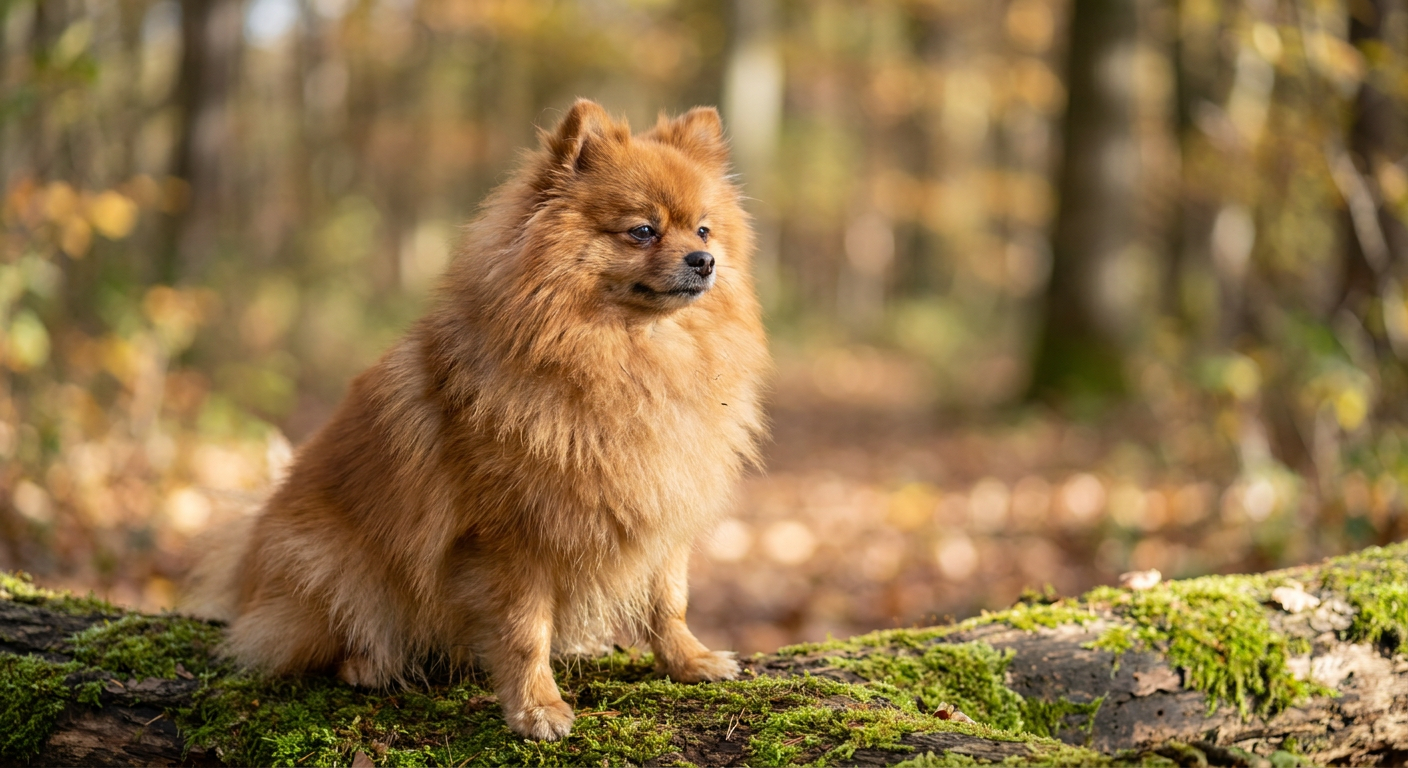
Named for the Pomerania region of Central Europe (now part of Germany and Poland), the original Pomeranian was much larger, weighing up to 30 pounds and serving as a flock guardian. Their popularity soared in the 18th century, but it was Queen Victoria of England who truly shaped the modern breed. She became a devoted enthusiast, establishing her own breeding kennel and favoring smaller-sized dogs. Her prize-winning 12-pound Pom, Windsor Marco, popularized the tiny version we know today. The American Kennel Club recognized the Pomeranian in 1888, where it remains a perennial favorite in the Toy Group.
Temperament & Personality
Don't let their size fool you; Pomeranians have a bold, vivacious, and curious nature. They are extroverted and intelligent, but can also be stubborn and bossy if not properly trained and socialized from a young age. Poms are typically alert and wary of strangers, making them excellent little watchdogs—though their tendency to bark can be excessive. They are fiercely loyal to their families but their fragility makes them better suited to homes with adults or older, respectful children.
Health Watchouts
Top conditions reported by AKC parent clubs, OFA, and the Merck Veterinary Manual. Discuss screening with your vet — especially before breeding or insuring.
Patellar Luxation
Common; OFA data suggests ~16% of Poms are affected.The kneecap (patella) dislocates or pops out of its normal position. This can cause lameness, pain, and eventually arthritis. It ranges from mild, intermittent skipping to severe, permanent dislocation requiring surgery.
Screening: Veterinary physical exam. Orthopedic Foundation for Animals (OFA) evaluation for breeding stock.
Tracheal Collapse
CommonThe cartilage rings of the windpipe (trachea) weaken and flatten, causing airway obstruction. This leads to a characteristic "goose honk" cough, especially when excited or pulling on a lead. Severe cases require medical management or surgical intervention.
Screening: Diagnosis via physical exam and x-rays. Using a harness instead of a neck collar is key for prevention.
Severe Hair Loss Syndrome (Alopecia X)
Uncommon, but well-documented in the breed.Also known as Black Skin Disease, this condition causes symmetrical, non-itchy hair loss, typically starting in early adulthood. The exposed skin may darken over time. The exact cause is unknown but is thought to be hormonal or adrenal in nature. It doesn't affect the dog's quality of life but is a cosmetic concern.
Screening: Diagnosis by ruling out other causes of hair loss (like thyroid or Cushing's disease). No single definitive test exists.
Congestive Heart Failure (CHF) secondary to Mitral Valve Disease
Common in senior toy breeds.The mitral valve in the heart degenerates over time, leading to leakage and a heart murmur. As it progresses, it can lead to congestive heart failure, causing coughing, exercise intolerance, and fluid accumulation. It is manageable with medication but is progressive.
Screening: Regular veterinary check-ups to listen for heart murmurs. Echocardiogram (heart ultrasound) for definitive diagnosis and staging.
Periodontal Disease
Extremely Common; >80% of dogs have it by age 3, with toy breeds at highest risk.Dental crowding in their small mouths leads to rapid plaque and tartar buildup. This causes gum inflammation (gingivitis), tooth loss, and can lead to systemic infections affecting the heart and kidneys. It is a painful and serious condition.
Screening: Regular veterinary dental exams. Daily tooth brushing and annual professional dental cleanings under anesthesia are essential.
Exercise Needs
Pomeranians need regular but not extensive exercise. Daily short walks and indoor play are usually sufficient to keep them happy and healthy. Because of their small size and delicate joints, high-impact activities should be avoided. Mental stimulation is just as important as physical activity for this intelligent breed.
- Short leash walks (20-30 mins/day)
- Puzzle toys
- Indoor fetch with soft toys
- Short, supervised play sessions in a secure yard
Nutrition
Daily calories: 150-300 kcal/day, split into two or three meals.
Pomeranians are prone to hypoglycemia (low blood sugar), especially as puppies, so small, frequent meals are crucial. Use a standard 8-oz measuring cup for accuracy and feed a high-quality commercial kibble formulated for toy breeds.
Common allergens to watch: Chicken, Beef, Dairy.
⚠ Obesity is rampant in Pomeranians and puts severe stress on their joints and trachea. A 1-pound weight gain on a 5-pound dog is a 20% increase. Maintain a lean body condition where you can easily feel their ribs. Adjust food portions based on activity level and body condition score, not just the bag recommendations.
Entertainment & Enrichment
A bored Pom is often a noisy Pom. Their sharp minds require daily stimulation to prevent undesirable behaviors like excessive barking and destructiveness. Enrichment should engage their natural curiosity and intelligence. Rotate toys to keep them novel and interesting.
- Food puzzle toys (e.g., Kong, lick mats)
- Scent work games (hiding treats around the room)
- Teaching new tricks
- Short, positive-reinforcement training sessions
- Safe chew toys to promote dental health
Grooming & Coat Care
The Pomeranian's glorious double coat requires significant commitment. The dense undercoat sheds profusely, and mats will form without daily brushing using a pin brush and slicker brush. Professional grooming every 4-6 weeks is often necessary to maintain coat health and shape. Avoid shaving the coat, as this can lead to permanent damage and Alopecia X. Nail trims, ear cleaning, and daily tooth brushing are also essential.
Training
Pomeranians are intelligent but have an independent streak. Early and consistent positive reinforcement training is vital to establish good manners and prevent "small dog syndrome." Focus on socialization to prevent fearfulness or aggression. House training can be a challenge and requires patience and consistency. Barking is an inherent trait, but "quiet" cues can be taught to manage it.
Cost of Ownership
Lifetime cost depends on size, lifespan, and health risks. Try our Lifetime Cost Calculator →
Cost band for Pomeranian: high.
How insurance, vet care & grooming connect for the Pomeranian
These three costs move together. The Pomeranian’s coat, energy, and breed-specific health watchouts shape each one — here’s how they line up.
Insurance band
Common hereditary conditions raise claim odds
Vet service load
High activity raises orthopedic & injury visits
Grooming demand
Double coat sheds seasonally — frequent brushing
Estimated monthly spend (typical adult)
Insurance
$85
Routine vet
$60
Grooming
$60
Combined estimate
~$205/mo(±20%, US averages)
* Estimates derived from breed traits (coat, energy, health watchouts, lifespan). Actual costs vary by location, age, and provider.
Living Situation Fit
Pomeranians are well-suited for apartment living due to their small size. However, their high tendency to bark can be a problem for close neighbors. They are indoor dogs that should not be left outside. Their biggest risk in a home is trauma; they are extremely fragile and can be seriously injured by being dropped, stepped on, or by jumping off furniture. For this reason, they are not recommended for homes with toddlers or rough-playing children.
Choosing a Puppy
Choose a breeder who is transparent and provides health clearances for parents, especially OFA certifications for patellas and cardiac health. A responsible breeder will prioritize health and temperament over extreme sizes. Avoid breeders marketing 'teacup' or 'micro' Poms, as these are often unethically bred and come with a host of severe health issues. A good breeder will also begin socialization and potty training early.
Frequently Asked Questions
Are Pomeranians good with children?
Generally, no. Due to their tiny, fragile frame, they can be easily injured by even well-meaning children. They are better suited for adult-only homes or families with older, calm, and respectful teenagers who understand how to interact gently with a small dog.
Do Pomeranians bark a lot?
Yes, Pomeranians are known for being vocal. They are alert and will bark at new sights and sounds, making them good watchdogs but potentially noisy neighbors. Consistent training can help manage this behavior, but it is an ingrained trait of the breed.
Can you shave a Pomeranian's coat for summer?
It is strongly advised not to shave a Pomeranian's double coat. The coat acts as insulation from both heat and cold. Shaving can damage the hair follicles, leading to poor regrowth and potentially triggering a skin condition called Alopecia X (Black Skin Disease). A professional groomer can provide a 'tidy trim' instead.
What is "teacup" Pomeranian?
The term 'teacup' is a marketing gimmick and not an official size. It refers to Pomeranians that are bred to be smaller than the breed standard. This often involves unethical breeding practices that result in fragile dogs with significantly more health problems, including hypoglycemia, hydrocephalus, and heart defects. Responsible buyers should avoid breeders who use this term.