History & Origin
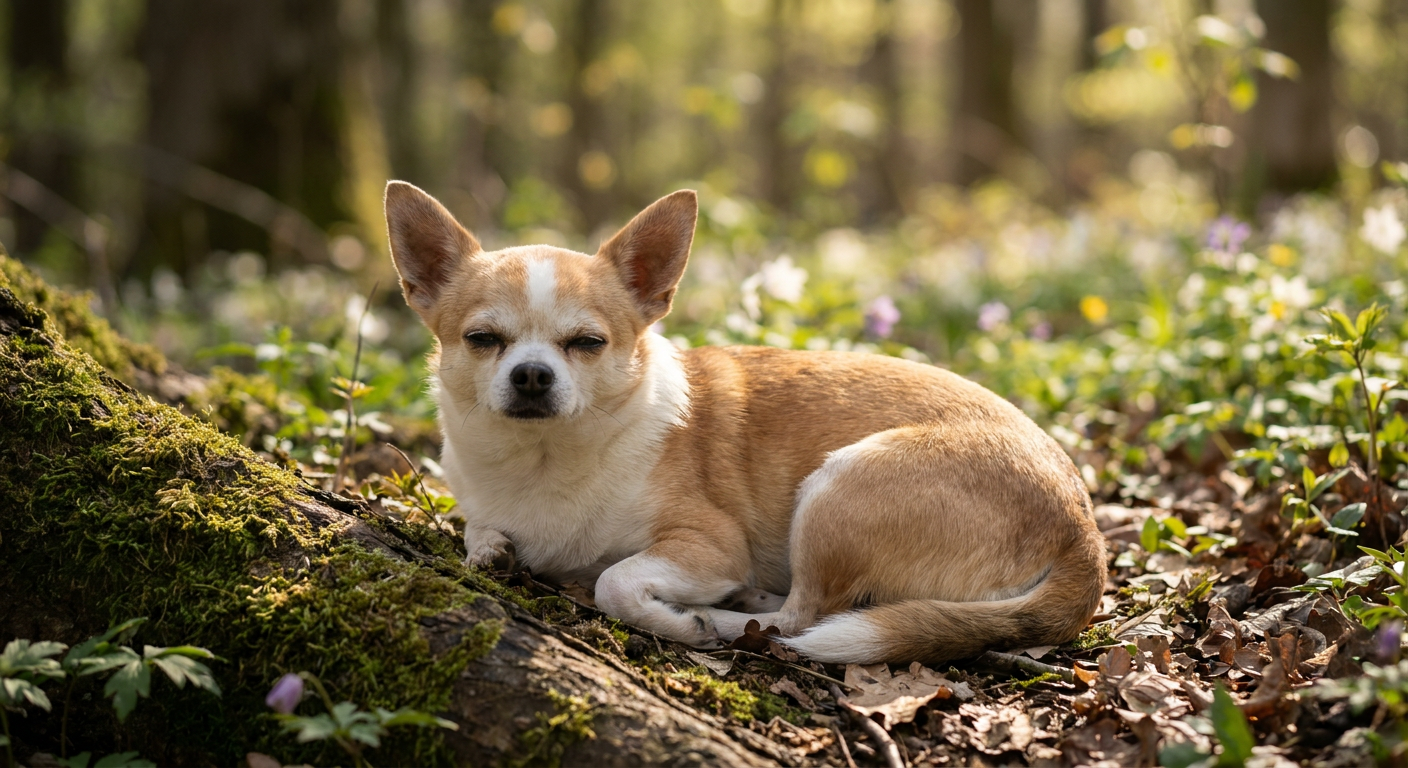
Originating from the Techichi, a small companion dog of the Toltec civilization in Mexico, the Chihuahua has a history stretching back over a thousand years. Ancestors of the breed were highly prized by Aztec nobility. The modern Chihuahua was discovered in the mid-19th century by American visitors in the Mexican state of Chihuahua, from which the breed takes its name. Their tiny size and expressive features quickly won them fans. The first Chihuahua was registered by the American Kennel Club (AKC) in 1904, and the breed has since become one of the most popular toy dogs in the world, cherished for its outsized personality and unwavering devotion to its owner.
Temperament & Personality
Possessing a "terrier-like" temperament, the Chihuahua is confident, alert, and deeply loyal, often forming a close bond with a single person. They are not typically aware of their small size and can be bold or even provocative towards larger dogs. Early and consistent socialization is crucial to prevent them from becoming overly timid or reactive. While they can be charming and affectionate companions, their "big dog in a small body" attitude requires clear boundaries and training to ensure they are well-behaved members of the household.
Health Watchouts
Top conditions reported by AKC parent clubs, OFA, and the Merck Veterinary Manual. Discuss screening with your vet — especially before breeding or insuring.
Patellar Luxation
Common (~15-20% based on OFA data)The kneecap (patella) dislocates from its normal position, causing a skipping gait, lameness, and predisposing the joint to arthritis. It's exceptionally common in toy breeds.
Screening: Veterinary orthopedic exam. The Orthopedic Foundation for Animals (OFA) provides a certification registry based on examination.
Dental Disease
Extremely Common (RVC reports >30% affected)Due to jaw overcrowding, Chihuahuas are highly prone to plaque and tartar buildup, leading to gingivitis, periodontal disease, tooth loss, and potential systemic infections.
Screening: Routine professional dental cleanings and daily home care (brushing) are essential. Annual veterinary exams are critical for early detection.
Collapsing Trachea
CommonThe cartilage rings of the windpipe (trachea) weaken and flatten, causing a characteristic "goose honk" cough, especially when excited or pulling on a lead. Severe cases can obstruct breathing.
Screening: Diagnosed via clinical signs and radiographs (X-rays). Using a harness instead of a collar is a key preventative measure.
Degenerative Mitral Valve Disease (MVD)
Common, especially in seniorsA progressive heart condition where the mitral valve degenerates, causing a leak and a heart murmur. Over time, this can lead to congestive heart failure.
Screening: Annual veterinary auscultation (listening for a murmur). An echocardiogram is required for definitive diagnosis and staging.
Hypoglycemia
Common, especially in puppiesA dangerous drop in blood sugar, particularly in tiny puppies who have minimal fat reserves. Signs include lethargy, weakness, stumbling, and seizures.
Screening: No screening test. Owners must be vigilant, ensure frequent meals, and have a source of simple sugar (like corn syrup) on hand for emergencies.
Exercise Needs
Despite their tiny size, Chihuahuas require regular exercise. Daily walks totaling 20-30 minutes are usually sufficient to keep them physically and mentally healthy. It is critical to use a harness, not a collar, to protect their delicate tracheas. Exercise should always be supervised to prevent encounters with larger dogs and to monitor for overexertion.
- Short leashed walks
- Indoor fetch with soft toys
- Puzzle feeders
- Gentle scent games
Nutrition
Daily calories: 150-275 kcal/day
Due to their small stomachs and risk for hypoglycemia, splitting their daily food intake into 2-3 small meals is recommended. Use a high-quality, small-breed specific kibble. Precise portion control is essential, as even a small amount of extra food can lead to obesity.
Common allergens to watch: Chicken, Beef.
⚠ Obesity is a major health risk, placing severe strain on their tiny joints and heart. An ideal body condition means you can easily feel their ribs but not see them. Use a measuring cup for every meal and strictly limit treats to avoid weight gain.
Entertainment & Enrichment
Chihuahuas need mental engagement to prevent boredom-related behaviors like excessive barking. Their intelligence shines when given tasks to do. Interactive play with their owner is their favorite form of enrichment. Training sessions, puzzles, and safe outlets for their curiosity will result in a happier, quieter companion.
- Food-dispensing puzzle toys
- Learning new tricks
- Controlled exposure to new sights and sounds
- Hide-and-seek with treats or toys
Grooming & Coat Care
The smooth-coat variety requires minimal grooming—just a weekly wipe-down or brushing. Long-coated Chihuahuas need brushing several times a week to prevent mats and tangles, especially around the ears and tail. Nails must be trimmed regularly. The most critical grooming task is daily tooth brushing to combat severe dental disease.
Training
Early and consistent socialization is non-negotiable to produce a well-adjusted adult. Use positive reinforcement techniques; they are sensitive and do not respond well to harsh methods. Housetraining can be challenging and requires patience. It is vital to teach basic commands and set boundaries to prevent "small dog syndrome," where the dog believes it is the pack leader.
Cost of Ownership
Lifetime cost depends on size, lifespan, and health risks. Try our Lifetime Cost Calculator →
Cost band for Chihuahua: low.
How insurance, vet care & grooming connect for the Chihuahua
These three costs move together. The Chihuahua’s coat, energy, and breed-specific health watchouts shape each one — here’s how they line up.
Insurance band
Common hereditary conditions raise claim odds
Vet service load
High activity raises orthopedic & injury visits
Grooming demand
Long coat tangles without weekly grooming
Estimated monthly spend (typical adult)
Insurance
$60
Routine vet
$50
Grooming
$60
Combined estimate
~$170/mo(±20%, US averages)
* Estimates derived from breed traits (coat, energy, health watchouts, lifespan). Actual costs vary by location, age, and provider.
Living Situation Fit
Chihuahuas are ideal apartment dwellers. However, they are not recommended for households with young children due to their extreme fragility. They can be vocal, which may be a consideration for neighbors. They have very little tolerance for cold weather and require a coat in cooler climates. They should never be left unsupervised outdoors.
Choosing a Puppy
Select a breeder who performs and provides documentation for health screenings, particularly for patellar luxation (OFA) and heart conditions. A responsible breeder will raise puppies inside the home, socialize them extensively, and ask you many questions. Look for a puppy that is curious and alert, not one that is hiding in a corner or overly aggressive.
Frequently Asked Questions
Are Chihuahuas good with kids?
Generally, no. Due to their tiny, fragile frame, they can be easily injured by well-meaning but clumsy children. They may also snap or bite if they feel scared or are handled roughly. They are better suited to adult-only homes or families with older, respectful children.
Why do Chihuahuas shake so much?
Shaking is a common trait and can be caused by many things: high metabolism making them cold, excitement, nervousness, or low blood sugar (hypoglycemia). If shaking is accompanied by other symptoms like lethargy or disorientation, consult a veterinarian immediately.
Do Chihuahuas bark a lot?
Yes, they can be very vocal. They are alert watchdogs and will often bark at strangers, new sounds, or out of boredom. Consistent training and ensuring they have enough mental and physical exercise can help manage and reduce excessive barking.
Are Chihuahuas hard to house-train?
They have a reputation for being difficult to house-train. Their small bladder size means they need frequent potty breaks, especially as puppies. Consistency, patience, and a strict routine are key to success. Some owners opt to also train them to use indoor potty pads.