History & Origin
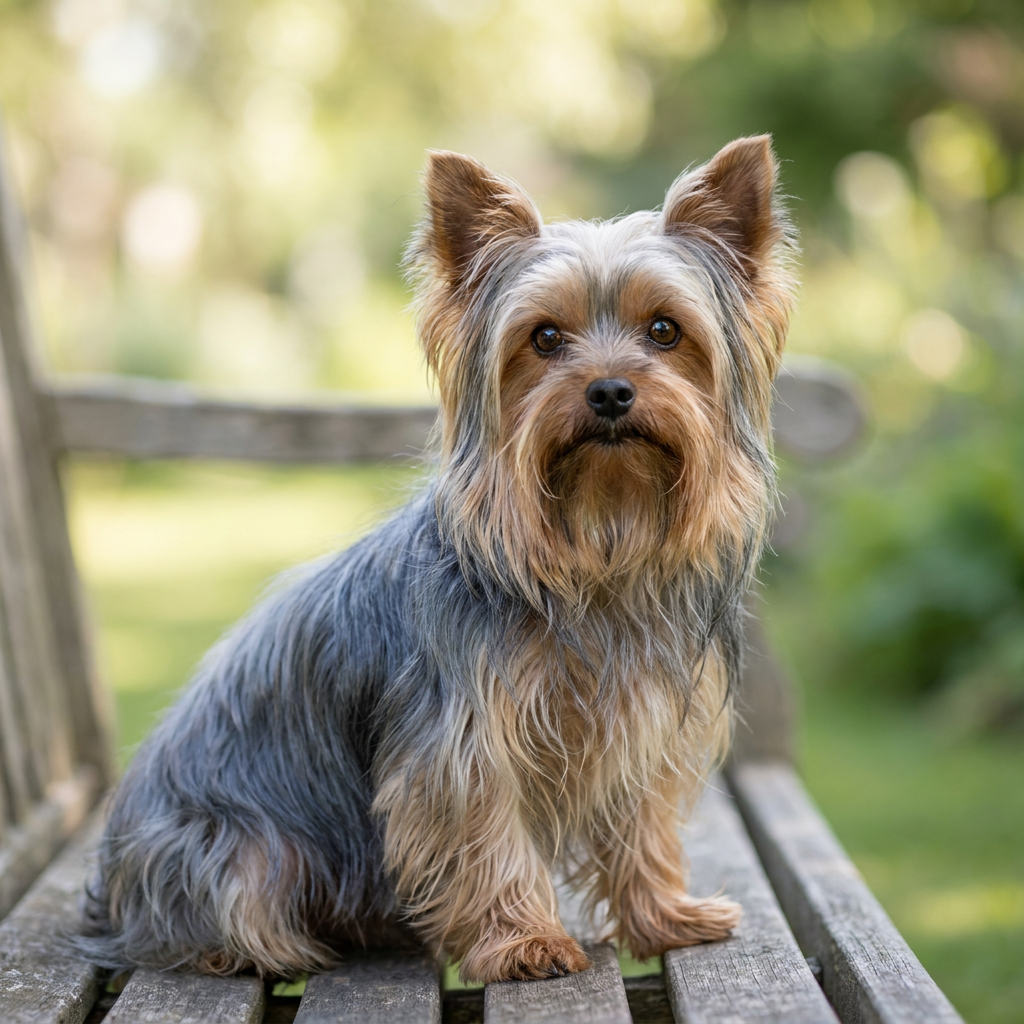
Yorkies were created by 19th-century Yorkshire mill workers to kill rats in textile factories. The original Yorkies were larger and tougher; selective breeding shrank them to lap-dog size while preserving the fearless terrier temperament. AKC recognized the breed in 1885.
Temperament & Personality
Bold, confident, devoted to family, suspicious of strangers. Yorkies have outsized personalities and will challenge much larger dogs. They bond intensely with one primary person.
Health Watchouts
Top conditions reported by AKC parent clubs, OFA, and the Merck Veterinary Manual. Discuss screening with your vet — especially before breeding or insuring.
Dental disease
Nearly universal by age 3Tiny crowded mouths trap plaque.
Screening: Daily brushing; annual cleanings under anesthesia
Patellar luxation
Common in toy breedsSlipping kneecap; surgical correction in severe cases.
Screening: Veterinary orthopedic exam
Tracheal collapse
Yorkie-specific riskWeakening of tracheal cartilage causes honking cough. Use harnesses, never neck collars.
Screening: Chest X-ray if cough develops
Portosystemic shunt
Higher than averageLiver blood vessel abnormality, typically diagnosed in puppies.
Screening: Bile acid test if pup is small or slow-growing
Hypoglycemia (puppies)
CommonLow blood sugar in tiny puppies — emergency.
Screening: Frequent small meals; monitor for lethargy
Exercise Needs
Yorkies need 30–45 minutes of daily walking and play.
- Two 15–20 minute walks
- Indoor fetch with soft toys
- Short hikes (their stamina exceeds expectations)
- Trick training
- Use harness only — never collar (tracheal collapse risk)
Nutrition
Daily calories: Adult: 200–300 kcal/day.
2–3 small meals daily for adults; puppies need 3–4 meals to prevent hypoglycemia. Premium small-breed AAFCO diet.
Common allergens to watch: Chicken, Beef, Dairy.
⚠ 1 lb overweight on a 6-lb dog is a 17% increase. Body condition 4–5/9.
Entertainment & Enrichment
Yorkies are smart and love training. Channel terrier energy into games.
- Trick training (Yorkies excel)
- Puzzle feeders
- Snuffle mats
- Scent games
- Short agility (mini courses)
Grooming & Coat Care
The big commitment. Show coat: daily brushing and topknot. Pet 'puppy clip': brush 3× weekly + professional grooming every 4–6 weeks ($50–80). Bathe weekly to bi-weekly. Daily tooth brushing is essential. Clean tear stains daily.
Training
Highly trainable but stubborn. Yorkies respond beautifully to positive reinforcement and food motivation. Housetraining takes patience — small bladders and weather aversion slow progress. Indoor potty pads can supplement.
Cost of Ownership
Lifetime cost depends on size, lifespan, and health risks. Try our Lifetime Cost Calculator →
Cost band for Yorkshire Terrier: low.
How insurance, vet care & grooming connect for the Yorkshire Terrier
These three costs move together. The Yorkshire Terrier’s coat, energy, and breed-specific health watchouts shape each one — here’s how they line up.
Insurance band
Common hereditary conditions raise claim odds
Vet service load
Several conditions worth annual screening
Grooming demand
Professional clipping every 6–8 weeks
Estimated monthly spend (typical adult)
Insurance
$60
Routine vet
$45
Grooming
$60
Combined estimate
~$165/mo(±20%, US averages)
* Estimates derived from breed traits (coat, energy, health watchouts, lifespan). Actual costs vary by location, age, and provider.
Living Situation Fit
Apartment-perfect. Yorkies are small, quiet (with training), and content with indoor exercise. Travel well. They are velcro dogs and need someone home most of the day.
Choosing a Puppy
Choose breeders who screen for patellas, eyes, liver shunts and dental conformation. Avoid 'teacup' Yorkies — they have severe health problems and die young. Yorkie rescue organizations have many adults needing homes.
Frequently Asked Questions
Are Yorkies good for apartments?
Yes — they're among the best apartment breeds. Small, low-shedding, content with indoor exercise, and travel well. The main caveats are alert barking (training helps) and dental needs.
How long do Yorkies live?
Average lifespan is 13–16 years — among the longest of any breed. Dental care, lean body condition and avoiding tracheal damage (harness only) extend lifespan.
Are Yorkshire Terriers hypoallergenic?
Yorkies have hair (not fur) that grows continuously like human hair. They shed minimally and produce less dander than most breeds. Many allergy sufferers tolerate them well, but no dog is 100% hypoallergenic.
Are Yorkies good with kids?
Better with older, gentler children. Yorkies are fragile (a fall from a sofa can cause serious injury) and may snap if grabbed roughly. Households with toddlers should choose a sturdier breed.