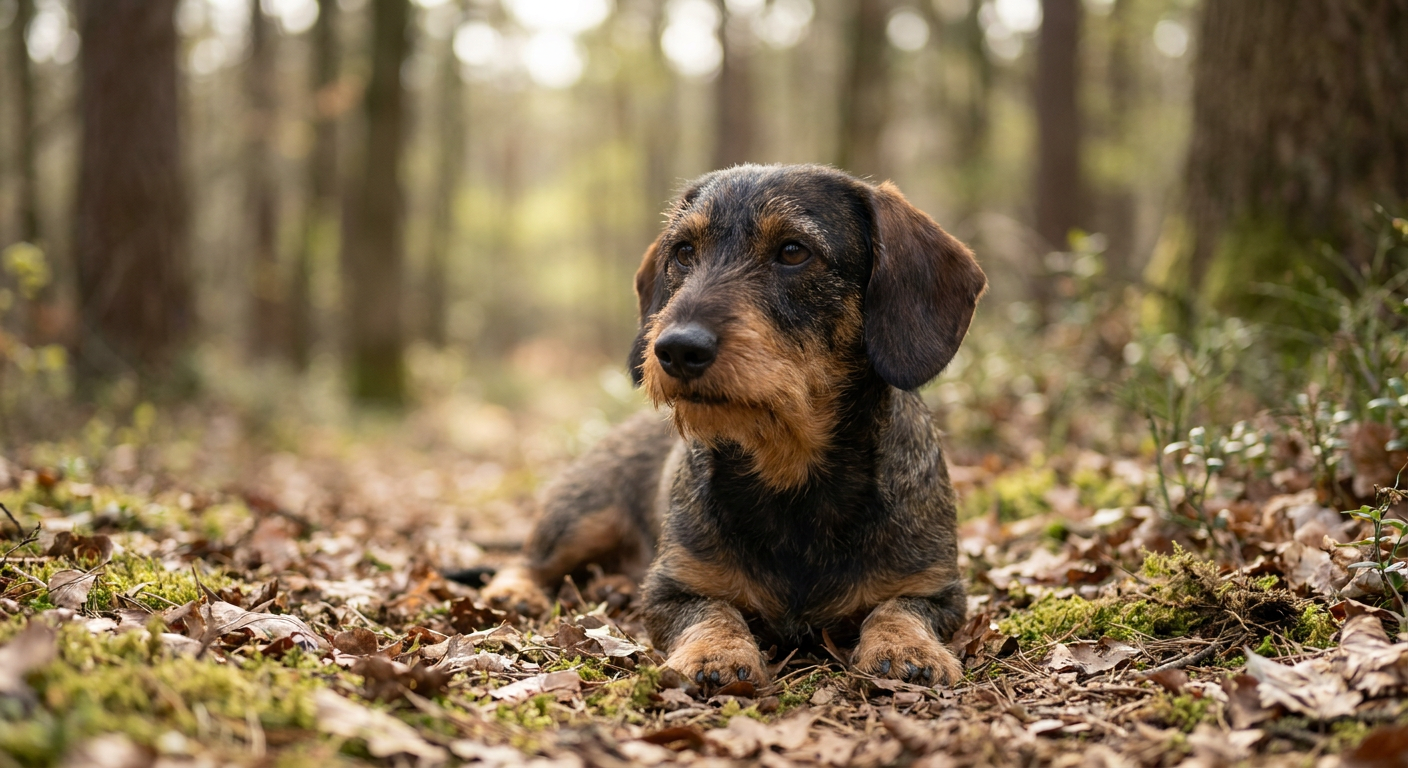
History & Origin
The name means 'badger dog' in German — they were bred to dig into badger setts and fight underground. The long body let them squeeze into tunnels; the loud bark let hunters above ground track them. AKC recognized the breed in 1885; today they're America's most popular hound and consistent top-15 breed.
Temperament & Personality
Bold, lively, devoted to one or two people. Dachshunds are famously stubborn, suspicious of strangers, and prone to alert barking. They form intense bonds and can be protective.
Health Watchouts
Top conditions reported by AKC parent clubs, OFA, and the Merck Veterinary Manual. Discuss screening with your vet — especially before breeding or insuring.
Intervertebral disc disease (IVDD)
Up to 25% lifetime riskThe defining health issue. Disc herniation causes back pain, paralysis, and often emergency surgery.
Screening: Avoid jumping/stairs; X-ray screening discussed for breeding stock
Obesity
Very commonExtra weight worsens IVDD risk dramatically.
Screening: Monthly body condition; measure food
Patellar luxation
Mostly mini DachshundsSlipping kneecap.
Screening: Veterinary orthopedic exam
Dental disease
Very commonCrowded mouths trap plaque.
Screening: Daily brushing; annual cleanings
Cushing's disease
Above-averageAdrenal disorder causing excessive thirst, panting, hair loss.
Screening: Veterinary workup if symptomatic
Exercise Needs
Dachshunds need 30–60 minutes of daily walking. Avoid jumping and stairs lifelong.
- Two 20–30 minute walks
- Flat-ground play
- Scent work and tracking
- Swimming with life vest (low-impact)
- Avoid: stairs, jumping on/off furniture, rough play
Nutrition
Daily calories: Adult standard: 600–800 kcal/day. Mini: 300–500 kcal/day.
Two measured meals daily. Strict portion control. Treats ≤10% of calories.
Common allergens to watch: Chicken, Beef, Wheat.
⚠ Even 1 lb overweight on a Dachshund radically increases IVDD risk. Body condition 4–5/9 is essential.
Entertainment & Enrichment
Dachshunds love scent work and digging. Channel the badger-hunter into productive games.
- Nose work games and snuffle mats
- Sandbox or digging pit in the yard
- Treat-dispensing puzzles
- Short trick training
- Dachshund playgroups
Grooming & Coat Care
Smooth: weekly brush. Longhair: brush 2–3× weekly. Wirehair: weekly brush + professional hand-stripping every 2–3 months. Bathe every 6–8 weeks. Trim nails every 3–4 weeks. Clean ears weekly (floppy ears trap moisture).
Training
Stubborn but smart. Use high-value rewards and short sessions. Housetraining can take 6+ months — crate training and consistent schedule help. Early socialization prevents reactivity to strangers.
Cost of Ownership
Lifetime cost depends on size, lifespan, and health risks. Try our Lifetime Cost Calculator →
Cost band for Dachshund: low.
How insurance, vet care & grooming connect for the Dachshund
These three costs move together. The Dachshund’s coat, energy, and breed-specific health watchouts shape each one — here’s how they line up.
Insurance band
Common hereditary conditions raise claim odds
Vet service load
Several conditions worth annual screening
Grooming demand
Long coat tangles without weekly grooming
Estimated monthly spend (typical adult)
Insurance
$60
Routine vet
$45
Grooming
$60
Combined estimate
~$165/mo(±20%, US averages)
* Estimates derived from breed traits (coat, energy, health watchouts, lifespan). Actual costs vary by location, age, and provider.
Living Situation Fit
Apartment-perfect. Dachshunds are small and content indoors. Eliminate stairs and high furniture access (use ramps). Vocal — neighbors will hear alert barking.
Choosing a Puppy
Choose breeders who screen for IVDD risk markers, patellas, and eyes. Avoid 'designer' colors (double dapple, piebald homozygotes) due to associated deafness/blindness. Many Dachshunds in rescue — they're often surrendered when IVDD costs hit.
Frequently Asked Questions
How long do Dachshunds live?
Average lifespan is 12–16 years — among the longest-lived breeds. Lean body condition and avoiding jumping protect spinal health and add years.
Are Dachshunds good with kids?
Better with older, gentler children. Dachshunds dislike rough handling and may snap if grabbed or chased. They're patient with respectful kids who learn to support the spine when carrying.
Why can't Dachshunds jump?
Their long spine relative to short legs creates extreme leverage on intervertebral discs. Jumping off a couch can herniate a disc. Use ramps for furniture and carry them up/down stairs lifelong.
Do Dachshunds bark a lot?
Yes. They were bred to bark loudly underground so hunters could track them. Modern Dachshunds alert-bark at every doorbell, footstep and squirrel. Training reduces but rarely eliminates the behavior.