Hound Group
Hounds split into two camps. Scent hounds (Beagle, Bloodhound, Basset, Coonhound) follow ground scent for hours. Sight hounds (Greyhound, Whippet, Saluki, Borzoi) chase moving prey at extraordinary speed. Both share an intense focus on their quarry that can override basic recall — most hounds are not safe off-leash in unfenced areas.
Common Traits at a Glance
- energy
- Moderate to high (3–4/5)
- exercise
- 45–90 min/day
- trainability
- Variable
- kid Friendly
- Generally good
- shedding
- Low to medium
History & Origin
Hounds are among the oldest dog types — Egyptian carvings show sight hound silhouettes 5,000 years ago. Scent hound packs were central to medieval European hunts. Today most hounds are companion or competition dogs, but the genetics are unchanged.
Is a Hound dog right for you?
Great fit if you…
- •Sight hounds are surprisingly couch-potato indoors
- •Scent hounds excel at nose work and tracking sports
- •Generally healthy with long lifespans
Maybe not if you…
- •Unreliable off-leash recall
- •Scent hounds are vocal (bay, bark, howl)
- •Bored hounds can be Houdini-level escape artists
Flagship breeds in this group
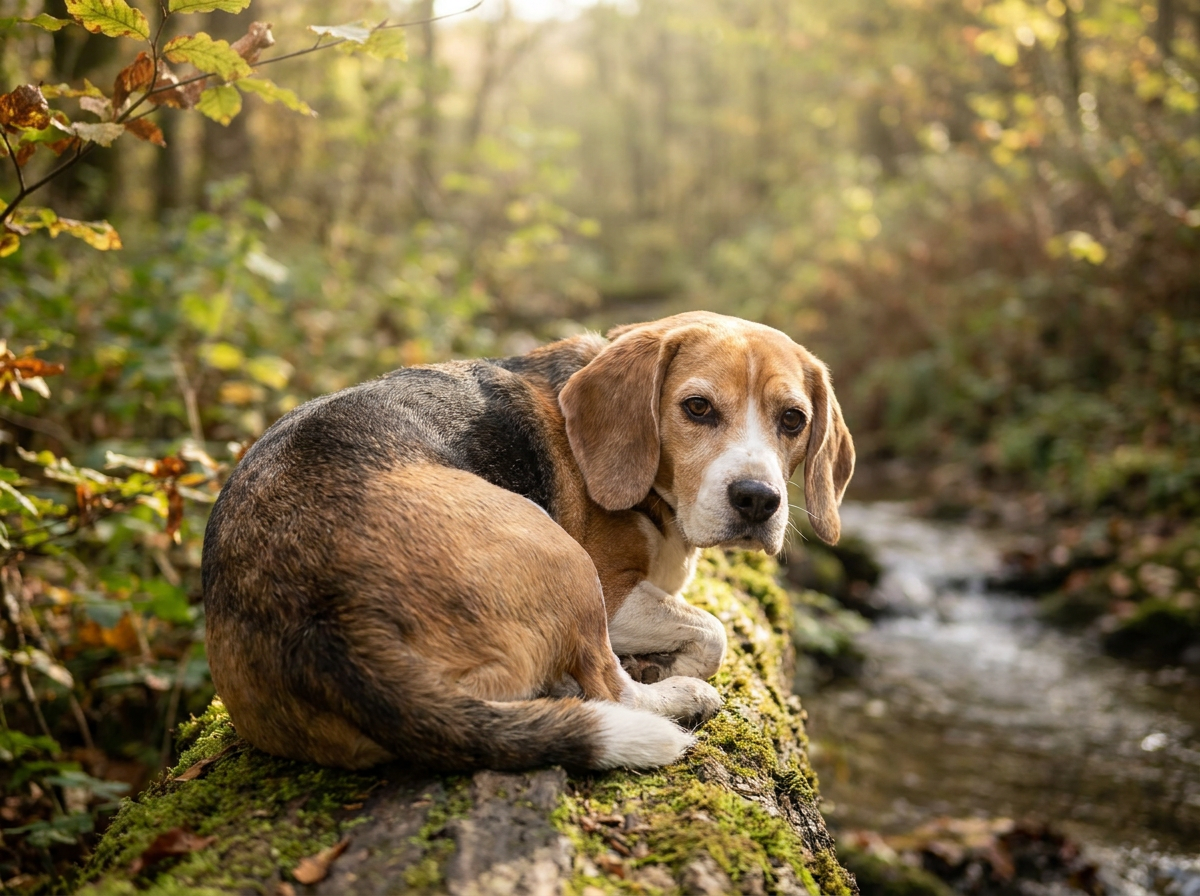
Beagle
Cheerful, curious, and incurably nose-driven. Beagles are friendly family dogs that come in a tidy 13–15 inch package. They're great with kids and other pets, generally healthy, and surprisingly active. The catch: world-class scent drive means unreliable recall, vocal baying, and Houdini-level escape attempts.
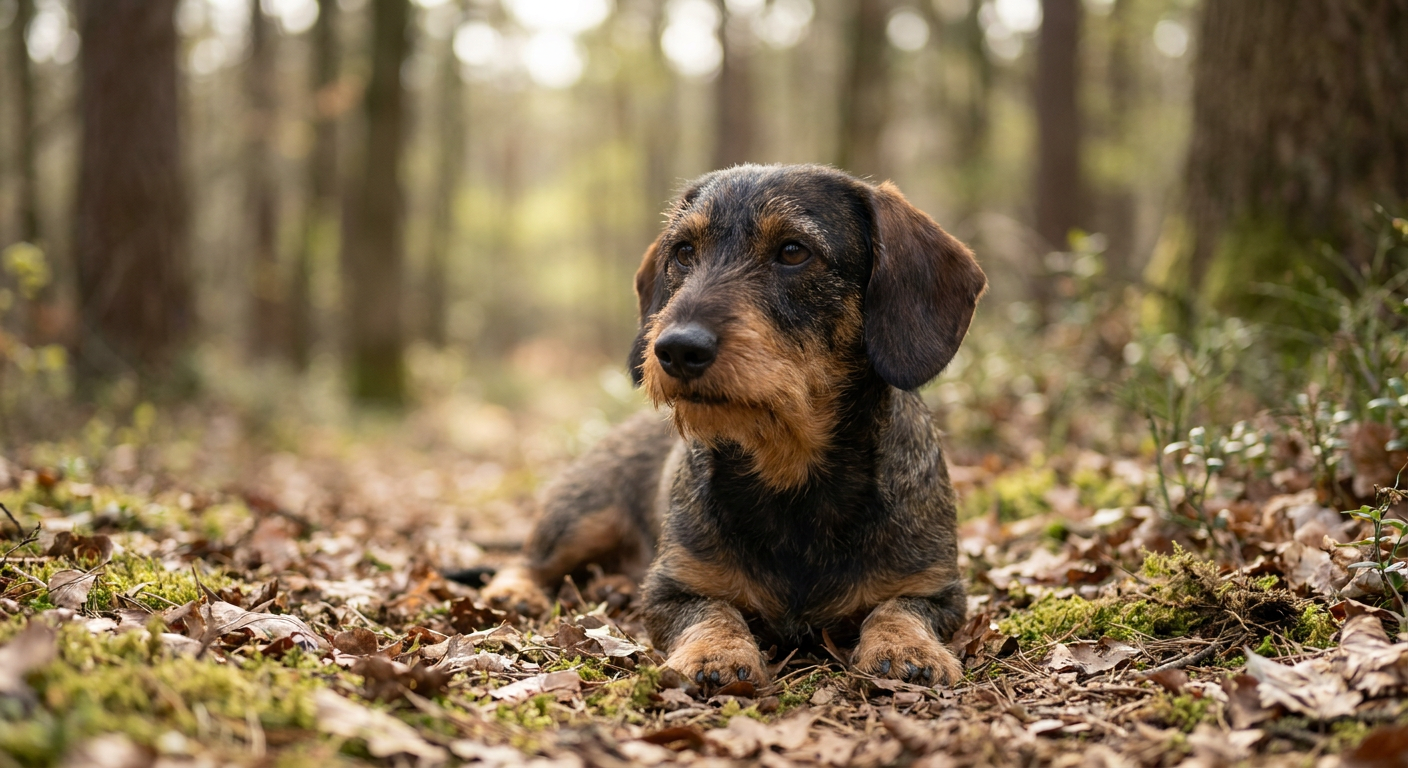
Dachshund
Long, low, and absolutely convinced they're 80 pounds. Dachshunds are bold, clever, devoted little hounds bred to hunt badgers — which makes them brave, vocal, and stubborn. They're great apartment dogs and devoted companions, but their long backs are vulnerable to disc disease. No jumping, no stairs.
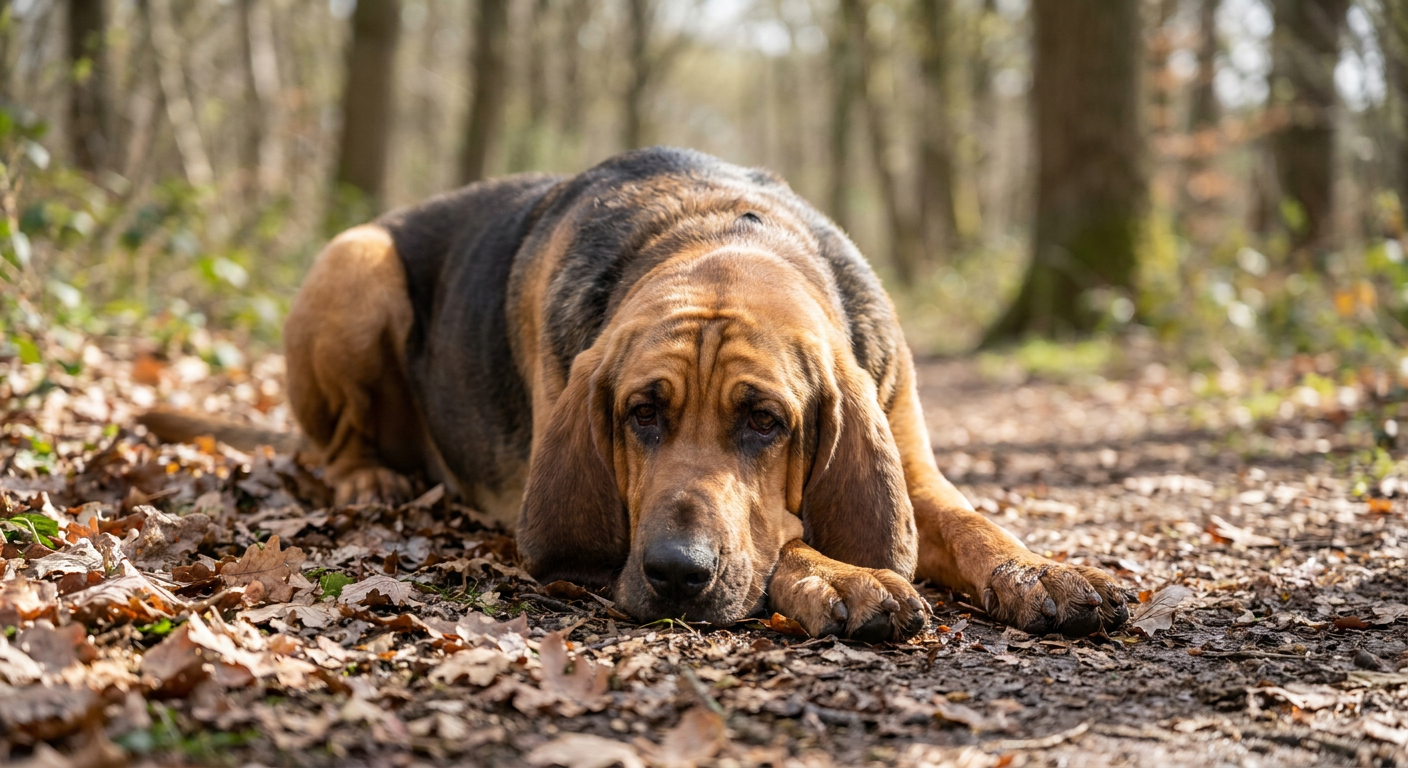
Bloodhound
The Bloodhound is a gentle giant, famed for its unparalleled nose and affectionate, patient nature. While loving with family, their stubborn, independent streak and single-minded focus on scent make training a challenge. Owners must be prepared for significant drool, loud baying, and the absolute necessity of a leash on walks. They require experienced handling and a well-fenced yard.
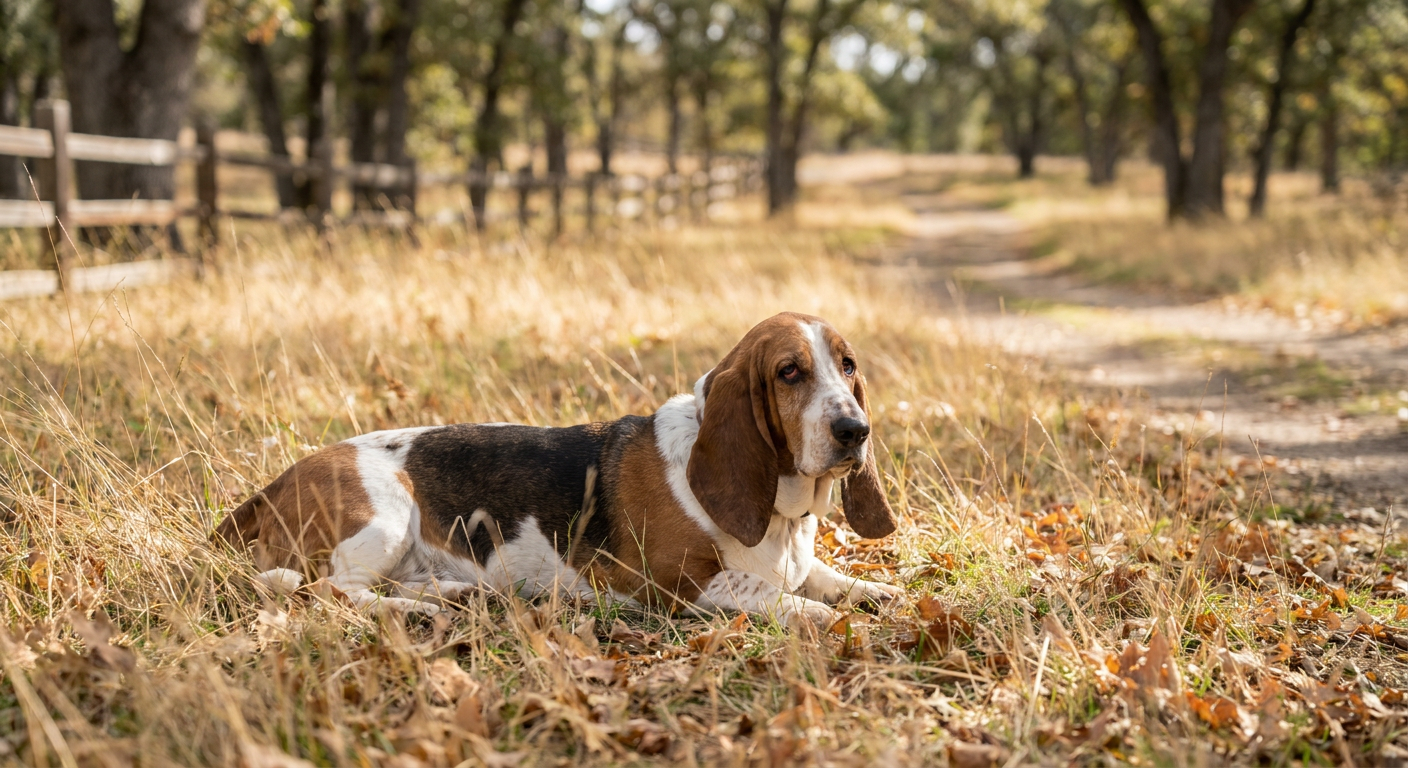
Basset Hound
The Basset Hound is a famously placid and charming companion, but new owners must be prepared for a stubborn, scent-driven nature and a loud bay. Their distinctive long-and-low build is linked to serious health risks, particularly spinal problems (IVDD) and chronic ear infections. This is not a low-maintenance breed; they require significant commitment to grooming and veterinary care.
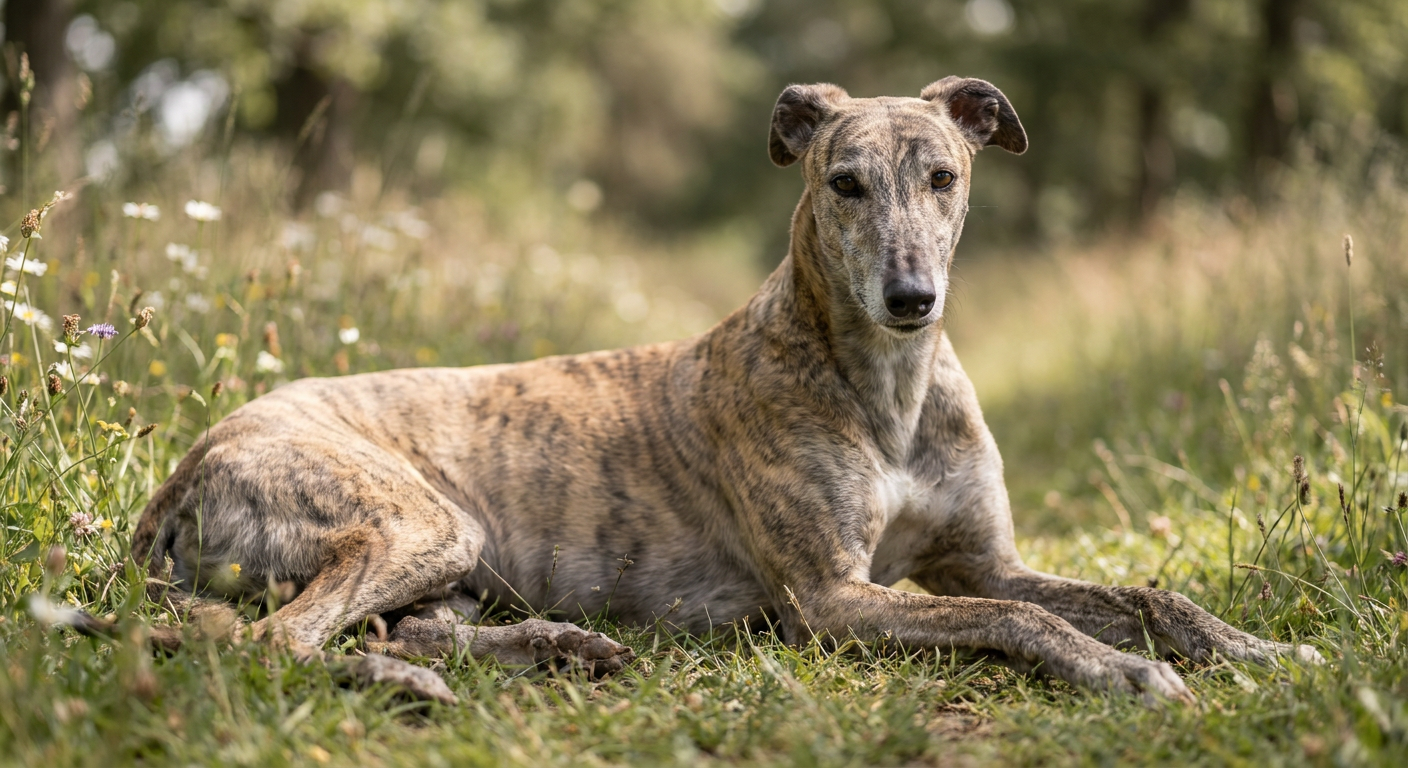
Greyhound
Often called the “45-mph couch potato,” the Greyhound is a study in contrasts. An explosive sprinter outdoors, it is a serene, gentle, and surprisingly low-energy companion indoors. While loving, they are sensitive and independent. Their powerful prey drive means a leash and a securely fenced yard are non-negotiable. They are best for a calm home that appreciates their quiet affection.
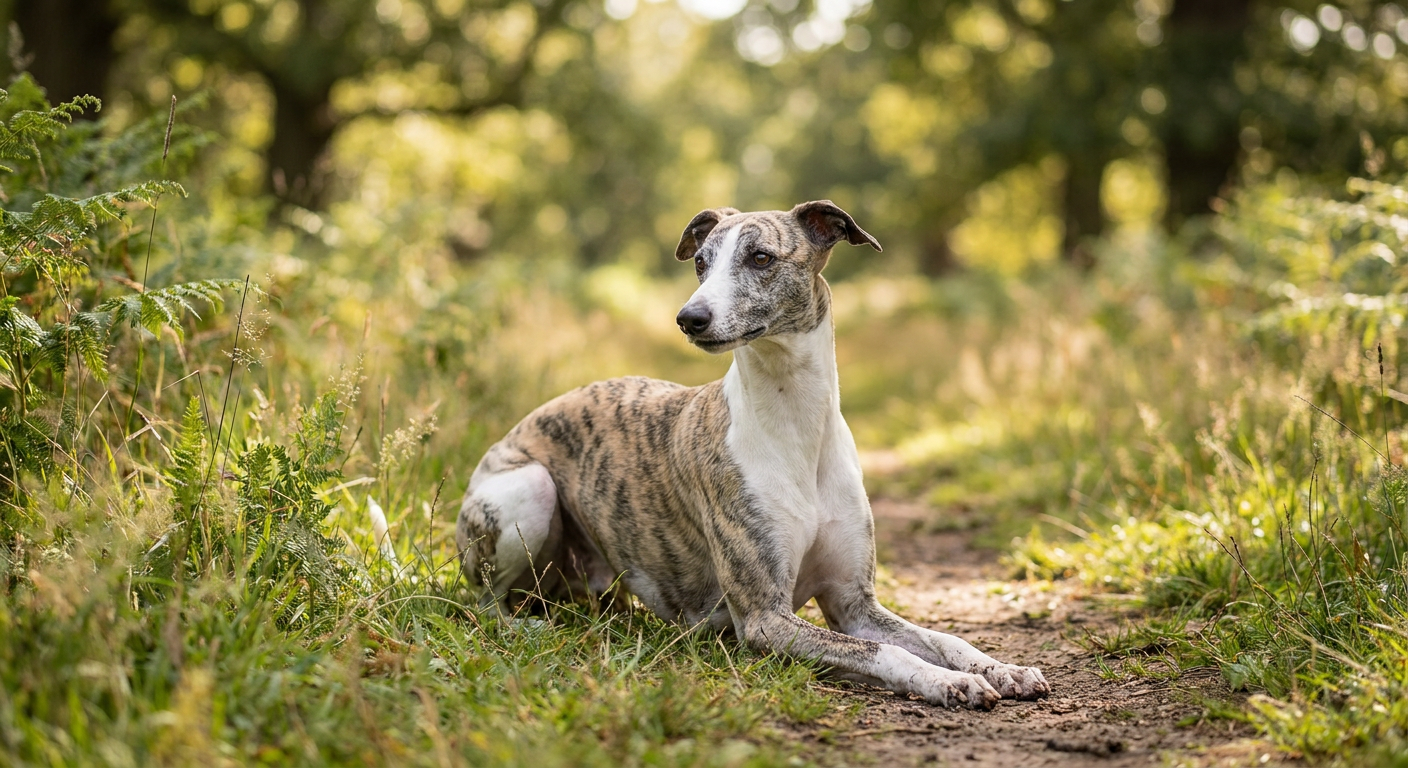
Whippet
Fast, gentle, and quiet, the Whippet is a study in contrasts. They are explosive sprinters outdoors but serene, cat-like companions inside. Ideal for owners who can provide a secure area for daily runs, they are adaptable to apartment living. Grooming is minimal, but their sensitive nature requires positive training. Their high prey drive makes off-leash activity in unfenced areas unsafe.
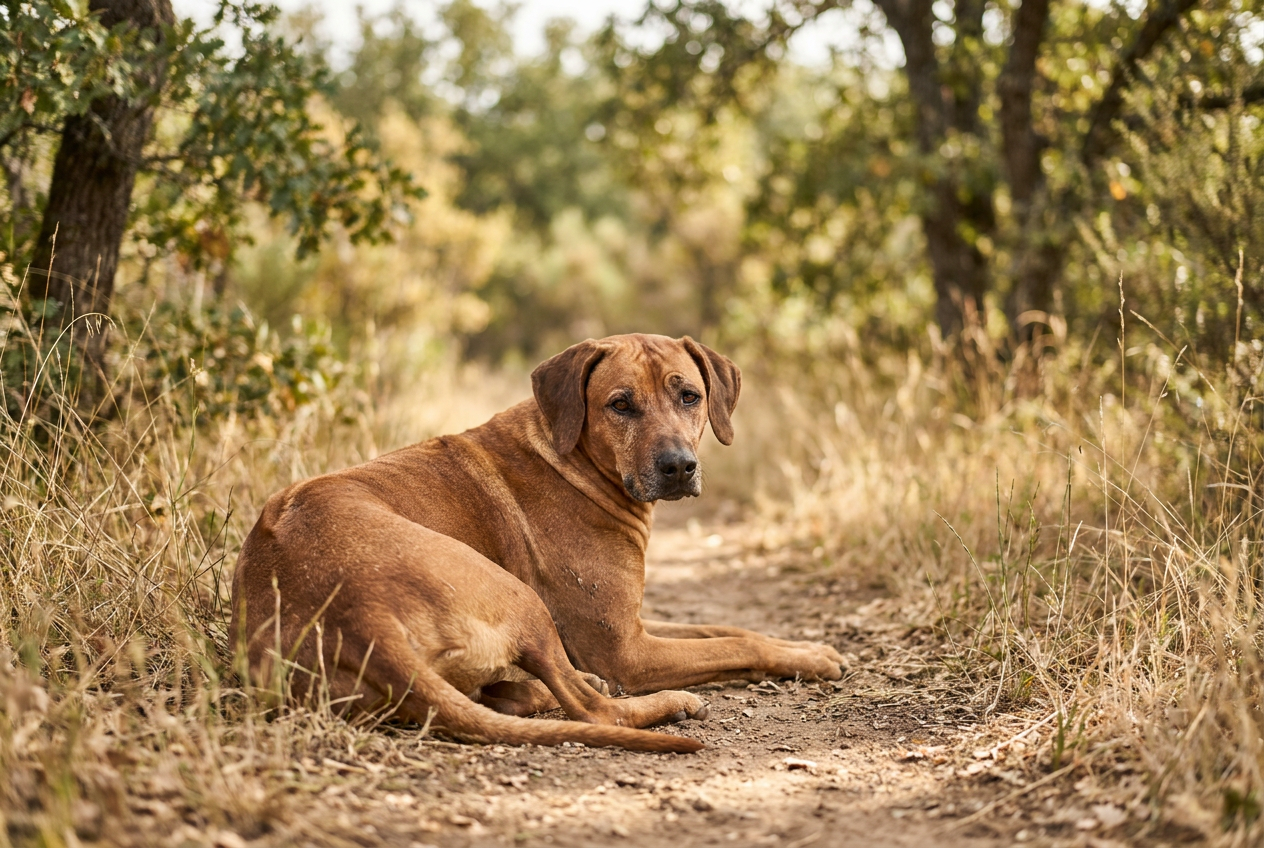
Rhodesian Ridgeback
The Rhodesian Ridgeback is a dignified, athletic hound known for its trademark spinal ridge. Loyal and affectionate with family, they are reserved with strangers and possess a strong will and high prey drive. Their intelligence and energy demand significant exercise and experienced handling. This is not a breed for the novice owner; they require extensive socialization and consistent training.
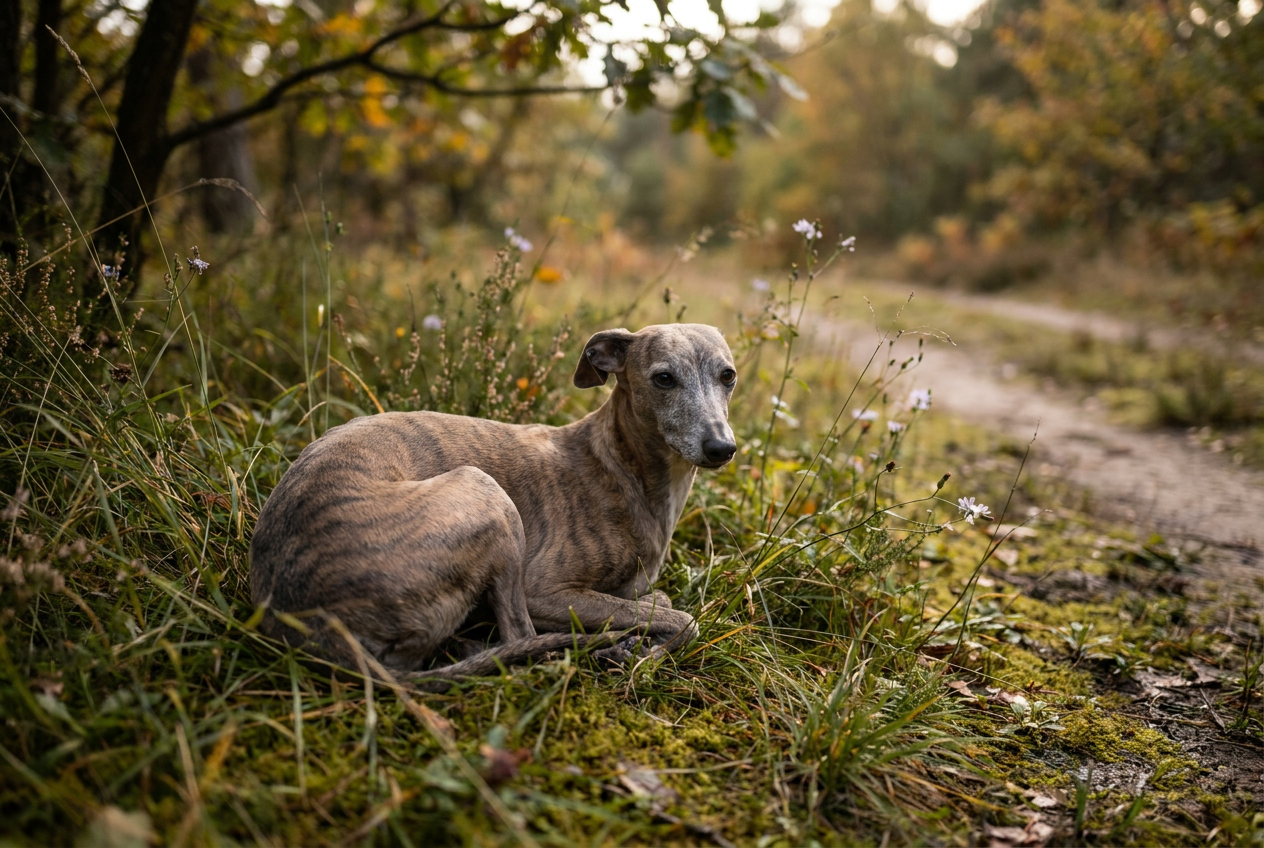
Italian Greyhound
The miniature sighthound — Italian Greyhounds are graceful, gentle and surprisingly couch-loving despite their athletic build. They need 30–45 minutes of daily exercise, are sensitive to cold, and bond intensely with their person. Fragile bones mean jumping from furniture is risky.
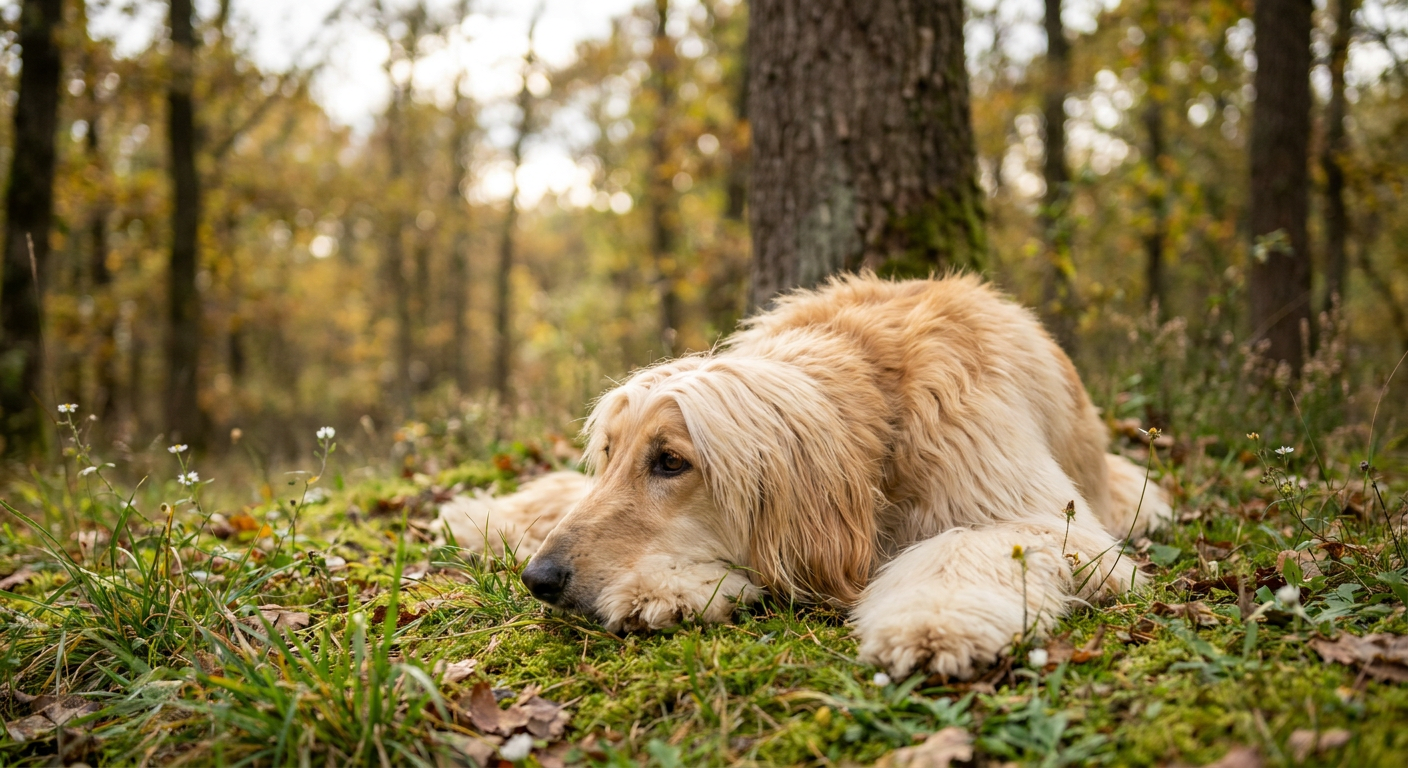
Afghan Hound
The supermodel of the dog world — an ancient sighthound with flowing silky coat and aloof, dignified bearing. Afghans are intelligent but independent (not biddable), need 60+ minutes of daily exercise, and require serious grooming (3–4 hours weekly). Best for experienced owners who appreciate their unique cat-like nature.
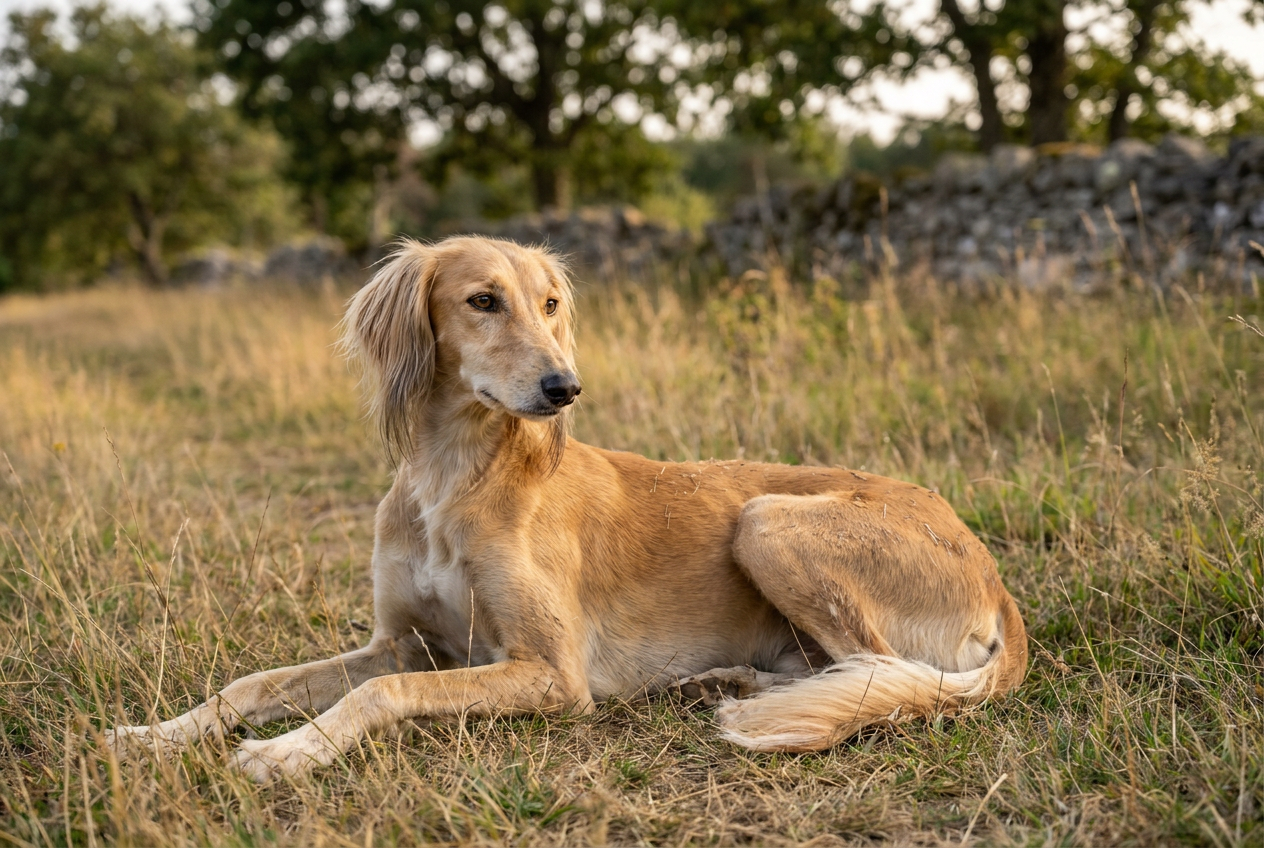
Saluki
One of the oldest dog breeds — a Middle Eastern sighthound bred to course gazelle across desert sand. Salukis are graceful, gentle, and intensely athletic, capable of 40+ mph sprints. They need fenced exercise space, weekly grooming of feathered ears and tail, and respectful handling — they bruise emotionally easily.
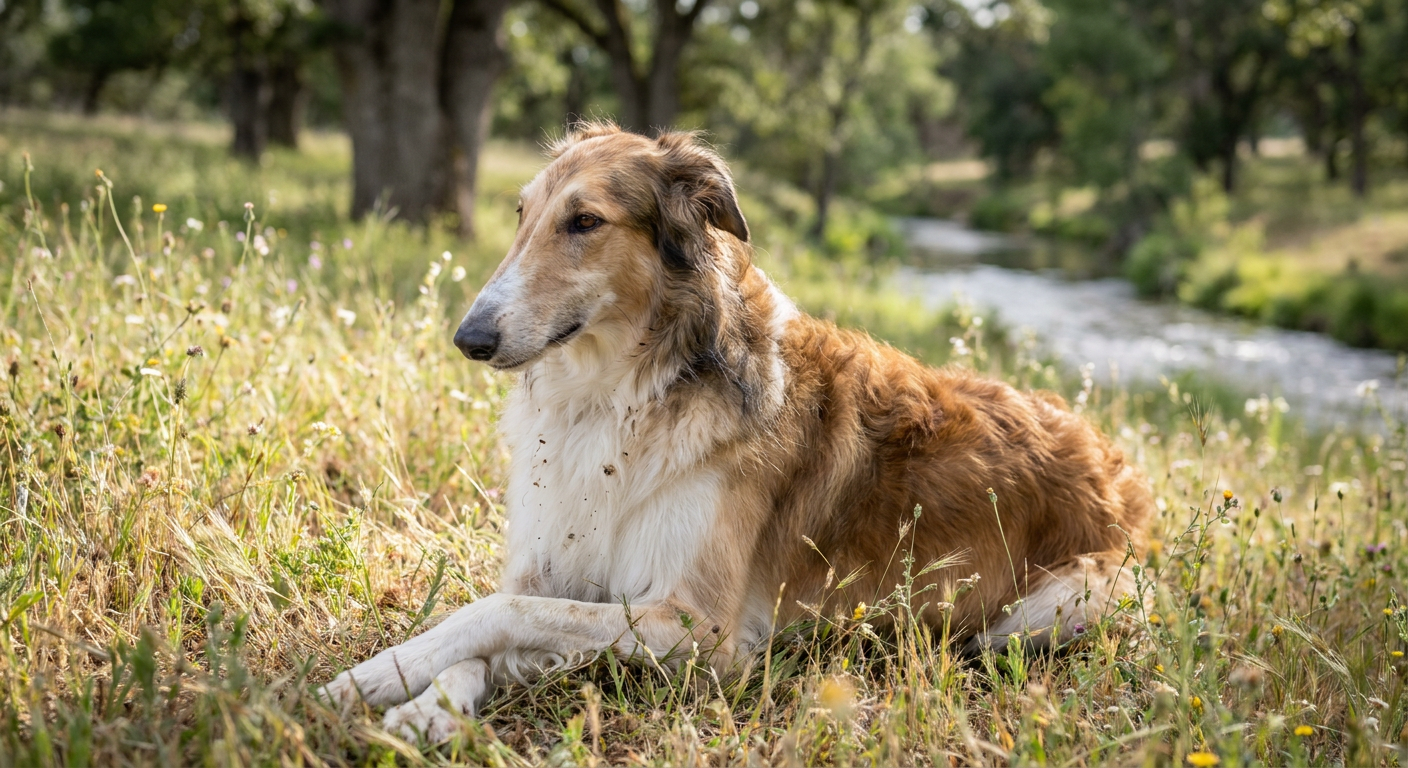
Borzoi
The Russian wolfhound — tall, elegant, and historically the favorite of Russian czars. Borzois are gentle, dignified, and surprisingly low-energy indoors despite needing daily sprints. They're sensitive, sometimes aloof, and require an experienced sighthound owner with a securely fenced yard.
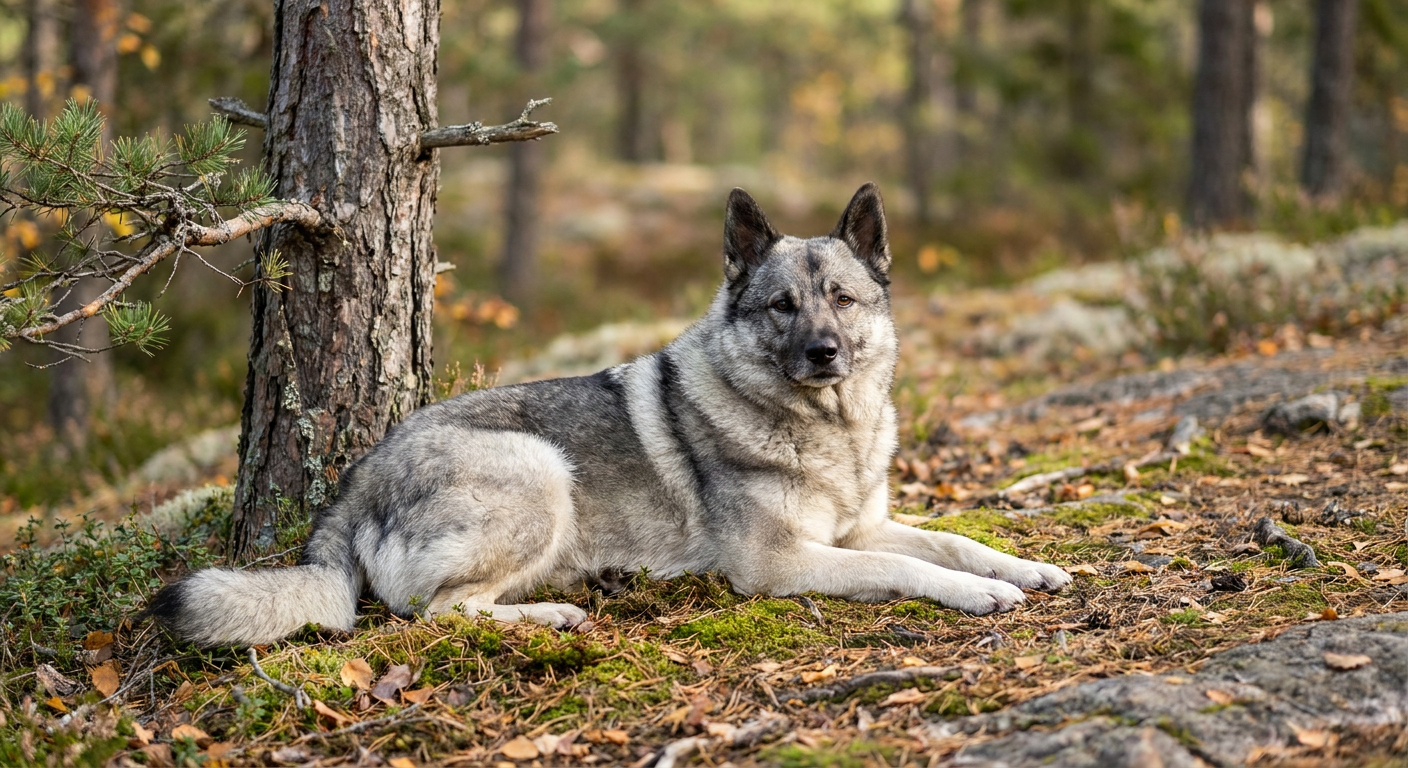
Norwegian Elkhound
Norway's national dog — an ancient spitz hunting hound used to track moose ('elk' in Europe) and bear. Elkhounds are bold, friendly, and tireless workers with a thick double coat suited for cold climates. They need 60 minutes of daily exercise and shed prodigiously twice a year.
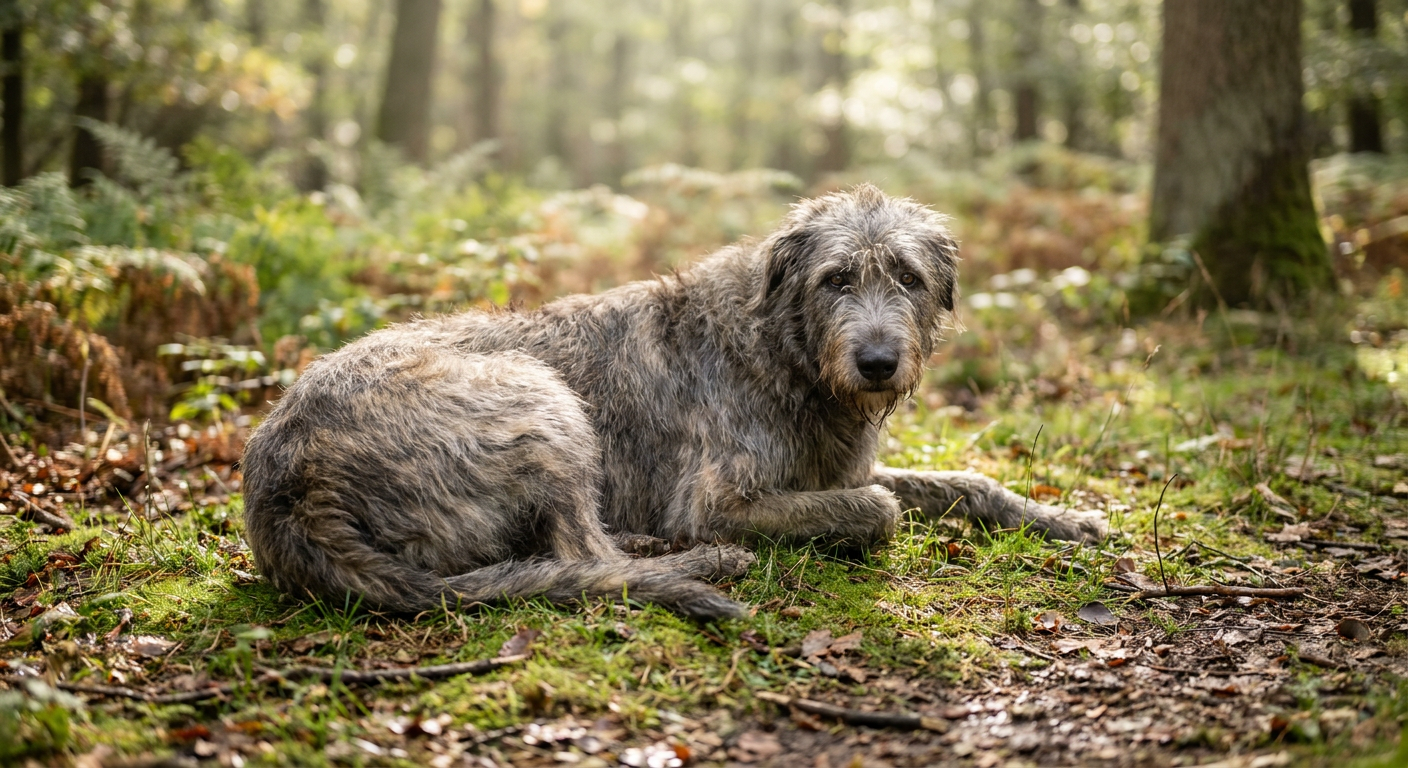
Irish Wolfhound
The tallest of all AKC breeds, this sight hound combines a commanding presence with a serene, dignified personality. Despite their massive frame, they are sensitive souls that thrive on human companionship. Potential owners must account for their significant size, relatively short lifespan, and the potential for serious health issues common to giant breeds.
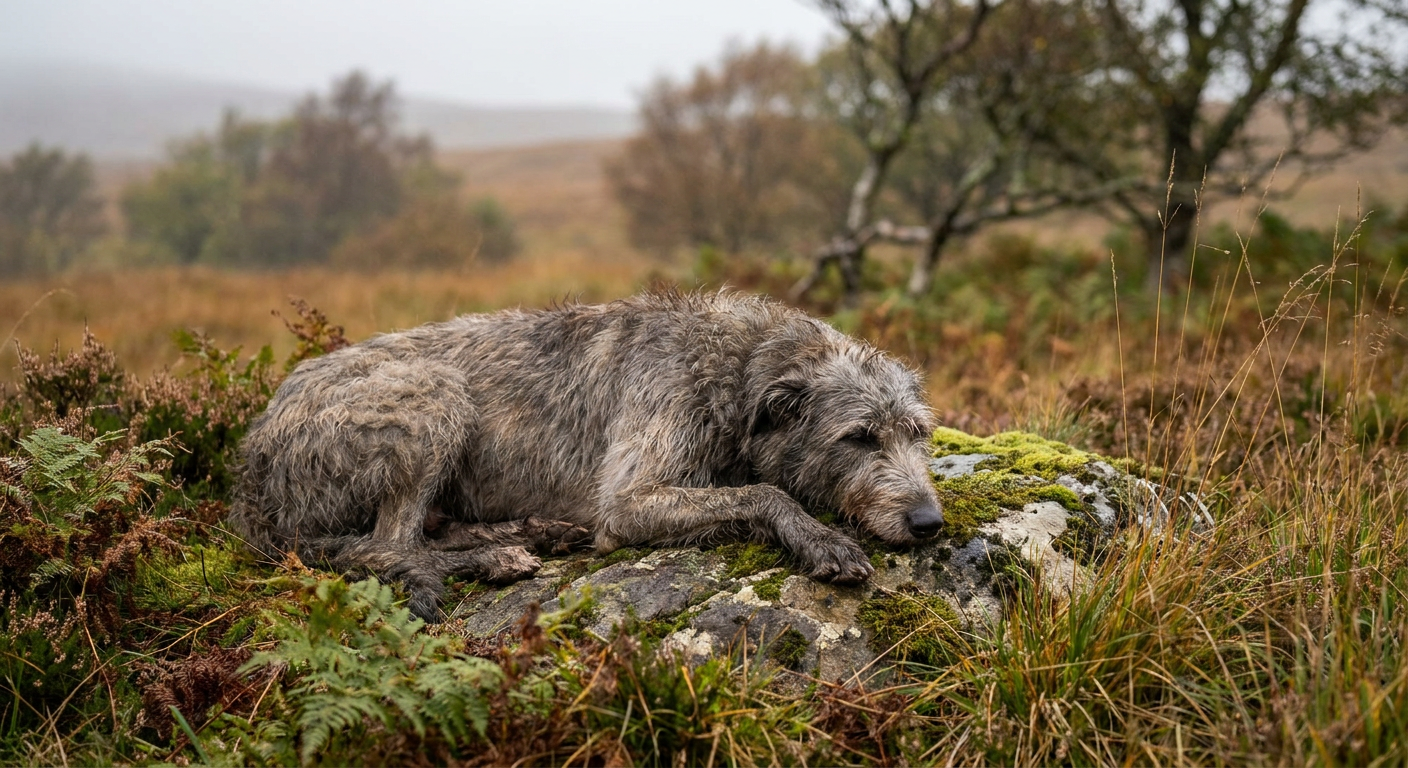
Scottish Deerhound
This giant sighthound is characterized by a wiry, weather-resistant coat and a dignified, graceful bearing. Known for an affectionate but mellow indoor personality, they require significant space to sprint. Owners must manage their high prey drive and be vigilant regarding breed-specific health concerns like bloat and cardiac issues.
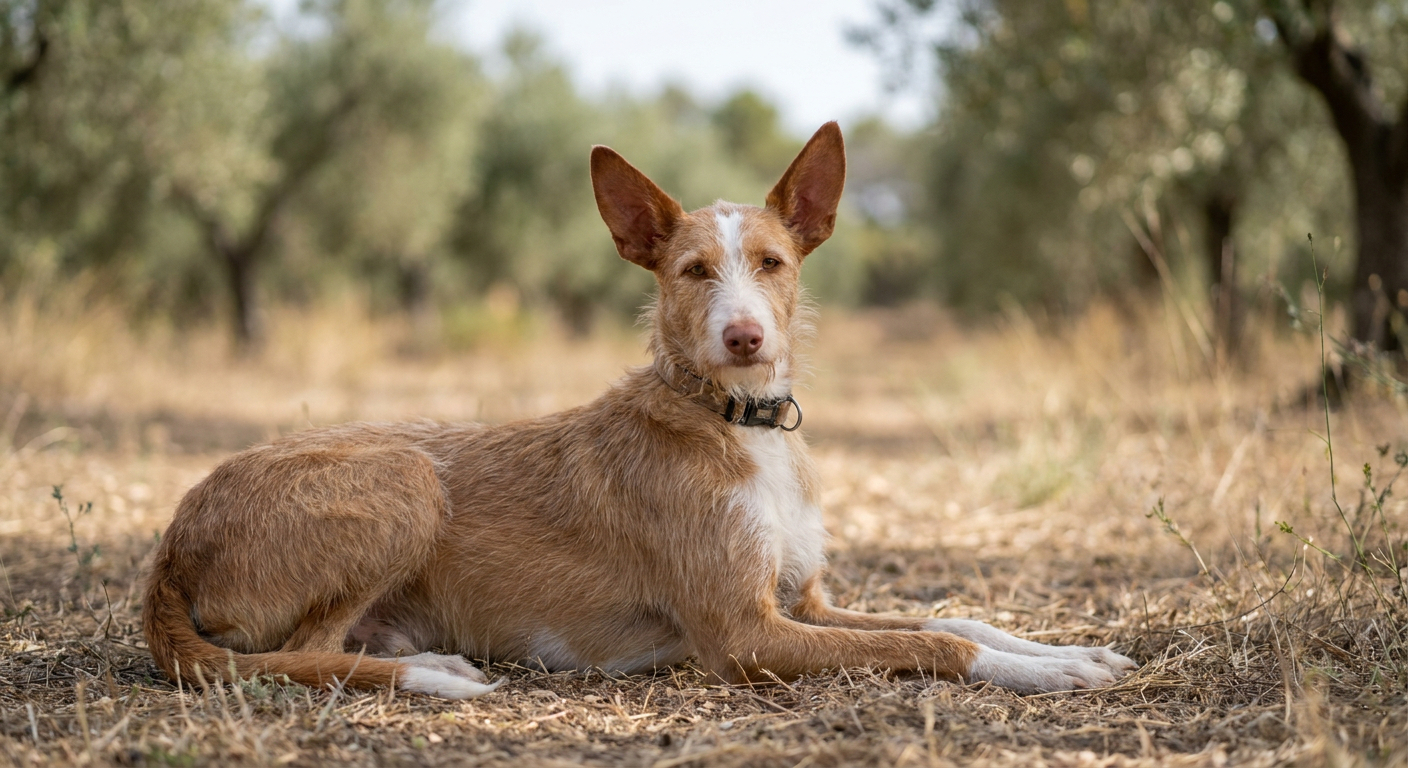
Ibizan Hound
An elegant, acrobatic sighthound known for its large, upright ears and leaping ability. Originally bred for rabbit hunting, this 'Beezer' is exceptionally fast and possesses a high prey drive. While calm indoors, they require significant daily exercise and secure fencing. They are affectionate with family but maintain an independent, sensitive nature typical of ancient hound breeds.
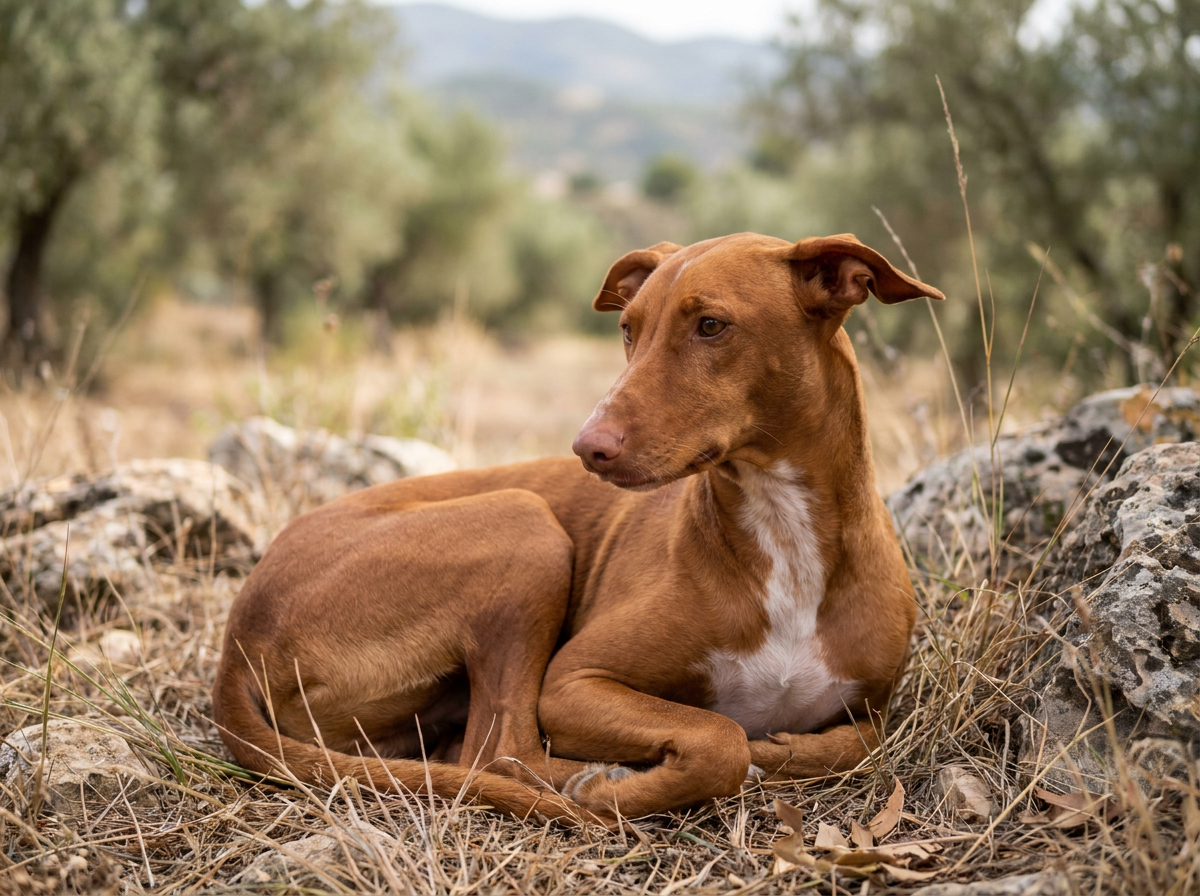
Pharaoh Hound
A sleek, medium-sized sighthound known for its athletic grace and distinctive upright ears. Originally bred for rabbit hunting in Malta, they are intelligent but independent, requiring a firm, patient hand in training. They are distinctive 'blushers' whose ears and nose turn pink when excited. Ideal for active owners in fenced environments.
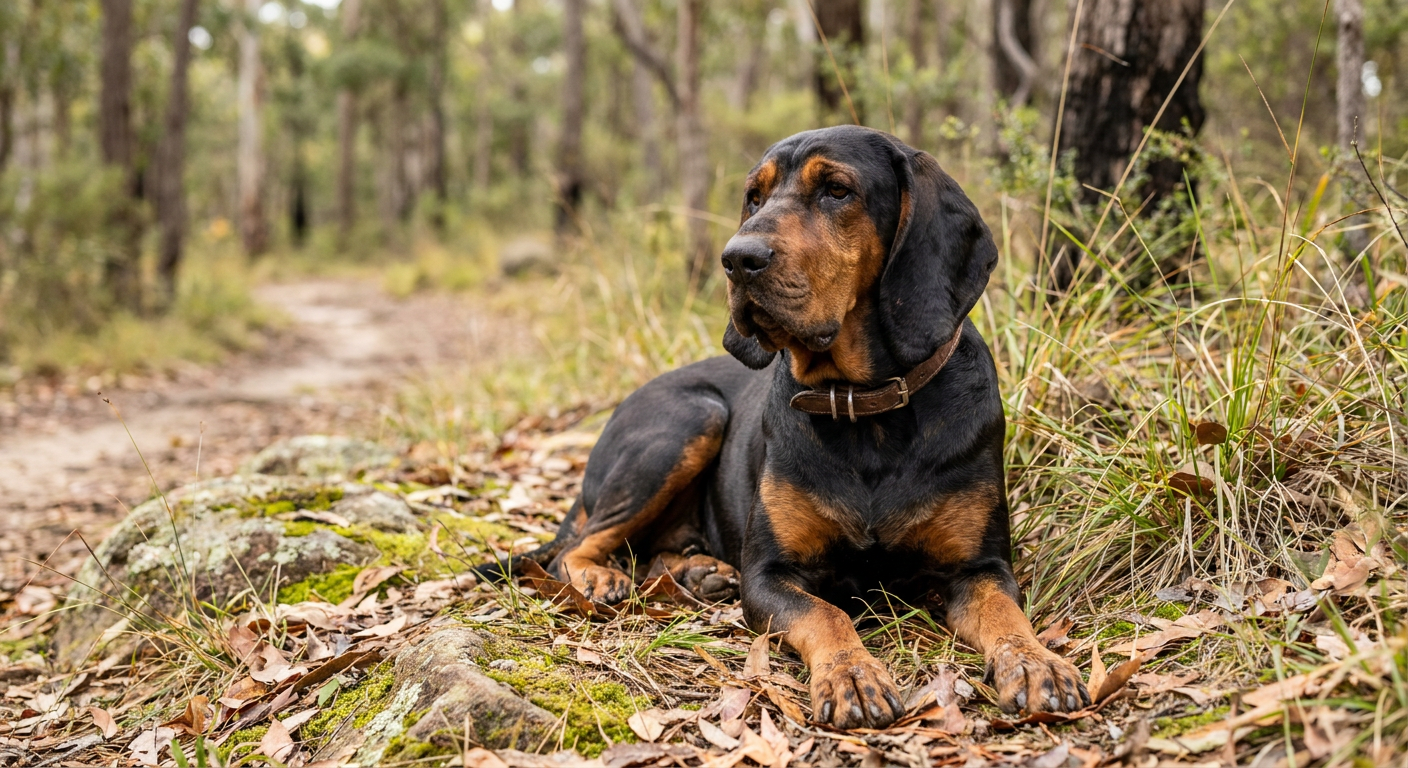
Black and Tan Coonhound
A rugged, scent-driven hound known for endurance and a melodious bay. This breed is famously mellow indoors but transforms into a persistent hunter outdoors. They require firm training to manage their independent nature and a secure environment to prevent them from following their nose away from home. Ideal for active owners who appreciate a soulful, large-scale companion.
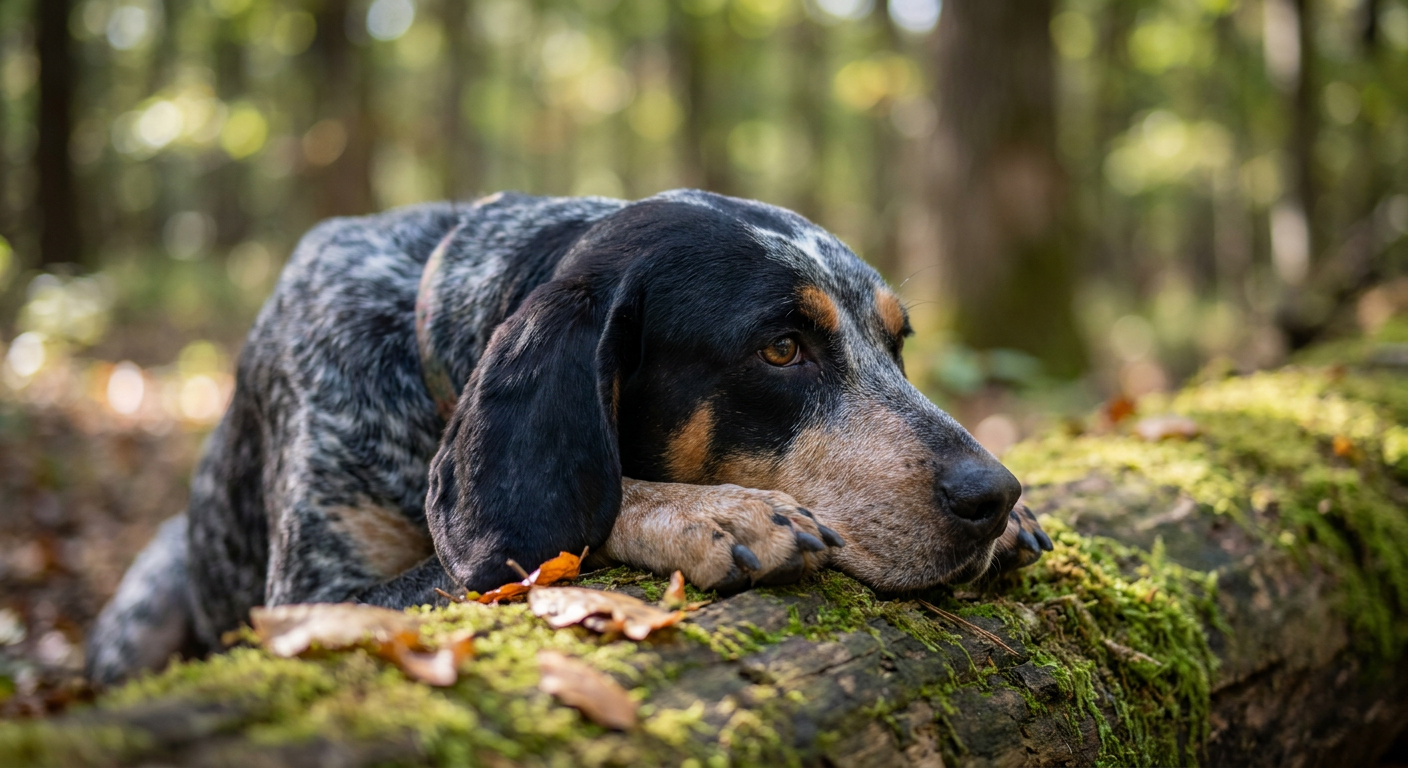
Bluetick Coonhound
A classic American scent hound, the Bluetick is a high-stamina athlete prized for its 'cold nose'—the ability to follow old trails. These dogs are vocal, affectionate, and require significant daily exercise. They are best suited for active owners who appreciate a dog with a loud voice and an independent, scent-driven mind.
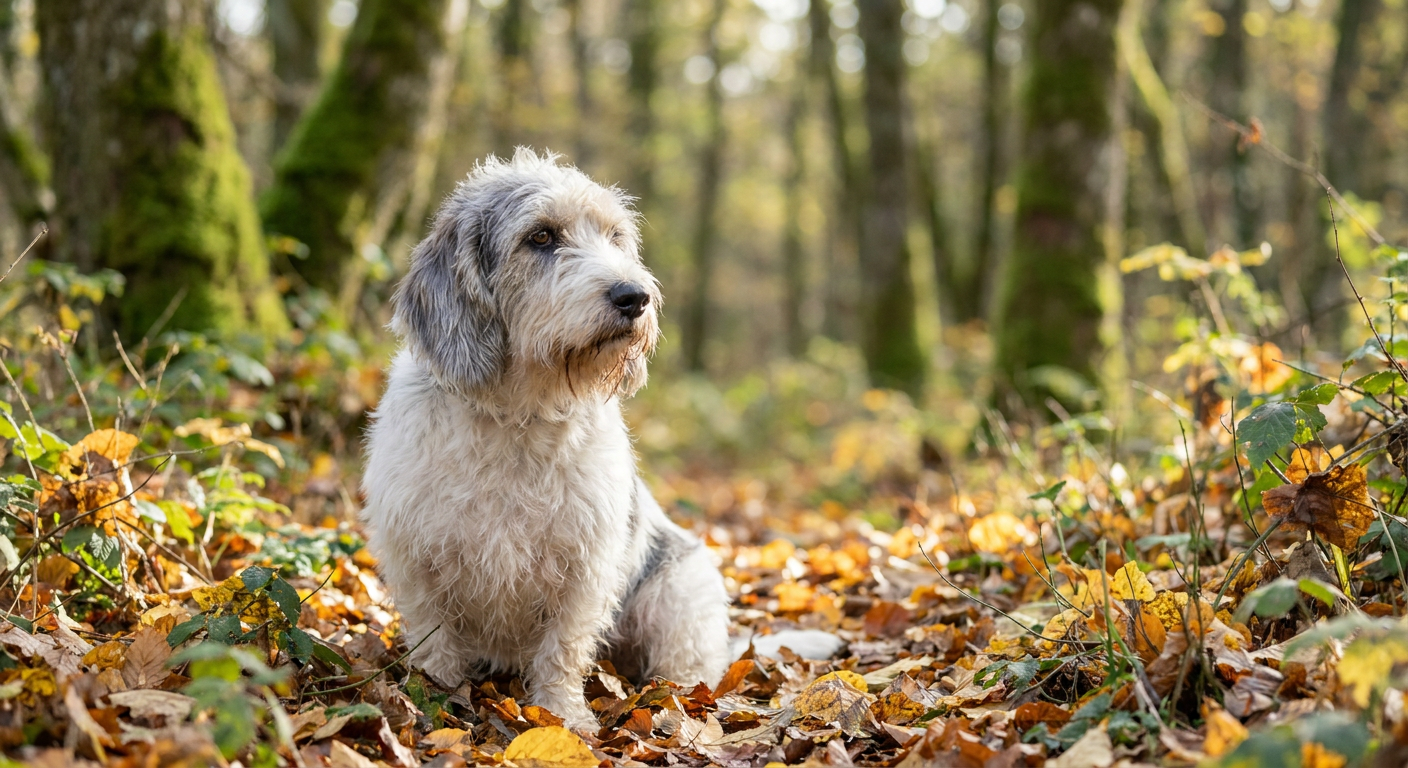
Petit Basset Griffon Vendéen
A small, scruffy-coated scent hound known for a tireless work ethic and a perpetually cheerful disposition. Originally bred to hunt rabbits in the brambles of France, they are sturdy, vocal, and highly active. They require firm training and regular mental stimulation to manage their independent nature and keen hunting instincts.
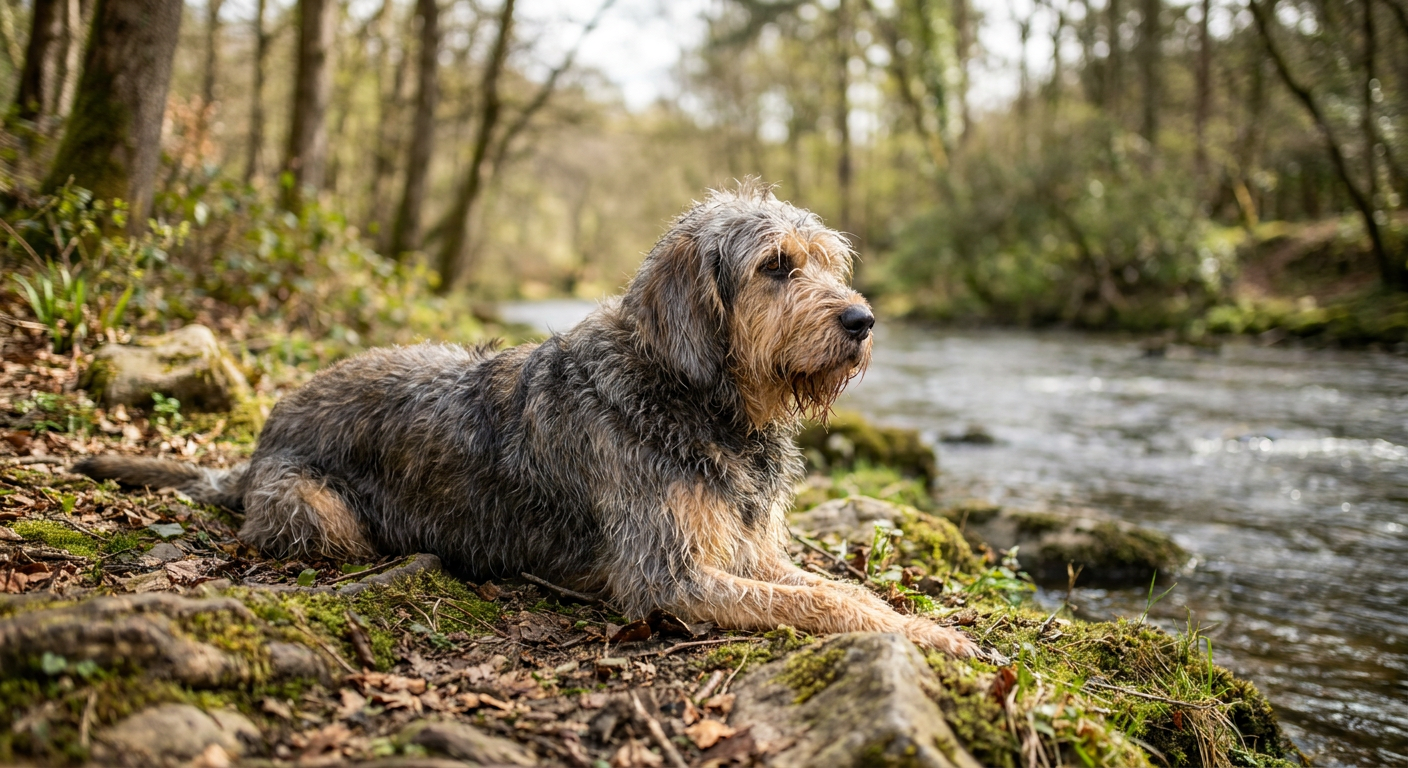
Otterhound
A large, shaggy-coated scent hound originally bred for hunting in water. Known for their webbed feet, distinctive oily coat, and melodic 'hound voice,' they are friendly but independent. This is one of the rarest AKC breeds, prized for its stamina and amiable nature, though its size and exercise needs require dedicated ownership.
Hound Group FAQs
Why can't hounds be off-leash?
Both scent and sight hounds have powerful prey-driven 'tunnel vision' that overrides recall. Even well-trained hounds will chase a deer or follow a scent across roads. Use long lines or fenced areas only.
Are hounds good apartment dogs?
Greyhounds and Whippets are famously calm indoors and do beautifully in apartments. Beagles and Bassets bark and bay loudly — research neighbors before committing.
Do hounds smell?
Many scent hounds (Bloodhounds, Bassets) have noticeable 'hound odor' from skin oils that help carry scent. Regular bathing helps but won't eliminate it entirely.