History & Origin
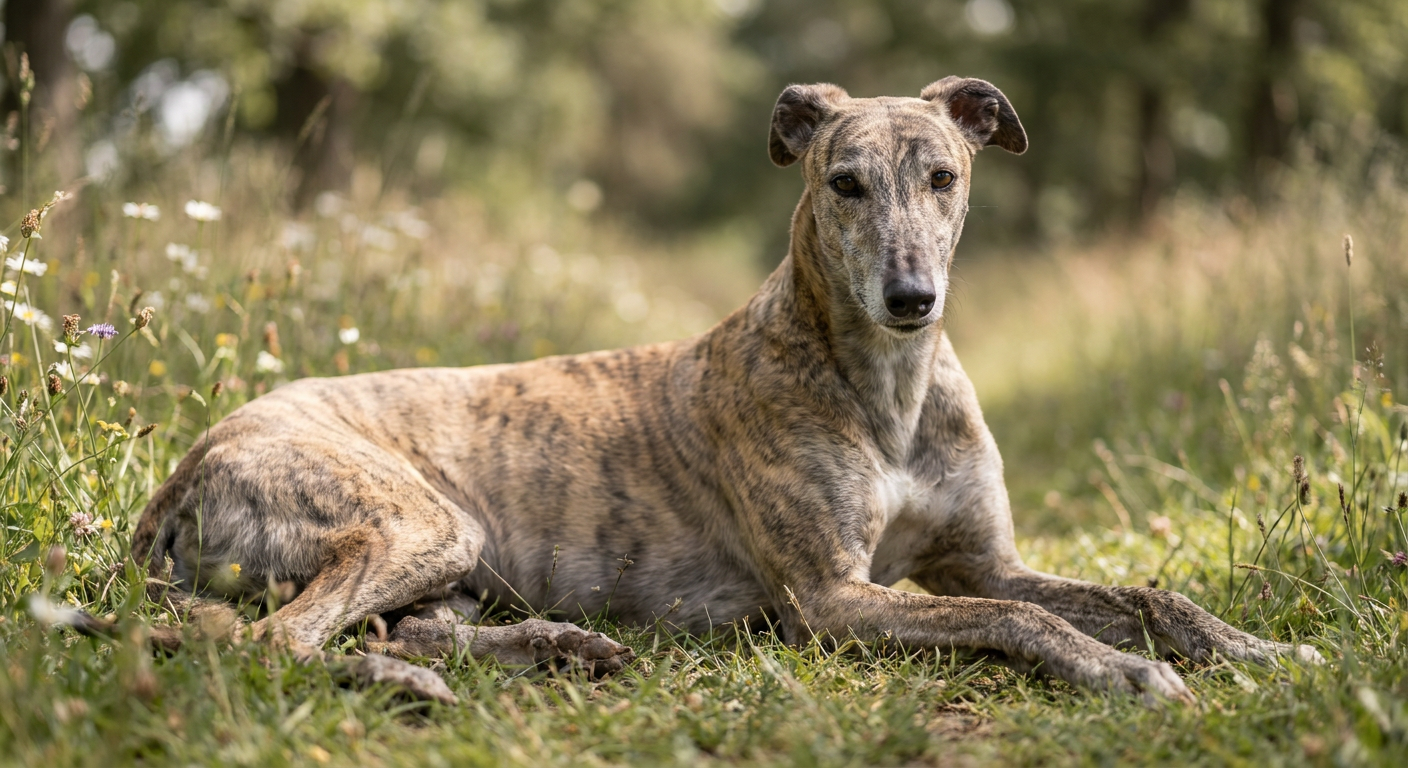
Developed in Victorian England, the Whippet earned the nickname "the poor man's racehorse." Miners and other working-class fanciers, unable to afford the upkeep of a larger Greyhound, bred these smaller sighthounds for racing and rabbit-coursing contests. The breed was likely created by crossing Greyhounds with smaller, fast terriers. Valued for their explosive speed over short distances and their quiet, manageable nature in the home, they provided both sport and companionship. The American Kennel Club officially recognized the Whippet in 1888, where it has since excelled not only in lure coursing and racing but also as a beloved, gentle family pet.
Temperament & Personality
The Whippet possesses a distinct dual temperament. Indoors, they are calm, quiet, and deeply affectionate, often seeking out the softest spot on the couch for a nap. They are gentle and generally patient with children who have been taught how to interact respectfully with a dog. Outdoors, however, their sighthound genetics take over. They have an intense prey drive and an explosive burst of speed. This breed is sensitive and does not respond well to harsh training methods. While they are loyal to their families, their quiet nature means they are not effective guard dogs.
Health Watchouts
Top conditions reported by AKC parent clubs, OFA, and the Merck Veterinary Manual. Discuss screening with your vet — especially before breeding or insuring.
Mitral Valve Disease (MVD)
Common, high prevalence in seniorsA degenerative condition of the heart's mitral valve, leading to leakage and eventually congestive heart failure. It is the most common acquired cardiac disease in the breed.
Screening: Annual cardiac auscultation by a veterinarian; echocardiogram by a veterinary cardiologist for definitive diagnosis and staging.
Anesthetic Sensitivity
Well-documented breed sensitivityDue to their low body fat percentage, Whippets can be more sensitive to certain anesthetic agents. While modern protocols have greatly reduced the risk, it remains a critical consideration.
Screening: Pre-anesthetic bloodwork and a thorough discussion with your veterinarian about using sighthound-safe anesthetic protocols.
Periodontal Disease
Very CommonBuildup of plaque and tartar leads to gingivitis and tooth decay. Their long muzzle can sometimes lead to crowding and increased risk. This can lead to systemic health issues if untreated.
Screening: Regular veterinary dental examinations and professional cleanings under anesthesia as recommended. Home care (brushing) is crucial.
Autoimmune Hemolytic Anemia (AIHA)
Uncommon, but reported predispositionA serious condition where the body's immune system attacks and destroys its own red blood cells. Requires aggressive immunosuppressive therapy.
Screening: No specific screening test. Diagnosis is made through blood tests (e.g., CBC, slide agglutination, Coombs' test) when a dog presents with symptoms like lethargy and pale gums.
Bully Whippet Syndrome (Myostatin Deficiency)
RareAn inherited genetic mutation of the myostatin gene results in a heavily over-muscled appearance ("Bully"). Affected dogs are not unhealthy, but the mutation can be easily identified and eliminated from breeding programs.
Screening: A simple DNA test is available and should be performed on all breeding stock to identify carriers.
Exercise Needs
Whippets need a unique combination of exercise: daily leash walks for mental stimulation and, crucially, regular opportunities to sprint at top speed in a securely fenced area. 30-60 minutes of total activity per day is usually sufficient. Their powerful prey drive means they can never be trusted off-leash in an open, unfenced environment.
- Lure Coursing
- Flyball
- Agility
- Scent Work
- Frisbee
Nutrition
Daily calories: 700-1000 kcal, depending on age, activity level, and metabolism. Must be adjusted to maintain a lean body condition.
To help prevent bloat (Gastric Dilatation-Volvulus), feed two smaller meals per day rather than one large one, and avoid vigorous exercise immediately before or after eating. A high-quality food designed for active breeds is a good choice.
Common allergens to watch: Chicken, Beef, Dairy.
⚠ Obesity is especially damaging to a sighthound's fine-boned frame and cardiovascular system. A healthy Whippet should have easily palpable ribs and the last 2-3 vertebrae visible. Owners often mistakenly think a lean, fit Whippet is underweight.
Entertainment & Enrichment
Beyond physical exercise, Whippets need mental challenges to stay happy. They are intelligent and enjoy activities that engage their minds, especially indoors where they spend most of their time. This prevents boredom and potential anxiety.
- Puzzle feeders
- Scent-work games ("find the treat")
- Flirt pole (in a safe, fenced area)
- Learning new tricks
- Chew toys
Grooming & Coat Care
Grooming is minimal. A weekly once-over with a rubber curry brush or hound mitt will remove dead hair and keep the coat gleaming. Nail trims are critical and should be done every 2-3 weeks. Regular dental brushing is essential for preventing periodontal disease.
Training
Whippets are sensitive and intelligent. They respond beautifully to positive reinforcement techniques like clicker training and food rewards. Harsh corrections can cause them to shut down. The single most important command to train is a reliable recall, but it can never be fully trusted due to their prey drive.
Cost of Ownership
Lifetime cost depends on size, lifespan, and health risks. Try our Lifetime Cost Calculator →
Cost band for Whippet: medium.
How insurance, vet care & grooming connect for the Whippet
These three costs move together. The Whippet’s coat, energy, and breed-specific health watchouts shape each one — here’s how they line up.
Insurance band
Common hereditary conditions raise claim odds
Vet service load
High activity raises orthopedic & injury visits
Grooming demand
Low-maintenance coat — monthly bath and brush
Estimated monthly spend (typical adult)
Insurance
$75
Routine vet
$50
Grooming
$30
Combined estimate
~$155/mo(±20%, US averages)
* Estimates derived from breed traits (coat, energy, health watchouts, lifespan). Actual costs vary by location, age, and provider.
Living Situation Fit
Whippets are best suited for a home with a securely fenced yard. They are surprisingly excellent apartment dogs, provided they get their daily chance to sprint. They crave comfort and will quickly claim the best sofa. Their ideal owner is a homebody who also enjoys short bursts of outdoor activity and appreciates a quiet, gentle companion.
Choosing a Puppy
Look for a reputable breeder who competes with their dogs in conformation or performance events (like lure coursing). A good breeder will conduct health screenings on their breeding stock, including echocardiograms for heart health (OFA or equivalent) and provide DNA test results for Myostatin Deficiency. Expect to be interviewed thoroughly.
Frequently Asked Questions
Are Whippets good apartment dogs?
Yes, surprisingly. They are famously quiet and calm indoors. However, this is only viable if they have access to a nearby, securely fenced area for daily off-leash sprints.
Can you let a Whippet off-leash?
It is strongly recommended not to. As sighthounds, their instinct to chase is overwhelming. If they see a small animal or even a plastic bag blowing in the wind, they will bolt and can reach speeds of 35 mph in seconds, ignoring all commands.
Are Whippets good with children?
Generally, yes. They are gentle and patient dogs. However, they are not robust enough to handle roughhousing from very young children. All interactions should be supervised, and children taught to be respectful of the dog's space.
Do Whippets bark a lot?
No, they are a very quiet breed. They rarely bark, which is part of their appeal for apartment living but also makes them poor watchdogs.