History & Origin
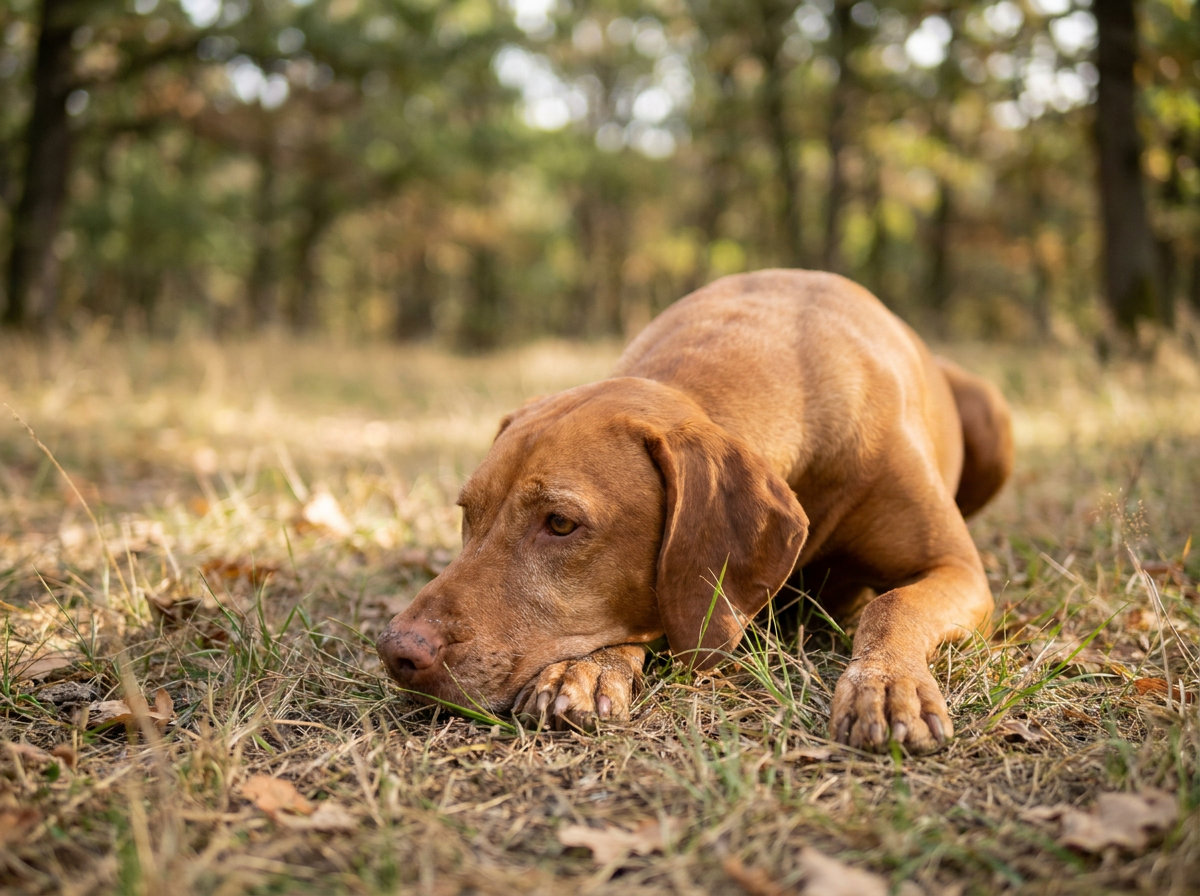
Originating in Hungary, the Vizsla’s ancestors were trusted hunting companions to Magyar tribes for centuries. These versatile pointers and retrievers were prized by nobility for their exceptional scenting and tracking abilities on the plains. The breed faced near extinction after both World Wars, but dedicated enthusiasts preserved it. The Vizsla was imported to the United States in the mid-20th century, and its combination of athletic grace and affectionate temperament quickly gained admirers. The American Kennel Club officially recognized the Vizsla in 1960.
Temperament & Personality
Vizslas are defined by their affectionate and energetic nature. They form extremely tight bonds with their families and can suffer from separation anxiety if left alone for extended periods. This is a sensitive and intelligent breed that thrives on positive reinforcement and having a “job” to do. Early, thorough socialization is crucial to ensure they are confident and well-mannered. While generally good-natured with children and other dogs, their bouncy enthusiasm requires supervision around toddlers.
Health Watchouts
Top conditions reported by AKC parent clubs, OFA, and the Merck Veterinary Manual. Discuss screening with your vet — especially before breeding or insuring.
Hip Dysplasia
6.3% (OFA)A malformation of the hip joint that leads to instability, pain, and arthritis. It is a common inherited condition in medium to large breed dogs.
Screening: PennHIP or OFA radiographs after 24 months of age are used to screen breeding stock.
Idiopathic Epilepsy
Reported up to 6%A neurological disorder characterized by recurrent seizures with no identifiable underlying cause. It is recognized as a significant inherited problem in the breed.
Screening: No definitive screening test exists. Diagnosis is made by excluding other causes of seizures. Reputable breeders will not breed affected dogs.
Hypothyroidism
3.4% (OFA)An endocrine disorder where the thyroid gland does not produce enough thyroid hormone, leading to weight gain, lethargy, and skin problems.
Screening: Annual blood testing (thyroid panel) is recommended for breeding animals and for any dog showing clinical signs.
Sebaceous Adenitis
UncommonAn inflammatory disease of the skin's sebaceous glands, leading to progressive hair loss, scaling, and a "moth-eaten" appearance. It is an inherited condition.
Screening: Diagnosis is confirmed via skin biopsy. There is no cure, but symptoms can be managed with topical therapies and medication.
Vizsla Inflammatory Polymyopathy
RareA specific and serious muscle disease in the breed causing swallowing difficulties (dysphagia), muscle wasting (especially on the head), and excessive drooling.
Screening: A DNA test is available to identify dogs that are clear, carriers, or at-risk. This screening is crucial for responsible breeding.
Exercise Needs
The Vizsla is a phenomenal athlete requiring at least 60-90 minutes of vigorous activity every day. This is not a breed satisfied with a leisurely walk around the block. They need opportunities to run hard in a securely fenced area. Their high intelligence means they also need mental challenges to prevent boredom and anxiety.
- long-distance jogging or running
- hiking in varied terrain
- swimming
- canine sports like agility, dock diving, and lure coursing
- advanced obedience or tracking work
Nutrition
Daily calories: 1100-1600 kcal/day, depending on age, size, and activity level.
Feed a high-quality, AAFCO-compliant commercial dog food appropriate for their life stage. To mitigate the risk of bloat (GDV), it is advisable to feed two smaller meals per day rather than one large one. Maintain a lean body condition (BCS 4-5/9) to protect their joints.
Common allergens to watch: chicken, beef, dairy, wheat.
⚠ Vizslas are built to be lean and muscular. Obesity significantly increases their risk for hip dysplasia, arthritis, and metabolic disease. You should be able to feel their ribs easily under a thin layer of fat and see a distinct abdominal tuck and waist from above.
Entertainment & Enrichment
Mental stimulation is as important as physical exercise for a Vizsla. A bored Vizsla is prone to developing behavioral issues like destructiveness and separation anxiety. Engaging their brain daily is a necessity.
- Food puzzle toys and lick-mats
- Scent work games or formal nose work classes
- Teaching complex tricks and commands
- Interactive play sessions with owners
- Providing a variety of safe and durable chew toys
Grooming & Coat Care
Grooming needs are minimal. A weekly rubdown with a rubber curry brush will remove dead hair and keep the coat gleaming. Nails should be trimmed every 2-3 weeks. As with any dog with floppy ears, weekly ear checks and cleanings are essential to prevent infections, especially if the dog swims.
Training
Vizslas are intelligent and eager to please, making them highly trainable. However, they are also sensitive and do not respond well to harsh training methods. Use positive reinforcement techniques. Early and consistent socialization and puppy training classes are essential to channel their energy and build a well-behaved companion. Their hunting instincts mean a reliable recall is a top training priority.
Cost of Ownership
Lifetime cost depends on size, lifespan, and health risks. Try our Lifetime Cost Calculator →
Cost band for Vizsla: medium.
How insurance, vet care & grooming connect for the Vizsla
These three costs move together. The Vizsla’s coat, energy, and breed-specific health watchouts shape each one — here’s how they line up.
Insurance band
Common hereditary conditions raise claim odds
Vet service load
High activity raises orthopedic & injury visits
Grooming demand
Low-maintenance coat — monthly bath and brush
Estimated monthly spend (typical adult)
Insurance
$75
Routine vet
$50
Grooming
$45
Combined estimate
~$170/mo(±20%, US averages)
* Estimates derived from breed traits (coat, energy, health watchouts, lifespan). Actual costs vary by location, age, and provider.
Living Situation Fit
This breed is a poor choice for apartment living or for sedentary owners. They thrive in a home with active people and a securely fenced yard where they can run. They are “velcro dogs” that need to live indoors as a true member of the family and can become anxious and destructive if left alone for many hours a day.
Choosing a Puppy
Select a breeder who is a member of the Vizsla Club of America and adheres to their code of ethics. A responsible breeder will provide proof of health screenings for parents, including OFA or PennHIP for hips, OFA for thyroid, and DNA tests for polymyopathy. Puppies should be raised in the home and well-socialized. Expect a good breeder to be as interested in your lifestyle as you are in their puppies.
Frequently Asked Questions
Are Vizslas good family dogs?
Yes, for the right family. Vizslas are gentle and loving, but their high energy and need for attention mean they are best suited for active families who can include the dog in their daily adventures. Their exuberance may be overwhelming for toddlers without supervision.
Do Vizslas bark a lot?
Vizslas are not considered excessive barkers but they are communicative. They will often "talk" with yips, whines, and moans to express their needs and will certainly bark to alert you to strangers or strange sounds.
Can a Vizsla live in an apartment?
It is strongly discouraged. Their high exercise requirements and energy levels are very difficult to manage without a yard. Confining a Vizsla to a small space without adequate outlets for their energy can lead to significant behavioral problems.
Are Vizslas hypoallergenic?
No, Vizslas are not hypoallergenic. While they have a single coat and are not heavy shedders compared to some breeds, they do shed and produce dander which can trigger allergies.