History & Origin
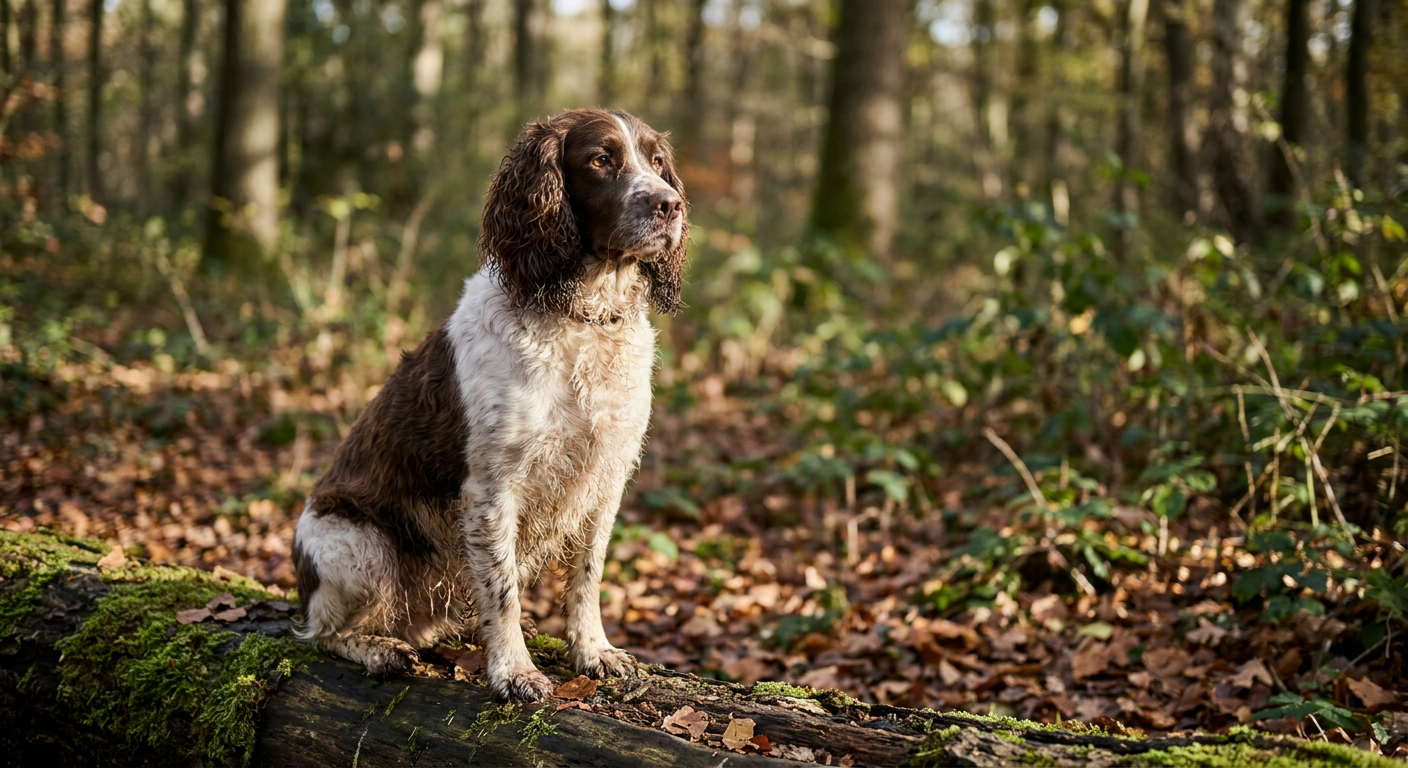
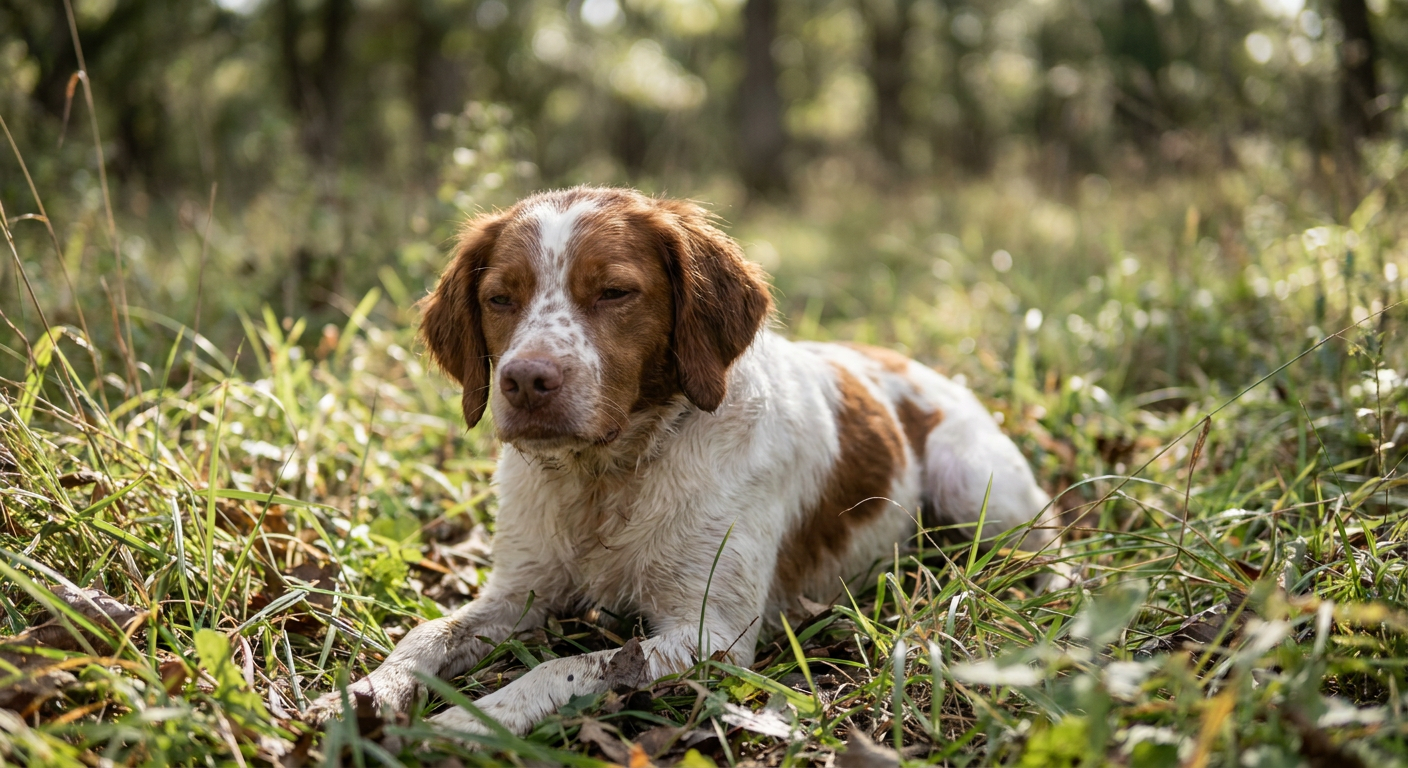
Originating in the French province of Brittany, this breed was developed as a versatile gundog for the walking hunter. They are prized for their ability to both point and retrieve game, thriving on farms and in the field. Unlike setters or pointers, they are spaniels, though they work more like a pointer. First registered with the American Kennel Club (AKC) in 1934, the Brittany has earned a reputation as a tireless, all-purpose hunting companion and an enthusiastic family dog, cherished for its compact size and willing-to-please nature.
Temperament & Personality
Brittanys possess a famously upbeat and eager-to-please personality. They are intelligent, energetic, and deeply devoted to their families, often described as “hyper” by those unprepared for their stamina. This is a sensitive breed that responds poorly to harsh correction; positive reinforcement is key. With proper socialization, they are generally friendly toward children, other dogs, and strangers. Their instinct to hunt is strong, so a reliable recall is essential for off-leash safety.
Health Watchouts
Top conditions reported by AKC parent clubs, OFA, and the Merck Veterinary Manual. Discuss screening with your vet — especially before breeding or insuring.
Hip Dysplasia
12.1% (OFA)A malformation of the hip joint that leads to arthritis and pain. It is a significant concern in active, medium-sized breeds.
Screening: OFA or PennHIP radiographic evaluation after 2 years of age.
Epilepsy
CommonA neurological disorder characterized by recurrent seizures. Idiopathic (primary) epilepsy is considered hereditary in the breed.
Screening: No genetic test exists. Diagnosis is made by ruling out other seizure causes. Responsible breeders do not breed affected dogs.
Canine Discoid Lupus Erythematosus (CDLE)
Uncommon to CommonAn autoimmune skin disease causing crusting, ulceration, and loss of pigment on the nose (nasal planum). Sunlight can exacerbate the condition.
Screening: Diagnosis is via skin biopsy. Management involves topical steroids and sun avoidance.
Glaucoma
2-3%A painful condition involving increased pressure within the eye, which can rapidly lead to blindness if not treated.
Screening: Regular eye exams (tonometry) with a veterinarian or veterinary ophthalmologist.
Hypothyroidism
5.2% (OFA)Insufficient production of thyroid hormone, leading to weight gain, lethargy, skin problems, and other metabolic issues.
Screening: A blood panel to check thyroid hormone levels (T4, TSH) is recommended.
Exercise Needs
This is a high-stamina breed requiring a minimum of 60-90 minutes of vigorous exercise daily. A simple walk on a leash is insufficient to meet their needs. They were bred to run for hours in the field and will become anxious or destructive without a proper outlet for their energy. A securely fenced yard is essential.
- Running or biking with a handler
- Hiking in varied terrain
- Canine sports: field trials, agility, flyball, dock diving
- Swimming and retrieving
Nutrition
Daily calories: 700-1100
Feed a high-quality, AAFCO-compliant commercial dog food formulated for active, medium-sized breeds. Provide meals twice daily rather than free-feeding to monitor intake and reduce the risk of bloat. Fresh water should always be available.
Common allergens to watch: Beef, Dairy, Chicken.
⚠ Brittanys should be kept in a lean, athletic condition (BCS 4/9) to minimize stress on their joints and reduce the risk of hip dysplasia. Their athletic build means ribs should be easily palpable. Obesity is a serious health risk and will significantly shorten their lifespan.
Entertainment & Enrichment
High intelligence coupled with high energy makes mental enrichment a necessity. A bored Brittany is a recipe for trouble. Daily training, puzzle-solving, and interactive play help satisfy their need to think and work, preventing problem behaviors like chewing or excessive barking.
- Food-dispensing puzzle toys
- Scent work and nose games
- Learning new tricks or commands daily
- Interactive "hide-and-seek" games with toys or people
Grooming & Coat Care
The Brittany's coat is relatively low-maintenance but requires weekly brushing to remove loose hair and prevent mats in the feathering. Their drop ears must be checked and cleaned weekly to prevent infections. Regular nail trimming is essential for foot health, as is routine dental care to prevent periodontal disease.
Training
Brittanys are highly trainable and excel with positive reinforcement techniques. Their intelligence and eagerness to work make them quick learners. However, they can be sensitive, so harsh methods should be avoided. Early and consistent socialization is critical. Due to their strong hunting instincts, training a rock-solid recall is a top priority.
Cost of Ownership
Lifetime cost depends on size, lifespan, and health risks. Try our Lifetime Cost Calculator →
Cost band for Brittany: medium.
How insurance, vet care & grooming connect for the Brittany
These three costs move together. The Brittany’s coat, energy, and breed-specific health watchouts shape each one — here’s how they line up.
Insurance band
Common hereditary conditions raise claim odds
Vet service load
High activity raises orthopedic & injury visits
Grooming demand
Low-maintenance coat — monthly bath and brush
Estimated monthly spend (typical adult)
Insurance
$75
Routine vet
$50
Grooming
$45
Combined estimate
~$170/mo(±20%, US averages)
* Estimates derived from breed traits (coat, energy, health watchouts, lifespan). Actual costs vary by location, age, and provider.
Living Situation Fit
The ideal home for a Brittany is with an active family or individual who loves the outdoors. A house with a large, securely fenced yard is almost mandatory. They are not suited for apartment living or for owners with a sedentary lifestyle. They thrive when they have a job to do, whether it's hunting, competing in dog sports, or being an active companion.
Choosing a Puppy
Seek a reputable breeder who is transparent about their dogs' health and pedigrees. Ensure the breeder performs recommended health screenings, including OFA evaluations for hips and elbows, and an annual eye exam (CAER). A responsible breeder will ask you many questions to ensure you are a good fit for their puppy.
Frequently Asked Questions
Are Brittanys good for first-time owners?
They can be, but only if the owner is fully committed to meeting their extensive exercise and training needs. Their high energy and intelligence can be overwhelming for those not prepared.
Do Brittanys bark a lot?
They are not known for being excessive barkers, but they will bark to alert their owners to strangers or when excited during play. It can often be managed with training and adequate exercise.
Can a Brittany be left alone during the day?
They can develop separation anxiety if left alone for long periods without sufficient exercise and mental stimulation. Crate training and providing puzzle toys can help, but they are happiest with their people.
Are Brittanys born with short tails?
Some Brittanys are born with a naturally bobbed or short tail. However, in North America, most are born with long tails that are docked to the AKC standard length of about four inches.