History & Origin
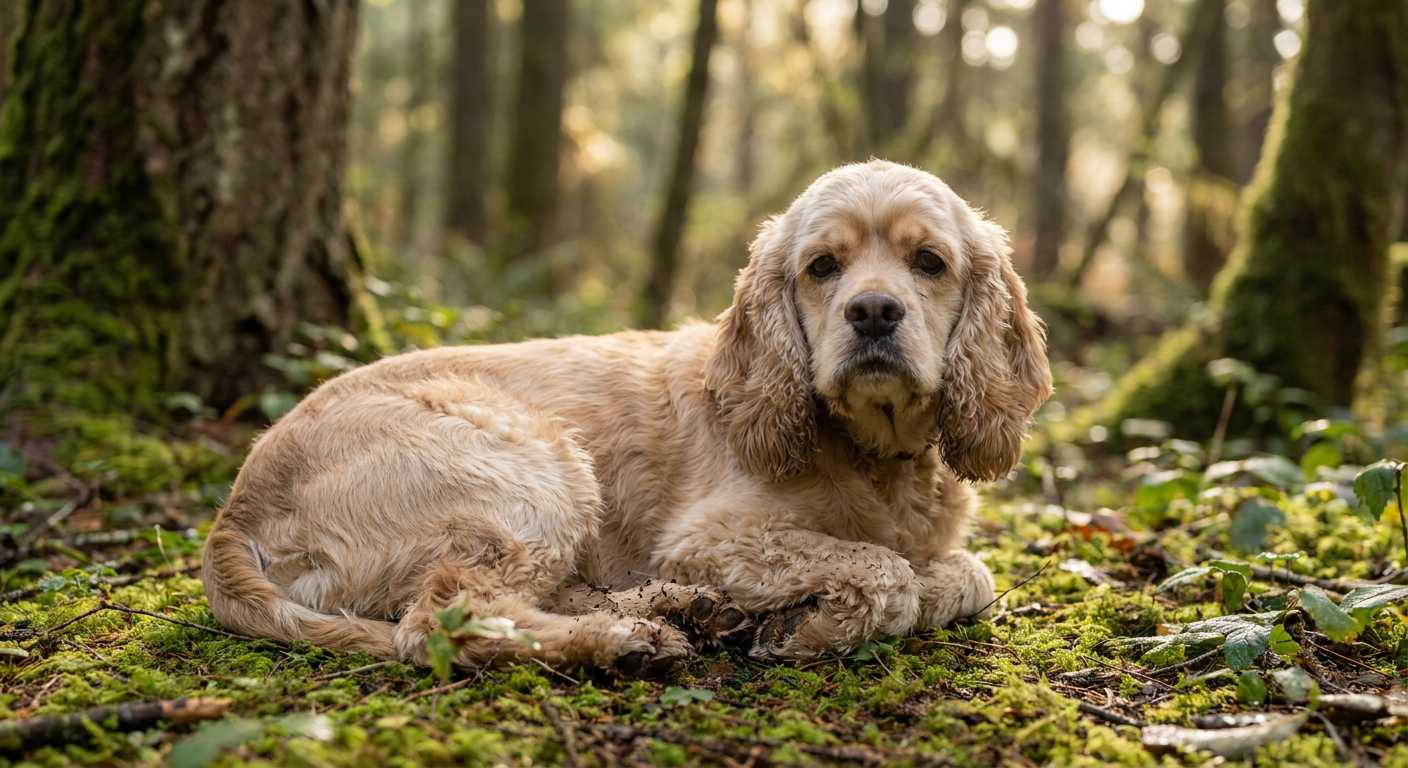
Developed in the United States from their English Cocker Spaniel ancestors, the American Cocker Spaniel was selectively bred to be a slightly smaller, more refined companion and hunting dog for American terrain. The breed gained immense popularity in the mid-20th century. While both English and American types existed for decades, the American Kennel Club (AKC) officially recognized them as separate breeds in 1946. The American Cocker Spaniel remains a beloved family pet, cherished for its merry disposition and elegant appearance.
Temperament & Personality
Cocker Spaniels are known for their merry and gentle temperament. They are eager to please and form strong bonds with their families, often shadowing their owners from room to room. This devotion can sometimes manifest as separation anxiety. While generally good-natured, they can be sensitive. Early and thorough socialization is crucial to prevent shyness or fear-based reactivity. They are intelligent dogs that respond well to gentle, positive-reinforcement training.
Health Watchouts
Top conditions reported by AKC parent clubs, OFA, and the Merck Veterinary Manual. Discuss screening with your vet — especially before breeding or insuring.
Otitis Externa (Ear Infections)
Very Common (>20%)Inflammation of the outer ear canal is a frequent and often recurring issue. The breed's long, pendulous ears restrict airflow, trapping moisture and creating a perfect environment for yeast and bacteria. This can cause significant pain, odor, and discharge.
Screening: There is no genetic screen, but prevention is key. Requires diligent weekly ear cleaning with a veterinary-approved solution and regular veterinary check-ups.
Hereditary Cataracts
Common (OFA reports ~10%)An opacity in the lens of the eye that can develop in young adulthood, leading to progressive vision loss and potential blindness. This is a well-documented inherited condition in the breed.
Screening: Annual examination by a board-certified veterinary ophthalmologist (ACVO) is recommended. Reputable breeders screen their stock with OFA eye certifications (previously CERF).
Glaucoma
CommonA painful condition caused by increased fluid pressure within the eye (intraocular pressure). It can develop rapidly, and if left untreated, will quickly and irreversibly damage the optic nerve, leading to blindness. The Cocker Spaniel is a highly predisposed breed.
Screening: Regular eye pressure checks (tonometry) during routine vet visits, especially for dogs over age 4. A veterinary ophthalmologist can perform gonioscopy to assess the eye's drainage angle and risk.
Patellar Luxation
Common (~4% reported by OFA)The kneecap (patella) dislocates or slips out of its normal position in the groove of the thigh bone. This causes a skipping gait or lameness and can lead to osteoarthritis later in life. Severity ranges from mild to requiring surgical correction.
Screening: A physical orthopedic exam by a veterinarian. Responsible breeders will have their breeding dogs evaluated and certified by the Orthopedic Foundation for Animals (OFA).
Immune-Mediated Hemolytic Anemia (IMHA)
Uncommon, but a predisposed breedA serious autoimmune disease where the body's own immune system attacks and destroys its red blood cells. This leads to severe, life-threatening anemia requiring intensive emergency care, including transfusions and immunosuppressive drugs.
Screening: No predictive screening test exists. Owners should be vigilant for symptoms like sudden lethargy, weakness, pale gums, rapid breathing, or collapse and seek immediate veterinary care if they occur.
Exercise Needs
American Cockers have moderate energy needs that can be met with 45-60 minutes of daily activity. They are not high-stamina athletes but enjoy brisk walks, playtime in a fenced yard, and participating in dog sports. Consistent daily exercise is important to prevent boredom and maintain a healthy weight.
- Brisk walking
- Fetch with a soft toy
- Canine obedience or rally
- Scent work games
Nutrition
Daily calories: 600-800 kcal/day for a typical 25lb adult, but this must be adjusted based on activity level, age, and spay/neuter status.
Feed a high-quality, AAFCO-approved commercial dog food in two measured meals per day. Free-feeding can easily lead to overconsumption. Using a standard measuring cup is essential for portion control.
Common allergens to watch: Chicken, Beef, Dairy.
⚠ This breed is highly prone to obesity, which exacerbates joint problems, worsens ear issues, and can contribute to other metabolic diseases. Owners must be disciplined. You should be able to feel the ribs easily under a thin layer of fat. Do not feed table scraps.
Entertainment & Enrichment
Being both intelligent and people-oriented, Cockers need mental enrichment to stay happy. Interactive toys and training sessions help prevent boredom and separation anxiety. They are eager to learn and enjoy having a "job," even if it's just a fun trick or game.
- Food-dispensing puzzle toys
- Scent work games (e.g., "find the treat")
- Learning new tricks or commands
- Short, fun obedience or rally practice sessions
Grooming & Coat Care
Grooming is a significant and non-negotiable part of Cocker ownership. Their long, fine coat requires daily brushing to prevent painful mats and tangles. Most owners opt for professional grooming every 4-8 weeks to keep the coat in a manageable 'puppy cut'. Ears must be cleaned weekly to prevent infections, and nails need monthly trimming.
Training
Cocker Spaniels are intelligent and eager to please, making them highly trainable. However, they are a sensitive breed, so harsh training methods are counterproductive. They thrive on positive reinforcement, praise, and rewards. Early, consistent socialization is paramount to build confidence and prevent the development of fear or shyness around new people and situations.
Cost of Ownership
Lifetime cost depends on size, lifespan, and health risks. Try our Lifetime Cost Calculator →
Cost band for American Cocker Spaniel: medium.
How insurance, vet care & grooming connect for the American Cocker Spaniel
These three costs move together. The American Cocker Spaniel’s coat, energy, and breed-specific health watchouts shape each one — here’s how they line up.
Insurance band
Common hereditary conditions raise claim odds
Vet service load
Several conditions worth annual screening
Grooming demand
Long coat tangles without weekly grooming
Estimated monthly spend (typical adult)
Insurance
$75
Routine vet
$45
Grooming
$60
Combined estimate
~$180/mo(±20%, US averages)
* Estimates derived from breed traits (coat, energy, health watchouts, lifespan). Actual costs vary by location, age, and provider.
Living Situation Fit
These dogs are adaptable and can live in an apartment if their exercise needs are met, but they relish a home with a securely fenced yard. They are not suited for outdoor living. The ideal home is one where someone is present for much of the day, as their strong desire for companionship makes them prone to separation anxiety if left alone for long periods.
Choosing a Puppy
Look for a reputable breeder who is transparent about health and temperament. A responsible breeder will provide proof of OFA health clearances for parents (eyes, hips, patellas) and will raise puppies in a home environment. A well-socialized puppy will be curious and playful, not fearful or timid. Ask to see the mother and, if possible, the father, to gauge their temperament.
Frequently Asked Questions
Are American Cocker Spaniels good with children?
Generally, yes. Their gentle nature makes them good companions for respectful children. However, they are sensitive and may snap if startled or hurt. All interactions with young children should be supervised to ensure both the dog and child are safe.
Do Cocker Spaniels bark a lot?
They can be prone to barking, especially when excited, seeking attention, or if left alone for too long. Consistent training from a young age can help manage nuisance barking.
Is the grooming for a Cocker Spaniel really that difficult?
Yes. The commitment is significant in both time and money. Daily brushing is a must to prevent matting. Most non-show owners pay for professional grooming every 4-8 weeks, which can cost $75-$150+ per session. This is a major lifelong expense for the breed.
What is the difference between an American and an English Cocker Spaniel?
The American Cocker is smaller, has a shorter head, a more domed skull, and a much more profuse, longer coat than the English Cocker Spaniel, which has a more traditional 'setter-like' head and a more moderate, athletic coat.