History & Origin
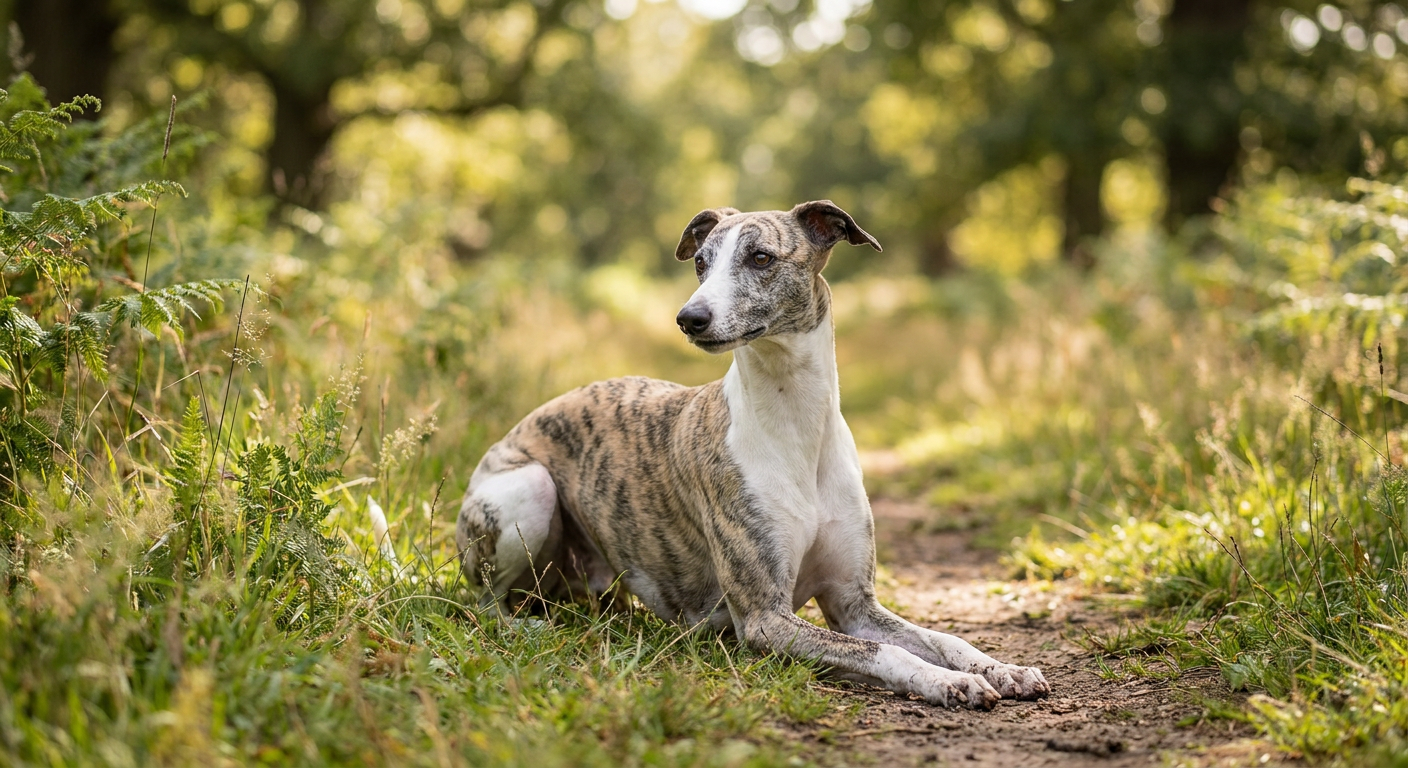
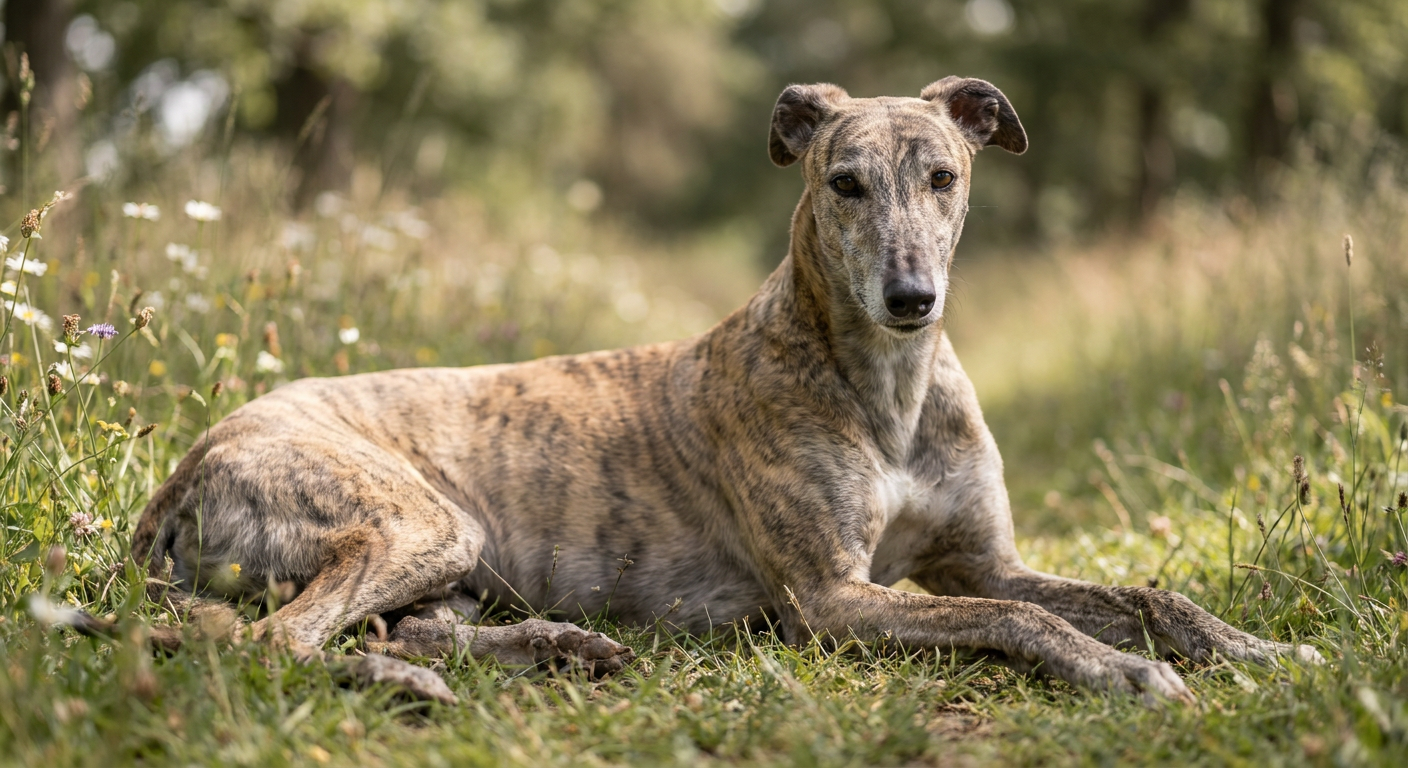
The Greyhound is an ancient breed, with depictions of similar dogs found in Egyptian tombs dating back nearly 4,000 years. Their modern form was refined in England, where they were prized by nobility for their ability to course deer and hare in the open field. Their speed and grace were legendary. Greyhounds arrived in America during the 16th century and were among the first breeds recognized by the American Kennel Club in 1885. For much of the 20th century, the breed was primarily associated with the racing industry, but a robust adoption movement has successfully transitioned thousands of retired racers into beloved family companions.
Temperament & Personality
The Greyhound possesses a gentle, noble, and sensitive spirit. They are typically quiet and docile in the home, content to nap on a soft surface. With their family, they are affectionate and loyal, though often reserved or aloof with strangers. Despite their calm indoor demeanor, they have an extremely high prey drive, an instinct triggered by moving objects. This sighthound nature means they can be independent and less overtly eager to please than other breeds, responding best to quiet consistency and gentle training methods.
Health Watchouts
Top conditions reported by AKC parent clubs, OFA, and the Merck Veterinary Manual. Discuss screening with your vet — especially before breeding or insuring.
Osteosarcoma (Bone Cancer)
Significantly higher risk; one of the most affected breeds.An aggressive bone cancer that most commonly affects the limbs, causing pain, swelling, and lameness. It requires rapid diagnosis. Even with treatment (typically amputation and chemotherapy), the long-term prognosis is often poor. Any persistent lameness in a Greyhound warrants immediate veterinary evaluation with x-rays.
Screening: No genetic screen; radiographs of any new lameness are critical.
Gastric Dilatation-Volvulus (GDV or "Bloat")
Common in deep-chested breeds.A life-threatening emergency where the stomach twists on itself, trapping gas and cutting off blood flow. Signs include a distended abdomen, non-productive retching, and restlessness. This requires immediate emergency surgery.
Screening: Prophylactic gastropexy surgery (tacking the stomach to the body wall) can be performed to prevent twisting, often during the spay/neuter procedure.
Periodontal Disease
Very CommonGreyhounds are highly predisposed to developing severe and early-onset dental disease. Rapid tartar accumulation leads to gingivitis, infection, and tooth loss, which can cause significant pain and systemic health problems. Diligent home care and regular professional cleanings under anesthesia are not optional.
Screening: Regular veterinary dental exams.
Dilated Cardiomyopathy (DCM)
CommonA disease of the heart muscle causing the chambers to enlarge and lose their ability to pump blood effectively, which can lead to congestive heart failure. It's important to note that Greyhounds have naturally larger hearts than other breeds (the 'athletic heart'), which can complicate diagnosis. A veterinary cardiologist should perform an echocardiogram for a definitive diagnosis.
Screening: Annual cardiac auscultation; screening echocardiogram for definitive diagnosis.
Greyhound Neuropathy
Rare, but recognized in the breed.An inherited neurological disease that causes progressive muscle weakness, a bunny-hopping gait, and severe exercise intolerance, typically appearing in young dogs between 3 and 9 months of age.
Screening: A DNA test is available to identify affected dogs and carriers.
Exercise Needs
A Greyhound's exercise needs are unique. They are not built for endurance but for explosive, short sprints. Daily exercise should consist of one or two brisk leash walks (totaling 30-60 minutes) combined with the critical opportunity to run at full speed for a few minutes in a large, securely fenced area. A six-foot fence is mandatory. Due to their high prey drive and speed, they should never be trusted off-leash in an open, unfenced area.
- Sprinting in a large, securely fenced yard
- Lure coursing
- Daily brisk leash walks
- Jogging (for conditioned individuals)
Nutrition
Daily calories: 1300-1800 kcal/day, depending on age, activity level, and individual metabolism. Retired racers may have different needs than puppies or pets.
To help mitigate the risk of bloat (GDV), feed two to three smaller meals per day rather than one large one. Using a raised feeder may increase comfort. Many Greyhounds have sensitive digestive systems, so a consistent, high-quality diet is important. Avoid strenuous exercise immediately before or after meals.
Common allergens to watch: Beef, Dairy, Chicken.
⚠ A healthy Greyhound is naturally slender; it is not a breed that should ever carry extra weight. You should be able to see the faint outline of the last two or three ribs, and the dog should have a deep chest and a dramatic 'tuck-up' at the waist. Obesity is devastating to their slight frame and cardiovascular system. Ask your vet to help you assess their body condition score.
Entertainment & Enrichment
Enrichment for a Greyhound should cater to their two primary states: sprinting and sleeping. Satisfy their prey drive safely with toys, and satisfy their desire for comfort with premium bedding. This intelligent breed appreciates low-key mental stimulation that doesn't require high physical output.
- Flirt poles for controlled "chasing"
- Soft, squeaky toys they can "capture"
- Puzzle feeders for mental stimulation
- Multiple plush, orthopedic beds in quiet areas of the house
- Scent work games
Grooming & Coat Care
The Greyhound's short, smooth coat is low-maintenance. A weekly rubdown with a hound mitt or rubber curry brush will remove dead hair and keep the coat gleaming. Their thin skin is delicate and prone to nicks and scrapes. Nail care is critical; long nails are painful and affect their gait. Most importantly, they are highly prone to dental disease, so daily brushing and regular professional cleanings are essential for their health.
Training
Greyhounds are sensitive and intelligent, responding best to gentle, patient training methods using positive reinforcement. They do not do well with harsh corrections. Many retired racers may need to learn about living in a house, so house-training and basic commands require patience. Recall is notoriously difficult to train because of their sighthound instincts and should never be fully trusted. Early socialization helps them build confidence.
Cost of Ownership
Lifetime cost depends on size, lifespan, and health risks. Try our Lifetime Cost Calculator →
Cost band for Greyhound: medium.
How insurance, vet care & grooming connect for the Greyhound
These three costs move together. The Greyhound’s coat, energy, and breed-specific health watchouts shape each one — here’s how they line up.
Insurance band
Common hereditary conditions raise claim odds
Vet service load
Several conditions worth annual screening
Grooming demand
Low-maintenance coat — monthly bath and brush
Estimated monthly spend (typical adult)
Insurance
$85
Routine vet
$45
Grooming
$45
Combined estimate
~$175/mo(±20%, US averages)
* Estimates derived from breed traits (coat, energy, health watchouts, lifespan). Actual costs vary by location, age, and provider.
Living Situation Fit
A Greyhound is an excellent fit for a quiet person or family in a house or even an apartment, provided they have access to a safely fenced running area. They are not ideal for those seeking a high-energy hiking or jogging partner for long distances. Owners must be committed to never letting them off-leash in an unfenced space. Their gentle nature thrives in a calm environment with an owner who understands their sensitive soul.
Choosing a Puppy
There are two main avenues to acquiring a Greyhound: a reputable breeder or adopting a retired racer. Adopting an ex-racer is a popular and rewarding option; numerous organizations specialize in their rehabilitation and placement. These dogs are already adults and have a known history. If choosing a puppy, a responsible breeder will perform health screenings for conditions like cardiac issues, eye disorders, and neuropathy. They will also raise the puppies in a home environment to begin crucial socialization.
Frequently Asked Questions
Are Greyhounds really lazy and just couch potatoes?
In the house, yes. They are famous for their ability to sleep for hours on end and are generally very low-energy indoors. However, this is contingent on them getting their daily exercise, which must include a chance to sprint at top speed in a secure area. They have bursts of incredible energy that need an outlet.
Can a Greyhound ever be trusted off-leash?
For their own safety, the answer from a veterinary and breed-expert perspective is no. Their sighthound instinct is so strong and their speed so great that if they see something to chase, they will be gone in an instant. They can reach top speed in just a few strides and will be deaf to your calls, putting them at extreme risk from traffic or getting lost.
Are Greyhounds good with cats and other small pets?
This depends entirely on the individual Greyhound's prey drive. Many retired racers are 'cat-tested' by their adoption groups and can live happily with indoor cats. However, this does not mean they won't chase an outdoor cat. Extreme caution, slow introductions, and constant supervision are required. Some Greyhounds can never live safely with small animals.
Why are Greyhounds so prone to bad teeth?
The predisposition for periodontal disease in Greyhounds is likely multifactorial, including genetic factors, the specific pH and bacteriological makeup of their saliva, and historically, the soft diets fed at racing kennels. This combination leads to rapid tartar buildup. Diligent preventative care is the only way to manage this serious health issue.