History & Origin
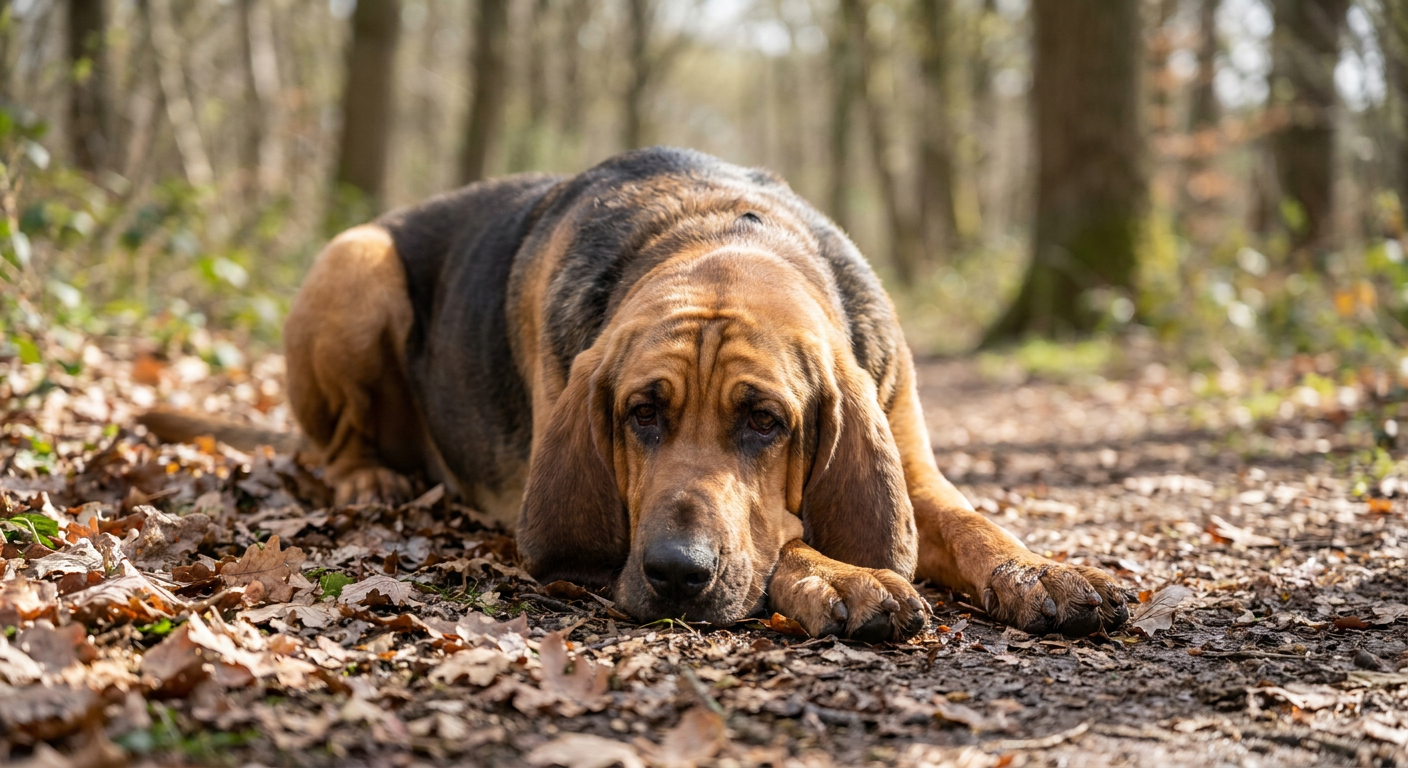
Originating in Belgium and France centuries ago, the Bloodhound was meticulously developed by monks at the St. Hubert monastery. These "St. Hubert Hounds" laid the foundation for the modern breed, prized by royalty and nobility for its extraordinary ability to follow a scent trail. Their fame as man-trailers is legendary and has been admissible evidence in courts of law. The breed was first recognized by the American Kennel Club in 1885 and remains the gold standard in scent work, from law enforcement to search-and-rescue.
Temperament & Personality
Despite their imposing size, Bloodhounds are famously gentle, patient, and good-natured. They are typically affectionate with their families, including children and other pets. However, their temperament is dominated by their nose; when on a scent, they can be single-minded and oblivious to commands. This stubborn independence, a hallmark of the breed, requires a patient owner who understands they are managing an instinct-driven animal, not a dog focused on pleasing its handler.
Health Watchouts
Top conditions reported by AKC parent clubs, OFA, and the Merck Veterinary Manual. Discuss screening with your vet — especially before breeding or insuring.
Gastric Dilatation-Volvulus (Bloat)
High risk; up to 20-25% in deep-chested breedsA life-threatening condition where the stomach fills with gas and twists on itself. It cuts off blood flow and is a surgical emergency.
Screening: No genetic screen. Prophylactic gastropexy surgery can be performed. Owners must know the early signs (pacing, non-productive retching, swollen abdomen).
Hip and Elbow Dysplasia
Common; OFA data shows ~25.6% of Bloodhounds evaluated for hips are dysplastic.Abnormal development of the hip or elbow joints, leading to instability, inflammation, and progressive arthritis.
Screening: Orthopedic Foundation for Animals (OFA) or PennHIP radiographs are crucial for breeding stock.
Eyelid Conditions (Entropion/Ectropion)
CommonThe lower eyelids roll inward (entropion) or outward (ectropion) due to the breed's loose skin, causing irritation, pain, and potential corneal damage.
Screening: Veterinary ophthalmologist examination. Responsible breeders screen for this.
Otitis Externa (Ear Infections)
Very CommonThe long, heavy, pendulous ears create a warm, moist, low-airflow environment ideal for yeast and bacteria growth, leading to chronic infections.
Screening: Regular veterinary examination and diligent at-home cleaning.
Hypothyroidism
Reported as a concern; OFA lists it in their database.The thyroid gland does not produce enough hormone, leading to weight gain, lethargy, skin problems, and hair loss.
Screening: Annual blood testing (thyroid panel) is recommended, especially for dogs showing clinical signs.
Exercise Needs
Bloodhounds are endurance athletes, not sprinters. They require at least 60-90 minutes of daily exercise, best provided as long, steady, on-leash walks or hikes where they can engage their powerful nose. A tired Bloodhound is a happy Bloodhound, and satisfying their need to sniff is as important as physical exertion. Due to their instinct, they should never be exercised off-leash in an unfenced area.
- Long leashed walks
- Hiking
- Scent work trials
- Tracking
Nutrition
Daily calories: 1800-2400 kcal/day, depending on age, size, and activity level.
To mitigate the high risk of bloat, feed 2-3 smaller meals per day rather than one large one. Using a slow-feeder bowl and avoiding exercise for an hour before and after meals is highly recommended by veterinarians.
Common allergens to watch: Like all dogs, Bloodhounds can develop food allergies. The most common culprits are proteins like chicken, beef, and dairy. Consult a veterinarian if you suspect a food allergy., If signs of skin or GI issues arise, a food elimination trial under veterinary guidance is the gold standard for diagnosis..
⚠ Maintaining a lean body condition is critical for this breed. Excess weight severely stresses their large frame, exacerbating joint issues like hip and elbow dysplasia. You should be able to easily feel their ribs but not see them. Adjust food portions based on body condition, not the bag's recommendation.
Entertainment & Enrichment
Enrichment for a Bloodhound must revolve around their nose. Simply letting them sniff on a walk is a powerful form of mental stimulation. Structured scent games prevent boredom and destructive behaviors, providing a vital outlet for their primary genetic drive.
- "Find it" games with hidden treats
- Nose work classes
- Laying a simple tracking trail in the yard
- Puzzle feeders and snuffle mats
Grooming & Coat Care
Grooming a Bloodhound is more about health than aesthetics. Their short coat needs weekly brushing. The most critical task is daily to weekly ear cleaning to prevent severe infections. The skin folds and wrinkles on their face and neck must be kept clean and dry to prevent skin fold dermatitis. Be prepared for a distinct "houndy" odor and significant drool.
Training
Training a Bloodhound requires immense patience and a focus on management over perfect obedience. They are intelligent but notoriously independent. Start positive reinforcement training early. A reliable recall is famously difficult to achieve, and they should never be trusted off-leash. Focus on leash manners and basic commands in a controlled environment. The key is a strong owner-dog bond and realistic expectations.
Cost of Ownership
Lifetime cost depends on size, lifespan, and health risks. Try our Lifetime Cost Calculator →
Cost band for Bloodhound: high.
How insurance, vet care & grooming connect for the Bloodhound
These three costs move together. The Bloodhound’s coat, energy, and breed-specific health watchouts shape each one — here’s how they line up.
Insurance band
Brachycephalic or giant-breed risk profile
Vet service load
Several conditions worth annual screening
Grooming demand
Low-maintenance coat — monthly bath and brush
Estimated monthly spend (typical adult)
Insurance
$85
Routine vet
$50
Grooming
$45
Combined estimate
~$180/mo(±20%, US averages)
* Estimates derived from breed traits (coat, energy, health watchouts, lifespan). Actual costs vary by location, age, and provider.
Living Situation Fit
Bloodhounds are not suited for apartment life. They thrive in a home with a large, very securely fenced yard. Their deep, booming bay can be a problem for close neighbors. Prospective owners must be accepting of drool, which is a constant feature of the breed. They need an owner who understands scent hound nature and is committed to on-leash walks for the dog's entire life.
Choosing a Puppy
Reputable breeders are essential. They should provide verifiable health clearances from the Orthopedic Foundation for Animals (OFA) for hips and elbows, as well as an eye clearance from a board-certified veterinary ophthalmologist. Ask about any history of bloat or heart conditions in their lines. A responsible breeder will also question you thoroughly to ensure you are a good fit for this challenging breed.
Frequently Asked Questions
Are Bloodhounds lazy or low-energy?
No. While they are generally calm and placid indoors, Bloodhounds have remarkable stamina and require at least an hour of daily exercise. They are built for endurance, not speed, and enjoy long, thoughtful walks where they can use their nose.
Do Bloodhounds really drool and smell?
Yes, absolutely. The droopy jowls lead to significant drooling, and they have a distinct, musky "hound smell" that some find strong. Owners often keep "drool rags" handy in the house and car. This is a non-negotiable part of living with the breed.
Can a Bloodhound ever be trained to be off-leash?
It is highly inadvisable and generally considered unsafe. A Bloodhound's nose is its master, and if it catches a compelling scent, its training will be forgotten. For their own safety, they must be leashed at all times in unfenced areas.
How are they with children and other pets?
Bloodhounds are known for being exceptionally gentle and patient with children. They are typically calm and sociable with other dogs. As with any large breed, interactions should always be supervised. Early socialization is key.