History & Origin
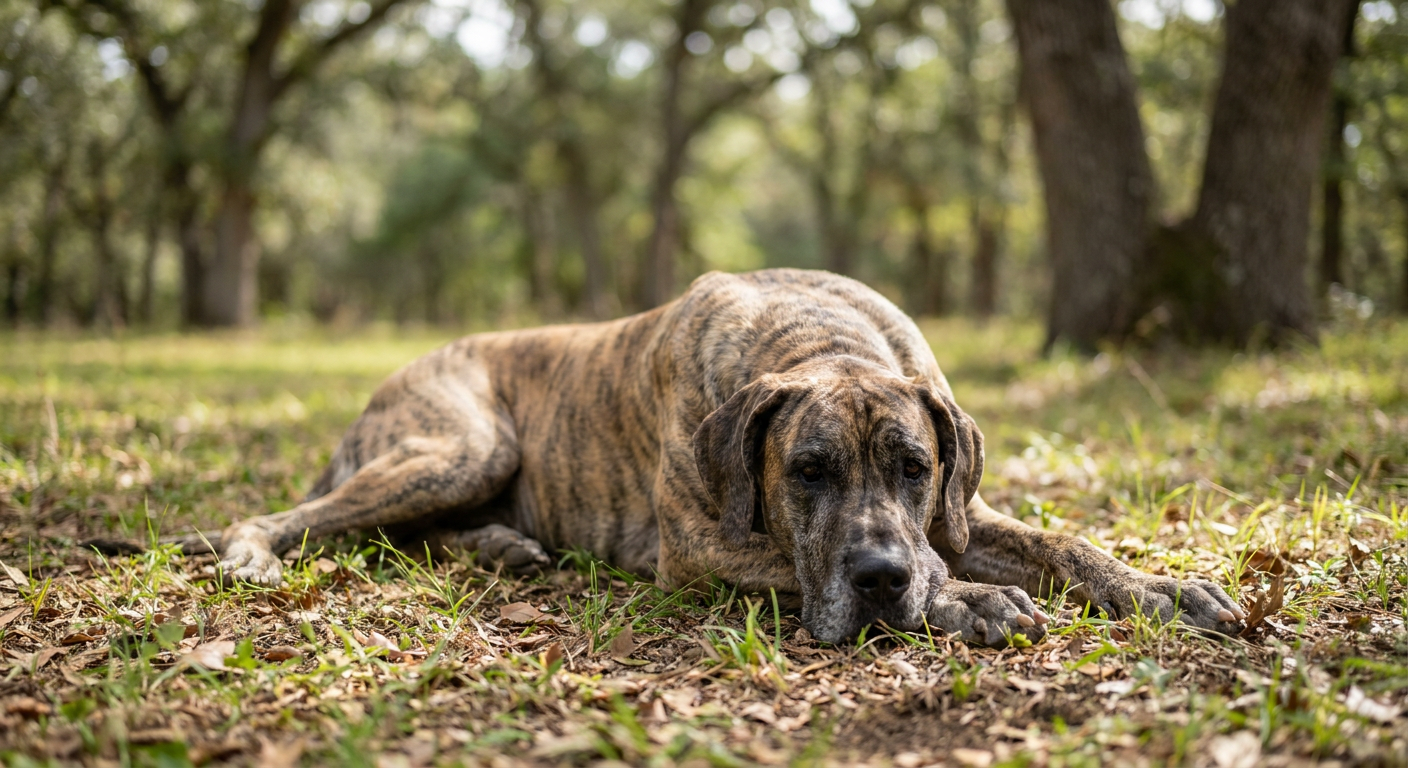
Originally developed in Germany to hunt wild boar, the Great Dane's ancestors were a cross between powerful Mastiff-type dogs and swifter Greyhounds. This combination created a formidable hunter capable of holding large prey at bay. Over time, as hunting practices changed, the breed transitioned into a role as a family companion and estate guardian, prized for its imposing presence and gentle demeanor. The breed was refined to favor temperament over ferocity, becoming the "Apollo of Dogs." The Great Dane Club of America was founded in 1889, and the breed was officially recognized by the American Kennel Club in the same year, placed in the Working Group.
Temperament & Personality
Despite their intimidating size, Great Danes are remarkably gentle, friendly, and dependable. They are generally patient and good-natured with children and other animals when properly socialized. While they form strong bonds with their families and can be protective, they are not typically aggressive. Their desire to please makes them trainable, but their sheer size necessitates early and consistent obedience work. They often seem unaware of their magnitude, attempting to be lap dogs and leaning heavily on their favorite people.
Health Watchouts
Top conditions reported by AKC parent clubs, OFA, and the Merck Veterinary Manual. Discuss screening with your vet — especially before breeding or insuring.
Gastric Dilatation-Volvulus (GDV or "Bloat")
High risk; up to 42% lifetime riskA life-threatening emergency where the stomach fills with gas and twists on itself. This cuts off blood flow and is fatal without immediate surgical intervention. Deep-chested breeds like the Great Dane are a highest-risk category.
Screening: Prophylactic gastropexy surgery, a procedure that tacks the stomach to the body wall to prevent twisting, is often recommended for at-risk breeds. Discuss this preventative option with your veterinarian.
Dilated Cardiomyopathy (DCM)
CommonA serious heart condition where the heart muscle becomes thin and weak, leading to an enlarged heart that cannot pump blood effectively. It often leads to congestive heart failure.
Screening: Annual screening with a veterinary cardiologist via echocardiogram (heart ultrasound) and/or Holter monitor is recommended by the breed club to detect early signs.
Hip Dysplasia
16.1% affected (OFA data)An abnormal formation of the hip socket that can cause pain, arthritis, and lameness. As a giant breed, the clinical signs can be severe and debilitating.
Screening: Reputable breeders screen their dogs using OFA or PennHIP evaluations. Maintaining a lean body condition is crucial for managing risk in all Great Danes.
Wobbler Syndrome (Cervical Spondylomyelopathy)
CommonA neurological disease caused by compression of the spinal cord in the neck region, resulting in a wobbly, uncoordinated gait, especially in the rear limbs.
Screening: Diagnosis is made via neurological exam and advanced imaging (CT or MRI). Screening of breeding stock is not routine, but buyers should be aware of any family history.
Osteosarcoma (Bone Cancer)
Significantly higher risk in giant breedsAn aggressive bone cancer that most commonly affects the limbs. The first sign is typically a persistent lameness or a noticeable swelling on a bone.
Screening: There is no routine screening test. Owners should be vigilant for any persistent lameness and seek veterinary evaluation with X-rays promptly.
Exercise Needs
Great Danes require moderate daily exercise, focused on consistency rather than intensity. Aim for 30-60 minutes per day, typically split into two or three brisk walks. Their giant frame is susceptible to joint damage, so high-impact or overly strenuous activities should be avoided, especially in their first two years.
- Leashed walks
- Gentle jogging (on soft surfaces, once fully mature)
- Free play in a securely fenced area
- Nose work
Nutrition
Daily calories: 2500-3500 kcal/day, depending on age, activity level, and metabolism.
Feed a high-quality, AAFCO-approved diet specifically formulated for giant breeds. Crucially, puppies must be fed a giant-breed puppy formula to ensure a slow, steady growth rate, which helps prevent developmental orthopedic diseases. To reduce the risk of bloat, feed two to three smaller meals per day rather than one large one, and avoid exercise immediately before or after eating.
Common allergens to watch: Beef, Chicken, Dairy.
⚠ Obesity is catastrophic for a Great Dane's joints and can increase the risk of bloat. You should always be able to feel their ribs easily under a thin layer of fat, and they should have a visible "waist" or tuck-up behind the ribs. Work with your vet to maintain a lean body condition score (4/9 or 5/9) throughout their life.
Entertainment & Enrichment
Mental stimulation is important for this intelligent breed. Enrichment should engage their minds without putting physical strain on their bodies. Puzzle toys and gentle training sessions are excellent ways to prevent boredom and strengthen the human-animal bond.
- Food-dispensing puzzle toys
- Slow feeder bowls
- Nose work and scent games
- Short, positive-reinforcement training sessions
- Chew toys rated for giant breeds
Grooming & Coat Care
The Great Dane's short coat is low-maintenance. A weekly brushing with a rubber curry comb or soft bristle brush will remove loose hair and keep the coat healthy. Nails should be trimmed regularly, as long nails can cause pain and postural problems in a heavy dog. Ears should be checked and cleaned weekly to prevent infections.
Training
Early socialization and puppy training classes are mandatory for a breed of this size and strength. Great Danes are eager to please, but a 150-pound dog that hasn't learned basic manners is a significant liability. Use positive reinforcement techniques. Focus on leash manners, basic obedience (sit, stay, come), and discouraging jumping from a young age.
Cost of Ownership
Lifetime cost depends on size, lifespan, and health risks. Try our Lifetime Cost Calculator →
Cost band for Great Dane: high.
How insurance, vet care & grooming connect for the Great Dane
These three costs move together. The Great Dane’s coat, energy, and breed-specific health watchouts shape each one — here’s how they line up.
Insurance band
Brachycephalic or giant-breed risk profile
Vet service load
Several conditions worth annual screening
Grooming demand
Low-maintenance coat — monthly bath and brush
Estimated monthly spend (typical adult)
Insurance
$85
Routine vet
$50
Grooming
$45
Combined estimate
~$180/mo(±20%, US averages)
* Estimates derived from breed traits (coat, energy, health watchouts, lifespan). Actual costs vary by location, age, and provider.
Living Situation Fit
The ideal Great Dane owner is prepared for the realities of a giant breed: a shorter lifespan, high food bills, and potentially expensive veterinary care. While they can adapt to apartment living with sufficient walks, a home with a fenced yard is often easier. They thrive in a family that can provide consistent companionship, gentle guidance, and can manage a dog of their immense power and size.
Choosing a Puppy
Choose a breeder who is a member of the Great Dane Club of America and follows their ethical guidelines. A responsible breeder will perform and provide proof of health screenings for parents, including OFA/PennHIP (hips), OFA (elbows, thyroid), and cardiac evaluation (echocardiogram) by a veterinary cardiologist. Puppies should be well-socialized, confident, and raised in a clean, stimulating environment.
Frequently Asked Questions
Why do Great Danes have such a short lifespan?
Their giant size contributes to a faster metabolism and quicker aging. They are also prone to several life-limiting health conditions, such as Dilated Cardiomyopathy (DCM) and osteosarcoma, which are more common in giant breeds and contribute to their average lifespan of only 7-10 years.
What is bloat and how can I prevent it?
Bloat, or GDV, is a life-threatening condition where the stomach twists, trapping gas and cutting off blood supply. To reduce risk, feed your Dane multiple small meals a day, avoid exercise around mealtimes, and consider a preventative surgery called a prophylactic gastropexy, which you can discuss with your vet.
Are Great Danes expensive to own?
Yes, they are one of the more expensive breeds to own. Costs are high due to the large amount of food they consume, higher doses for medications, and the potential for costly veterinary emergencies like bloat surgery or treatment for heart disease. Pet insurance is strongly recommended.
Are Great Danes good with children?
When well-socialized, Great Danes are known for being exceptionally patient and gentle with children. However, due to their massive size, all interactions must be supervised to prevent accidental knock-downs. Early training to prevent jumping is essential.