History & Origin
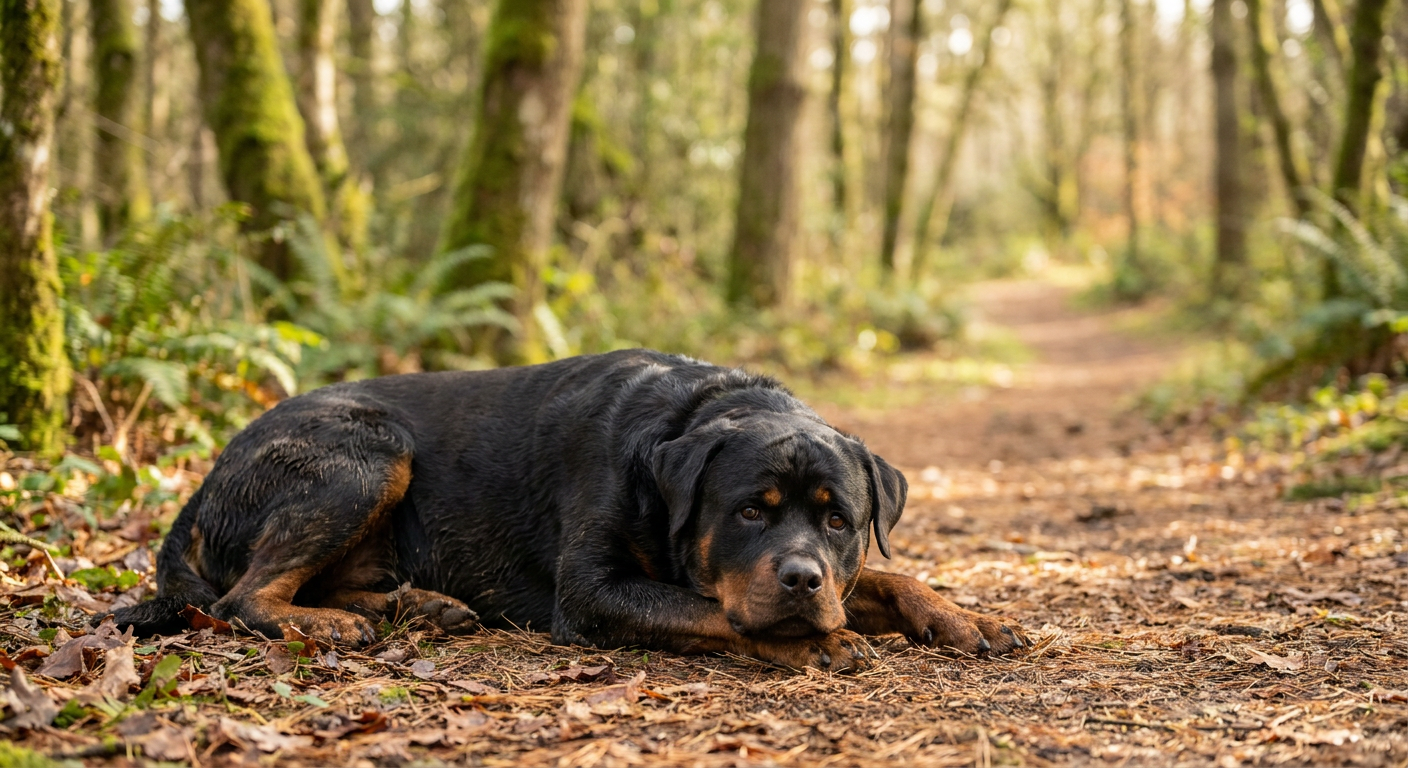
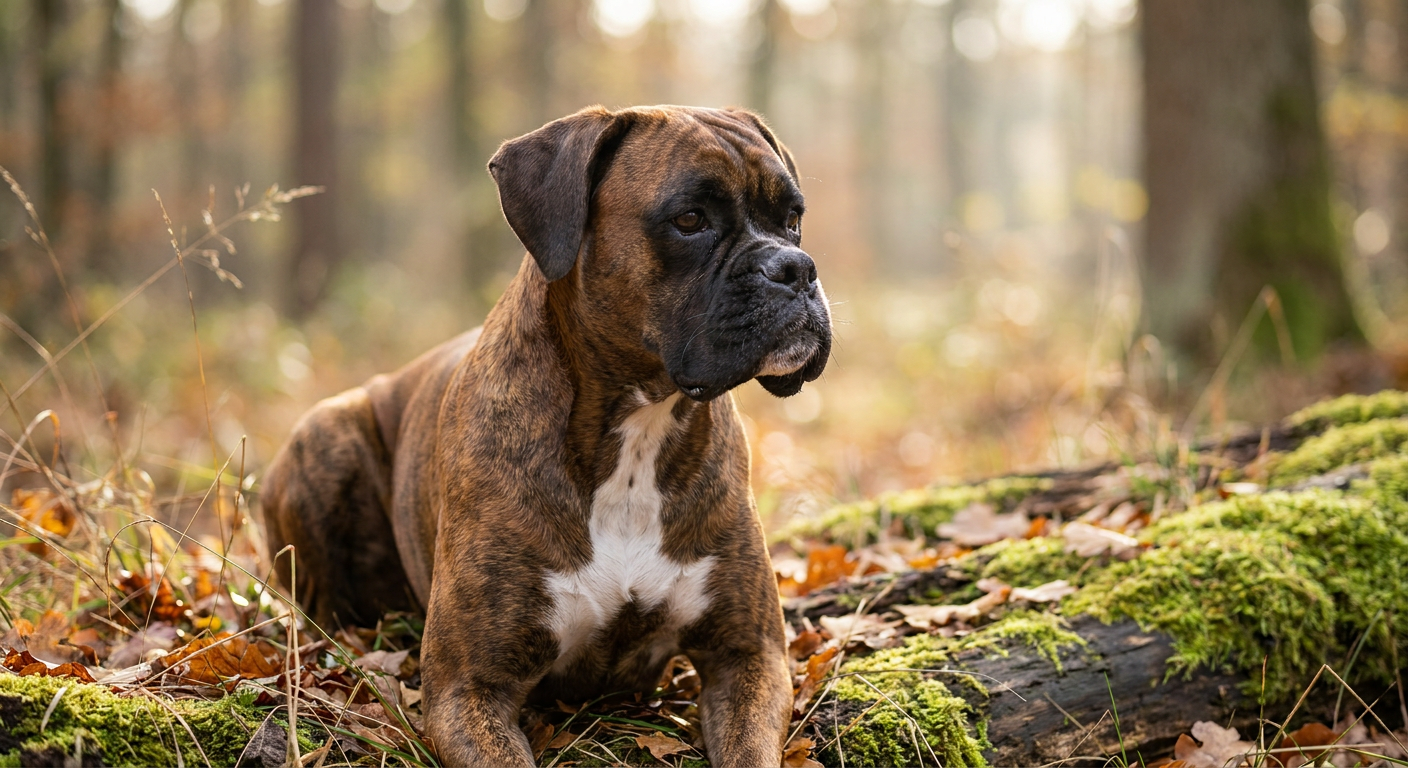
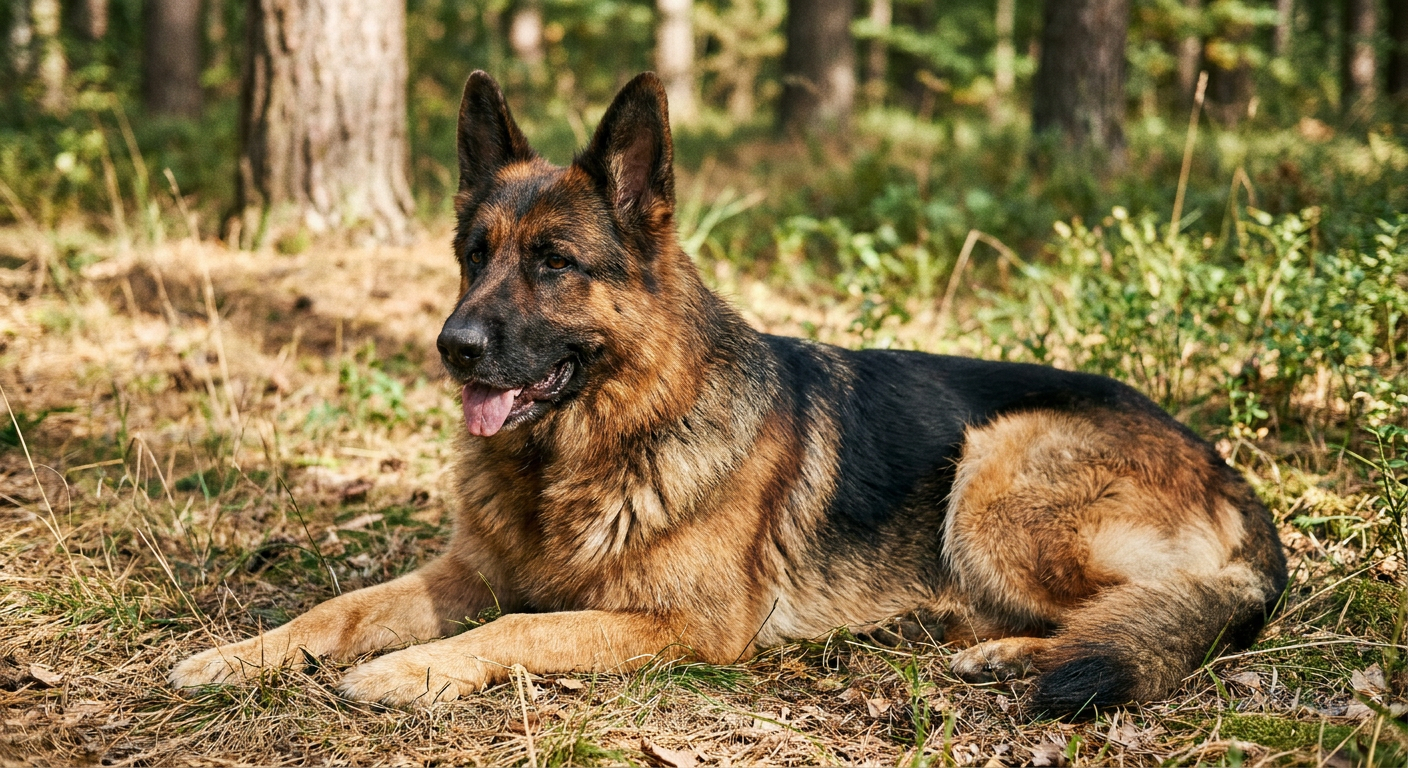
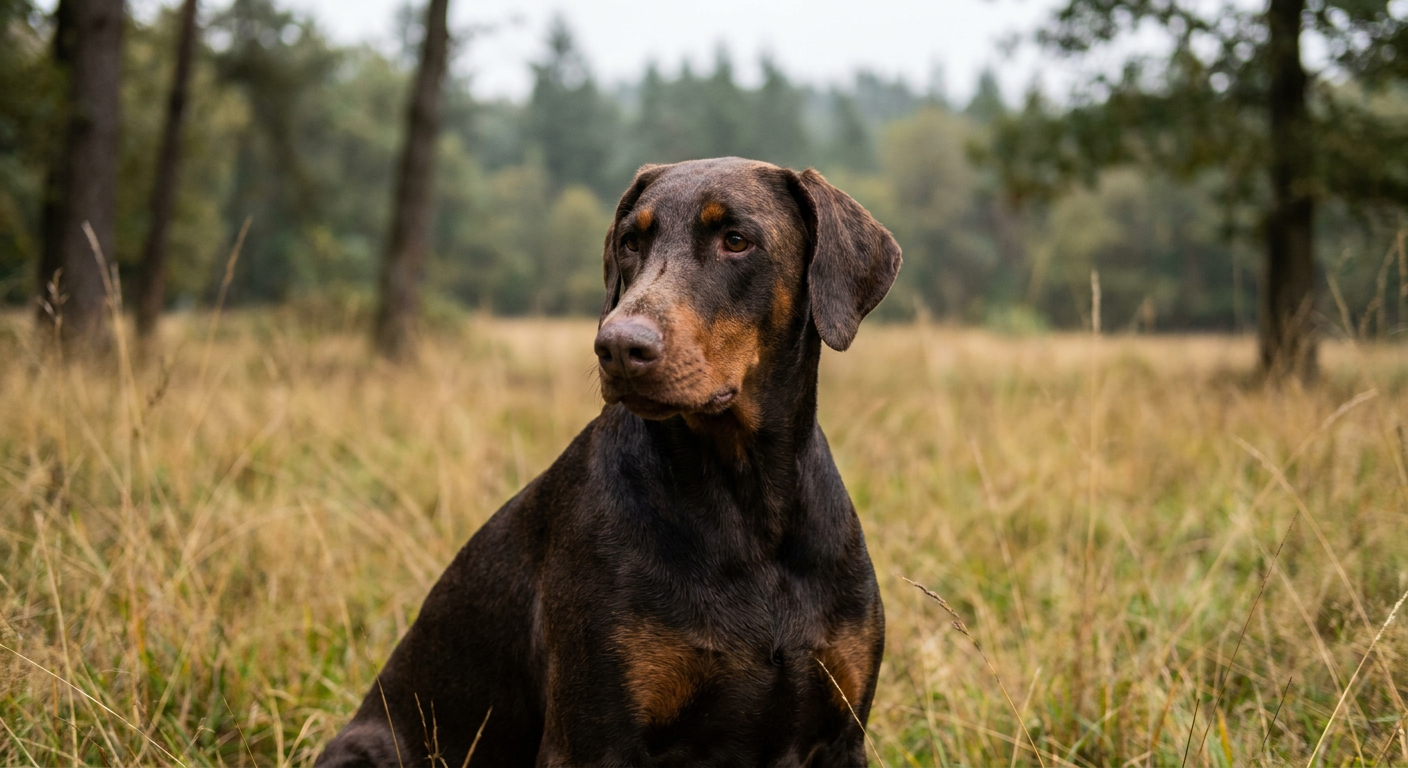
Developed in Apolda, Germany, around the late 19th century by Karl Friedrich Louis Dobermann, a tax collector who sought a formidable but loyal protection dog to accompany him on his rounds. The breed's exact ancestry is unknown, but it's believed to be a mix of the old German Shepherd, German Pinscher, Rottweiler, and Weimaraner. Valued for their intelligence, loyalty, and protective instincts, Dobermans quickly found work as police and military dogs. The Doberman Pinscher Club of America was founded in 1921, and the breed was officially recognized by the AKC in 1908.
Temperament & Personality
The Doberman is best described as alert, fearless, and loyal. They are highly intelligent and trainable, forming a powerful bond with their family. While their protective instincts are renowned, a well-bred and properly socialized Doberman should be confident and assertive, not nervous or reactive. They are sensitive dogs that need to live indoors with their people and can suffer from separation anxiety if left alone too often. Early, extensive socialization is crucial to ensure they are discerning and stable guardians.
Health Watchouts
Top conditions reported by AKC parent clubs, OFA, and the Merck Veterinary Manual. Discuss screening with your vet — especially before breeding or insuring.
Dilated Cardiomyopathy (DCM)
Very Common (up to 58% affected)A serious heart muscle disease where the heart's chambers enlarge and lose the ability to pump blood effectively, often leading to congestive heart failure. Many dogs are asymptomatic until the disease is advanced.
Screening: Annual screening with a 24-hour Holter monitor and an echocardiogram is recommended for all Dobermans over the age of two.
Wobbler Syndrome (Cervical Spondylomyelopathy)
CommonA condition of the neck vertebrae that causes spinal cord compression, leading to a wobbly ('drunken') gait, neck pain, and potential paralysis.
Screening: Diagnosis is based on neurological exam, X-rays, and confirmed with an MRI or CT scan. Reputable breeders screen their stock, but the condition can still appear.
von Willebrand's Disease (vWD)
Common (many carriers)An inherited bleeding disorder caused by a deficiency in a specific protein needed for blood clotting. Signs can include nosebleeds, bleeding gums, or prolonged bleeding after surgery or injury.
Screening: A simple DNA test can identify clear, carrier, and affected dogs. A pre-surgical blood test (Buccal Mucosal Bleeding Time) is also advised.
Chronic Active Hepatitis (CAH)
CommonA progressive inflammatory liver disease, believed to have a genetic basis in Dobermans, which can lead to cirrhosis and liver failure.
Screening: Annual wellness bloodwork to monitor liver enzymes (ALT, AST) is crucial. A liver biopsy is the definitive diagnostic tool.
Hypothyroidism
Common (~7.5% affected according to OFA)The thyroid gland fails to produce adequate hormones, leading to weight gain, lethargy, skin problems, and hair loss.
Screening: An annual blood test (full thyroid panel including T4, TSH, and TgAA) is recommended, as a simple T4 test can be misleading.
Exercise Needs
Vigorous daily activity is a requirement, not a suggestion. A Doberman needs 60-90 minutes of exercise combining both physical exertion and mental challenges. A simple leashed walk is not sufficient to satisfy their high drive and intelligence. Without adequate stimulation, they can become bored, destructive, and anxious.
- Running or jogging with a conditioned adult dog
- Agility or advanced obedience trials
- Scent work and tracking games
- Hiking on varied terrain
- Playing fetch with a ball or disc in a securely fenced area
Nutrition
Daily calories: 1400-1800 kcal/day for a typical 75lb adult.
Feed a high-quality, large-breed formula. To help prevent bloat (GDV), a life-threatening condition, feed two smaller meals per day instead of one large one, use a slow-feeder bowl, and avoid exercise for at least an hour before and after eating.
Common allergens to watch: Beef, Dairy, Wheat.
⚠ Maintaining a lean body condition is critical for protecting a Doberman's joints and cardiovascular system. You should be able to easily feel the ribs under a thin layer of fat, and a distinct waist should be visible from above. Obesity will significantly worsen conditions like Wobbler Syndrome and arthritis.
Entertainment & Enrichment
Mental stimulation is as important as physical exercise for a Doberman. A bored Doberman is a creative and often destructive Doberman. Incorporate enrichment activities into their daily routine to keep their sharp mind engaged and prevent problem behaviors.
- Interactive puzzle toys and food-dispensing games
- Learning new commands and tricks weekly
- Nose work games (hiding treats or toys around the house)
- Structured training sessions for sports like obedience or rally
- Varying walking routes to provide new smells and sights
Grooming & Coat Care
The Doberman's short coat is low-maintenance, requiring only a weekly brushing with a curry comb or grooming mitt to remove loose hair. However, regular nail trimming is essential to prevent foot and posture problems. Ears should be checked and cleaned weekly, and consistent dental care (brushing and/or vet-approved chews) is vital for overall health.
Training
Training and socialization must begin the day a Doberman puppy comes home. They are highly intelligent and eager to please but can be pushy and dominant if not given clear, consistent boundaries. Use positive reinforcement methods; their sensitive nature does not respond well to harsh corrections. Focus on obedience, impulse control, and exposure to a wide variety of people, sights, and sounds to build a stable, confident adult.
Cost of Ownership
Lifetime cost depends on size, lifespan, and health risks. Try our Lifetime Cost Calculator →
Cost band for Doberman Pinscher: high.
How insurance, vet care & grooming connect for the Doberman Pinscher
These three costs move together. The Doberman Pinscher’s coat, energy, and breed-specific health watchouts shape each one — here’s how they line up.
Insurance band
Common hereditary conditions raise claim odds
Vet service load
High activity raises orthopedic & injury visits
Grooming demand
Low-maintenance coat — monthly bath and brush
Estimated monthly spend (typical adult)
Insurance
$85
Routine vet
$60
Grooming
$45
Combined estimate
~$190/mo(±20%, US averages)
* Estimates derived from breed traits (coat, energy, health watchouts, lifespan). Actual costs vary by location, age, and provider.
Living Situation Fit
The ideal home is an active one with a securely fenced yard. This breed is not suited to apartment life or for owners who are away for long hours. Dobermans are "velcro dogs" that need to be a central part of the family. Their loyalty is unparalleled, but they require an owner who can provide leadership, structure, and meet their significant needs for exercise and mental engagement.
Choosing a Puppy
Prospective owners must seek a reputable breeder who prioritizes health and temperament. A responsible breeder will conduct and provide proof of rigorous health testing, including annual Holter/echocardiograms, DNA tests for vWD and DCM genes, and OFA certifications for hips and thyroid. Puppies should be raised in the home and well-socialized from birth. Avoid breeders who do not perform these tests or seem to produce a high volume of litters.
Frequently Asked Questions
Are Dobermans aggressive?
A well-bred Doberman from a reputable breeder, properly socialized and trained, should be a stable and discerning dog, not indiscriminately aggressive. They are natural guardians and will be protective of their family. However, poor breeding, lack of socialization, or improper training can lead to fear-based reactivity or guarding issues.
Do Dobermans need their ears cropped and tails docked?
Historically, ear cropping and tail docking were performed to prevent injury when the dogs were working as guardians. Today, these are purely cosmetic procedures and are not required for the dog's health or well-being. The American Veterinary Medical Association (AVMA) opposes these surgeries for cosmetic purposes, and they are illegal in many countries.
Is a Doberman a good family dog?
A Doberman can be a wonderful, loyal family dog if the family is prepared for the commitment. They are generally best with children when raised with them from puppyhood. However, due to their size and energy, all interactions with children must be supervised. They require a family that is active and willing to include them in daily life and provide consistent training.
What is the 'Doberman gene' for Dilated Cardiomyopathy (DCM)?
There are two known genetic mutations (PDK4 and DCM2) linked to a higher risk of developing DCM in Dobermans. DNA tests are available for both. However, these tests are not definitive. A dog can be 'clear' but still develop DCM, and a dog can be a 'carrier' and never show symptoms. Therefore, genetic testing should be used as one tool alongside annual heart screenings like Holter monitors and echocardiograms.