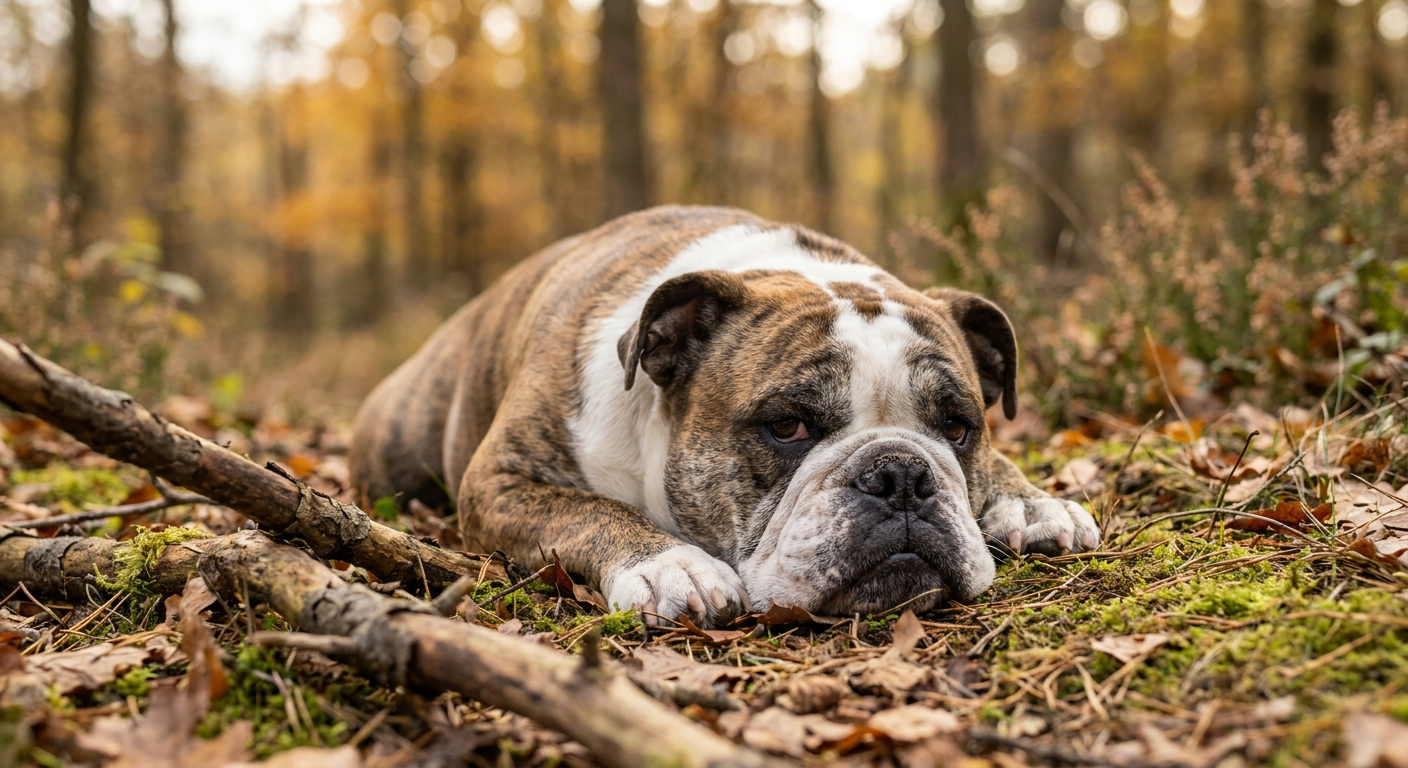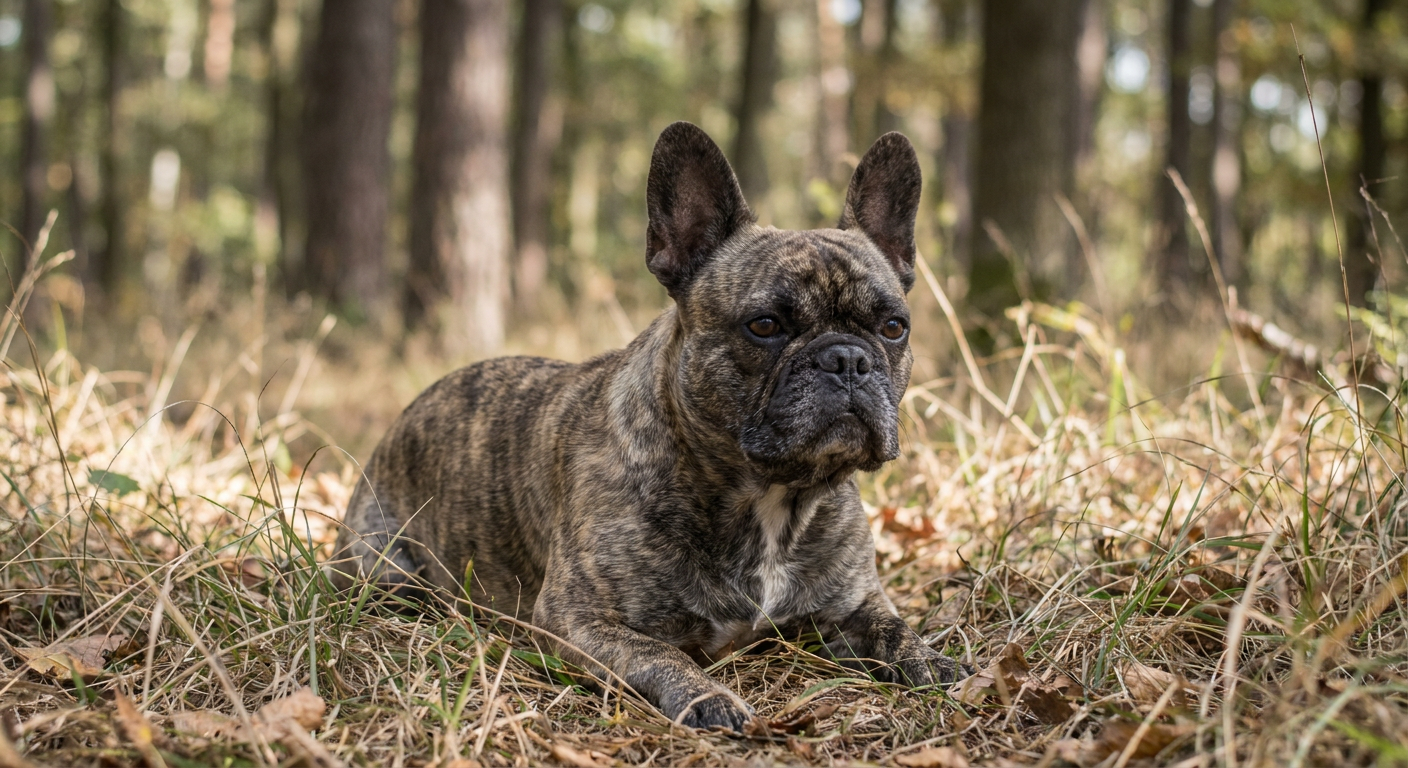
History & Origin
Lace workers in 19th-century Nottingham, England kept Toy Bulldogs as ratters and lap dogs. When they emigrated to France during the Industrial Revolution, the small bulldogs followed and became fashionable in Paris cafes. American visitors imported them in the late 1800s; AKC recognized the breed in 1898.
Temperament & Personality
Affectionate, alert, playful clown. Frenchies bond intensely with their household, are good with kids when socialized, and rarely bark. They are more independent than Bulldogs but stubborn during training.
Health Watchouts
Top conditions reported by AKC parent clubs, OFA, and the Merck Veterinary Manual. Discuss screening with your vet — especially before breeding or insuring.
Brachycephalic obstructive airway syndrome (BOAS)
≥50% of FrenchiesStenotic nares, elongated soft palate and narrow trachea cause noisy breathing, exercise intolerance, and sleep apnea. Many require corrective surgery.
Screening: Cambridge BOAS exam scoring before breeding
Intervertebral disc disease (IVDD)
Up to 18% lifetime riskFrenchies have screw-tail vertebral malformations and disc herniation risk. Sudden rear-leg paralysis is an emergency.
Screening: Avoid jumping; spinal X-ray of breeding stock
Heat stroke
Constant riskBrachycephalic dogs cannot pant efficiently. Even mild exercise on warm days (>75°F/24°C) can be fatal.
Screening: Owner education; never exercise in heat
Allergies & skin fold dermatitis
Very commonAtopic dermatitis and infected facial/tail folds.
Screening: Daily fold cleaning; veterinary derm referral if itchy
Hip dysplasia
~30%Surprisingly high for a small breed.
Screening: OFA hip evaluation of parents
Exercise Needs
Frenchies need only 20–45 minutes of low-intensity exercise daily — and never in heat. Two short cool-weather walks plus indoor play is the standard routine.
- Two 15-minute walks in cool weather (early morning, late evening)
- Gentle indoor fetch
- Short training sessions
- Sniff walks (mental work without physical strain)
- Avoid: stairs, jumping, hot weather, intense play
Nutrition
Daily calories: Adult: 550–800 kcal/day. Frenchies gain weight easily.
Two measured meals daily. Avoid free feeding. Use slow-feeder bowls — Frenchies inhale food and swallow air, worsening flatulence and bloat risk.
Common allergens to watch: Chicken, Beef, Dairy, Grain.
⚠ Even 1–2 lb overweight worsens BOAS symptoms dramatically. Keep body condition at 4–5/9.
Entertainment & Enrichment
Frenchies are smart and food-motivated but tire of repetition. Short, varied sessions work best.
- Snuffle mats for indoor mental work
- Puzzle feeders at every meal
- Trick training in 5-minute bursts
- Scent games
- Stuffed Kongs frozen with wet food
Grooming & Coat Care
Brush weekly. Clean facial folds and tail pocket daily with veterinary wipes — bacterial infections develop fast. Bathe monthly. Trim nails every 2–3 weeks (they don't wear down naturally).
Training
Moderate difficulty. Frenchies are smart but stubborn — short, high-value reward sessions work best. Housetraining can take 4–6 months. Crate training is essential for IVDD prevention.
Cost of Ownership
Lifetime cost depends on size, lifespan, and health risks. Try our Lifetime Cost Calculator →
Cost band for French Bulldog: high.
How insurance, vet care & grooming connect for the French Bulldog
These three costs move together. The French Bulldog’s coat, energy, and breed-specific health watchouts shape each one — here’s how they line up.
Insurance band
Brachycephalic or giant-breed risk profile
Vet service load
Several conditions worth annual screening
Grooming demand
Low-maintenance coat — monthly bath and brush
Estimated monthly spend (typical adult)
Insurance
$85
Routine vet
$50
Grooming
$45
Combined estimate
~$180/mo(±20%, US averages)
* Estimates derived from breed traits (coat, energy, health watchouts, lifespan). Actual costs vary by location, age, and provider.
Living Situation Fit
Apartment-perfect. Frenchies are quiet, compact, and content with indoor play. They are velcro dogs and struggle with being alone for more than 4–6 hours. Climate-controlled environments are non-negotiable — they cannot tolerate heat.
Choosing a Puppy
This is the most important decision you'll make. Choose breeders who BOAS-test, OFA-screen hips and patellas, X-ray spines, and breed for longer muzzles. Avoid Frenchies under $2,500 (typically backyard/puppy mill) or with extreme features. Consider French Bulldog Rescue Network — many adult Frenchies need homes due to medical bills.
Frequently Asked Questions
Are French Bulldogs good apartment dogs?
Yes — Frenchies are arguably the best apartment breed. They're quiet, compact, low-energy and don't need yard access. The main caveats: they cannot tolerate stairs long-term (IVDD risk) and need climate control year-round.
Why are French Bulldogs so expensive?
Most cannot breed or whelp naturally — nearly all litters require artificial insemination ($500+) and C-section delivery ($2,000–4,000). Combined with high demand, ethical breeding costs $3,000–8,000 per puppy. Lower prices usually indicate corner-cutting.
How long do French Bulldogs live?
Average lifespan is 10–12 years, but a 2024 Royal Veterinary College study found Frenchies' median lifespan in the UK is just 9.8 years — among the shortest of any breed, driven by airway and spinal disease.
Can French Bulldogs swim?
No. Their dense, top-heavy build and brachycephalic airways make swimming dangerous — most Frenchies sink. Always use a life vest near water and never leave them unsupervised.