History & Origin
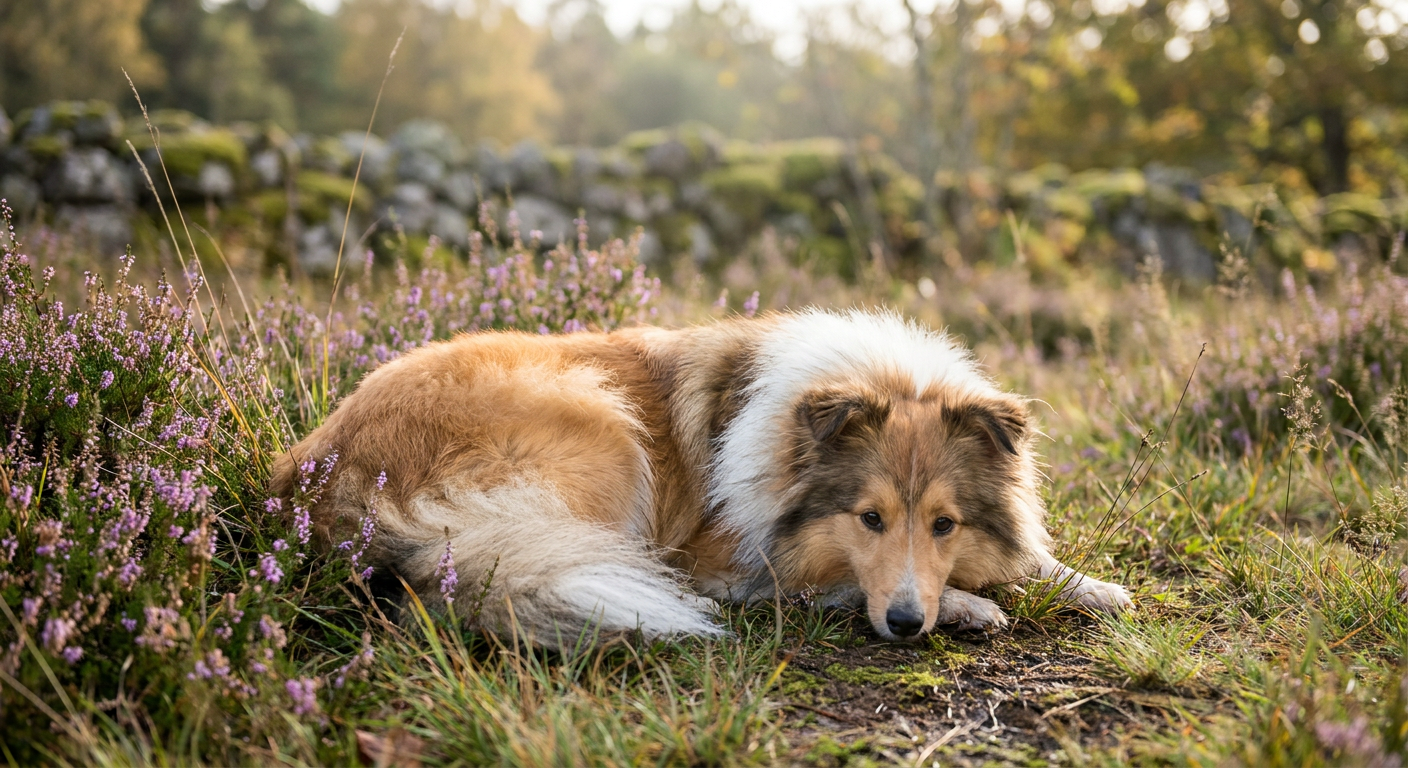
Originating in the rugged Shetland Islands, the Shetland Sheepdog was developed as a small, hardy herding dog for the local crofters. The breed, affectionately called the "Sheltie," is not a miniature Collie but a distinct breed, likely developed by crossing Border Collies with smaller local dogs and perhaps the King Charles Spaniel. Their small size made them economical for farmers to keep. Valued for their intelligence and diligence, they excelled at guarding flocks from birds and other threats. The breed was first recognized by the English Kennel Club in 1909. After some controversy regarding their name and type, they were officially recognized as the Shetland Sheepdog by the American Kennel Club (AKC) in 1911, where they are part of the Herding Group.
Temperament & Personality
Shelties are renowned for their keen intelligence, loyalty, and playful disposition. They are highly sensitive and form deep bonds with their owners, often acting as "shadows." While generally good-natured and polite with strangers after initial caution, their herding heritage can manifest as a tendency to bark and attempt to herd children or other pets. They are eager to please and excel in training, but their sensitivity means they respond best to positive reinforcement rather than harsh methods. A well-socialized Sheltie is a gentle, devoted family companion.
Health Watchouts
Top conditions reported by AKC parent clubs, OFA, and the Merck Veterinary Manual. Discuss screening with your vet — especially before breeding or insuring.
Collie Eye Anomaly (CEA)
Common (50-90% carrier rate)A congenital, inherited condition affecting the development of the eye. In mild cases, vision is unaffected, but in severe cases can lead to retinal detachment and blindness. It is non-progressive.
Screening: All puppies should be evaluated by a veterinary ophthalmologist at 6-8 weeks of age. A DNA test is also available and highly recommended for breeding animals.
Multidrug Resistance 1 (MDR1) Gene Mutation
Common (approx. 15% affected, 35% carriers)A genetic mutation that causes sensitivity to certain common veterinary drugs (e.g., ivermectin, loperamide, some chemotherapy agents), leading to potential neurological toxicity.
Screening: A simple DNA cheek swab can determine a dog's status (clear, carrier, or affected). All Shelties should be tested to ensure safe administration of medications.
Dermatomyositis (DMS)
Common genetic predispositionAn inherited autoimmune disease affecting the skin and muscles, typically appearing before 6 months of age. Lesions can range from mild skin crusting to severe muscle atrophy.
Screening: DNA tests are available to assess genetic risk. Responsible breeders screen for this and avoid breeding at-risk combinations.
Hip Dysplasia
4.6% affected (OFA data)A malformation of the hip joint that leads to instability, pain, and arthritis. While less common than in large breeds, it is still a significant concern.
Screening: Responsible breeders screen their dogs with hip X-rays evaluated by the Orthopedic Foundation for Animals (OFA) or PennHIP.
Hypothyroidism
CommonThe thyroid gland fails to produce adequate hormone, leading to weight gain, lethargy, skin problems, and hair loss. It is typically managed with daily medication.
Screening: Blood tests can diagnose the condition. Regular veterinary check-ups are important for monitoring thyroid levels, especially in middle-aged to senior dogs.
Exercise Needs
Shelties are energetic and intelligent dogs that require consistent daily exercise to stay physically and mentally healthy. A minimum of 60-90 minutes of activity per day is recommended. This breed needs more than just a leash walk; they thrive when given a "job" to do, whether it's structured training, dog sports, or interactive play.
- Agility
- Herding trials
- Obedience and rally
- Frisbee or fetch
- Long hikes or jogging
Nutrition
Daily calories: 450-750 kcal/day, depending on activity level, age, and spay/neuter status.
Feed a high-quality, AAFCO-approved commercial diet appropriate for your dog's life stage. Splitting the daily amount into two meals can help prevent bloat, though the risk is lower than in giant breeds. Use a measuring cup for accuracy.
Common allergens to watch: Chicken, Beef, Dairy.
⚠ Shelties can be prone to obesity, especially as they age. This puts extra strain on their joints and can worsen conditions like hip dysplasia and arthritis. Maintain a lean body condition where you can easily feel their ribs but not see them. Adjust food intake based on activity level.
Entertainment & Enrichment
A bored Sheltie is often a noisy and destructive Sheltie. Their sharp intellect demands daily mental stimulation. Enrichment should focus on problem-solving, training, and activities that mimic their herding instincts. A rotating selection of puzzles and games will keep them engaged.
- Puzzle feeders and food-dispensing toys
- Scent work games ("find the treat")
- Learning new tricks and commands weekly
- Interactive human-dog games like hide-and-seek
- Canine sports like obedience or agility
Grooming & Coat Care
The Sheltie's dense double coat requires thorough brushing 2-3 times per week to prevent matting and manage shedding. Pay special attention to the fine hair behind the ears and under the legs. During their heavy shedding seasons (typically spring and fall), daily brushing will be necessary. Professional grooming may be helpful, but the coat should never be shaved, as it provides insulation from both heat and cold. Regular nail trims, ear cleaning, and dental care are also essential.
Training
Shetland Sheepdogs are exceptionally intelligent and highly trainable. They excel in obedience and are eager to please their owners. Early socialization and puppy training classes are crucial. Use positive reinforcement techniques; their sensitive nature means they do not respond well to harsh corrections. Training is the best way to manage their tendency to bark—teach a "quiet" command from a young age.
Cost of Ownership
Lifetime cost depends on size, lifespan, and health risks. Try our Lifetime Cost Calculator →
Cost band for Shetland Sheepdog: medium.
How insurance, vet care & grooming connect for the Shetland Sheepdog
These three costs move together. The Shetland Sheepdog’s coat, energy, and breed-specific health watchouts shape each one — here’s how they line up.
Insurance band
Common hereditary conditions raise claim odds
Vet service load
High activity raises orthopedic & injury visits
Grooming demand
Double coat sheds seasonally — frequent brushing
Estimated monthly spend (typical adult)
Insurance
$75
Routine vet
$60
Grooming
$75
Combined estimate
~$210/mo(±20%, US averages)
* Estimates derived from breed traits (coat, energy, health watchouts, lifespan). Actual costs vary by location, age, and provider.
Living Situation Fit
Shelties can adapt to apartment living if their significant exercise and mental stimulation needs are met. However, they are ideally suited to a home with a securely fenced yard where they can run. Their tendency to bark may be an issue with close neighbors. They are devoted to their families and do not do well when left alone for extended periods. This is a breed for an active owner who enjoys training and spending quality time with their dog.
Choosing a Puppy
Look for a breeder who is a member of the Shetland Sheepdog Club of America and performs all recommended health screenings, including ophthalmologist exams for CEA and DNA tests for MDR1 and DMS. A responsible breeder will raise puppies in their home, begin socialization early, and provide comprehensive health records. You should be able to meet the puppy's mother and see the environment where they were raised.
Frequently Asked Questions
Are Shetland Sheepdogs good with children?
Yes, well-socialized Shelties are typically gentle and patient with children. However, their herding instinct may cause them to nip at heels or bark while trying to "herd" kids. Supervision is always recommended, and children should be taught how to interact respectfully with the dog.
Do Shelties bark a lot?
Shelties are known for being vocal. They will bark to alert you to strangers, when excited, or when bored. Consistent training from a young age can help manage nuisance barking, but prospective owners should expect a certain level of noise.
Are Shelties and Miniature Collies the same thing?
No, they are distinct breeds. While they share a similar appearance and ancestry, the Shetland Sheepdog was developed in the Shetland Islands, whereas the Collie was developed in the Scottish lowlands. The Sheltie is not simply a miniaturized version of the Collie.
How much grooming does a Sheltie really need?
Their beautiful coat is high-maintenance. Expect to spend at least 30 minutes brushing, 2-3 times a week, to prevent mats and control shedding. During seasonal shedding periods, this becomes a daily task. The coat protects them and should not be shaved.