Herding Group
Herding breeds are arguably the smartest, most biddable dogs on earth — Border Collies, Australian Shepherds, German Shepherds and Corgis were all developed to think independently while taking direction from a shepherd at distance. That intelligence is a gift and a responsibility: under-stimulated herders invent jobs, often noisy or destructive ones.
Common Traits at a Glance
- energy
- Very high (5/5)
- exercise
- 90–120+ min/day
- trainability
- Best in class (5/5)
- kid Friendly
- Good with structure
- shedding
- High (double coat)
History & Origin
Most herding breeds were refined in the 19th century from older European farm dogs. The AKC didn't separate them from the Working Group until 1983. Today many still work livestock, but the same instincts excel at agility, obedience, search-and-rescue, service work and competitive dog sports.
Is a Herding dog right for you?
Great fit if you…
- •Off-the-charts trainability and problem-solving
- •Form deep bonds with their primary human
- •Excel at canine sports
Maybe not if you…
- •Need 90+ minutes of mental and physical work daily
- •May try to herd children, joggers or cars
- •Sensitive to chaos — not a great fit for noisy households
Flagship breeds in this group
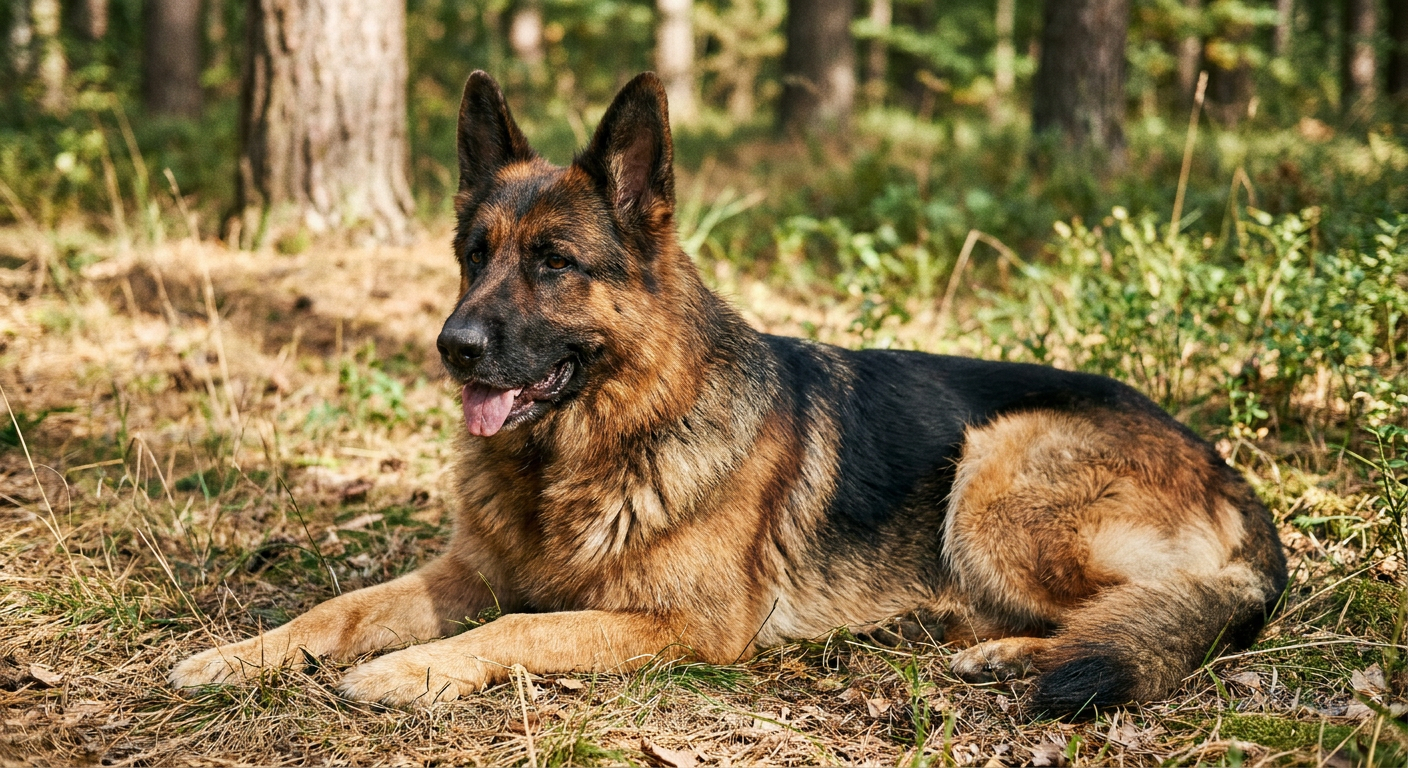
German Shepherd
Confident, intelligent and intensely loyal — the German Shepherd is the world's premier working dog, used by police, military and service organizations. They need experienced handlers, daily mental and physical work, and early socialization. In return you get one of the most capable and devoted dogs on earth.
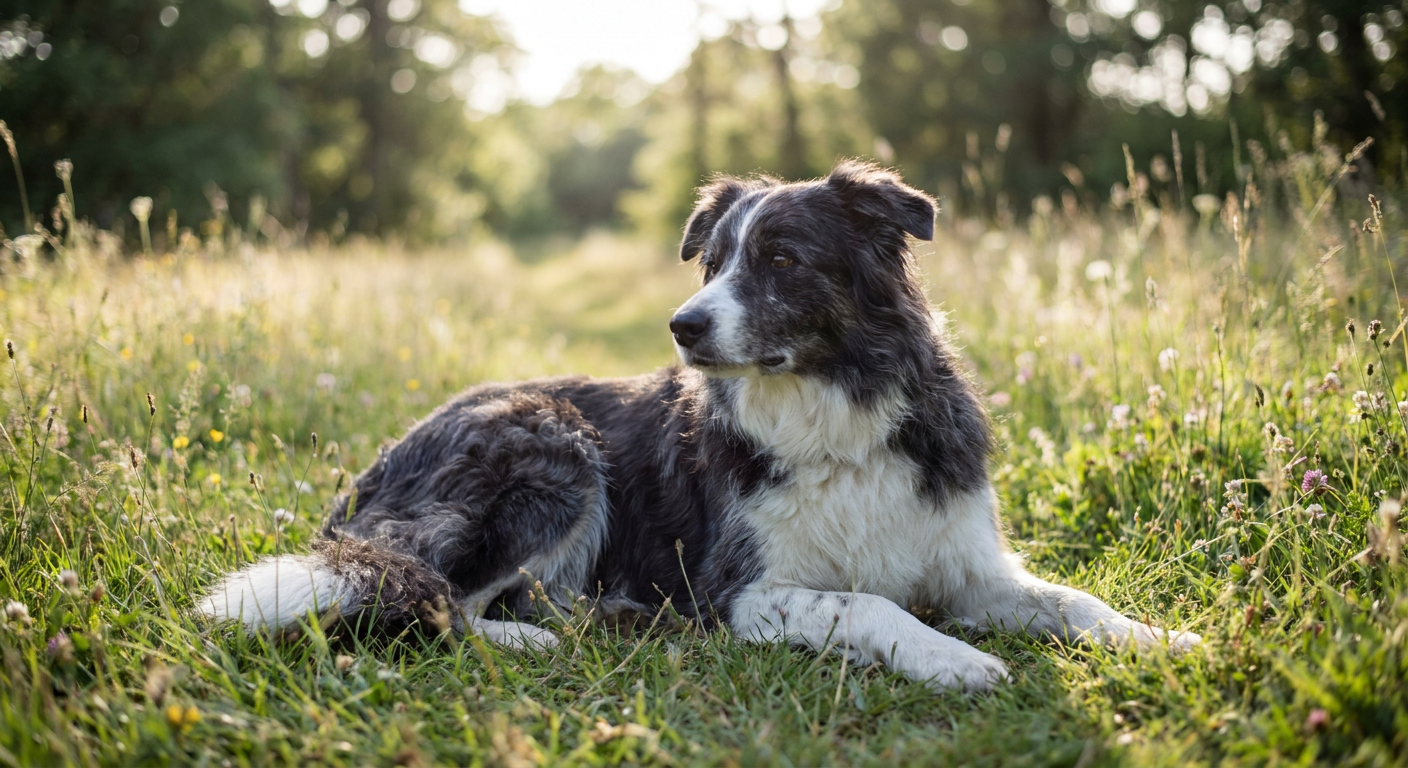
Border Collie
The smartest dog breed, period — and that's both gift and curse. Border Collies live to work; under-stimulated they invent jobs (typically destructive ones). They're the ultimate sport, agility and farm partner for committed owners with hours daily for physical and mental work. Not a casual pet.
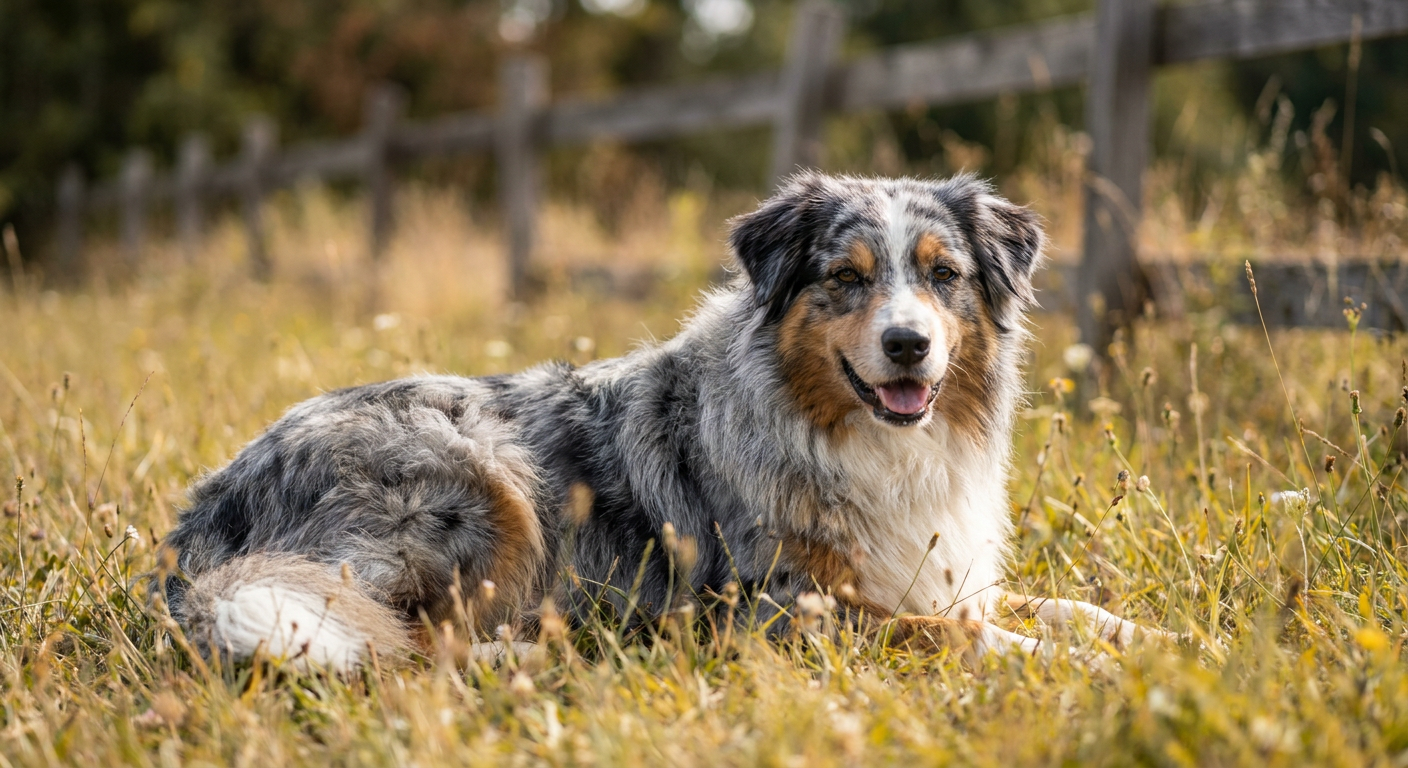
Australian Shepherd
The Australian Shepherd is a brilliant, high-energy herding dog, not a laid-back Aussie from down under, but an American workaholic. They are intensely loyal and trainable but require a huge commitment to exercise and mental stimulation. An Aussie without a job to do will invent one, often involving destruction or excessive barking. Not for first-time or sedentary owners.
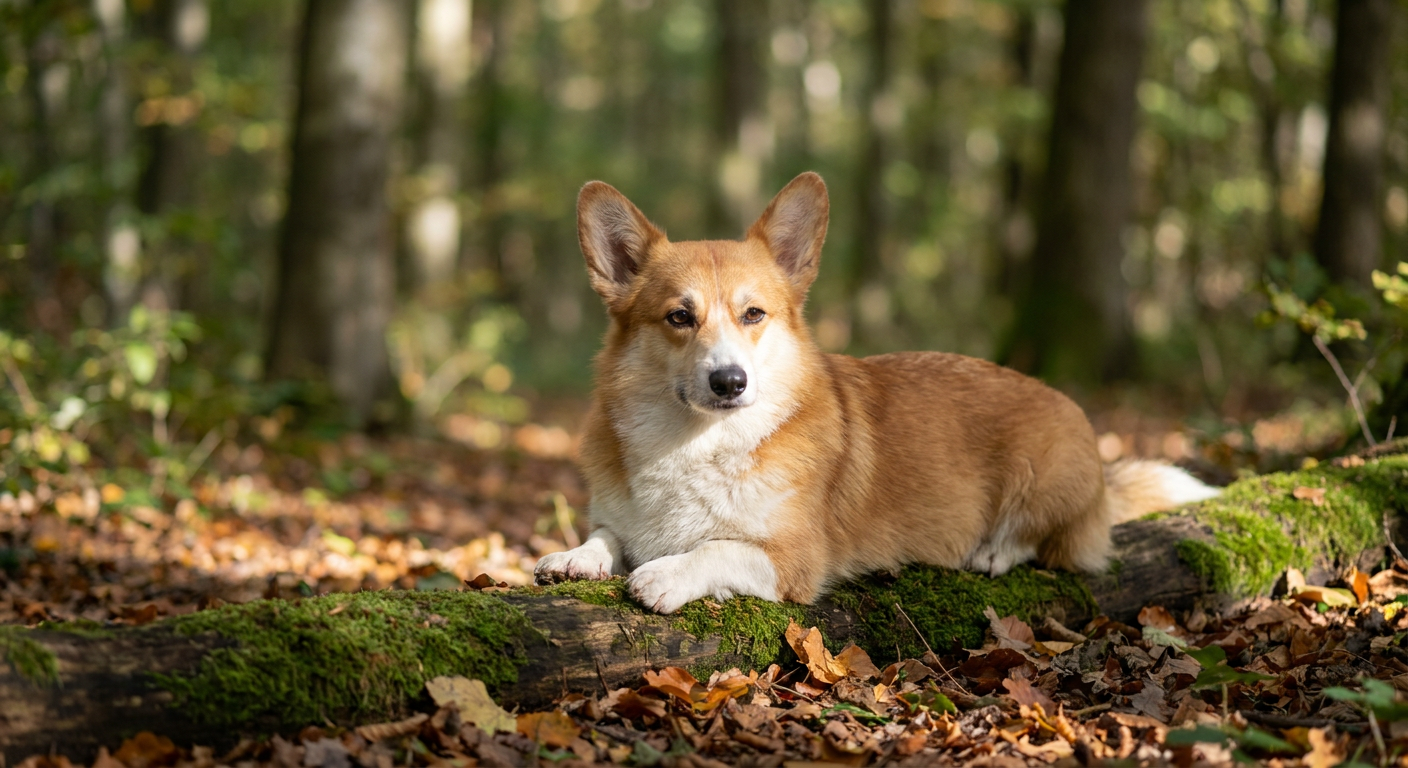
Pembroke Welsh Corgi
Smart, spunky, and surprisingly athletic, the Pembroke Welsh Corgi is a devoted companion for active owners. While trainable and mostly friendly, they are vocal and possess a strong herding instinct, which can translate to bossiness and nipping. Their propensity for heavy shedding and spine-threatening weight gain requires commitment. They thrive on activity and having a job to do.
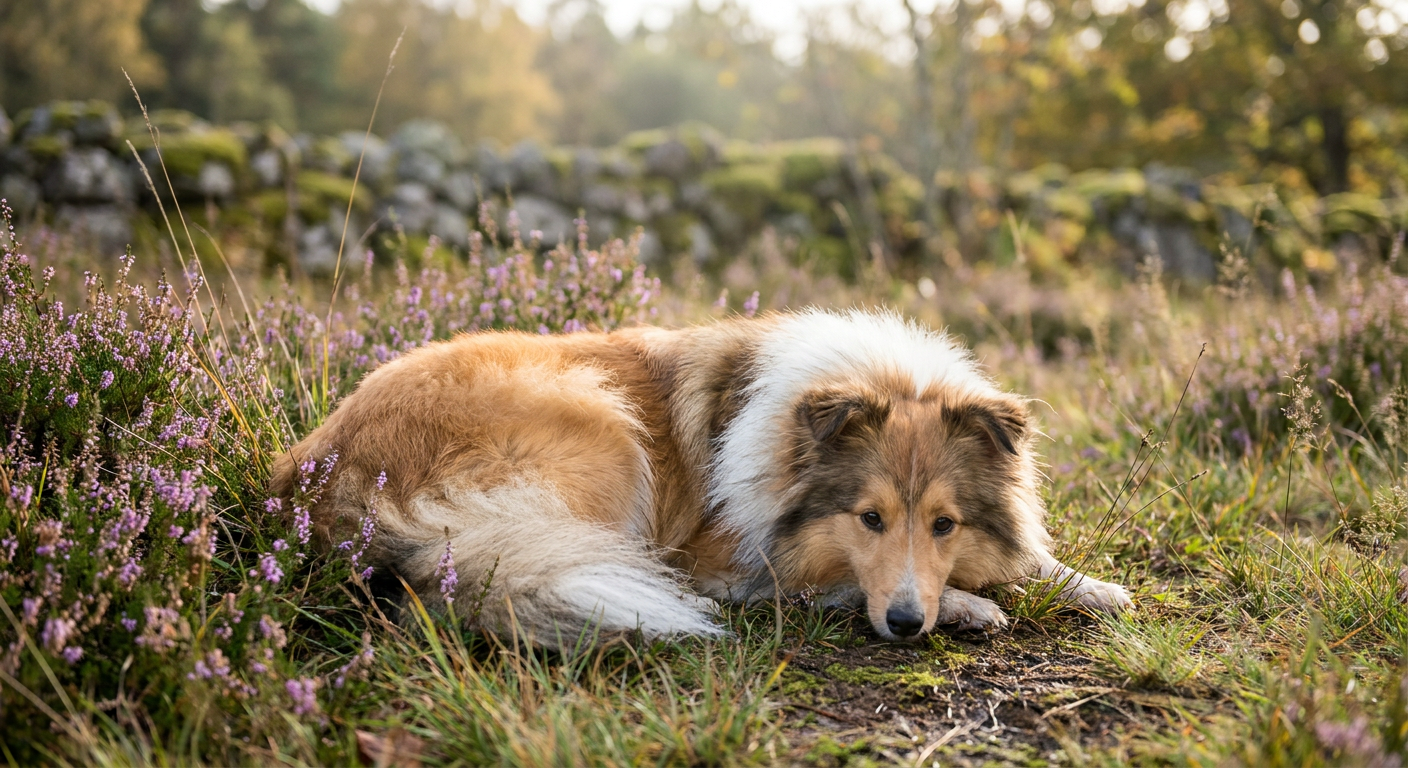
Shetland Sheepdog
The Shetland Sheepdog is a brilliant and sensitive herding breed, eager to please and closely bonded with its family. Affectionately known as the "Sheltie," this dog is energetic, trainable, and often vocal. Prospective owners should be prepared for significant grooming of their thick double coat and proactive health screening for common genetic issues. They thrive on activity and mental challenges.
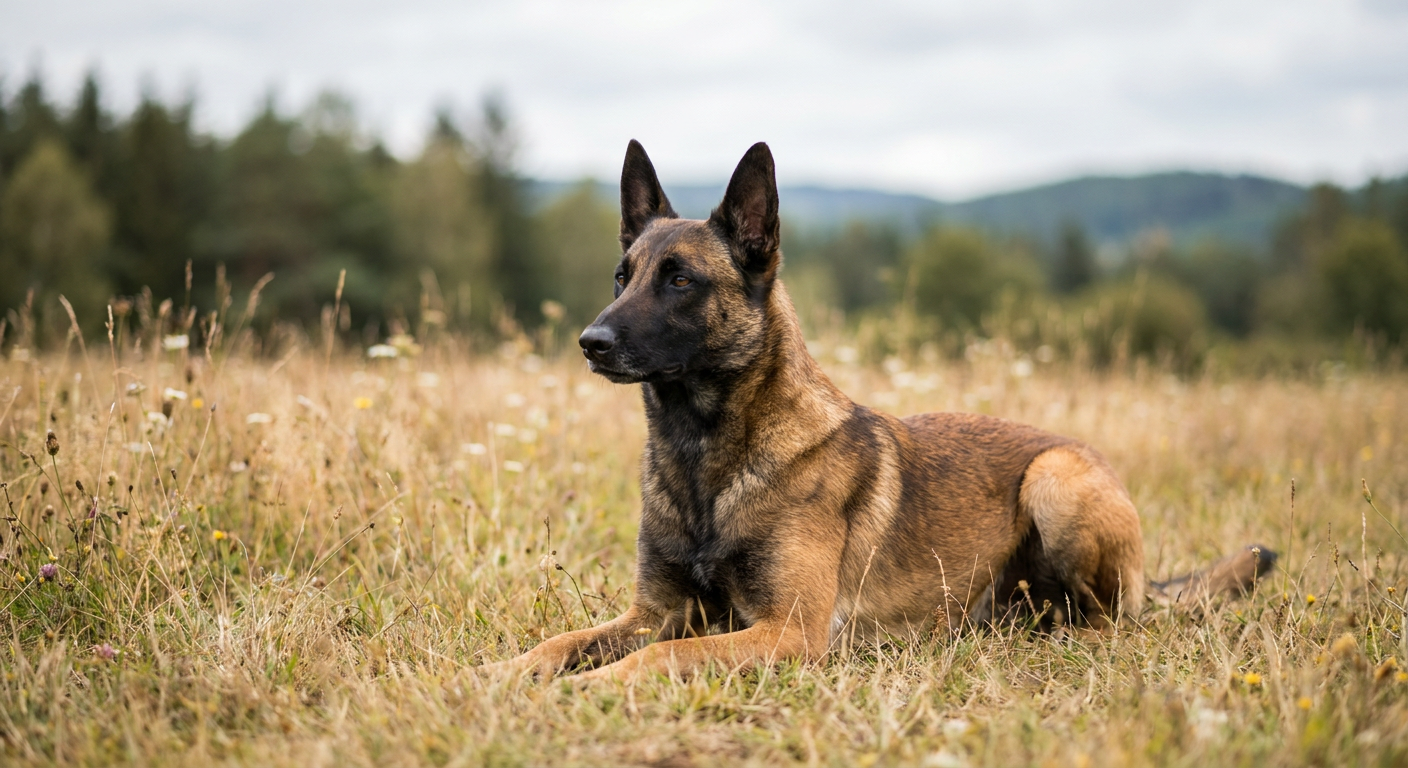
Belgian Malinois
The Belgian Malinois is a brilliant, high-energy herding dog for experienced handlers only. Not a typical family pet, this breed thrives on having a job, requiring intense daily exercise and mental stimulation. They are fiercely loyal and trainable but their sensitivity and drive can lead to behavioral issues without proper leadership, making them a poor choice for novice owners.
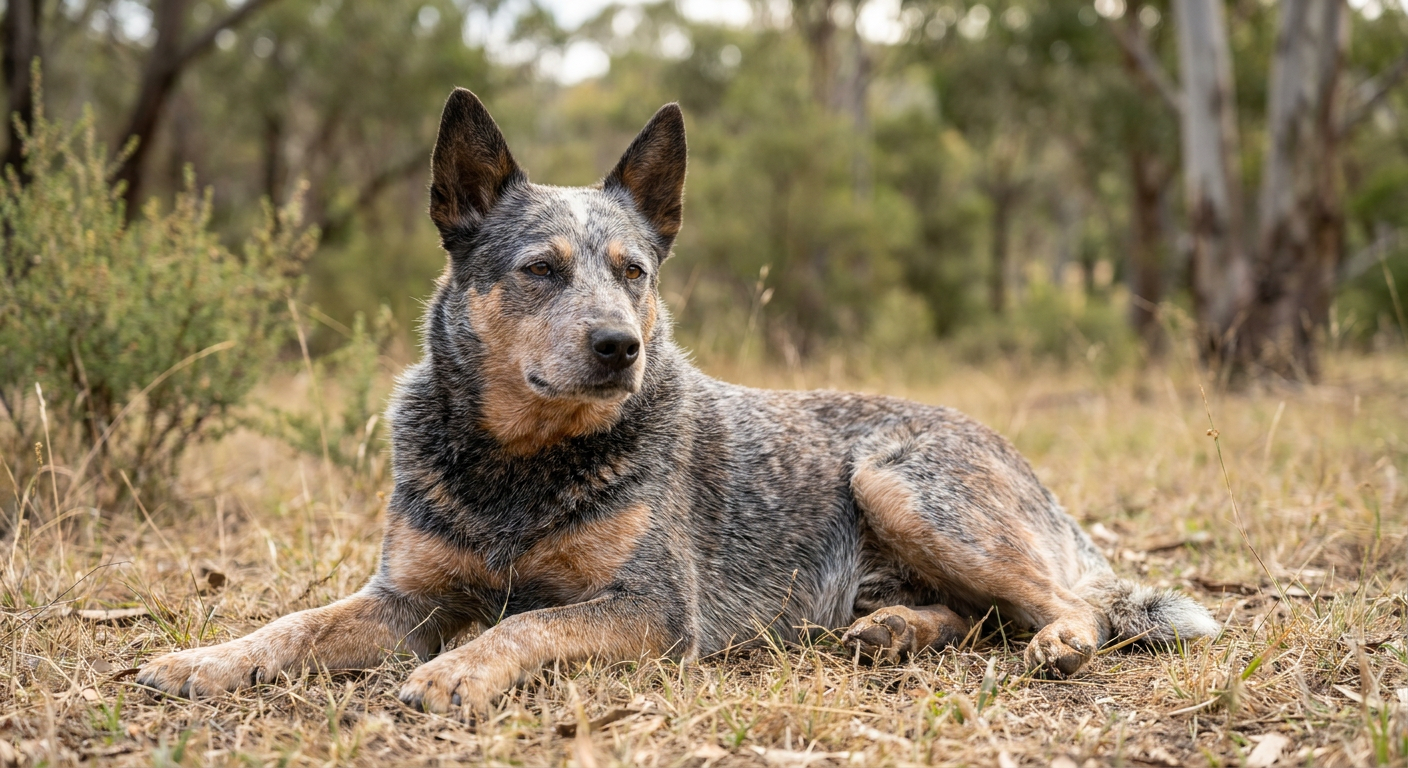
Australian Cattle Dog
The Australian Cattle Dog is a brilliant, high-energy herding dog, not a casual family pet. Fiercely loyal and tireless, they demand a 'job' like advanced training or sports to prevent boredom and destructive behaviors. Their intelligence is matched only by their intensity; they are best suited for experienced, active owners who can provide firm guidance and significant daily exercise.
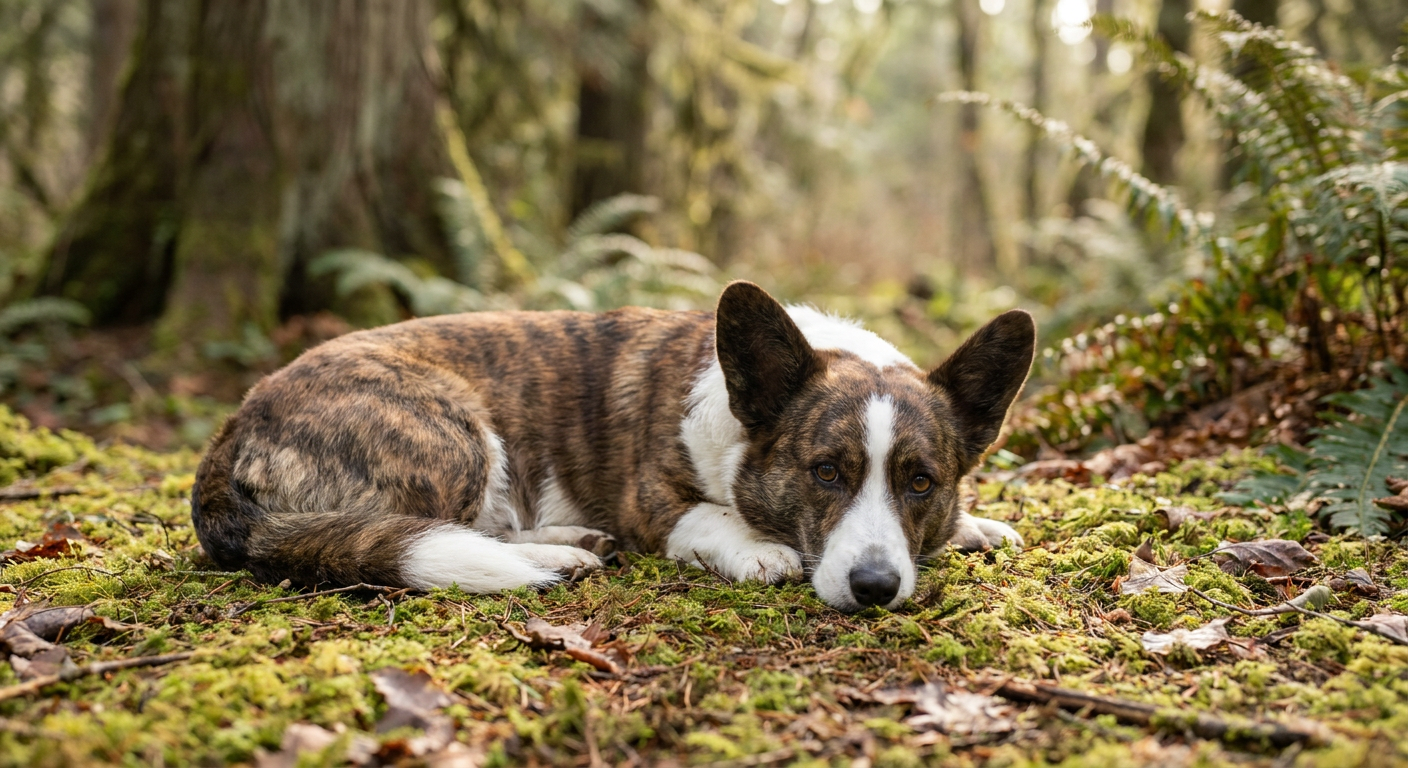
Cardigan Welsh Corgi
The older, longer, larger of the two corgi breeds — distinguished from the Pembroke by a full fox-like tail and rounder ears. Cardigans are sturdy, smart and adaptable working dogs that thrive in active homes. They herd, alert-bark, and bond deeply, but their long backs make jumping and stair-running risky.
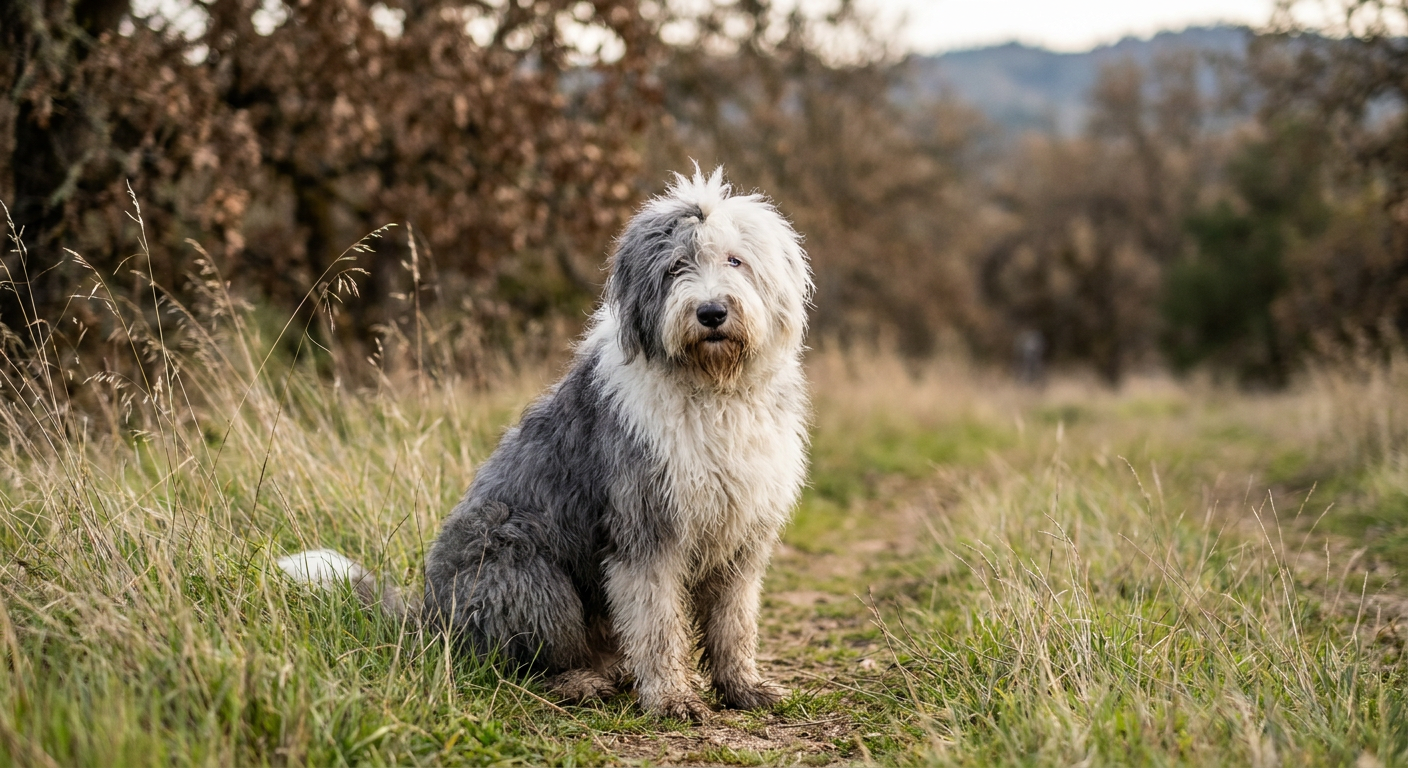
Old English Sheepdog
The shaggy 'bobtail' of British countryside fame — a large, gentle herding dog famous for that mop-like double coat. OES are affectionate, playful and patient with children, but the grooming commitment is enormous (3–4 hours per week minimum) and they need 60+ minutes of daily exercise to stay sound.
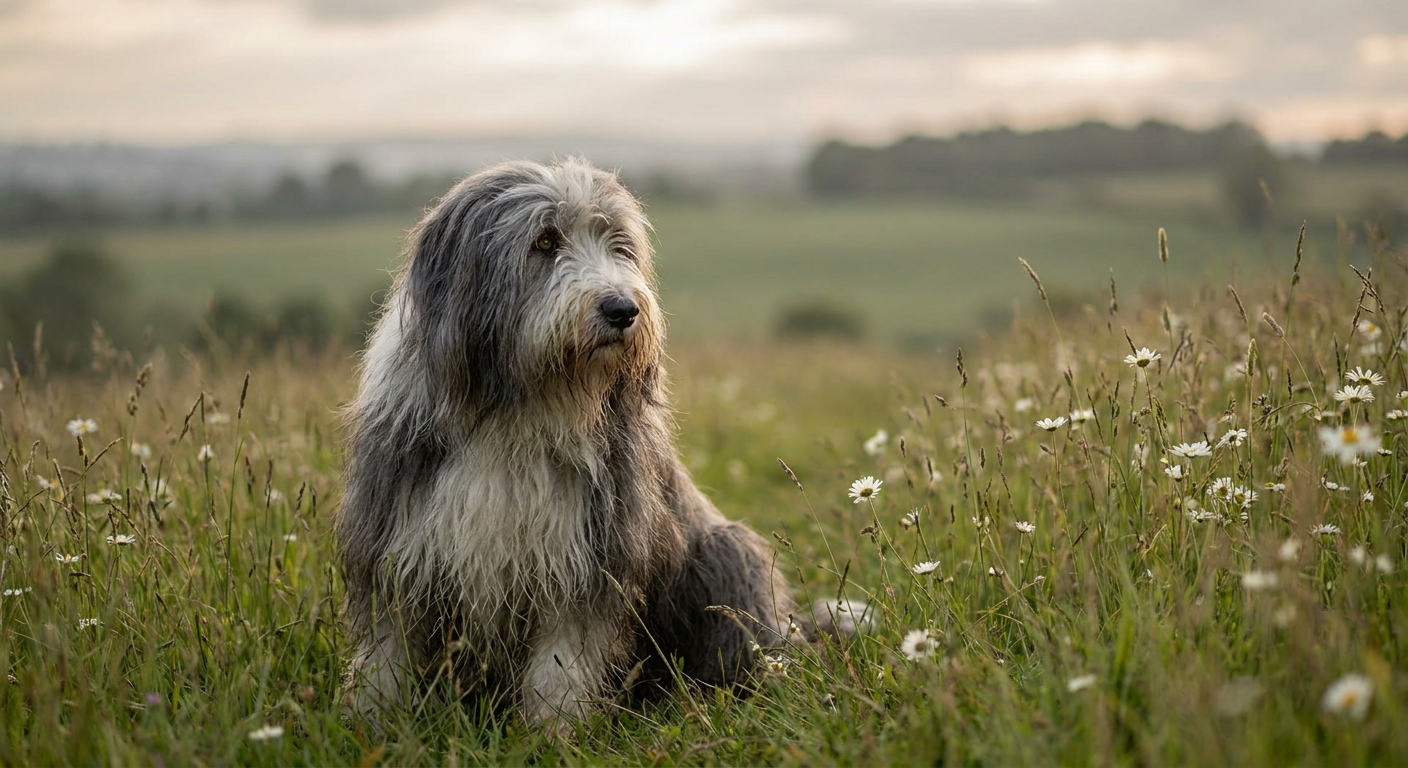
Bearded Collie
The 'bouncing Beardie' — a Scottish herding breed with shaggy charm and tireless enthusiasm. Beardies are exuberant, affectionate, and need 90+ minutes of daily exercise plus serious grooming. Best for active families who love a clownish, vocal companion.
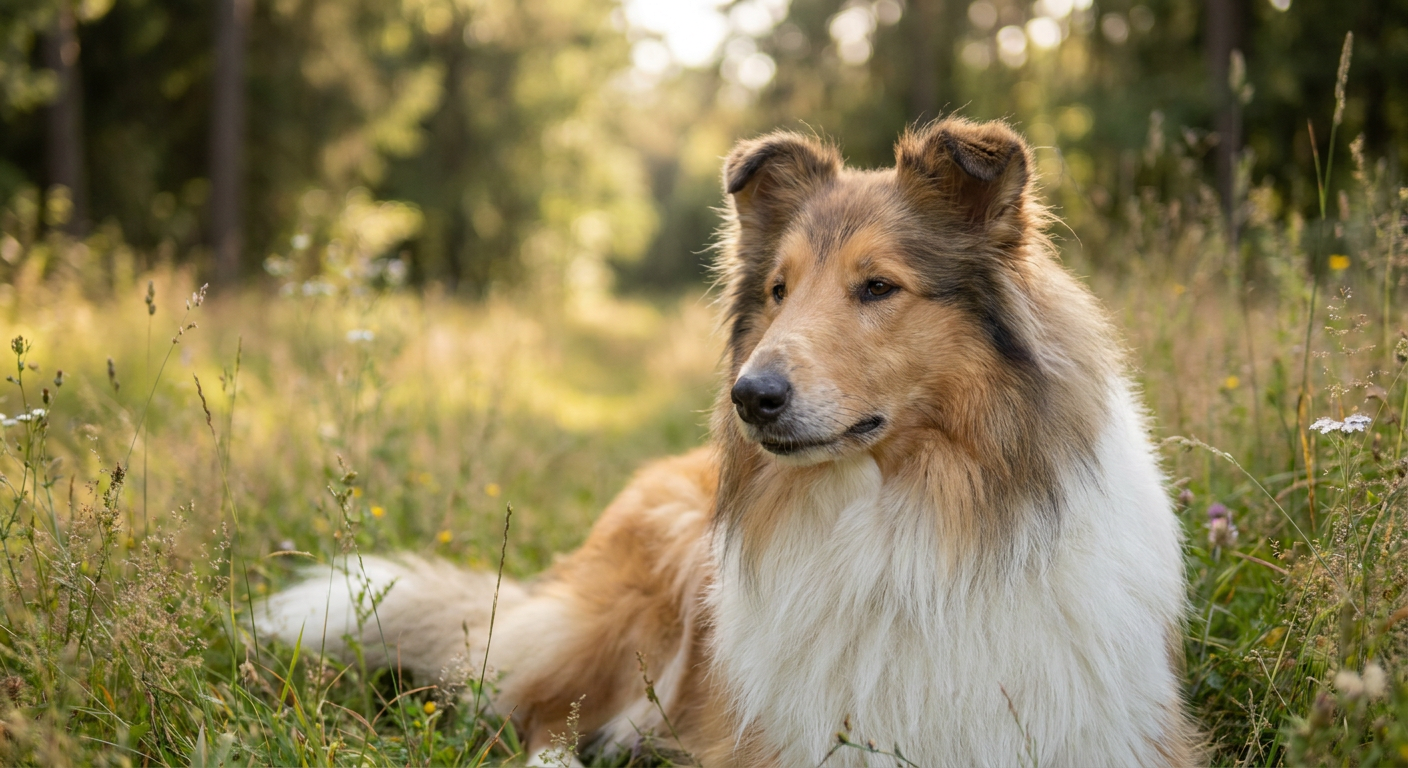
Collie (Rough)
'Lassie's' breed — the elegant, intelligent and devoted Rough Collie is one of the gentlest large herding breeds. Collies form profound bonds with family, are excellent with children, and need only moderate exercise (45–60 minutes). The downside: heavy seasonal shedding and a tendency to bark.
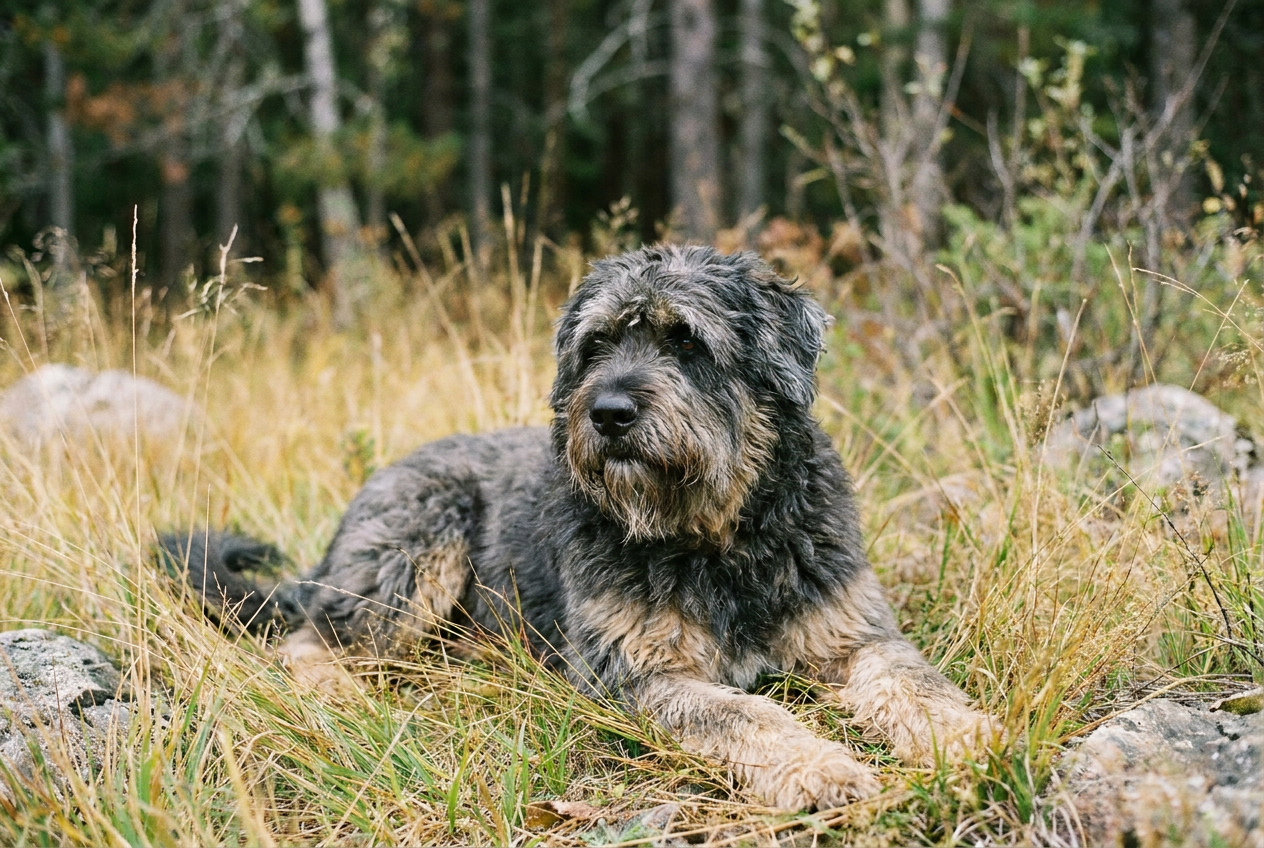
Bouvier des Flandres
A powerful Belgian farm dog turned WWII messenger and modern police K9 — the Bouvier is large, intelligent and strong-willed. They are loyal family guardians who need experienced handling, 60+ minutes of daily exercise, and weekly grooming of the dense beard and coat.
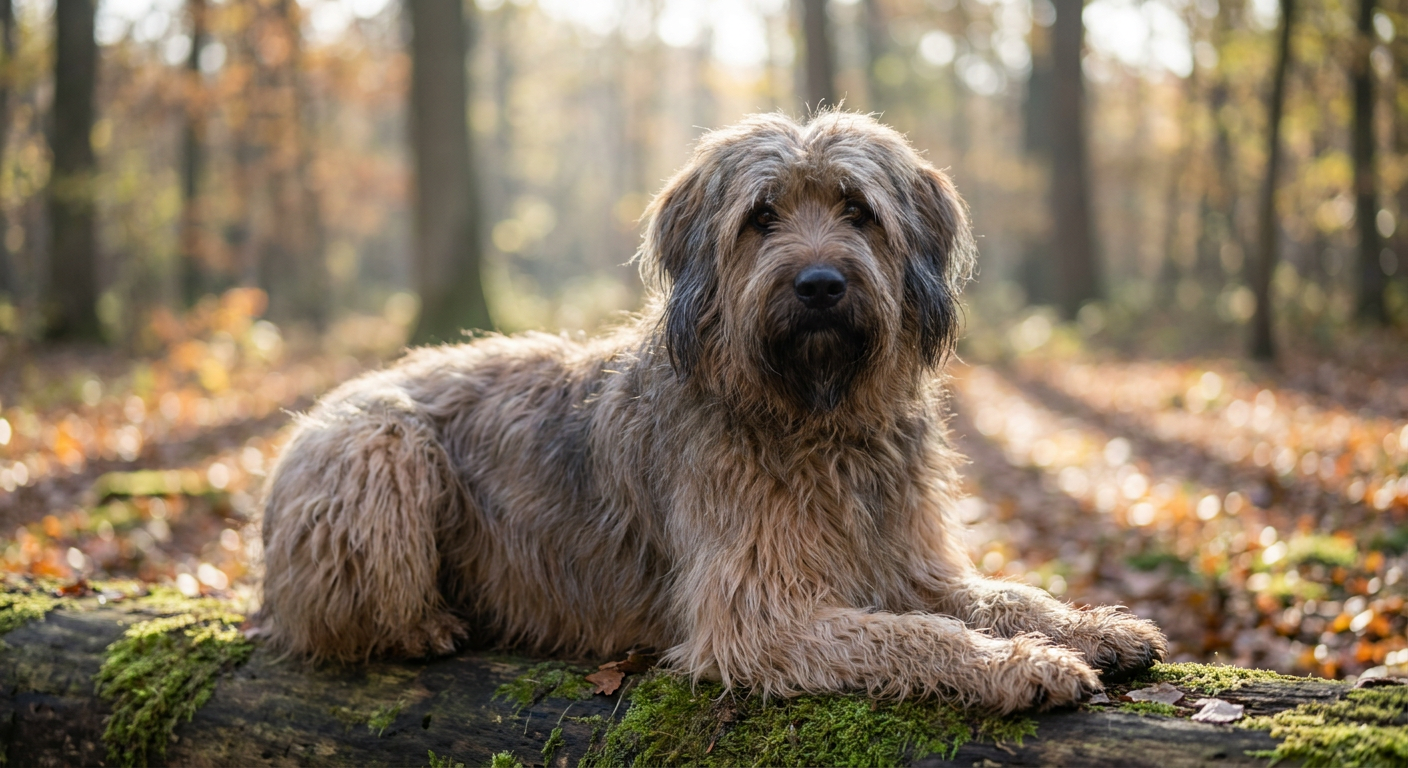
Briard
A powerful, ancient French herding breed, the Briard is distinguished by its long, weatherproof coat and impressive stamina. These dogs are fiercely loyal protectors that require firm leadership and significant daily exercise. While low-shedding, their grooming needs are extensive. They excel in active households that can provide mental stimulation and a clear job to do.
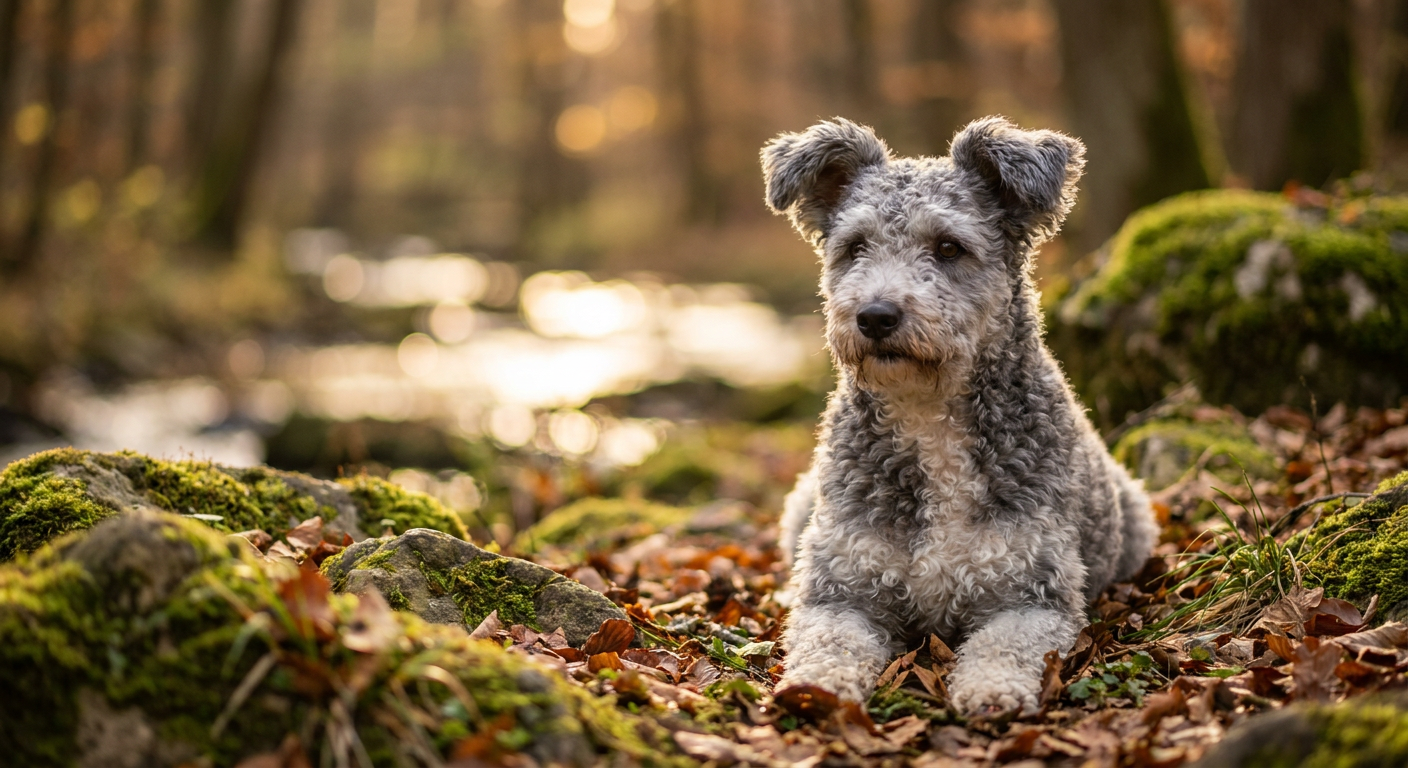
Pumi
A medium-sized, curly-haired Hungarian herding dog characterized by its whimsical appearance and intense work ethic. Known for its 'koala-like' ears and high intelligence, it is an agile, vocal, and tireless companion. The Pumi excels in canine sports and requires significant mental and physical stimulation to thrive in a domestic environment.
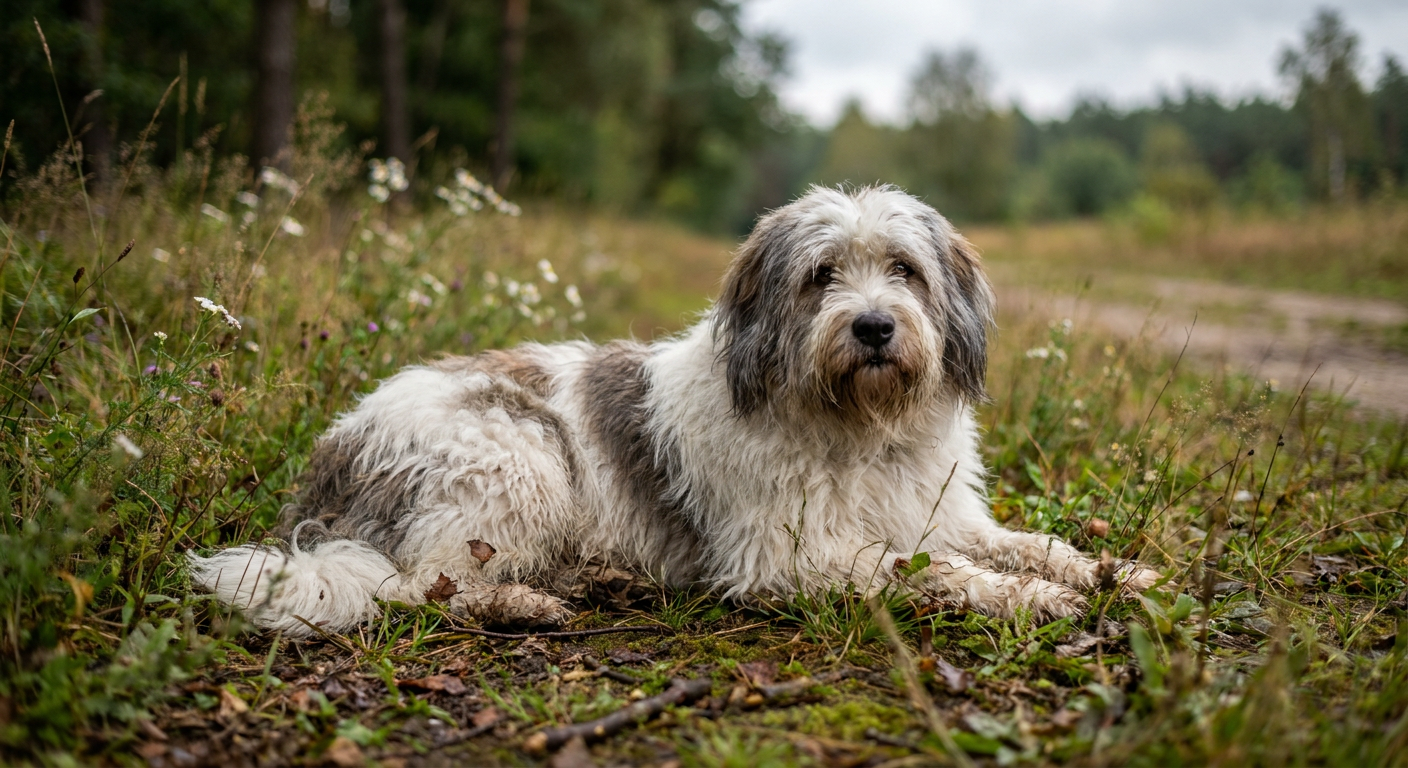
Polish Lowland Sheepdog
A medium-sized, shaggy herder known for its intelligence and stamina. This breed is loyal and protective but requires firm leadership and significant grooming. While adaptable to various living situations, they thrive when given a job to do and plenty of social interaction. They are characterized by a sturdy, well-muscled build beneath a dense double coat.
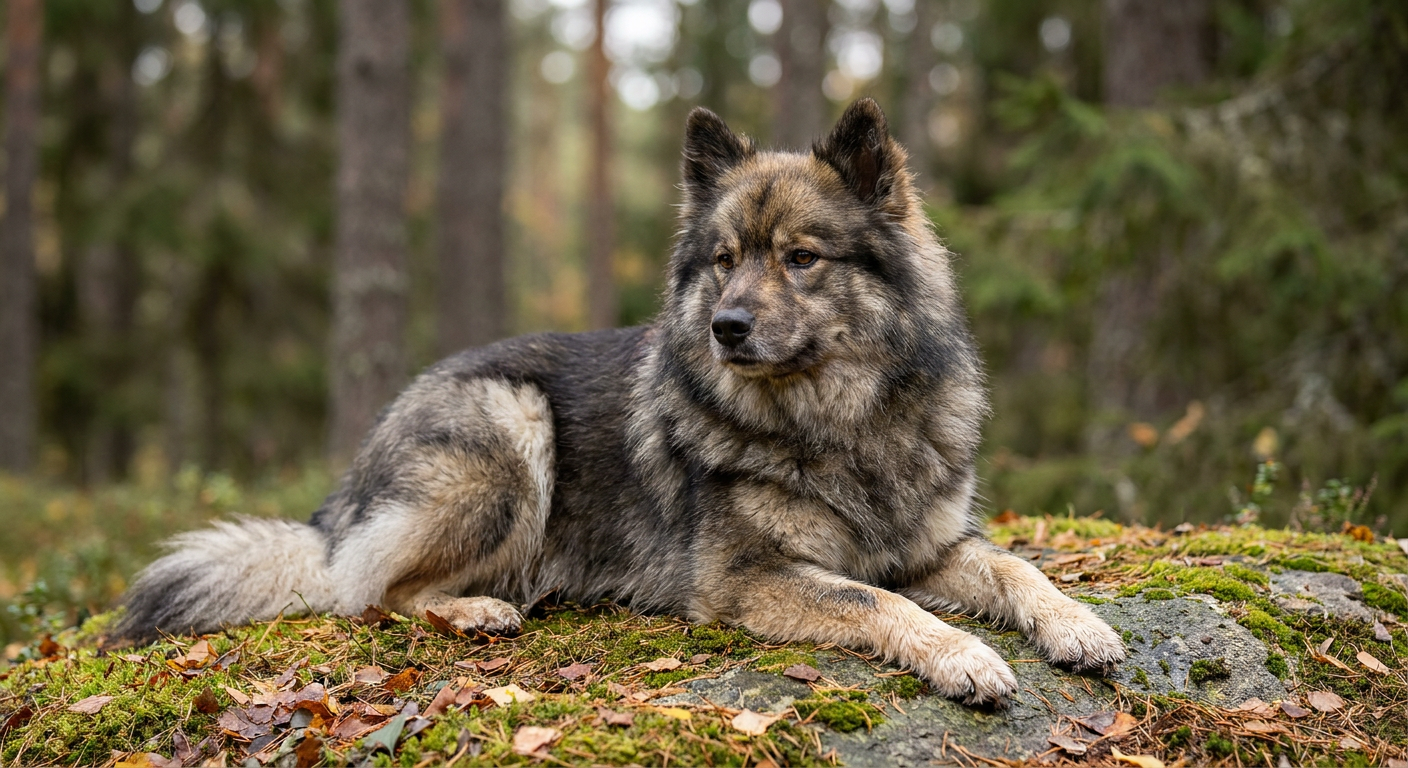
Finnish Lapphund
A hardy, medium-sized spitz-type herder, known for a thick double coat and a sweet, submissive disposition. Originally reindeer herders for the Sami people, they are versatile companions that excel in cold weather. They are highly intelligent and social but require consistent mental engagement and regular grooming to manage their heavy shedding.
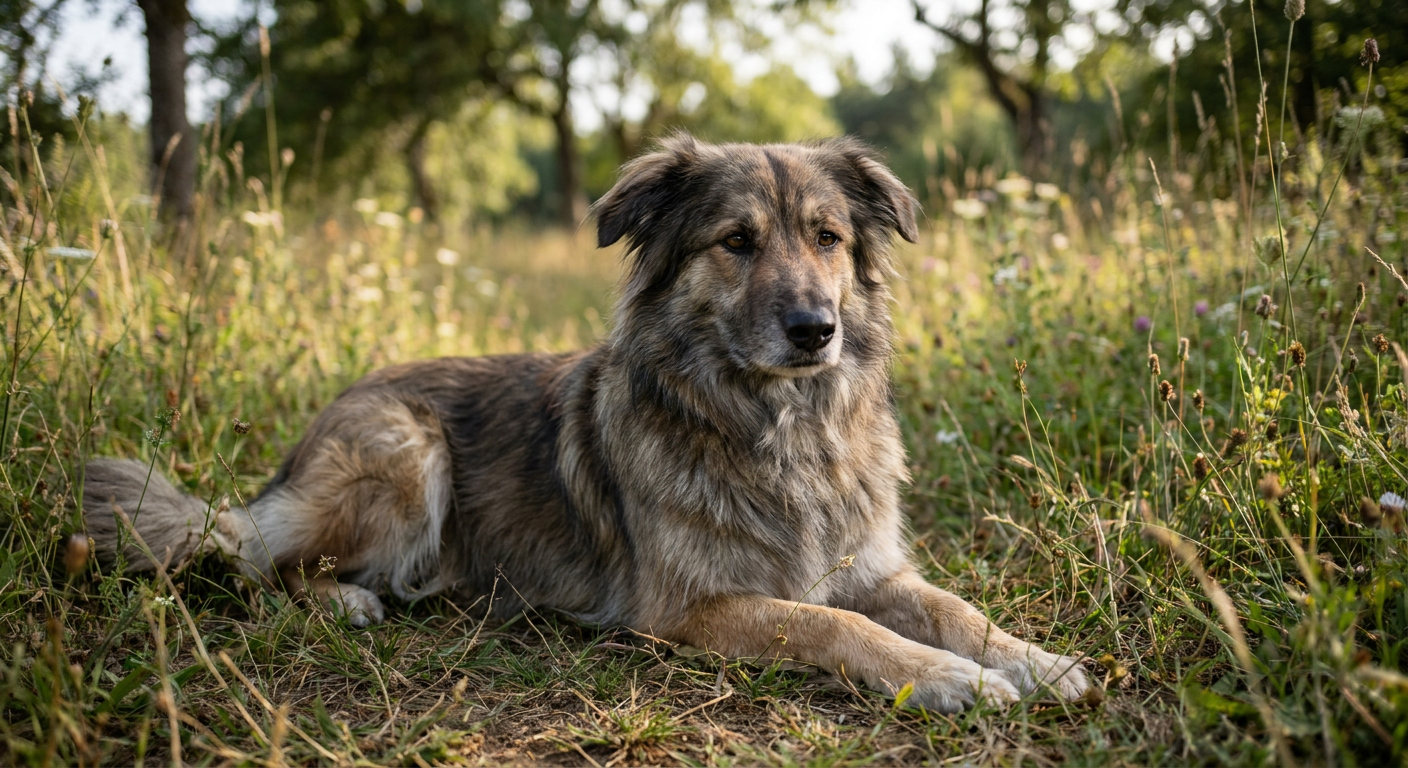
Pyrenean Shepherd
An ancient herding breed from the French mountains, the 'Pyr Shep' is a high-octane athlete in a small package. Known for incredible speed, extreme intelligence, and a lively, 'bossy' personality, they require an experienced owner committed to intense daily mental and physical stimulation. They are world-class competitors in agility and herding trials.
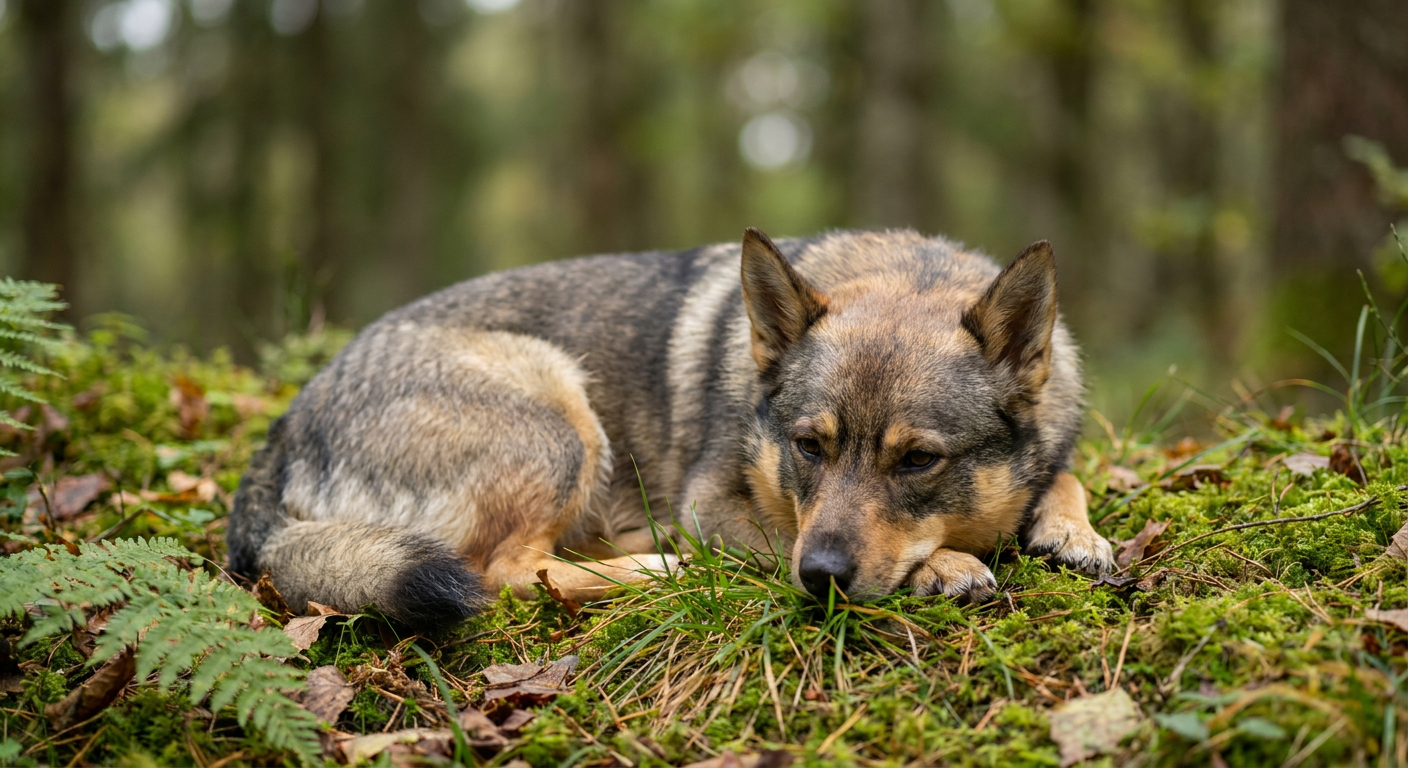
Swedish Vallhund
An ancient Viking cattle dog, this energetic 'big dog in a small body' is a hardy, intelligent herder. Distinctive for its weather-resistant sable coat and spitz-like features, it excels in agility and obedience. While affectionate with family, its high energy and vocal nature require dedicated training and plenty of daily mental and physical stimulation.
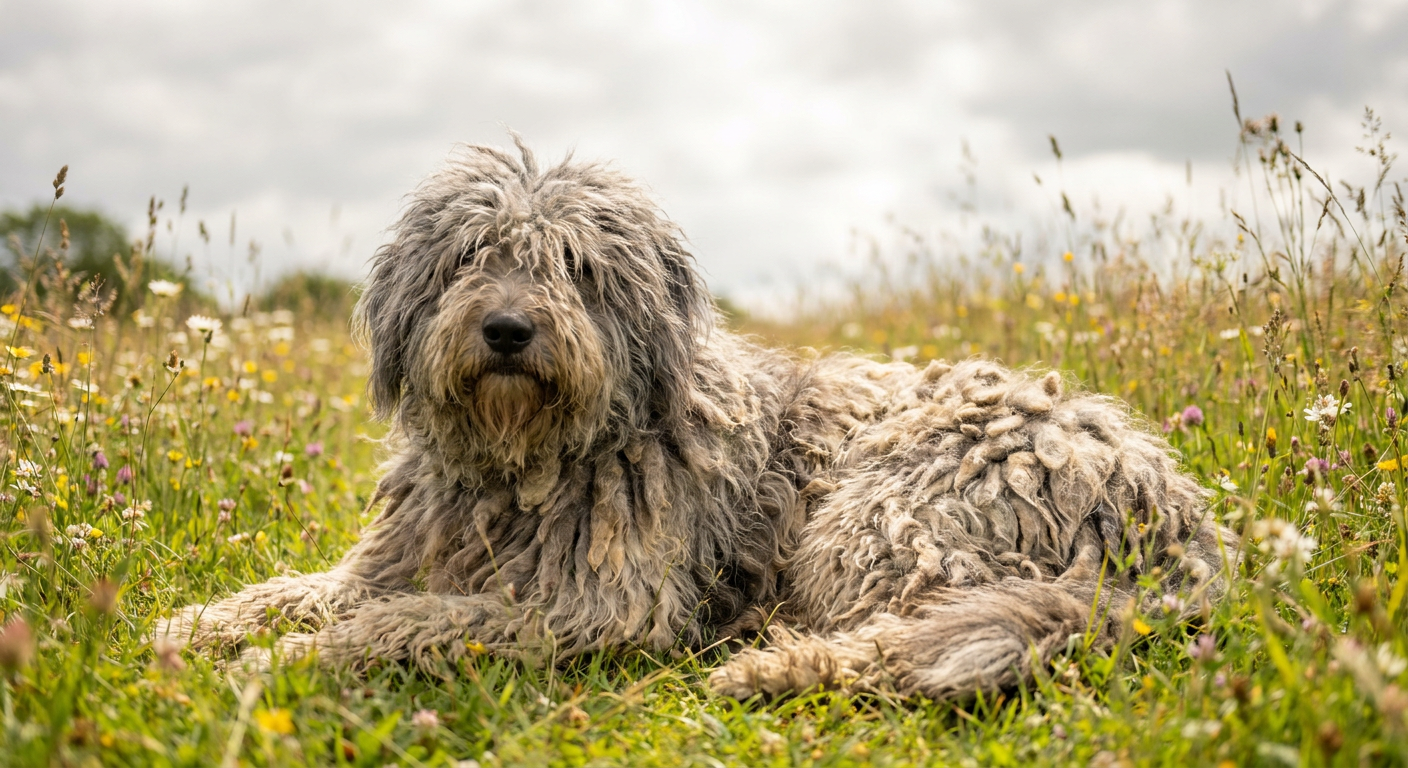
Bergamasco Sheepdog
A robust, ancient herding breed distinguished by its unique 'flocked' coat, consisting of three hair types that provide insulation and protection. While they appear rugged, they are remarkably serene and deeply bonded to their families. This is a low-shedding but high-engagement breed that requires a confident owner and ample space to patrol.
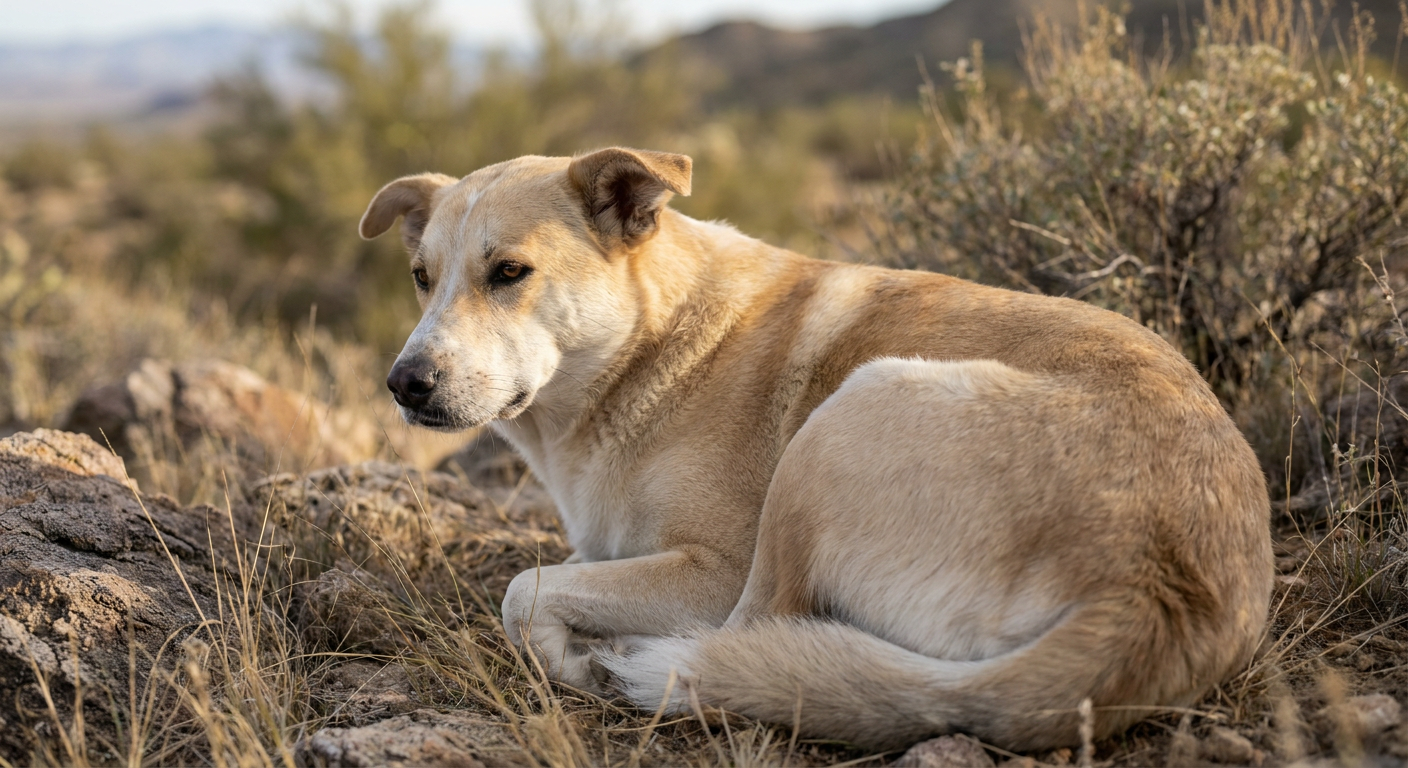
Canaan Dog
A primitive pariah breed from Israel, this medium-sized herder is known for its extreme alertness and survival instincts. Loyal but aloof, they serve as dedicated guardians of their homes. They are rugged, healthy, and highly agile, requiring an experienced owner who understands their independent nature and territorial needs.
Herding Group FAQs
What is the smartest herding breed?
Border Collies routinely top intelligence rankings — Stanley Coren's research placed them first among 138 breeds in obedience and working intelligence, ahead of Poodles and German Shepherds.
Do herding dogs really need that much exercise?
Yes. A working-line Border Collie or Aussie that gets only one walk a day will typically develop OCD-like behaviors, reactivity or destructive habits within months. Plan on 90 minutes minimum, plus daily training or sport.
Are herding breeds good apartment dogs?
Possible but demanding. They can do well in apartments only if owners commit to off-leash running, structured training and mental enrichment every single day. Pet-line dogs (vs. working lines) adapt more easily.