History & Origin
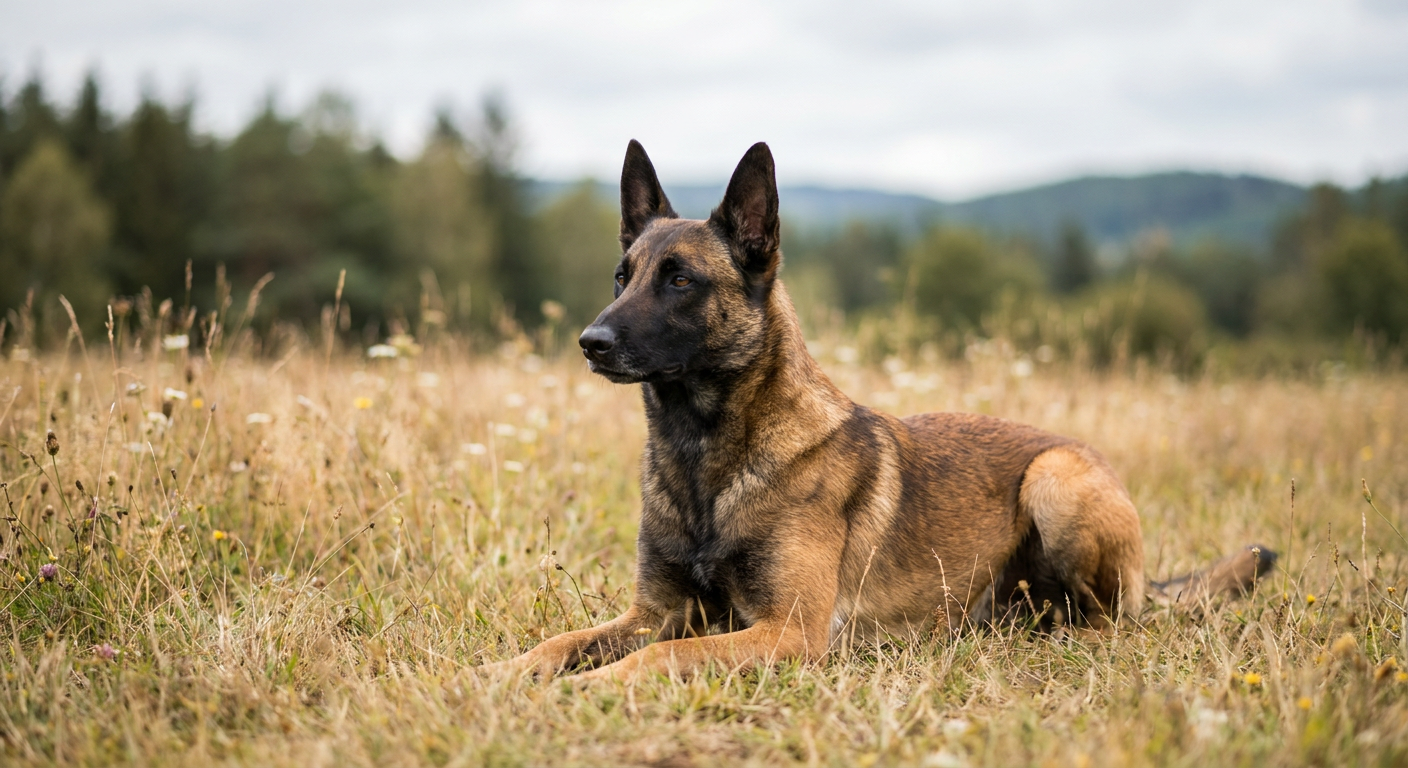
Originating in the Malines region of Belgium in the late 1800s, the Belgian Malinois was one of four distinct varieties of Belgian shepherd dogs bred for function over form. Valued for its intelligence, work ethic, and trainability, the Malinois quickly became a favored livestock herder. Its prowess extended beyond the pasture, and the breed was one of the first to be employed as a police dog. Its reputation as a superb military and law enforcement K9 continues to this day. The American Kennel Club (AKC) officially recognized the breed in 1959, where it is now a celebrated member of the Herding Group.
Temperament & Personality
The Belgian Malinois is characterized by an intense, confident, and intelligent temperament. They form a powerful, loyal bond with their primary handler and are often reserved or aloof with strangers, reflecting their protective nature. This is not a dog for the faint of heart; they possess a serious work ethic and an 'off switch' can be hard to find. A Malinois needs a purpose, whether in canine sports, service work, or advanced training. Without a job, their high drive can manifest as anxiety or destructive behaviors.
Health Watchouts
Top conditions reported by AKC parent clubs, OFA, and the Merck Veterinary Manual. Discuss screening with your vet — especially before breeding or insuring.
Hip Dysplasia
~4.5% (OFA)A common malformation of the hip socket that can lead to arthritis and lameness. It's a polygenic condition influenced by genetics and environment.
Screening: OFA or PennHIP radiographs after 2 years of age are recommended for breeding animals.
Elbow Dysplasia
~2.2% (OFA)A developmental abnormality of the elbow joint, another common cause of forelimb lameness in large, active breeds.
Screening: OFA elbow radiographs are the standard screening method for breeding stock.
Progressive Retinal Atrophy (PRA)
Uncommon, but carrier status is present in the breed.A group of genetic diseases that cause the retina to degenerate, leading to progressive vision loss and eventual blindness.
Screening: A DNA test can identify affected and carrier dogs. Annual eye exams by a board-certified veterinary ophthalmologist (ACVO) are also recommended.
Gastric Dilatation-Volvulus (GDV or "Bloat")
Common risk for deep-chested breeds.A life-threatening condition where the stomach fills with gas and twists on itself. This is an immediate surgical emergency.
Screening: Prophylactic gastropexy surgery can be performed to tack the stomach to the body wall, preventing torsion.
Epilepsy
Uncommon to rare.A seizure disorder that is considered to have a hereditary component in the breed. Management often requires lifelong medication.
Screening: No screening test exists. Reputable breeders will not breed dogs with a history of seizures.
Exercise Needs
Meeting the exercise needs of a Malinois is a significant commitment. These are elite canine athletes who require a minimum of 90-120 minutes of vigorous, structured activity per day. A simple walk is not enough. The ideal routine combines intense physical conditioning with mentally challenging tasks to prevent boredom and destructive behaviors.
- Running/Biking (on safe surfaces)
- Agility
- Dock Diving
- Schutzhund/IPO (protection sports)
- Advanced Obedience
- Scent Work and Tracking
Nutrition
Daily calories: 1100-2000 kcal/day
Active adult Belgian Malinois require a calorie-dense, high-quality diet formulated for large, active breeds. To mitigate the risk of bloat (GDV), feed two to three smaller meals per day rather than one large one, and avoid vigorous exercise for an hour before and after eating.
Common allergens to watch: Chicken, Beef, Corn, Wheat.
⚠ Obesity is a serious health risk, severely stressing the joints and increasing the odds of dysplasia-related arthritis. You must maintain a lean body condition score (BCS of 4/9). An ideal weight Malinois will have a visible waist and ribs that are easily felt but not seen.
Entertainment & Enrichment
For a Belgian Malinois, mental exercise is just as important as physical. This breed was developed to think and problem-solve. A lack of mental enrichment is a primary cause of anxiety, neurotic behavior, and household destruction. Daily structured training and puzzle-based activities are non-negotiable.
- Puzzle feeders and food-dispensing toys
- Nose work games like "find it" with hidden treats
- Learning and practicing complex tricks and commands daily
- Advanced obedience or sport-specific training sessions
- Interactive play with the handler
Grooming & Coat Care
The Malinois has a short, weather-resistant coat that is relatively low-maintenance. Weekly brushing with a rubber curry brush or hound glove will remove dead hair. Shedding increases seasonally in the spring and fall, requiring more frequent brushing. As with all breeds, regular nail trims, ear cleaning, and dental care are essential for overall health.
Training
Training a Belgian Malinois is both a joy and a serious responsibility. They are exceptionally intelligent and eager to work, but also sensitive. They require a confident, consistent handler who uses primarily positive reinforcement techniques. Early, intensive socialization is crucial to prevent reactivity and over-protectiveness. This is not a breed for a passive or inexperienced trainer; they will exploit indecisiveness.
Cost of Ownership
Lifetime cost depends on size, lifespan, and health risks. Try our Lifetime Cost Calculator →
Cost band for Belgian Malinois: medium.
How insurance, vet care & grooming connect for the Belgian Malinois
These three costs move together. The Belgian Malinois’s coat, energy, and breed-specific health watchouts shape each one — here’s how they line up.
Insurance band
Common hereditary conditions raise claim odds
Vet service load
High activity raises orthopedic & injury visits
Grooming demand
Double coat sheds seasonally — frequent brushing
Estimated monthly spend (typical adult)
Insurance
$75
Routine vet
$50
Grooming
$60
Combined estimate
~$185/mo(±20%, US averages)
* Estimates derived from breed traits (coat, energy, health watchouts, lifespan). Actual costs vary by location, age, and provider.
Living Situation Fit
The ideal home for a Belgian Malinois is with a highly active individual or family experienced with high-drive working breeds. A large, securely fenced yard is essential. They are not suited for apartment living or sedentary households. Their intensity and need for a "job" mean they thrive with handlers who are involved in canine sports, service work, or who can provide a similar level of daily engagement and structure.
Choosing a Puppy
Prospective owners must seek out responsible breeders who are transparent about health and temperament. A reputable breeder will provide documentation of health clearances for both parents, including OFA or PennHIP results for hips and elbows, and a recent eye exam from a veterinary ophthalmologist. They should also perform temperament evaluations on puppies to ensure a suitable match for your lifestyle and experience level.
Frequently Asked Questions
Are Belgian Malinois good family dogs?
They can be loyal and protective of family members, but they are not a typical 'family pet.' Their high energy and herding instincts can be problematic with small children. They require an experienced owner who can provide extensive socialization, training, and management. They do best when they have a primary handler and a clear job.
Do Belgian Malinois bite a lot?
Malinois have a high prey drive and a natural aptitude for protection work, which includes a firm, full bite. This is why they are favored by police and military forces. While not inherently aggressive, their bite potential must be respected and managed through rigorous, lifelong training and socialization.
Can a Belgian Malinois live in an apartment?
It is strongly discouraged. This breed's immense energy and exercise needs are nearly impossible to meet in an apartment setting. A lack of space and opportunity for off-leash running in a secure area often leads to severe behavioral problems, including destruction and separation anxiety.
What's the difference between a Belgian Malinois and a German Shepherd?
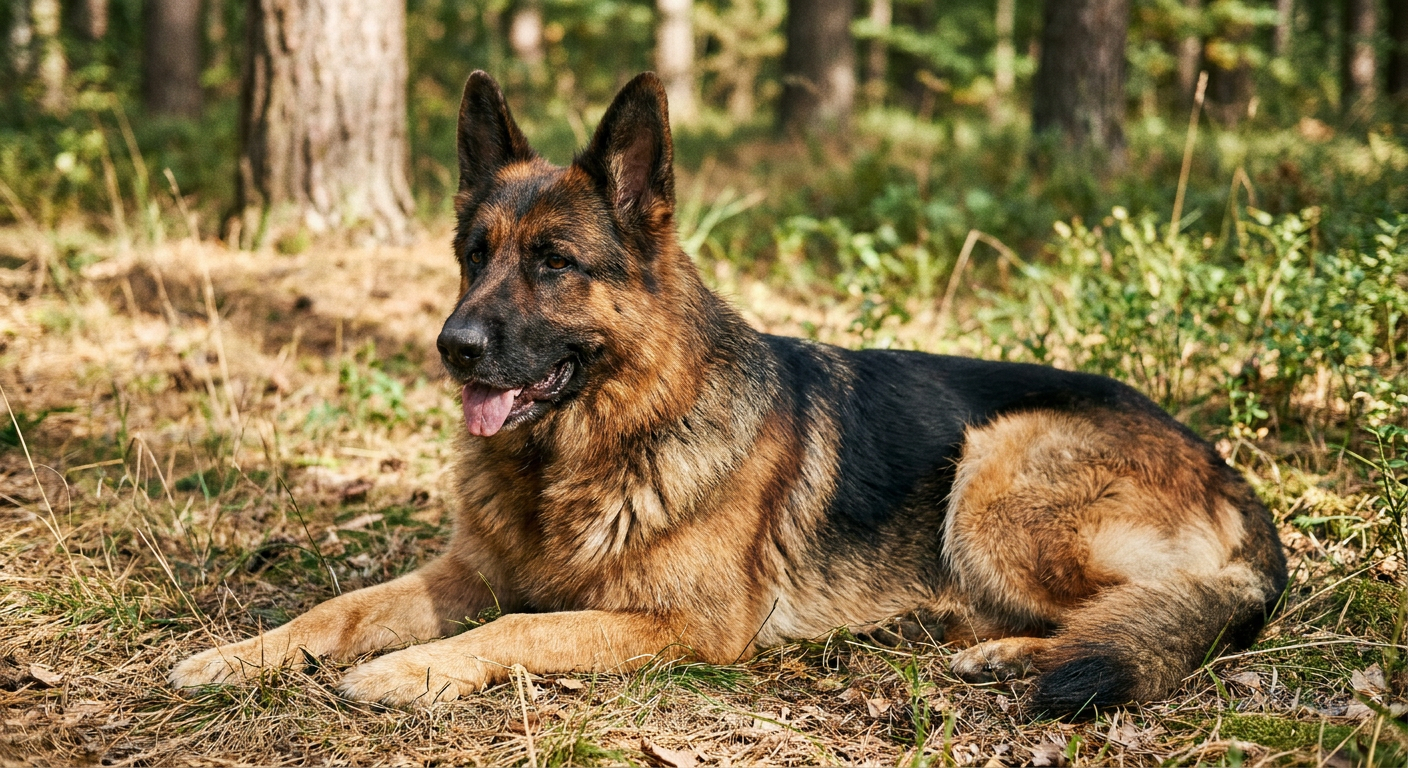
While both are intelligent herding breeds used for police work, the Malinois is generally lighter, faster, and more intense, with a higher drive. German Shepherds tend to be more adaptable to a family pet role, whereas the Malinois remains, at its core, a working dog that demands a job.