History & Origin
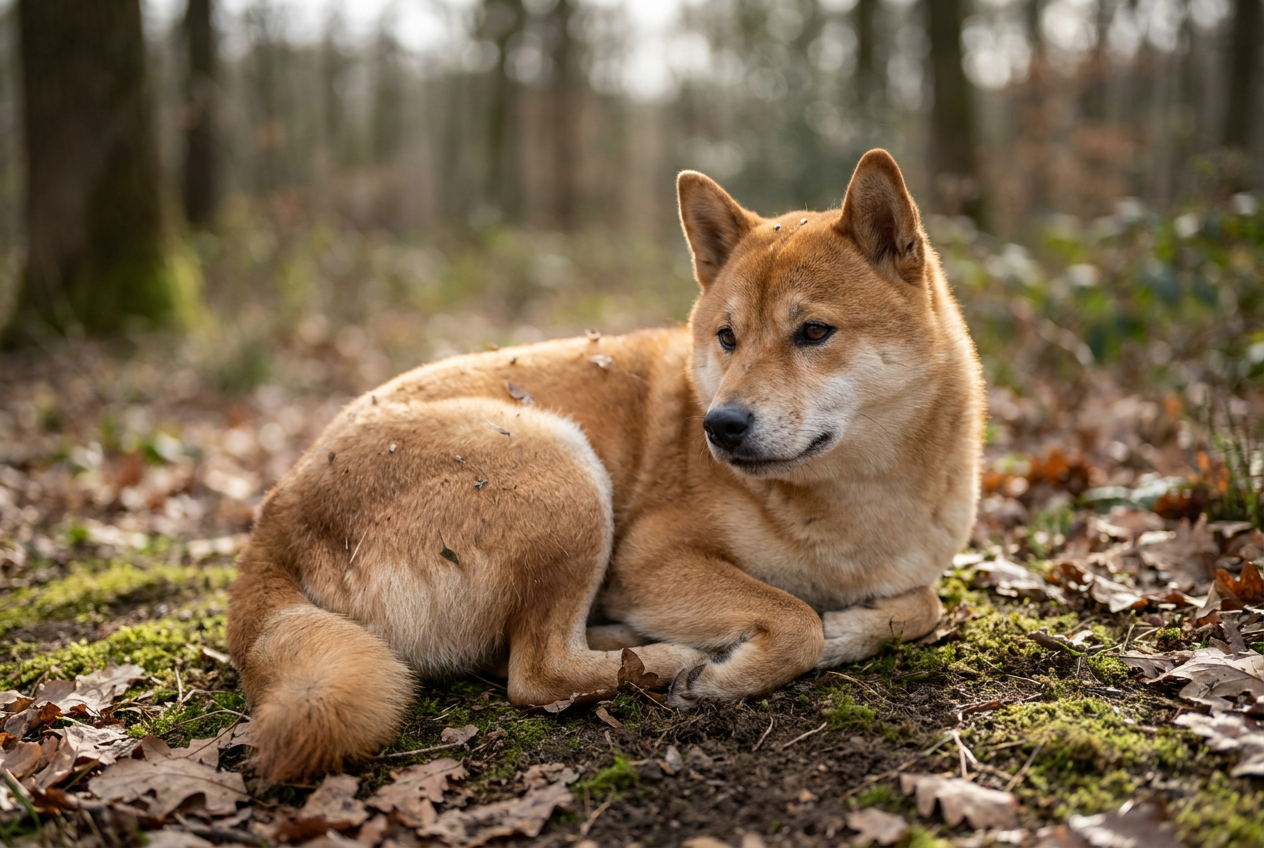
The Shiba Inu is an ancient Japanese breed, with archeological findings placing its ancestors in Japan as far back as 300 B.C. Originally used as a hunting dog for flushing small game and birds in mountainous terrain, their name is believed to mean “brushwood” in Japanese, referring to either the terrain or their reddish coat. The breed was nearly wiped out following World War II due to food shortages and a distemper epidemic. A concerted effort by Japanese breeders saved the Shiba from extinction by combining the three remaining bloodlines. American service members brought the first Shibas to the U.S. in the 1950s, but the breed was not officially recognized by the AKC until 1992, where it is part of the Non-Sporting Group.
Temperament & Personality
Shibas are known for their confident, bold, and fiercely independent spirit. While loyal and affectionate with their families, they can be aloof with strangers and possessive of their belongings. They are highly intelligent but not eager to please, which can make training a challenge requiring patience and consistency. Famous for their fastidious, cat-like grooming habits, they are also known for the “Shiba scream”—a high-pitched vocalization used when displeased or overly excited. Early and thorough socialization is critical to ensure they become well-adjusted adults.
Health Watchouts
Top conditions reported by AKC parent clubs, OFA, and the Merck Veterinary Manual. Discuss screening with your vet — especially before breeding or insuring.
Allergies (Atopy)
CommonShibas are prone to environmental and food allergies, leading to itchy skin, ear infections, and hot spots. Management is often lifelong.
Screening: Diagnosis through clinical signs, elimination diets, or veterinary dermatology consultation.
Glaucoma
OFA reports 4.5% abnormal exam rate (2022).A serious and painful eye condition where pressure inside the eye increases, potentially leading to blindness if not treated promptly.
Screening: Regular eye exams (tonometry) by a veterinarian or veterinary ophthalmologist are crucial.
Patellar Luxation
OFA reports 2.4% prevalence (2022).A condition where the kneecap dislocates from its normal position. It can range from mild, causing an occasional skip in the dog's step, to severe, requiring surgical correction.
Screening: Veterinary physical examination. OFA certification for breeding dogs is recommended.
Hip Dysplasia
OFA reports 6.2% dysplastic (2022).An abnormal formation of the hip socket that can cause arthritis and lameness. While more common in large breeds, it is still a concern in Shibas.
Screening: OFA or PennHIP radiographic screening for breeding animals.
GM1 Gangliosidosis (Storage Disease)
RareA fatal, inherited neurodegenerative disease. A DNA test allows breeders to screen for the recessive gene and avoid producing affected puppies.
Screening: Mandatory DNA test for all responsible breeding programs.
Exercise Needs
Shibas have moderate energy levels that must be met to prevent boredom and destructive behaviors. Aim for 30-60 minutes of activity per day, combining leashed walks with opportunities for more vigorous, "free" running in a securely enclosed area. Due to their high prey drive and independent nature, they should never be trusted off-leash in an unfenced space.
- Brisk walking or jogging
- Playing fetch in a fenced yard
- Canine sports like agility or lure coursing
- Puzzle toys that engage their mind
Nutrition
Daily calories: 400-600 kcal/day
Feed a high-quality, AAFCO-approved commercial diet appropriate for their life stage. Food should be measured and given in two distinct meals to monitor intake and prevent obesity. Fresh water should always be available.
Common allergens to watch: Beef, Dairy, Chicken.
⚠ Shibas are prone to obesity, which significantly worsens a number of health conditions like patellar luxation and arthritis. Owners must maintain their dog at a lean body condition score (4-5/9). You should be able to easily feel their ribs but not see them.
Entertainment & Enrichment
A bored Shiba is a mischievous Shiba. Their high intelligence demands daily mental stimulation to prevent destructive behaviors, escape artistry, and excessive vocalization. Enrichment should be a core part of their daily routine.
- Food puzzle toys and snuffle mats
- Scent work games
- Short, fun training sessions to learn new tricks
- Regularly rotating toys to maintain novelty
Grooming & Coat Care
Shibas have a thick double coat that requires weekly brushing to remove dead hair. Twice a year, they "blow coat," a period of heavy shedding that may require daily brushing to manage the massive amount of fur. They are naturally clean and require infrequent bathing. Regular nail trims and dental care are essential.
Training
Training a Shiba Inu requires immense patience, consistency, and a good sense of humor. They are intelligent and learn quickly but are independent thinkers who are not intrinsically motivated to please. Use positive reinforcement techniques with high-value rewards. Harsh corrections are counterproductive. Early and ongoing socialization is non-negotiable to mitigate aloofness and potential resource guarding.
Cost of Ownership
Lifetime cost depends on size, lifespan, and health risks. Try our Lifetime Cost Calculator →
Cost band for Shiba Inu: medium.
How insurance, vet care & grooming connect for the Shiba Inu
These three costs move together. The Shiba Inu’s coat, energy, and breed-specific health watchouts shape each one — here’s how they line up.
Insurance band
Common hereditary conditions raise claim odds
Vet service load
High activity raises orthopedic & injury visits
Grooming demand
Double coat sheds seasonally — frequent brushing
Estimated monthly spend (typical adult)
Insurance
$75
Routine vet
$60
Grooming
$75
Combined estimate
~$210/mo(±20%, US averages)
* Estimates derived from breed traits (coat, energy, health watchouts, lifespan). Actual costs vary by location, age, and provider.
Living Situation Fit
Shibas can adapt well to apartment living provided their exercise and enrichment needs are met. However, their defining characteristics are a very high prey drive and an escape-artist tendency. A Shiba Inu must *always* be on a leash or in a securely fenced area with no exceptions. They are not reliable off-leash. They can be possessive of food and toys, so management is key, especially in homes with children.
Choosing a Puppy
It is critical to choose a breeder who performs and provides proof of health screenings, including OFA/PennHIP for hips, OFA for patellas, and regular eye exams (CAER). The most responsible breeders will also provide results for GM1 Gangliosidosis DNA tests. A reputable breeder will also prioritize temperament, socializing puppies from an early age. Be prepared for a thorough screening process, as good breeders want their pups in the best possible homes.
Frequently Asked Questions
Are Shiba Inus good for first-time dog owners?
No, generally not. Their intelligence is matched by their stubborn and independent nature. They require a patient owner who understands dog behavior and is committed to consistent training and socialization from day one. Their 'what's in it for me' attitude can be frustrating for a novice owner.
Do Shiba Inus really 'scream'?
Yes. The 'Shiba scream' is a loud, high-pitched, and very dramatic vocalization they use to express displeasure. This can be triggered by anything from a bath to a nail trim they don't want, or even pure excitement.
How much do Shiba Inus shed?
Shibas are significant shedders, especially during their twice-yearly 'coat blow.' During these periods, which can last for several weeks, they will lose their undercoat in large clumps. Expect to have fur everywhere, and daily brushing will be necessary to manage it.
Are Shibas good with cats or other pets?
It depends on the individual dog and their socialization history. Shibas have a very high prey drive, which can make them a danger to cats and other small animals. While some Shibas raised with cats from puppyhood can coexist peacefully, they should never be left unsupervised.