History & Origin
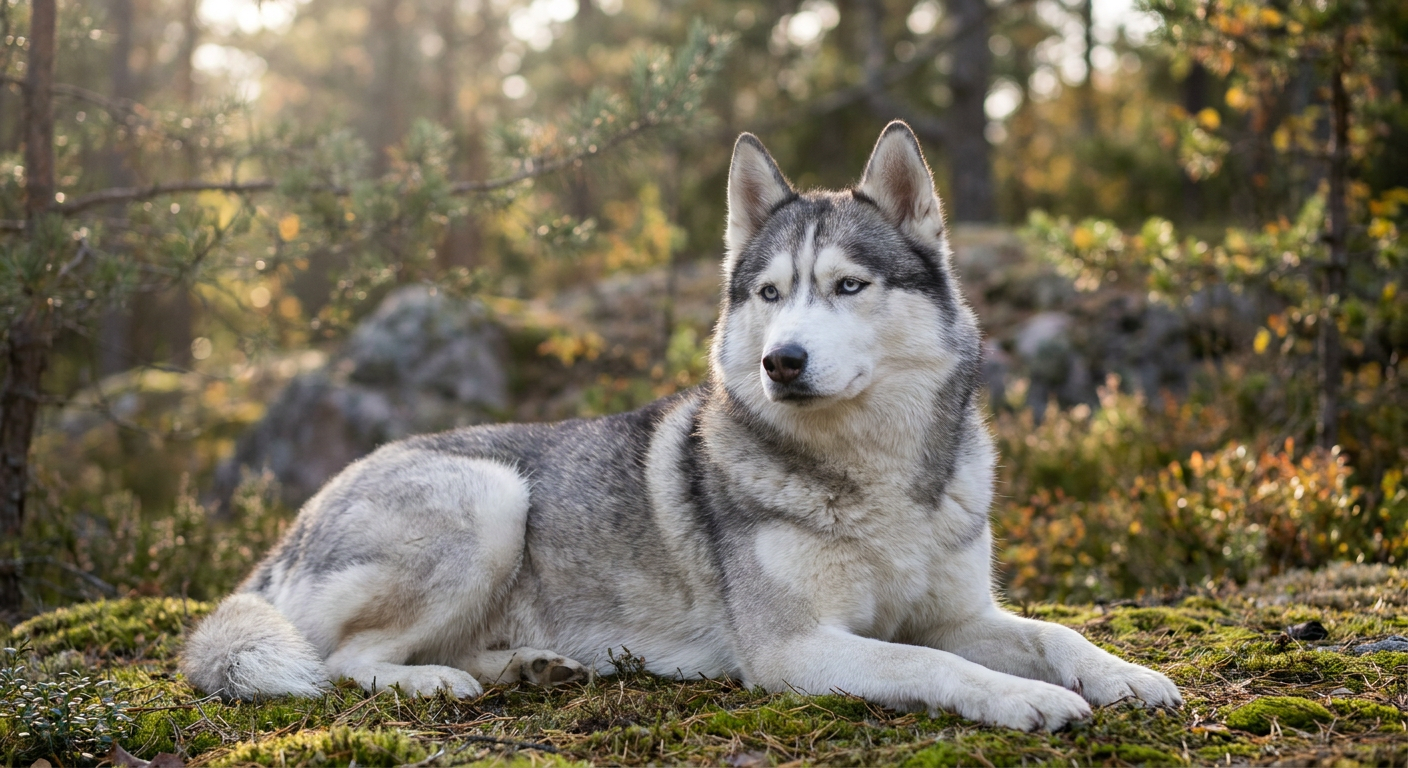
Developed by the Chukchi people of Northeast Asia as an endurance sled dog, the Siberian Husky could travel long distances on minimal food. Their fame grew after they were imported to Alaska in the early 20th century for sled dog racing. The breed captured the world's imagination in 1925 during the "Great Race of Mercy," a desperate mission to deliver diphtheria serum to Nome, Alaska, with Husky teams playing a crucial role. Leonhard Seppala's lead dog, Togo, and Gunner Kaasen's lead dog, Balto, became national heroes. The American Kennel Club recognized the breed in 1930.
Temperament & Personality
Siberian Huskies are famously friendly and outgoing, often lacking the territorial guarding instincts of other breeds. They are pack animals and thrive on companionship with humans or other dogs. However, their independent and intelligent nature can be interpreted as stubbornness. They have a powerful prey drive, making them a potential risk to cats and other small animals. Their curiosity and athleticism fuel a notorious desire to roam and explore, requiring vigilant containment.
Health Watchouts
Top conditions reported by AKC parent clubs, OFA, and the Merck Veterinary Manual. Discuss screening with your vet — especially before breeding or insuring.
Hereditary Cataracts
Common (OFA reports ~8-10% affected)An opacity in the lens of the eye that can develop as early as 3 months of age, potentially leading to blindness. It is the most common inherited eye disorder in the breed.
Screening: Annual eye examination by a board-certified veterinary ophthalmologist (CAER exam). DNA tests are also available.
Hip Dysplasia
Fairly low for breed size (OFA reports ~4.6% abnormal)A malformation of the hip joint that causes instability, leading to arthritis and pain. While prevalence is lower than in many large breeds, it remains a concern.
Screening: OFA or PennHIP radiographic evaluation after 2 years of age for breeding animals.
Hypothyroidism
CommonAn underactive thyroid gland, leading to weight gain, lethargy, skin problems, and hair loss. It is a manageable condition with lifelong medication.
Screening: Blood tests to measure thyroid hormone levels (T4, TSH). The OFA maintains a thyroid registry based on these tests.
Corneal Dystrophy
CommonAn inherited condition causing a crystalline or hazy opacity in the cornea (the clear surface of the eye). It usually affects both eyes but rarely impacts vision significantly or causes discomfort.
Screening: Visual identification during a veterinary eye exam. Not typically progressive to blindness.
Zinc-Responsive Dermatosis
Uncommon but well-documentedA metabolic skin condition where the dog cannot properly absorb or utilize zinc, leading to hair loss, crusting, and scaling, particularly around the eyes, mouth, and ears. Requires dietary supplementation.
Screening: Diagnosis is based on clinical signs, skin biopsy, and response to zinc supplementation.
Exercise Needs
This is a high-stamina working breed that requires vigorous exercise every day. A short walk on a leash is insufficient. They were bred to run for miles and have energy to burn. Without an outlet for this energy, they can become destructive and difficult to live with. A large, securely fenced area is essential for safe off-leash play.
- Running/jogging (cani-cross)
- Bikejoring or urban mushing
- Hiking in cool weather
- Agility
- Supervised play with other dogs
Nutrition
Daily calories: 900-1400 kcal/day, depending on weight and activity level.
Huskies were bred to work on minimal rations and can have a thrifty metabolism. Feed a high-quality, protein-rich diet appropriate for active breeds. Splitting meals into two servings can help prevent digestive upset. Monitor body condition closely to prevent obesity.
Common allergens to watch: Beef, Dairy, Chicken.
⚠ Despite their activity level, Huskies can become overweight if overfed and under-exercised. Maintain a lean body condition where you can easily feel the ribs under a thin layer of fat. Obesity is a major risk factor for joint disease and metabolic issues.
Entertainment & Enrichment
Intelligent and curious, Huskies need mental stimulation to prevent boredom-related behaviors like vocalization, digging, and escaping. Their problem-solving skills should be channeled into appropriate activities.
- Puzzle feeders
- Scent work games
- Learning new commands and tricks
- Frozen Kongs stuffed with food
- Regularly rotating toys to maintain novelty
Grooming & Coat Care
The thick double coat requires weekly brushing, but daily during the two major shedding seasons per year when they "blow their coat." During this time, the undercoat comes out in large clumps. Never shave a Husky, as their coat provides insulation from both cold and heat. Regular nail trims are essential.
Training
Huskies are intelligent and capable of learning, but their independent nature makes obedience training a test of patience. They excel with positive reinforcement and consistent sessions. A reliable recall is notoriously difficult to train and should not be trusted. Early and ongoing socialization is crucial to moderate their prey drive and ensure they are well-behaved with other dogs and people.
Cost of Ownership
Lifetime cost depends on size, lifespan, and health risks. Try our Lifetime Cost Calculator →
Cost band for Siberian Husky: medium.
How insurance, vet care & grooming connect for the Siberian Husky
These three costs move together. The Siberian Husky’s coat, energy, and breed-specific health watchouts shape each one — here’s how they line up.
Insurance band
Common hereditary conditions raise claim odds
Vet service load
High activity raises orthopedic & injury visits
Grooming demand
Double coat sheds seasonally — frequent brushing
Estimated monthly spend (typical adult)
Insurance
$75
Routine vet
$60
Grooming
$75
Combined estimate
~$210/mo(±20%, US averages)
* Estimates derived from breed traits (coat, energy, health watchouts, lifespan). Actual costs vary by location, age, and provider.
Living Situation Fit
Huskies are a poor fit for apartments and first-time dog owners. They require a home with a tall, secure fence (6ft minimum) as they are expert climbers and diggers. They do best with an active family that understands the breed's needs for exercise and companionship. While generally good-natured with children, their high prey drive makes them a liability with cats and other small pets.
Choosing a Puppy
Select a breeder who performs and provides documentation for health screenings, including OFA evaluations for hips and eyes (CAER). A responsible breeder will raise puppies in a clean home environment, begin socialization early, and ask you as many questions as you ask them. See at least one of the parents to gauge temperament. Given the number of Huskies in shelters, consider adoption as a first option.
Frequently Asked Questions
Are Siberian Huskies part wolf?
No. While they have a wolf-like appearance, Siberian Huskies are a distinct and ancient domesticated dog breed with no more recent wolf ancestry than any other breed.
Can Huskies live in warm climates?
Yes, but with serious precautions. They must have access to air conditioning at all times during warm weather. Exercise should be restricted to early mornings or late evenings to prevent heatstroke, a serious risk for this double-coated breed.
Do Huskies bark a lot?
They tend not to bark much, but they are very vocal. They are known for their complex and expressive howls, 'woos,' and chirps, which they use to communicate with their people and other dogs.
Are Huskies good off-leash dogs?
No. Due to their history as sled dogs bred to run long distances and their high prey drive, it is never safe to have a Siberian Husky off-leash in an unfenced area. Their recall is unreliable, and they will run when given the chance.