History & Origin
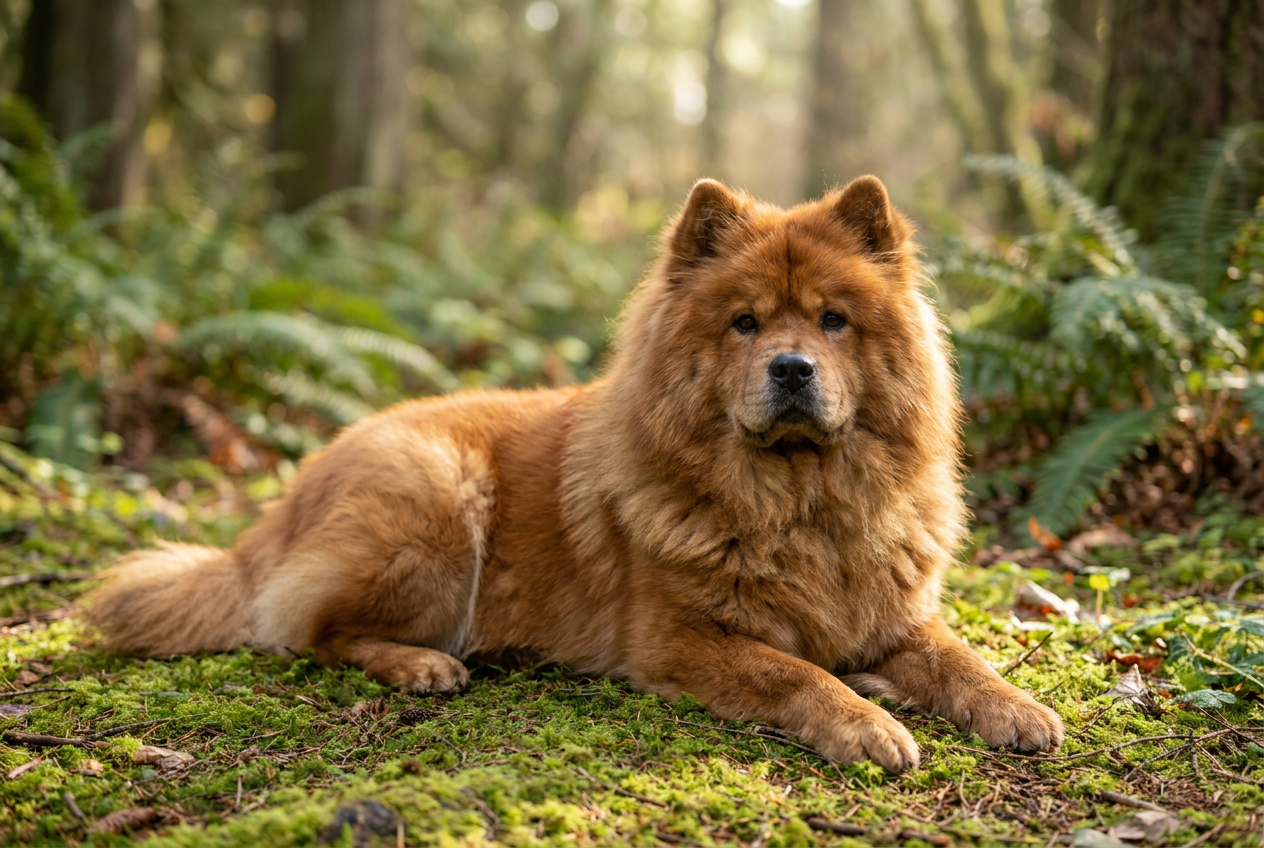
One of the world's oldest dog breeds, the Chow Chow's history traces back over 2,000 years to China's Han Dynasty. These powerful dogs served multiple roles as temple guards, hunters of wolves and pheasant, and haulers. Their defining features—a blue-black tongue and a stilted gait—are ancient breed signatures. They were largely unknown in the West until the late 1800s when Queen Victoria took an interest. The American Kennel Club officially recognized the Chow Chow in the Non-Sporting Group in 1903, and they remain a symbol of dignified, ancient canine heritage.
Temperament & Personality
Often described as "cat-like," the Chow Chow is aloof, independent, and discerning with its affection. They are quietly loyal to their chosen people but can be standoffish and suspicious of strangers. This is not a dog that craves constant attention or boisterous play. Their serious and dignified demeanor requires an owner who appreciates subtlety over overt displays of affection. Early and consistent socialization is critical to ensure their natural wariness does not develop into fear or aggression towards new people, sights, and other animals.
Health Watchouts
Top conditions reported by AKC parent clubs, OFA, and the Merck Veterinary Manual. Discuss screening with your vet — especially before breeding or insuring.
Entropion
CommonA condition where the eyelid rolls inward, causing the eyelashes to rub against the cornea. This is painful and can lead to corneal ulcers, scarring, and vision loss.
Screening: Veterinary ophthalmic examination. Surgical correction is often required.
Hip and Elbow Dysplasia
21% (hip), 48% (elbow) per OFAMalformation of the hip or elbow joints, leading to progressive arthritis, pain, and lameness. A leading cause of mobility issues in the breed.
Screening: OFA or PennHIP radiographs are essential for breeding stock to assess joint quality.
Glaucoma
CommonA painful increase in intraocular pressure that can rapidly lead to permanent blindness if not treated immediately. It can be primary (inherited) or secondary to other eye issues.
Screening: Regular veterinary eye exams including tonometry (pressure measurement).
Hypothyroidism
CommonAn underactive thyroid gland, which slows metabolism. Symptoms include weight gain, lethargy, hair loss, and recurrent skin infections.
Screening: Blood tests measuring thyroid hormone levels (T4, TSH). Managed with daily medication.
Cruciate Ligament Rupture
CommonTearing of a key stabilizing ligament in the knee (stifle), often due to a combination of their straight-legged structure and body mass. This causes acute lameness and requires surgical repair.
Screening: No specific screening test, but maintaining a lean body condition can reduce risk.
Exercise Needs
The Chow Chow requires moderate but consistent exercise. They are not built for high-impact or endurance activities like long-distance running. Daily leashed walks are ideal. Due to their heavy coat and often shorter muzzle, they are highly susceptible to overheating. Exercise should be scheduled for cooler parts of the day, and owners must be vigilant for signs of heat stress like excessive panting or lethargy.
- Leashed walks
- Free play in a securely fenced yard
- Short, gentle hikes in cool weather.
Nutrition
Daily calories: 900-1300 kcal/day
Feed a high-quality, AAFCO-compliant commercial diet appropriate for their life stage. Portions should be measured and fed twice daily to prevent bloat and manage weight. Access to fresh water is crucial, especially for this heavily coated breed.
Common allergens to watch: chicken, beef, dairy.
⚠ Obesity is a significant health risk, severely worsening the clinical signs of hip dysplasia, elbow dysplasia, and arthritis. It also increases their risk of heatstroke. Owners must monitor their dog's Body Condition Score (BCS); you should be able to easily feel the ribs under a thin layer of fat. Do not free-feed.
Entertainment & Enrichment
Chow Chows are independent thinkers that do not require intense, interactive games. They prefer low-key mental stimulation that allows them to work on their own. Enrichment should cater to their calm and thoughtful nature, providing outlets for sniffing and problem-solving without demanding high energy.
- Food puzzle toys or slow feeders
- Snuffle mats
- Short scent-work sessions in the yard
- Chew toys like rubber kongs
Grooming & Coat Care
Grooming is a serious commitment. The dense double coat, whether rough or smooth, needs brushing at least 2-3 times per week to prevent severe matting, which can lead to skin infections and pain. During seasonal shedding periods, daily brushing is necessary. Professional grooming may be required. Regular nail trims, ear cleaning, and checking for skin issues within the facial folds are essential parts of their care.
Training
Training a Chow Chow requires patience, consistency, and an understanding of their independent nature. They are intelligent but not driven to please, so sessions should be short and rewarding. Positive reinforcement yields the best results. The most critical aspect of training is early, extensive socialization to mitigate their natural wariness of strangers and other animals. Enrollment in a well-run puppy class is highly recommended.
Cost of Ownership
Lifetime cost depends on size, lifespan, and health risks. Try our Lifetime Cost Calculator →
Cost band for Chow Chow: high.
How insurance, vet care & grooming connect for the Chow Chow
These three costs move together. The Chow Chow’s coat, energy, and breed-specific health watchouts shape each one — here’s how they line up.
Insurance band
Common hereditary conditions raise claim odds
Vet service load
Heavy shedding correlates with skin/derm visits
Grooming demand
Double coat sheds seasonally — frequent brushing
Estimated monthly spend (typical adult)
Insurance
$85
Routine vet
$60
Grooming
$75
Combined estimate
~$220/mo(±20%, US averages)
* Estimates derived from breed traits (coat, energy, health watchouts, lifespan). Actual costs vary by location, age, and provider.
Living Situation Fit
The Chow Chow is best suited to a quiet, predictable home with an experienced owner who respects their need for personal space. While they can adapt to apartment living if given daily walks, a home with a securely fenced yard is ideal for safe, independent outdoor time. They do not do well in chaotic households with lots of visitors or young, boisterous children.
Choosing a Puppy
Prospective owners must seek a reputable breeder who conducts rigorous health screening on their breeding stock, including OFA or PennHIP evaluations for hips and elbows and annual eye exams by a veterinary ophthalmologist. A responsible breeder will raise puppies in their home, begin socialization early, and be transparent about the temperament and health of their lines. Be prepared to be put on a waitlist.
Frequently Asked Questions
Are Chow Chows good with kids and other pets?
With extensive socialization, they can co-exist with children who are taught to be respectful of the dog's space. However, they are not naturally playful and may not tolerate typical child's play. They often do best as the only pet due to potential same-sex aggression and a historical prey drive.
Why do Chow Chows have a reputation for being aggressive?
Their guarding instincts and aloofness towards strangers can be misinterpreted as aggression. Without sufficient early and ongoing socialization, this wariness can indeed develop into defensive or territorial aggression. This is not a breed for inexperienced owners or those unable to commit to intensive socialization and training.
Do all Chow Chows have blue-black tongues?
Yes, a blue-black tongue is a hallmark of the breed, as specified in the AKC breed standard. Puppies are born with pink tongues, which darken to the characteristic blue-black by 8-10 weeks of age. A spotted tongue is considered a fault.
question
answer