History & Origin
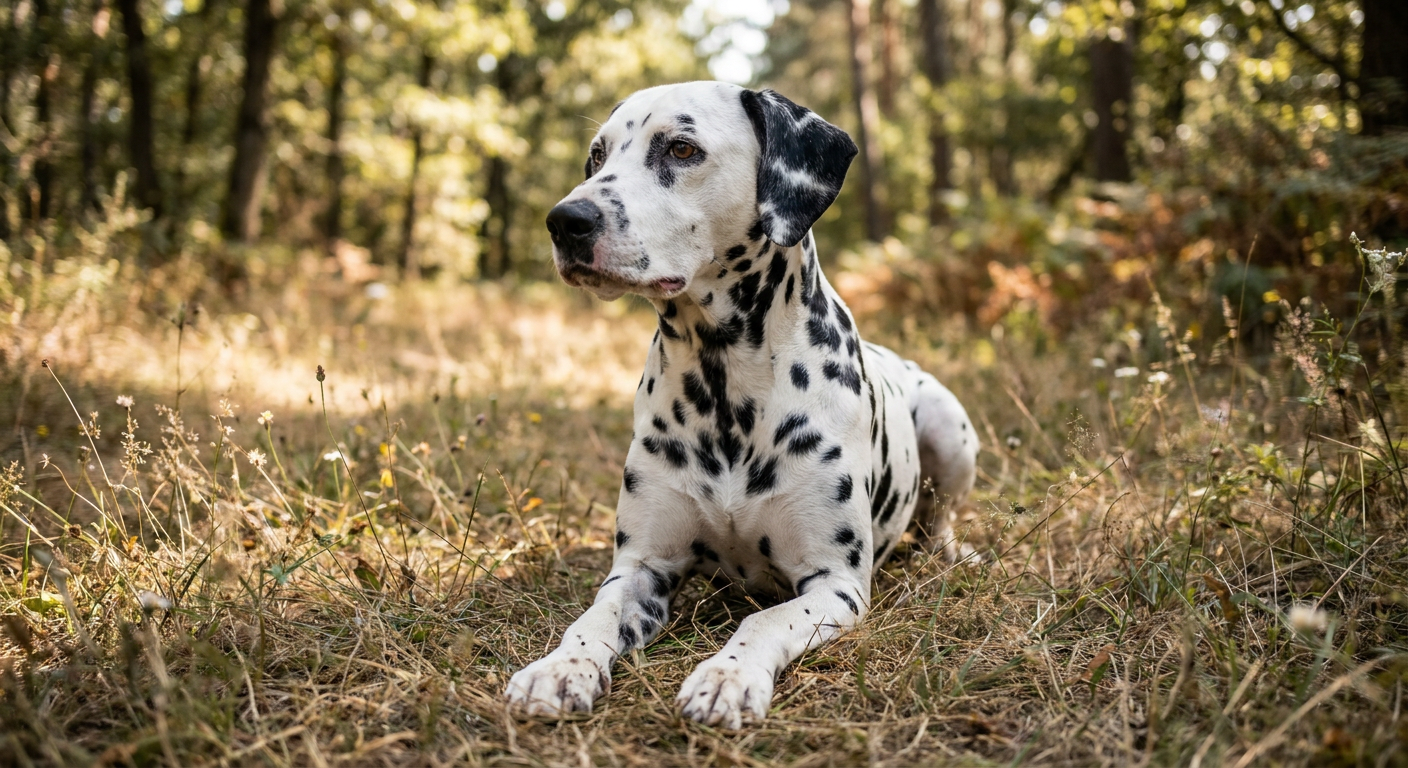
The Dalmatian’s origins trace to the historical region of Dalmatia in Croatia, where they were bred as all-purpose working dogs. Their remarkable endurance made them ideal carriage dogs, trotting alongside horse-drawn coaches for miles as protectors and decorative companions. This history is why they have such high exercise needs today. They’ve served in many roles, from war dogs to circus performers, but are perhaps most famously known as firehouse mascots, clearing the way for horse-drawn fire engines. The American Kennel Club (AKC) recognized the breed in 1888, solidifying its place as a distinctive and charismatic member of the Non-Sporting Group. Despite their popularity, their demanding nature means they are not the right fit for every home.
Temperament & Personality
Dalmatians are highly intelligent, outgoing, and energetic. With their families, they are loyal and playful, often with a clownish sense of humor. They can be aloof or reserved with strangers, so early socialization is important. This breed thrives on activity and companionship; if left alone or under-exercised, they can develop behavioral issues like destructiveness or separation anxiety. Their intelligence, while an asset, can also translate to a stubborn streak, requiring patient and consistent training from a confident owner. A well-exercised Dalmatian is a happy one.
Health Watchouts
Top conditions reported by AKC parent clubs, OFA, and the Merck Veterinary Manual. Discuss screening with your vet — especially before breeding or insuring.
Congenital Deafness
High (Approx. 20% unilateral, 5% bilateral)A hereditary condition where puppies are born deaf in one (unilateral) or both (bilateral) ears. It is linked to the genes that produce their white coat and blue eyes. While unilateral dogs can live normal lives, bilateral deafness requires significant training modifications.
Screening: BAER (Brainstem Auditory Evoked Response) test for all puppies at 6-7 weeks old. Responsible breeders must provide these results.
Urate Urolithiasis (Bladder Stones)
Very common (genetic predisposition in ~99% of the breed)A genetic defect in purine metabolism causes high levels of uric acid, leading to the formation of urate crystals and stones in the urinary tract. This can cause blockages, which are a life-threatening medical emergency.
Screening: DNA test for the SLC2A9 gene is available. Regular urinalysis to monitor for crystals. Management via low-purine diet and promoting water intake is critical for all Dalmatians.
Hip Dysplasia
6.1% (OFA data)A malformation of the hip joint that leads to instability, pain, and arthritis. It is a common skeletal issue in many medium to large breeds.
Screening: OFA or PennHIP radiographs (X-rays) for breeding animals to assess hip quality.
Atopic Dermatitis (Allergies)
CommonAn inherited predisposition to develop allergic symptoms from environmental allergens like pollen, mold, or dust mites. This typically manifests as itchy skin, chronic ear infections, and skin inflammation.
Screening: Diagnosis is based on clinical signs and ruling out other causes of itching. Intradermal or blood allergy testing can identify specific triggers.
Epilepsy
Relatively CommonA neurological disorder characterized by recurrent seizures. In Dalmatians, idiopathic epilepsy (seizures with no known cause) is a concern and typically appears between 6 months and 5 years of age.
Screening: No genetic screening test is currently available. Diagnosis involves a full neurological workup to rule out other causes of seizures.
Exercise Needs
Bred to run for miles alongside carriages, the Dalmatian is a world-class endurance athlete. A simple walk on a leash is not enough. They require a minimum of 90-120 minutes of vigorous exercise daily. This must include opportunities for safe, off-leash running in a securely fenced area. Without this outlet for their energy, they can become hyperactive, bored, and destructive indoors.
- Long-distance jogging or running partner
- Hiking on varied terrain
- Canine sports like agility, flyball, or lure coursing
- Vigorous games of fetch
Nutrition
Daily calories: 1100-1700 kcal/day, depending on age, size, and activity level.
The most critical nutritional concern for Dalmatians is preventing urate stones. A diet low in purines is essential. This means avoiding organ meats (liver), game meats, and certain seafood (sardines). Many vets recommend a prescription low-purine diet. Ensuring constant access to fresh water and encouraging drinking is vital to keep urine dilute.
Common allergens to watch: Beef, Dairy, Wheat.
⚠ Maintain your Dalmatian in a lean body condition (BCS 4/9) to minimize stress on their joints and reduce the risk of hip dysplasia-related arthritis. You should be able to easily feel their ribs but not see them.
Entertainment & Enrichment
A bored Dalmatian is a recipe for trouble. Their high intelligence requires daily mental exercise to keep them happy and well-behaved. Incorporate training, puzzle toys, and interactive games into their daily routine to prevent destructive behaviors and anxiety.
- Puzzle feeders and food-releasing toys
- Scent work games ("find the treat")
- Regularly practicing and learning new obedience cues and tricks
- Interactive play sessions with the owner
Grooming & Coat Care
While their short coat is easy to care for, Dalmatians are notorious shedders. They shed fine white hairs year-round. Brush them 2-3 times a week with a rubber curry comb or grooming mitt to remove loose hair. Bathe only as needed. Regular nail trims and ear cleaning are essential.
Training
Begin socialization and positive reinforcement-based obedience training the day your puppy comes home. Dalmatians are intelligent and learn quickly, but they can be stubborn and have a mind of their own. Keep training sessions fun, engaging, and consistent. Enrollment in puppy and advanced obedience classes is highly recommended.
Cost of Ownership
Lifetime cost depends on size, lifespan, and health risks. Try our Lifetime Cost Calculator →
Cost band for Dalmatian: medium.
How insurance, vet care & grooming connect for the Dalmatian
These three costs move together. The Dalmatian’s coat, energy, and breed-specific health watchouts shape each one — here’s how they line up.
Insurance band
Common hereditary conditions raise claim odds
Vet service load
High activity raises orthopedic & injury visits
Grooming demand
Heavy shedder — daily brushing during seasons
Estimated monthly spend (typical adult)
Insurance
$85
Routine vet
$60
Grooming
$60
Combined estimate
~$205/mo(±20%, US averages)
* Estimates derived from breed traits (coat, energy, health watchouts, lifespan). Actual costs vary by location, age, and provider.
Living Situation Fit
Dalmatians are best suited for an active household with a securely fenced yard. They are not recommended for apartment living due to their high energy and exercise needs. They form strong bonds with their families and can be prone to separation anxiety, so they do best in a home where they are not left alone for extended periods.
Choosing a Puppy
It is crucial to choose a breeder who conducts and provides proof of BAER (hearing) tests for the entire litter. Do not purchase a puppy without seeing these results. Reputable breeders will also screen breeding stock for hip dysplasia (OFA or PennHIP) and be transparent about the health and temperament of their lines.
Frequently Asked Questions
Are all Dalmatians born with spots?
No, Dalmatians are born completely white. Their characteristic spots begin to appear when they are about two weeks old and continue to develop for several months.
Are Dalmatians good family dogs?
They can be excellent companions for active families with older, dog-savvy children. However, their boisterous energy and large size can be overwhelming for toddlers and small kids. As with any breed, supervision is essential.
Why do I hear that Dalmatians need a special diet?
Nearly all Dalmatians have a unique genetic trait that affects their ability to process purines, a type of organic compound. This makes them highly susceptible to forming urate bladder stones. A veterinarian-recommended diet low in purines is a critical part of their healthcare to prevent this painful and potentially life-threatening condition.
Do Dalmatians really shed that much?
Yes. Despite their short coat, they are prolific shedders. Their fine, stiff hairs tend to weave into fabric and can be difficult to remove. Expect to find their hair on furniture, clothing, and carpets year-round.