History & Origin
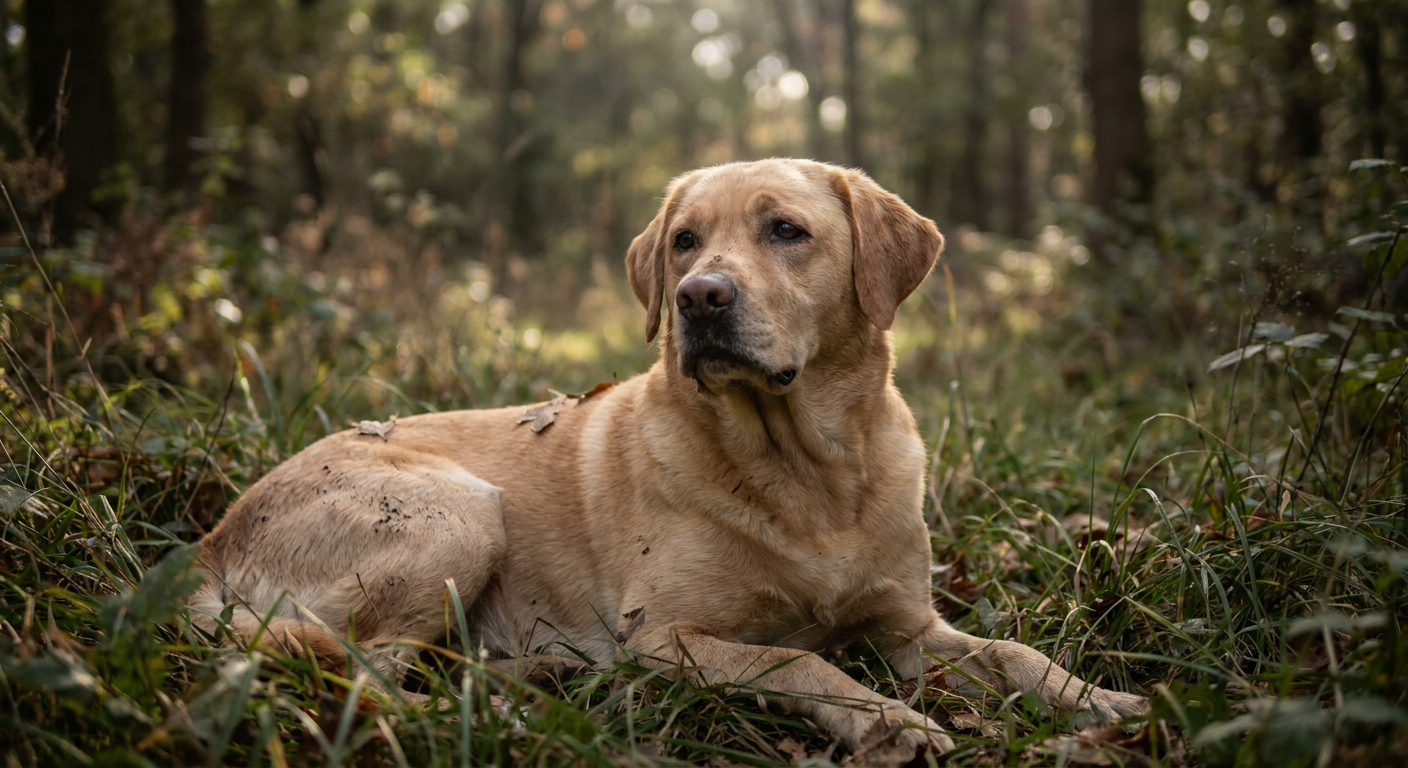
Labradors trace to the St. John's water dog of 16th-century Newfoundland, where fishermen used them to retrieve nets and fish from icy water. English aristocrats imported the breed in the early 1800s and refined it for game retrieval. The AKC recognized the Labrador in 1917; by 1991 it became — and has remained — America's most popular registered breed.
Temperament & Personality
Outgoing, even-tempered, eager to please. Labs greet strangers as new friends, tolerate children's grabbing and noise, and rarely show aggression. The flip side: they bond strongly and struggle with long stretches alone.
Health Watchouts
Top conditions reported by AKC parent clubs, OFA, and the Merck Veterinary Manual. Discuss screening with your vet — especially before breeding or insuring.
Hip & elbow dysplasia
≈12% (OFA)Abnormal joint development causing arthritis. Lifetime risk reduced by lean body weight and joint screening of breeding stock.
Screening: OFA or PennHIP evaluation of parents
Obesity
60%+ of adult LabsLabs carry a POMC gene variant that blunts satiety. They feel hungry even when fed appropriately.
Screening: Monthly body condition scoring; measure all food
Exercise-induced collapse (EIC)
~3% carriersInherited muscle disorder causing rear-leg weakness during intense exercise.
Screening: DNA test before breeding or strenuous sport
Progressive retinal atrophy
Low with screeningDegenerative eye disease leading to blindness in middle age.
Screening: Annual CERF/OFA eye exam
Ear infections
Very commonFloppy ears + love of swimming = warm, moist ear canals that breed yeast and bacteria.
Screening: Weekly ear inspection; dry ears after swimming
Exercise Needs
Labs need 60–120 minutes of real exercise daily — not just neighborhood walks. Adults thrive on long retrieval games, swimming, and structured trail hikes.
- Fetch (water or land) for 30+ minutes
- Swimming — Labs have webbed feet and love it
- Running or jogging partner once skeletally mature (≈18 mo)
- Dock diving, agility, or hunt tests
- Scent work and puzzle feeders for mental load
Nutrition
Daily calories: Adult: 1,200–1,800 kcal/day depending on activity. Puppies need a large-breed puppy formula (controlled calcium) for the first 12–15 months.
Two measured meals daily, ideally from a slow-feeder. Treats should be ≤10% of calories. Choose AAFCO-complete formulas with named animal protein as the first ingredient.
Common allergens to watch: Chicken, Beef, Dairy, Wheat.
⚠ Lean body condition (4–5/9 body condition score) extends Labrador lifespan by an average of 1.8 years (Purina lifespan study). Weigh monthly.
Entertainment & Enrichment
Labs are problem-solvers who need a job. Mental work tires them as effectively as physical exercise.
- Hide-and-seek with treats around the house
- Frozen Kong with peanut butter (xylitol-free)
- Snuffle mats for slow feeding
- Trick training (15-min sessions)
- Nose-work classes or hunt training
- Rotate 3–4 toys weekly to maintain novelty
Grooming & Coat Care
Brush 2–3× weekly with a deshedding rake; daily during spring/fall coat blows. Bathe every 6–8 weeks. Check ears weekly and dry thoroughly after swimming. Trim nails every 3–4 weeks.
Training
Easy. Labs are food-motivated and biddable — most master basic obedience by 6 months with positive-reinforcement classes. Common challenges are loose-leash walking (excitement), jumping greetings, and counter-surfing. Start crate training and impulse control (wait, leave-it) on day one.
Cost of Ownership
Lifetime cost depends on size, lifespan, and health risks. Try our Lifetime Cost Calculator →
Cost band for Labrador Retriever: medium.
How insurance, vet care & grooming connect for the Labrador Retriever
These three costs move together. The Labrador Retriever’s coat, energy, and breed-specific health watchouts shape each one — here’s how they line up.
Insurance band
Common hereditary conditions raise claim odds
Vet service load
High activity raises orthopedic & injury visits
Grooming demand
Double coat sheds seasonally — frequent brushing
Estimated monthly spend (typical adult)
Insurance
$85
Routine vet
$60
Grooming
$75
Combined estimate
~$220/mo(±20%, US averages)
* Estimates derived from breed traits (coat, energy, health watchouts, lifespan). Actual costs vary by location, age, and provider.
Living Situation Fit
House with a yard is ideal but not essential. Labs adapt to apartments only when owners commit to 60+ minutes of off-leash exercise daily. They are velcro dogs and tolerate being alone poorly — plan for ≤6 hours, with mid-day breaks for puppies.
Choosing a Puppy
Look for breeders who OFA-screen hips, elbows and eyes; DNA-test for EIC, PRA and CNM; and let you meet the dam. Puppies should be 8+ weeks at homecoming. Consider Lab rescues — there are thousands of adult Labs needing homes through breed-specific rescues like Labs4Rescue.
Frequently Asked Questions
Are Labradors good first dogs?
Yes — Labs are widely considered the easiest breed for first-time owners thanks to their trainability, tolerance and predictable temperament. The main commitments are daily exercise (60+ minutes), heavy shedding year-round, and not leaving them alone for long workdays without enrichment.
How long do Labrador Retrievers live?
Average lifespan is 11–13 years. Lean body condition can extend that by nearly 2 years; obesity shortens it by similar margins. Black and yellow Labs typically outlive chocolate Labs by about a year, per a 2018 University of Sydney study.
Do Labradors shed a lot?
Yes — Labs are heavy year-round shedders with two intense 'coat blow' periods each spring and fall. Plan on 2–3 brushings per week, daily during shedding seasons, and a robust vacuum.
What's the difference between English and American Labradors?
English (or 'show') Labs are blockier, calmer and lower-energy. American (or 'field') Labs are leaner, more athletic and higher drive. Both are the same breed; choose based on whether you want a couch companion or an athletic partner.