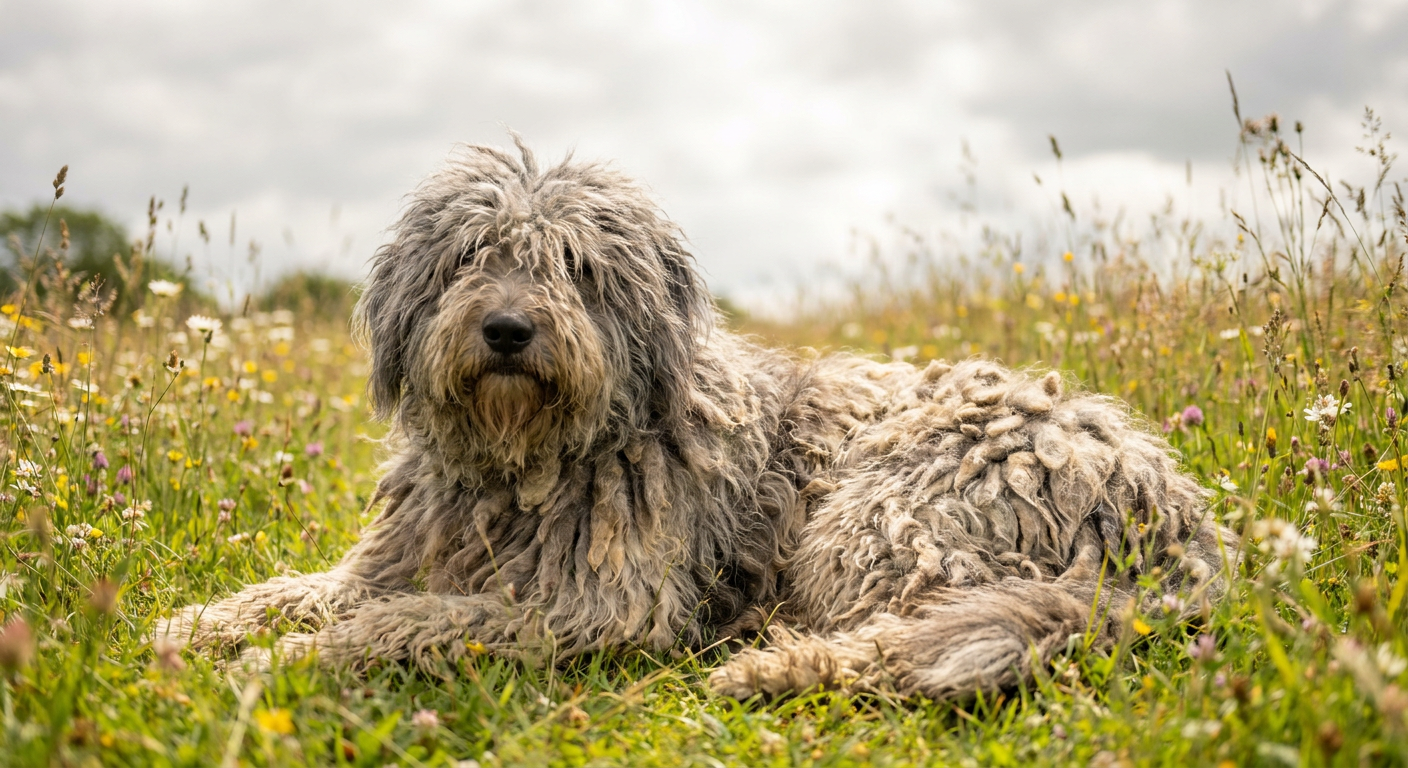
History & Origin
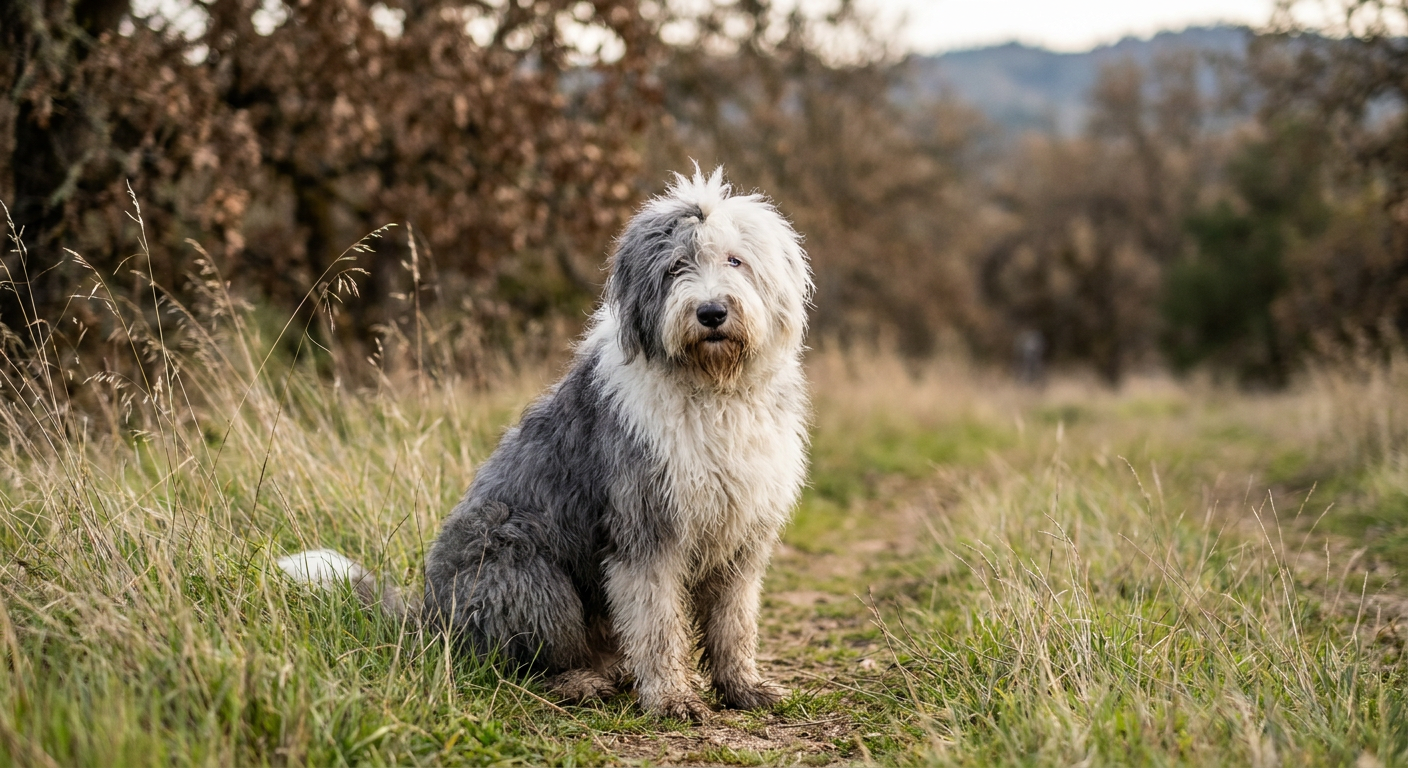
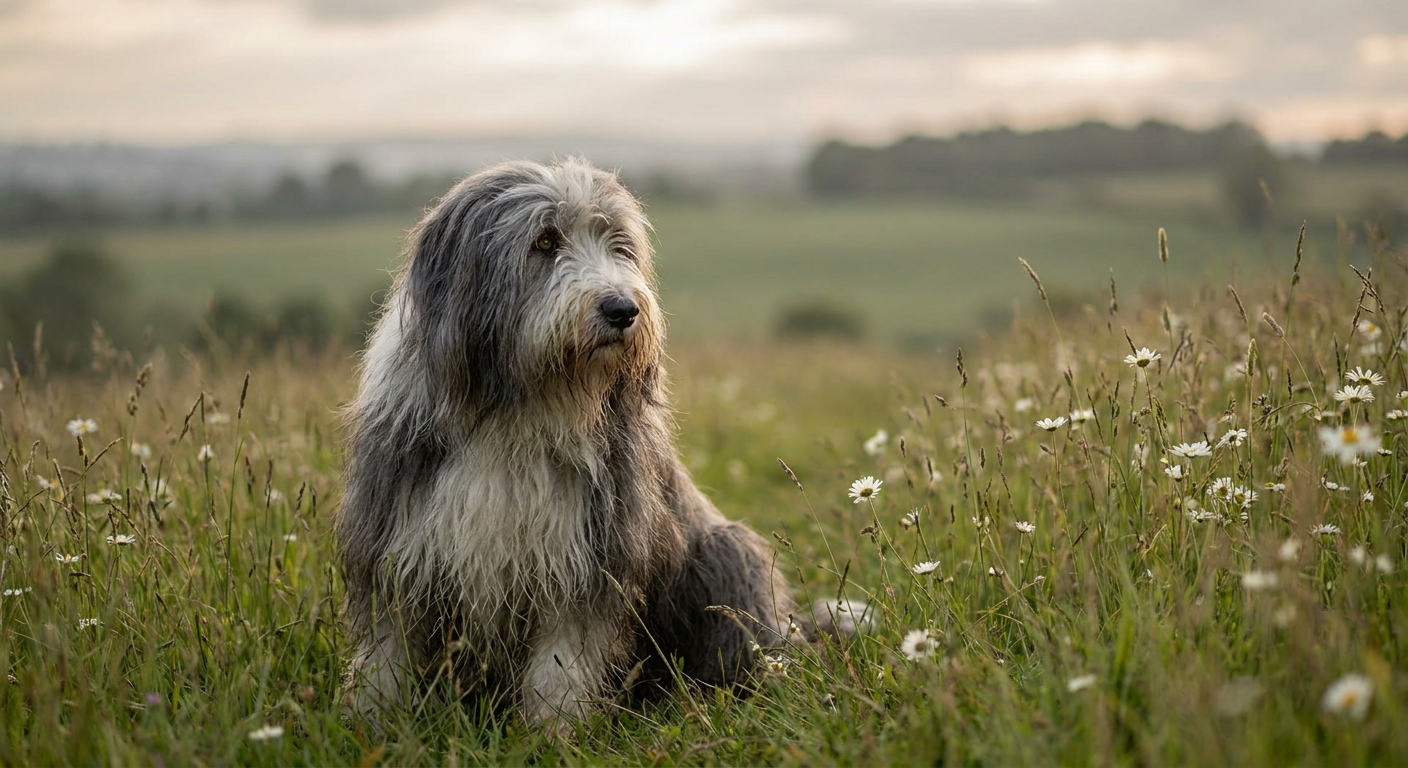
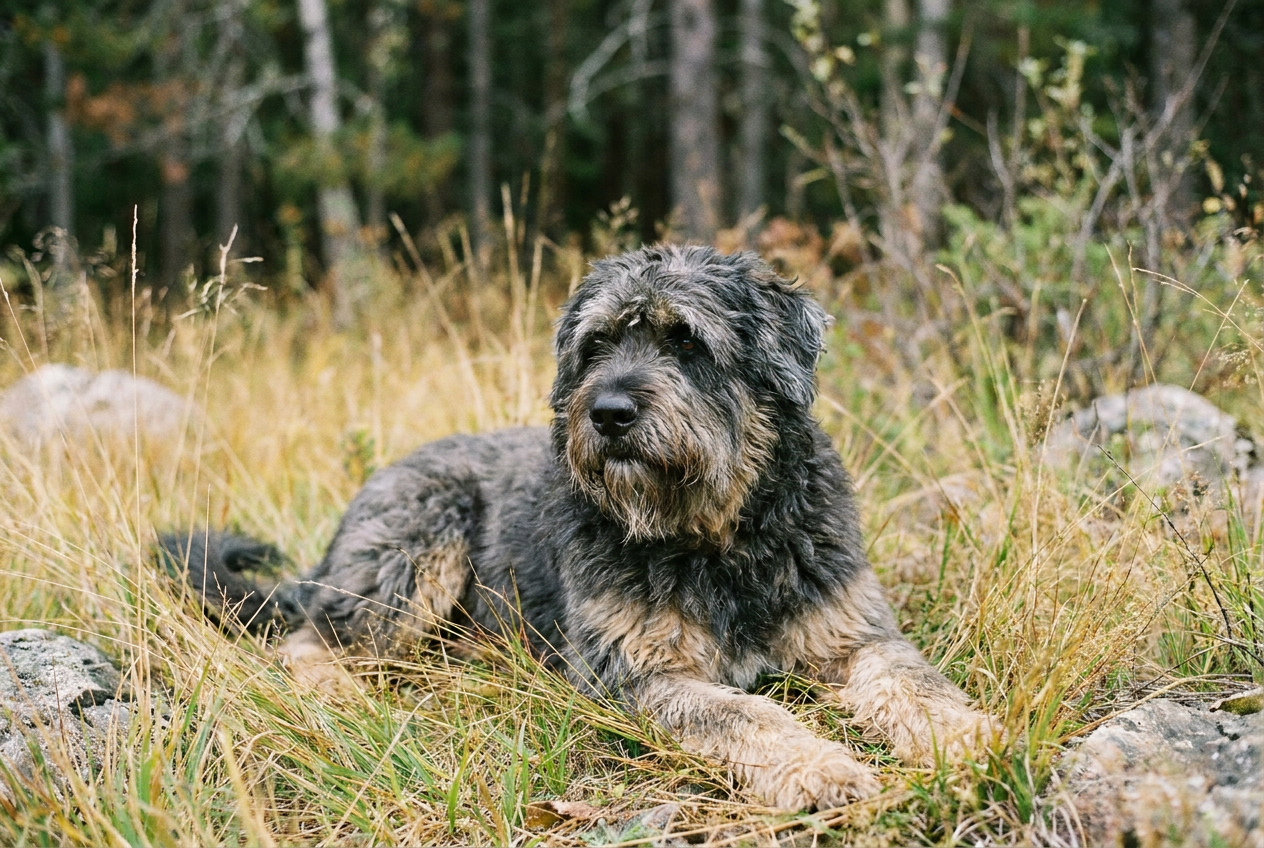
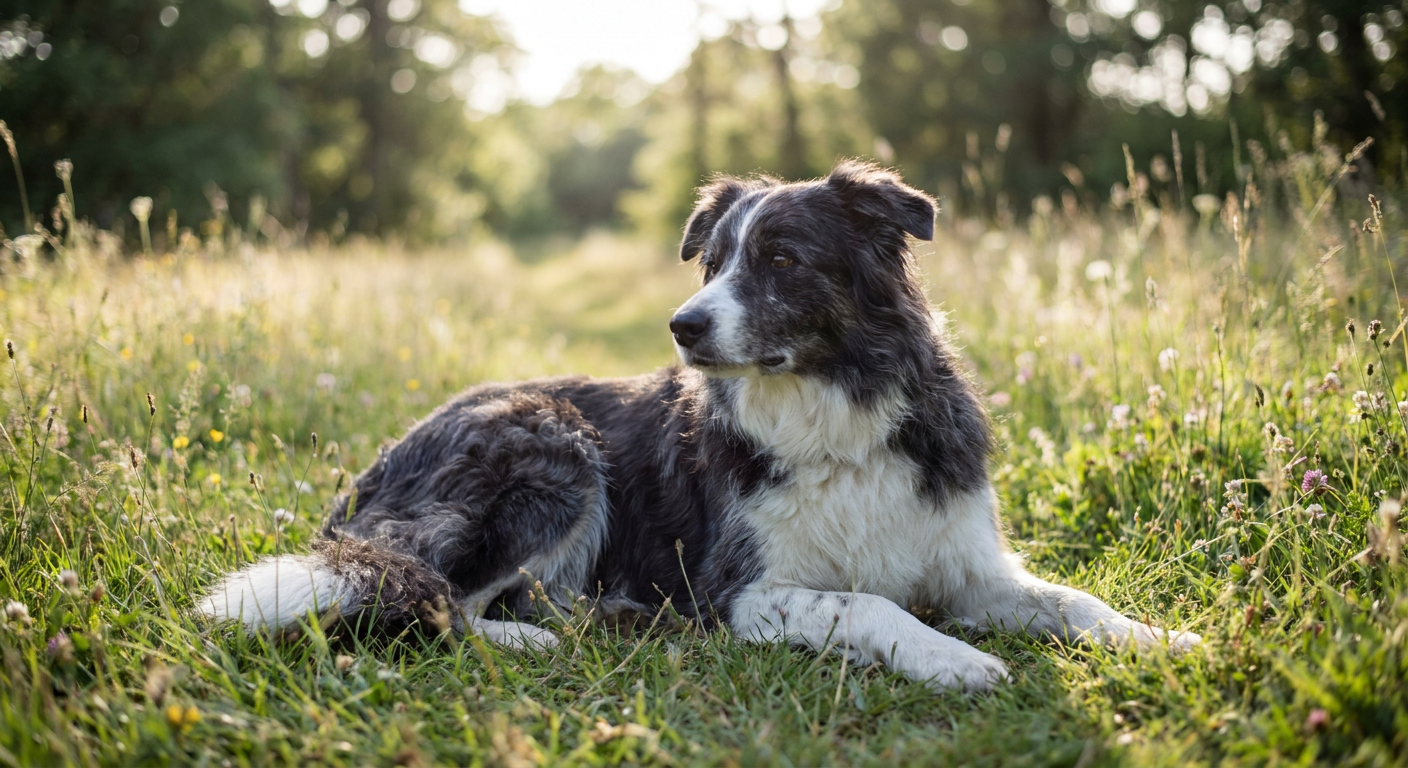
Tracing back over 2,000 years, this breed originated in the Italian Alps near Bergamo as a livestock guardian and herder. Its unique felted coat evolved to protect the dog from the freezing temperatures and predators of the high-altitude terrain. The breed faced near extinction after WWII but was revitalized by Italian breeders in the 1960s.
Temperament & Personality
The Bergamasco is an independent, intelligent, and deeply devoted guardian with a calm, stoic demeanor. Unlike many herding breeds, they were bred to be mountain problem-solvers, capable of working away from the shepherd for long periods. They are naturally wary of strangers but highly affectionate with their families. Their protective instinct is strong but typically manifested as a watchful presence rather than aggression.
Health Watchouts
Top conditions reported by AKC parent clubs, OFA, and the Merck Veterinary Manual. Discuss screening with your vet — especially before breeding or insuring.
Hip Dysplasia
OccasionalA malformation of the hip joint that can lead to arthritis and mobility issues.
Screening: OFA or PennHIP Evaluation
Elbow Dysplasia
Low to OccasionalMalformation of the elbow joint commonly seen in many herding and working breeds.
Screening: OFA Evaluation
Ocular Disorders
LowA category of ocular issues including cataracts or retinal atrophy.
Screening: OFA CAER Eye Exam
Gastric Dilatation-Volvulus (Bloat)
Moderate risk due to buildPotentially life-threatening twisting of the stomach common in deep-chested breeds.
Screening: Clinical observation/Prophylactic Gastropexy
Exercise Needs
While they possess the stamina of a mountain sheepdog, they are not hyperactive; they require moderate daily exercise but value their downtime.
- Leashed hiking on trails
- Moderate fetching in a fenced yard
- Low-impact herding work
- Daily neighborhood patrols
Nutrition
Daily calories: 1,200 - 1,500 kcal depending on activity level.
Divide daily intake into two meals to reduce the risk of bloat; avoid exercise one hour before and after eating.
Common allergens to watch: Beef, Dairy, Wheat.
⚠ The dense coat can easily hide weight gain; owners must use their hands to feel the ribs through the flocks regularly.
Entertainment & Enrichment
Bergamascos are intelligent problem-solvers that require mental engagement to prevent boredom and protective over-vigilance.
- Scent work and tracking exercises
- Herding trials or Treibball
- Problem-solving food puzzles
- Long walks on varied terrain
Grooming & Coat Care
Extensive initial effort to 'rip' the coat into flocks between 12-15 months; thereafter, maintenance is minimal. No brushing.
Training
They respond best to positive reinforcement and clear leadership; they are intelligent but may independently decide if a command is worth following. Early socialization is critical to manage their innate protective instincts toward strangers.
Cost of Ownership
Lifetime cost depends on size, lifespan, and health risks. Try our Lifetime Cost Calculator →
Cost band for Bergamasco Sheepdog: high.
How insurance, vet care & grooming connect for the Bergamasco Sheepdog
These three costs move together. The Bergamasco Sheepdog’s coat, energy, and breed-specific health watchouts shape each one — here’s how they line up.
Insurance band
Multiple breed-specific health watchouts
Vet service load
Several conditions worth annual screening
Grooming demand
Low-maintenance coat — monthly bath and brush
Estimated monthly spend (typical adult)
Insurance
$75
Routine vet
$50
Grooming
$30
Combined estimate
~$155/mo(±20%, US averages)
* Estimates derived from breed traits (coat, energy, health watchouts, lifespan). Actual costs vary by location, age, and provider.
Living Situation Fit
They thrive in cooler climates and require a home with a securely fenced yard. They are unsuitable for apartment living due to their size and watchful, vocal nature.
Choosing a Puppy
Seek breeders who emphasize social temperament and provide documentation of hip and elbow clearances. Inquire specifically about the dam's coat quality, as the formation of flocks is a many-year genetic process.
Frequently Asked Questions
Does the heavy coat make them overheat?
The flocks serve as a natural thermometer, insulating the dog against both extreme mountain cold and summer heat. They also protected the dog from wolf bites during its history as a livestock guardian.
How do you brush a Bergamasco coat?
The flocks are not brushed; they are formed by manually 'tearing' the coat into sections at approximately one year of age. Once the flocks are established, the coat requires very little maintenance other than occasional baths and checks for debris.
Are they good with children?
They are generally patient and protective of family members, making them excellent companions for children, provided they are socialized early.