History & Origin
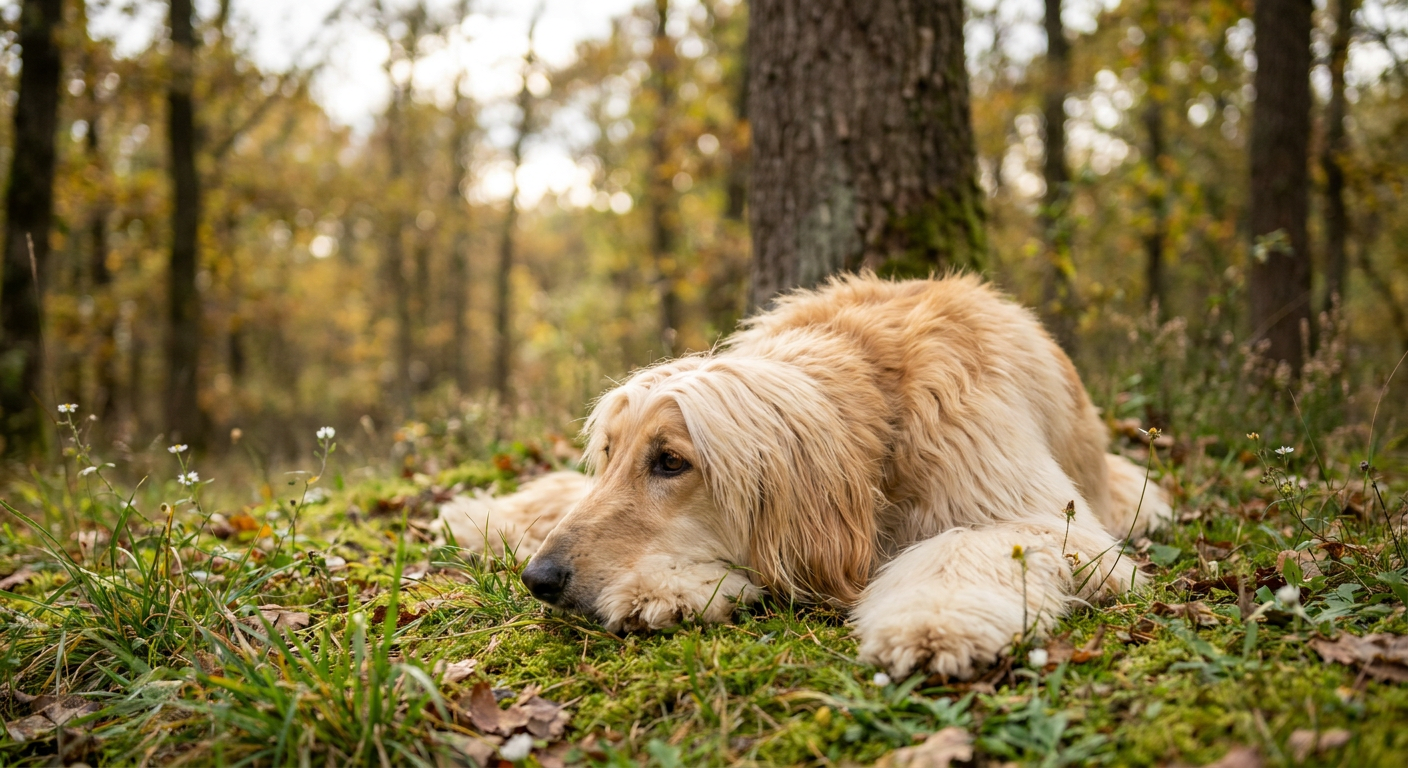
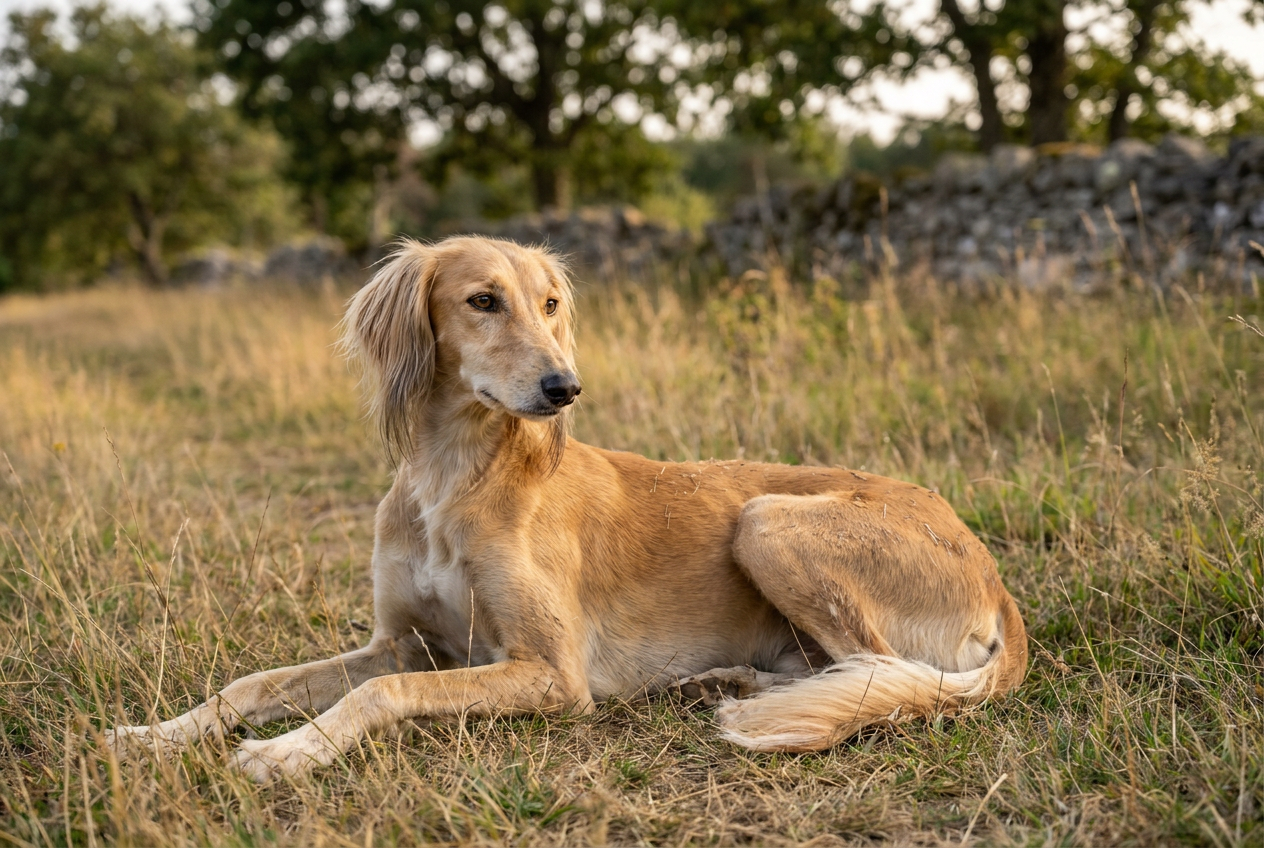
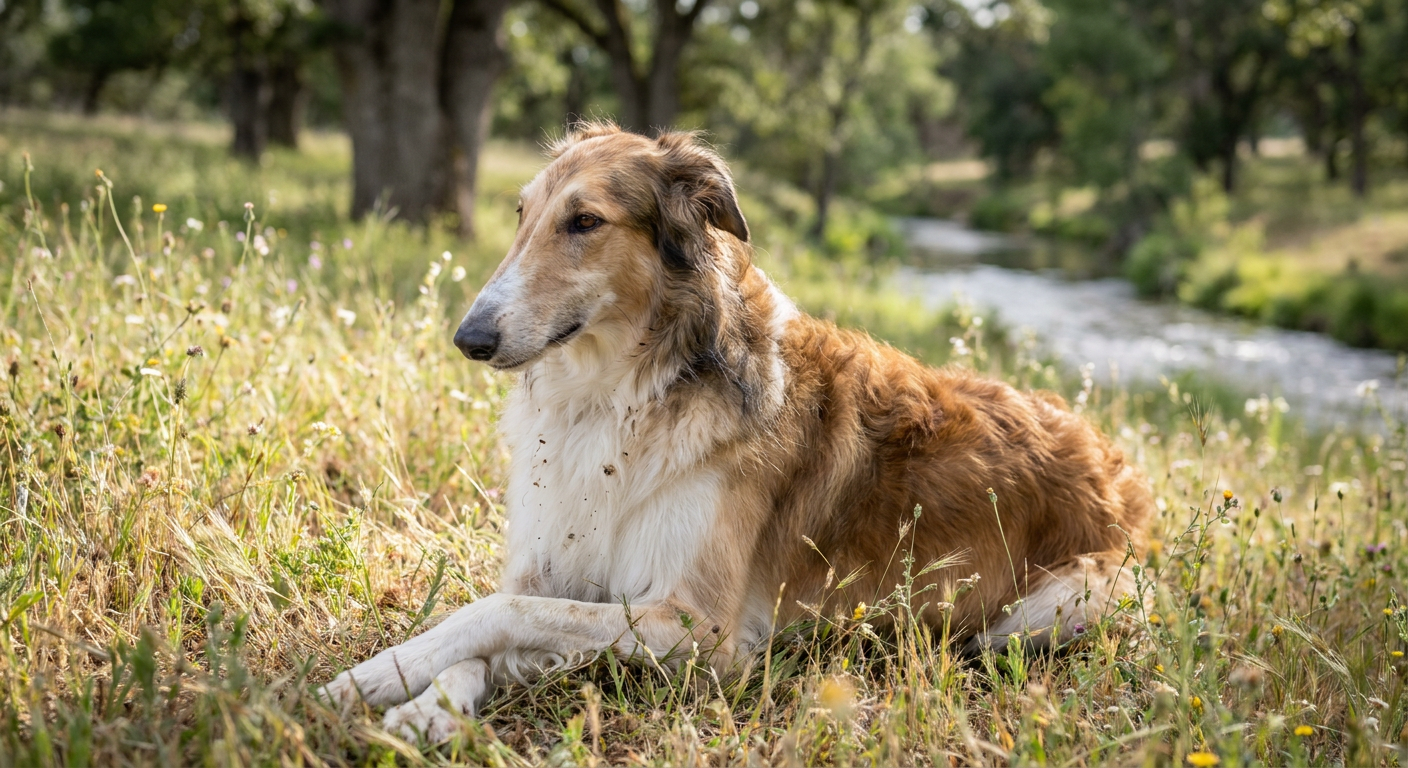
Bred by Russian aristocracy from the 17th century to course wolves across the steppes. The Russian Revolution nearly wiped them out. AKC recognition in 1891.
Temperament & Personality
Gentle, quiet, sensitive. Reserved with strangers. Affectionate with family but not demonstrative. High prey drive.
Health Watchouts
Top conditions reported by AKC parent clubs, OFA, and the Merck Veterinary Manual. Discuss screening with your vet — especially before breeding or insuring.
Bloat
High-risk deep-chested breedStomach twisting requiring emergency surgery.
Screening: Prophylactic gastropexy recommended
Cardiomyopathy
NotableHeart muscle disease.
Screening: Annual cardiac exam after age 5
Anesthesia sensitivity
Sighthound traitLow body fat affects drug metabolism.
Screening: Sighthound-specific protocols
Bone cancer
Elevated giant-breed riskAggressive bone tumor.
Screening: Watch for limb pain
Hip dysplasia
Low (~3%)Joint malformation.
Screening: OFA hips
Exercise Needs
45–75 minutes daily — sprints in fenced areas plus walks.
- Off-leash sprinting in fenced areas
- Lure coursing
- Long quiet walks
- Hiking
- Couch lounging
Nutrition
Daily calories: Adult: 1,500–2,200 kcal.
Two meals daily; bloat-aware feeding.
Common allergens to watch: Chicken, Wheat.
⚠ Lean sighthound build; ribs slightly visible is normal.
Entertainment & Enrichment
Quiet, dignified companions.
- Lure coursing
- Long walks
- Trick training (short sessions)
- Puzzle feeders
- Quiet companionship
Grooming & Coat Care
Brush 2–3× weekly. Bathe every 4–6 weeks. Heavy seasonal shedding requires daily brushing during coat blows.
Training
Sensitive — positive reinforcement only. Sighthound recall is unreliable; use long lines or fenced areas.
Cost of Ownership
Lifetime cost depends on size, lifespan, and health risks. Try our Lifetime Cost Calculator →
Cost band for Borzoi: high.
How insurance, vet care & grooming connect for the Borzoi
These three costs move together. The Borzoi’s coat, energy, and breed-specific health watchouts shape each one — here’s how they line up.
Insurance band
Brachycephalic or giant-breed risk profile
Vet service load
Heavy shedding correlates with skin/derm visits
Grooming demand
Long coat tangles without weekly grooming
Estimated monthly spend (typical adult)
Insurance
$85
Routine vet
$60
Grooming
$75
Combined estimate
~$220/mo(±20%, US averages)
* Estimates derived from breed traits (coat, energy, health watchouts, lifespan). Actual costs vary by location, age, and provider.
Living Situation Fit
House with secure fenced yard. Not for apartments. Best with experienced sighthound owners.
Choosing a Puppy
OFA hips, cardiac, eye CERF. Meet both parents. Discuss prophylactic gastropexy.
Frequently Asked Questions
Are Borzois good apartment dogs?
Surprisingly possible — they're calm indoors. But their large size, exercise needs and shedding make house-with-yard a much better fit.
Are Borzois good with cats?
High prey drive makes them risky around small pets. Borzois raised with cats from puppyhood may tolerate them, but never trust them with strange small animals.
How much exercise does a Borzoi need?
45–75 minutes daily — including sprints in fenced areas. They're surprisingly couch-loving between exercise sessions.