History & Origin
Developed in France as early as the 14th century, this breed served as a versatile shepherd and flock guardian. Traditionally known as the Chien Berger de Brie, it was the official dog of the French army during both World Wars. Thomas Jefferson notably imported the first specimens to the United States in 1789.
Temperament & Personality
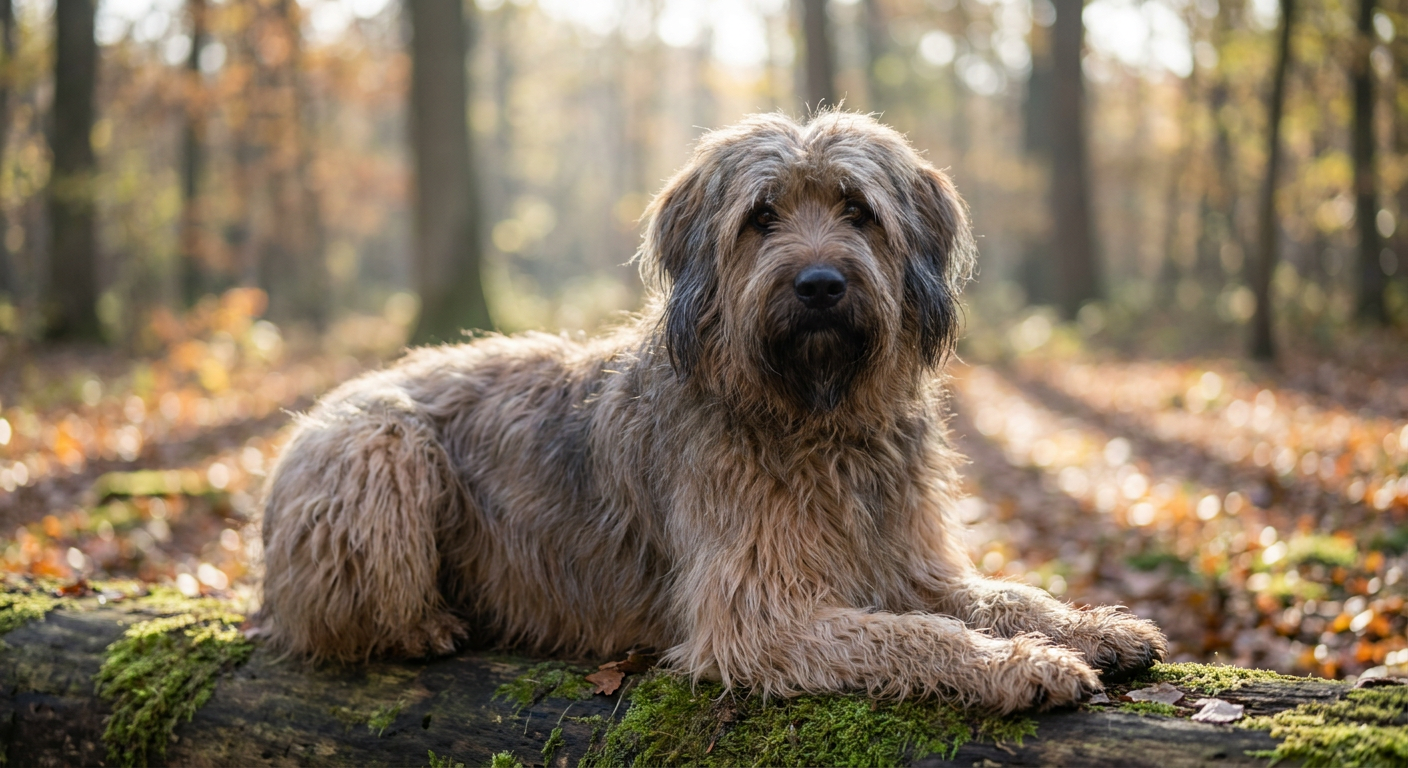
The Briard is a loyal, protective, and intelligent worker known for its 'heart wrapped in fur.' They are deeply devoted to their family members but maintain a dignified, sometimes aloof stance toward strangers. Their herding instinct remains strong, often resulting in an urge to 'gather' children and family members during walks.
Health Watchouts
Top conditions reported by AKC parent clubs, OFA, and the Merck Veterinary Manual. Discuss screening with your vet — especially before breeding or insuring.
Hip Dysplasia
ModerateA common herding breed condition where the hip joint doesn't fit properly, leading to arthritis.
Screening: OFA or PennHIP Radiographs
Gastric Dilatation-Volvulus (Bloat)
HighA life-threatening condition where the stomach twists; deep-chested breeds are at high risk.
Screening: Gastropexy surgery (preventative)
Progressive Retinal Atrophy (PRA-prcd)
ModerateAn inherited eye disease that causes gradual vision loss and eventual blindness.
Screening: DNA test / CAER Exam
Congenital Stationary Night Blindness (CSNB)
Low to ModerateA genetic eye disorder specific to the breed causing night blindness or total vision loss.
Screening: DNA test
Exercise Needs
This is a high-stamina herder that requires substantial physical activity to prevent boredom-induced destructive behaviors.
- Long daily hikes or jogs
- Off-leash play in secure areas
- Competitive agility or obedience training
- Herding livestock or Treibball
Nutrition
Daily calories: 1500-2200 kcal/day (adult)
Due to bloat risks, feed 2-3 smaller meals daily rather than one large one and avoid exercise for one hour before and after eating.
Common allergens to watch: Beef, Dairy, Wheat.
⚠ Excess weight puts significant strain on their joints, especially those prone to dysplasia.
Entertainment & Enrichment
Mentally intense work is required to satisfy this breed's high intelligence and historical role as a multi-purpose farm advocate.
- Advanced herding trials and clinics
- Scent work or tracking exercises
- Problem-solving puzzle feeders
- Weight-pulling or urban mushing
Grooming & Coat Care
Requires deep brushing several times a week to the skin to prevent matting; professional grooming every 6–8 weeks is standard.
Training
Requires a firm but fair handler; they are highly intelligent but can be independent and sensitive to harsh corrections.
Cost of Ownership
Lifetime cost depends on size, lifespan, and health risks. Try our Lifetime Cost Calculator →
Cost band for Briard: high.
How insurance, vet care & grooming connect for the Briard
These three costs move together. The Briard’s coat, energy, and breed-specific health watchouts shape each one — here’s how they line up.
Insurance band
Common hereditary conditions raise claim odds
Vet service load
High activity raises orthopedic & injury visits
Grooming demand
Long coat tangles without weekly grooming
Estimated monthly spend (typical adult)
Insurance
$85
Routine vet
$60
Grooming
$45
Combined estimate
~$190/mo(±20%, US averages)
* Estimates derived from breed traits (coat, energy, health watchouts, lifespan). Actual costs vary by location, age, and provider.
Living Situation Fit
Best suited for homes with large, securely fenced yards where they can patrol. They are true 'velcro dogs' who must live indoors with their family despite their rugged exterior.
Choosing a Puppy
Look for breeders who perform hip and eye certifications through the OFA and CERF. Ensure the breeder has begun socialization, as this breed can be naturally wary of strangers if not exposed early.
Frequently Asked Questions
Do Briards shed a lot?
They are low-shedding but high-maintenance; their long coat traps loose hair within the coat, leading to mats if not brushed daily.
Is it true they have extra toes?
Yes, Briards are known for having 'double dewclaws' on their rear legs, a breed trait historically used for stability when working in rugged terrain.
Are they good with strangers?
While they are devoted to their own family, they are naturally reserved and protective, requiring extensive socialization to be comfortable around new people.