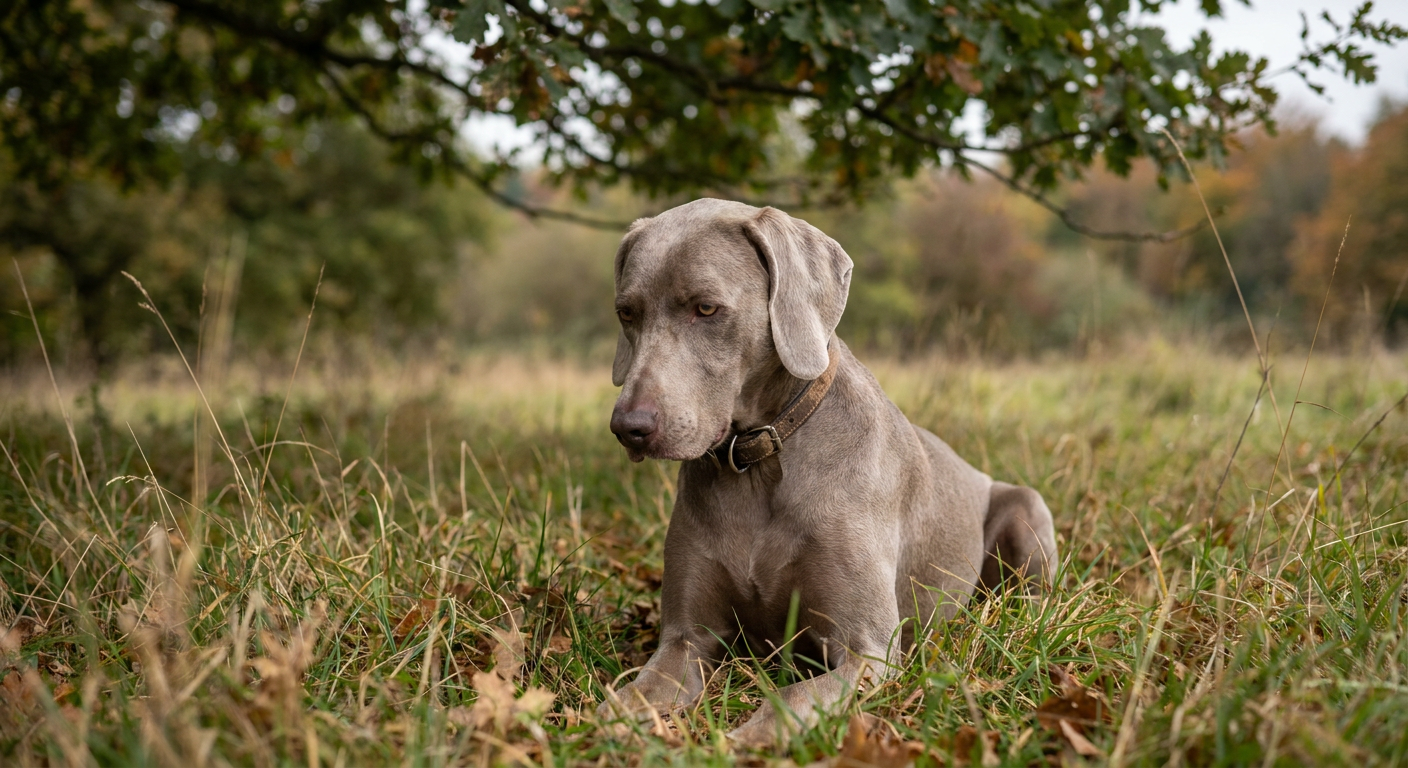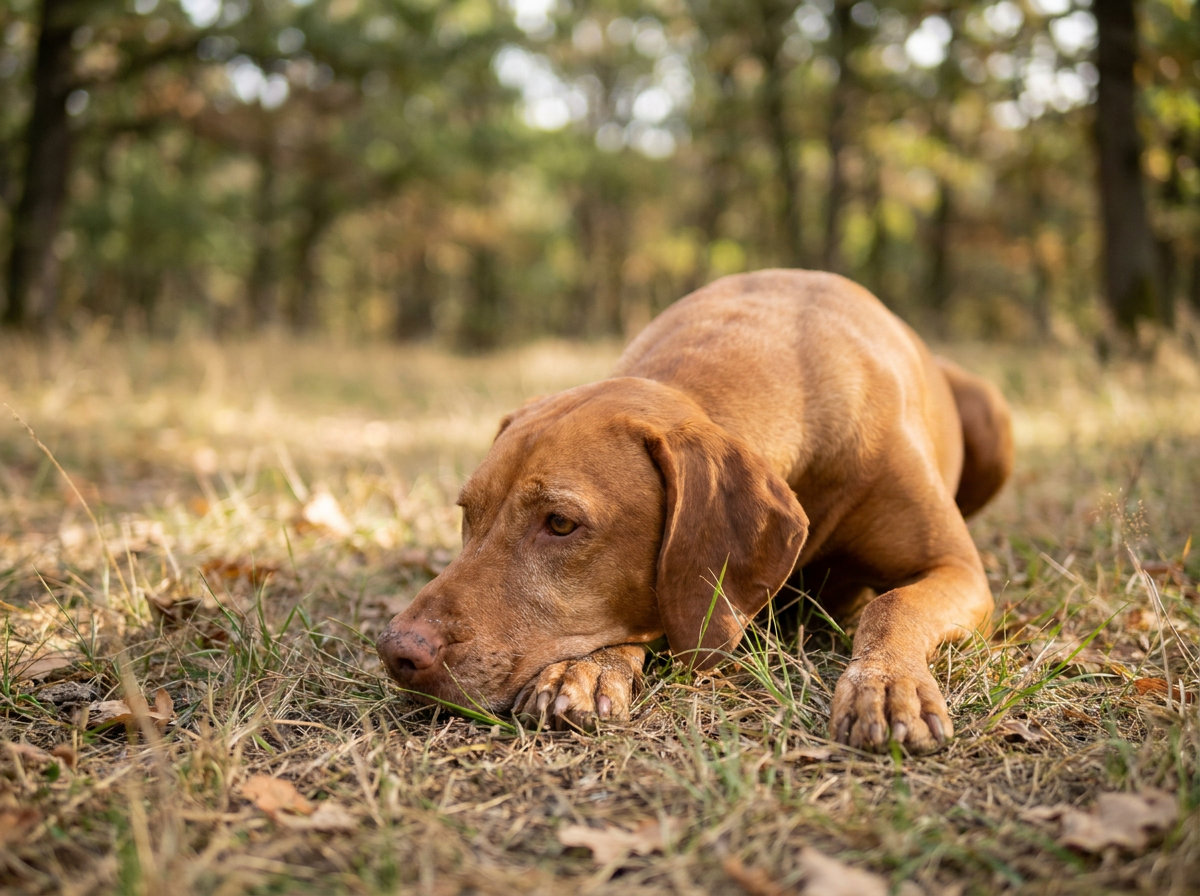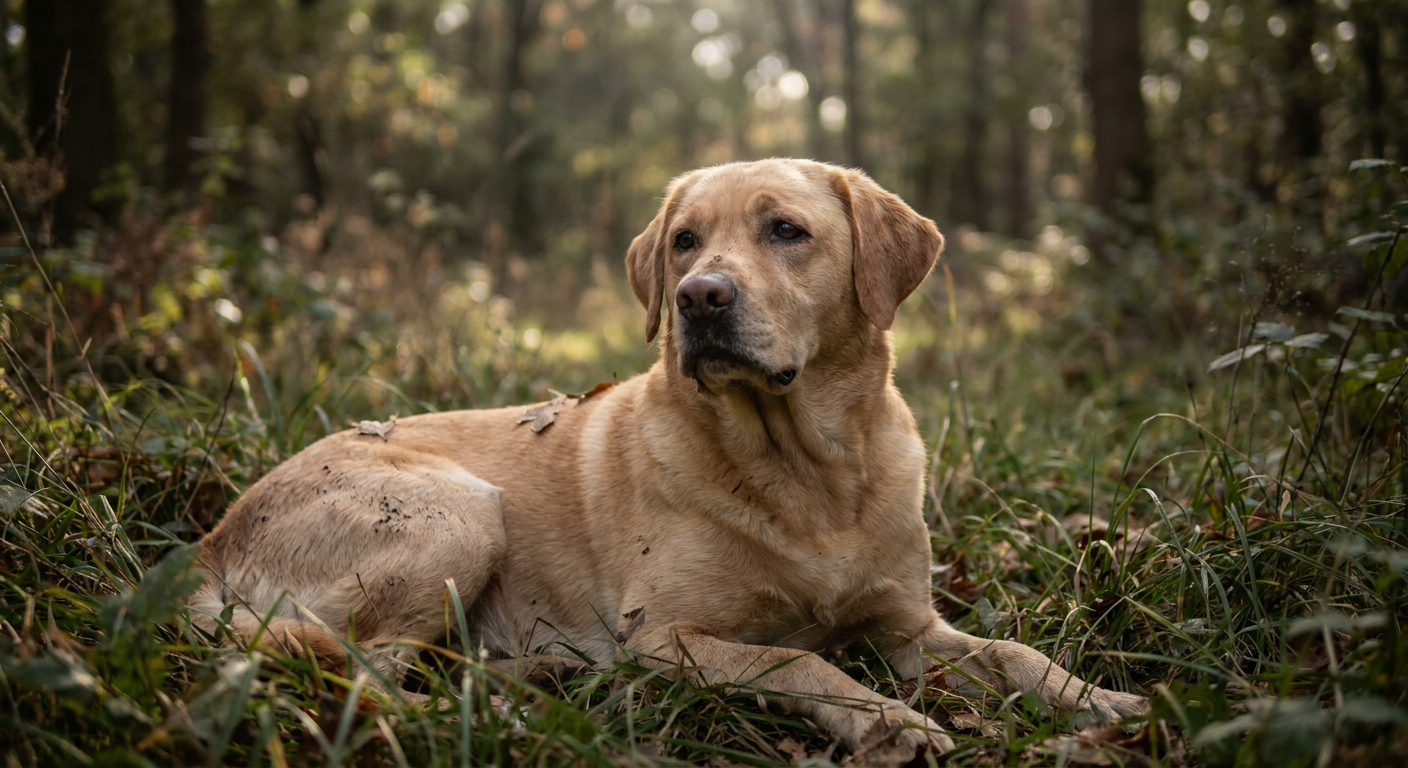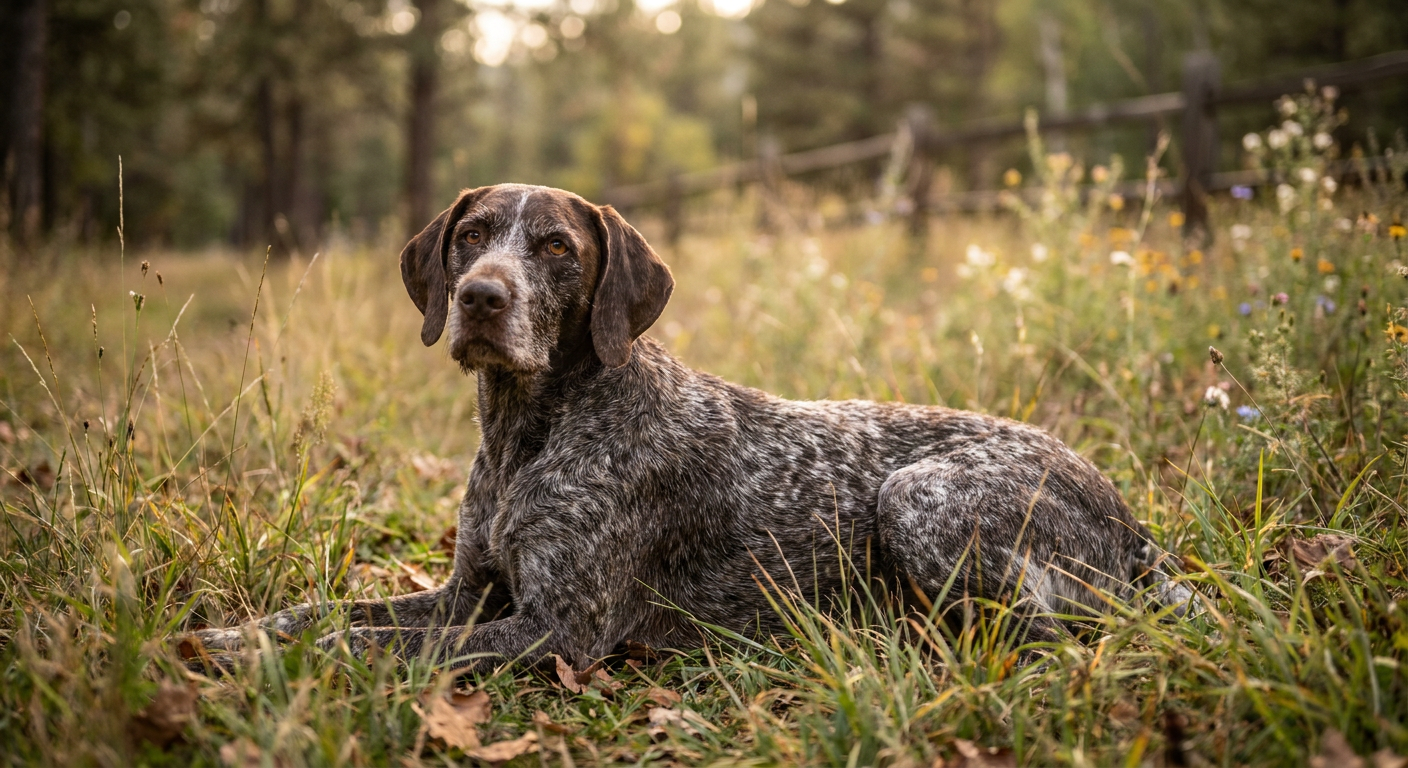
History & Origin
Developed in 19th-century Germany by crossing Spanish Pointers with local hunting dogs and English Pointers, the GSP was bred as a versatile 'one-dog hunting team' that could point, retrieve on land or water, and trail wounded game. AKC recognition came in 1930; today they're equally common in field-trial kennels and active suburban homes.
Temperament & Personality
Friendly, intensely loyal, eager to please. Excellent with family and other dogs but high prey drive means cats and small pets are usually a no-go. Velcro dogs that struggle with isolation.
Health Watchouts
Top conditions reported by AKC parent clubs, OFA, and the Merck Veterinary Manual. Discuss screening with your vet — especially before breeding or insuring.
Hip dysplasia
~5% (OFA)Malformation of hip joints leading to arthritis. Lower than many large breeds thanks to active screening.
Screening: OFA or PennHIP on breeding stock
Gastric dilatation-volvulus (bloat)
Elevated risk in deep-chested breedsLife-threatening twisting of the stomach. Surgical gastropexy is preventive.
Screening: Discuss prophylactic gastropexy with vet
Lymphedema
Hereditary in some linesDefective lymphatic drainage causing limb swelling.
Screening: Pedigree review; clinical exam
Von Willebrand disease
LowInherited bleeding disorder.
Screening: DNA test of breeding stock
Subaortic stenosis
OccasionalCongenital narrowing of aorta below the valve.
Screening: Cardiac auscultation and echo at 12 months
Exercise Needs
Plan on 90–120 minutes of vigorous daily activity — running, swimming, retrieve work, hiking. Two leashed walks will not be enough.
- Off-leash field running with recall practice
- Swimming and dock diving
- Hunt tests, field trials, agility
- Long trail hikes (after 18 months)
- Scent work and gun-dog training drills
Nutrition
Daily calories: Adult: 1,400–2,100 kcal/day depending on field work. Working dogs may need performance formulas.
Feed 2–3 measured meals daily; avoid one large meal due to bloat risk. Wait 60 minutes before/after vigorous exercise to feed.
Common allergens to watch: Chicken, Grain, Beef.
⚠ Lean working condition (4/9 BCS). Even a few extra pounds reduces field stamina and joint longevity.
Entertainment & Enrichment
GSPs are problem-solvers who need a job — bird work, scent puzzles or structured training daily.
- Daily 15-min trick-training sessions
- Snuffle mats and frozen Kongs
- Hide-and-seek scent games
- Joining a hunt-test or agility club
- Puzzle feeders to slow meals
Grooming & Coat Care
Weekly brush with a rubber curry to lift dead hair. Bathe every 6–8 weeks. Check long floppy ears weekly — dry thoroughly after swimming.
Training
Highly trainable but sensitive — harsh corrections backfire. Start positive-reinforcement classes by 10 weeks; prioritize recall, impulse control and crate training. Channel prey drive with structured games.
Cost of Ownership
Lifetime cost depends on size, lifespan, and health risks. Try our Lifetime Cost Calculator →
Cost band for German Shorthaired Pointer: medium.
How insurance, vet care & grooming connect for the German Shorthaired Pointer
These three costs move together. The German Shorthaired Pointer’s coat, energy, and breed-specific health watchouts shape each one — here’s how they line up.
Insurance band
Multiple breed-specific health watchouts
Vet service load
High activity raises orthopedic & injury visits
Grooming demand
Low-maintenance coat — monthly bath and brush
Estimated monthly spend (typical adult)
Insurance
$75
Routine vet
$50
Grooming
$45
Combined estimate
~$170/mo(±20%, US averages)
* Estimates derived from breed traits (coat, energy, health watchouts, lifespan). Actual costs vary by location, age, and provider.
Living Situation Fit
House with a fenced yard is strongly preferred. Apartment life only works with multiple hours of off-property exercise daily. Not suited to 9-to-5 absentee owners.
Choosing a Puppy
Buy from breeders who OFA-screen hips and elbows, do cardiac and eye exams, and DNA-test for vWD. Meet the dam and watch how she interacts with her litter. Field-line vs. show-line affects energy — be honest about your activity level.
Frequently Asked Questions
Are German Shorthaired Pointers good family dogs?
Yes — for active families. They're affectionate, gentle with children they're raised with, and patient. The catch is they need 90+ minutes of vigorous exercise daily and can be too rambunctious for toddlers without supervision.
How much exercise does a GSP need?
At least 90–120 minutes of vigorous activity daily, including off-leash running or swimming. A neighborhood walk doesn't satisfy this breed and under-exercised GSPs typically become destructive within weeks.
Do GSPs shed a lot?
They shed moderately year-round — less than a Lab but more than people expect. The coarse short hairs weave into fabrics. Weekly brushing helps.