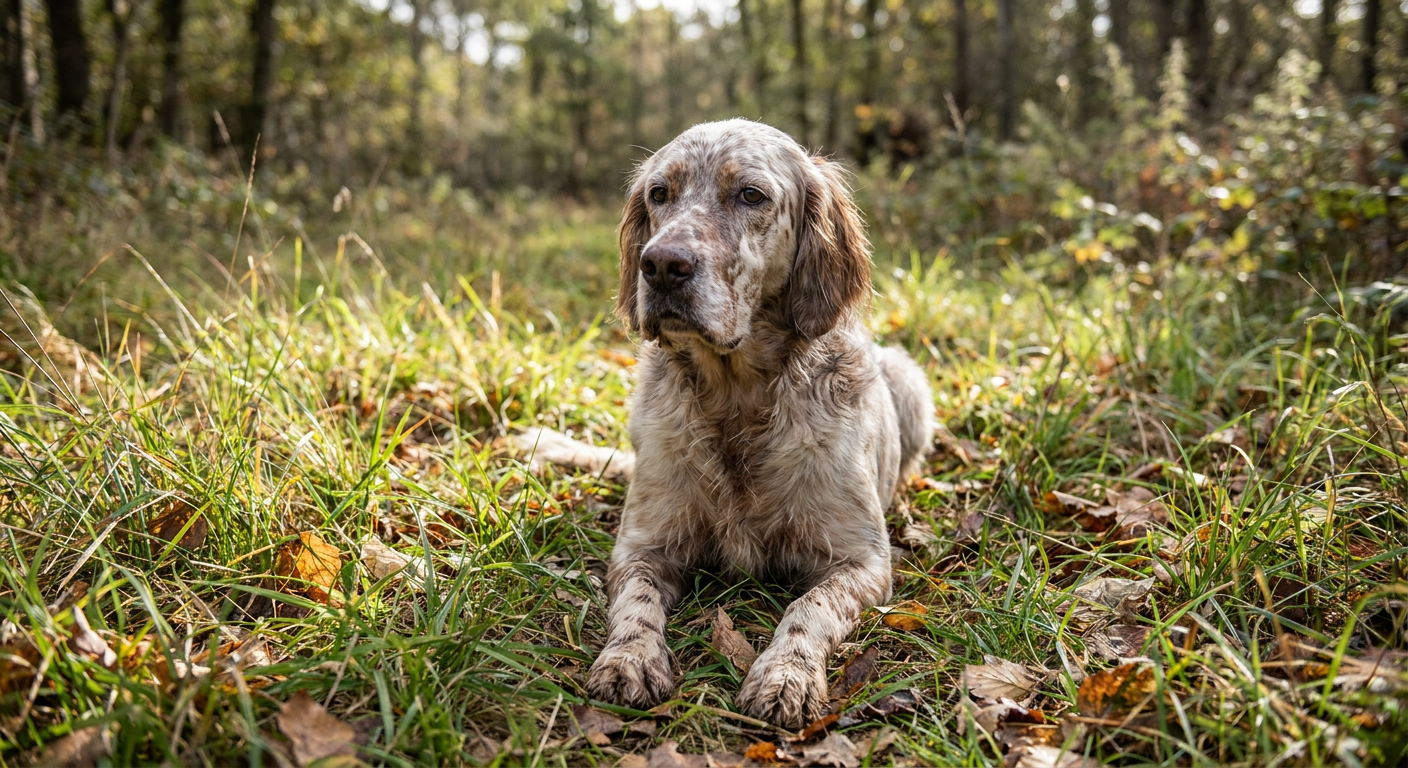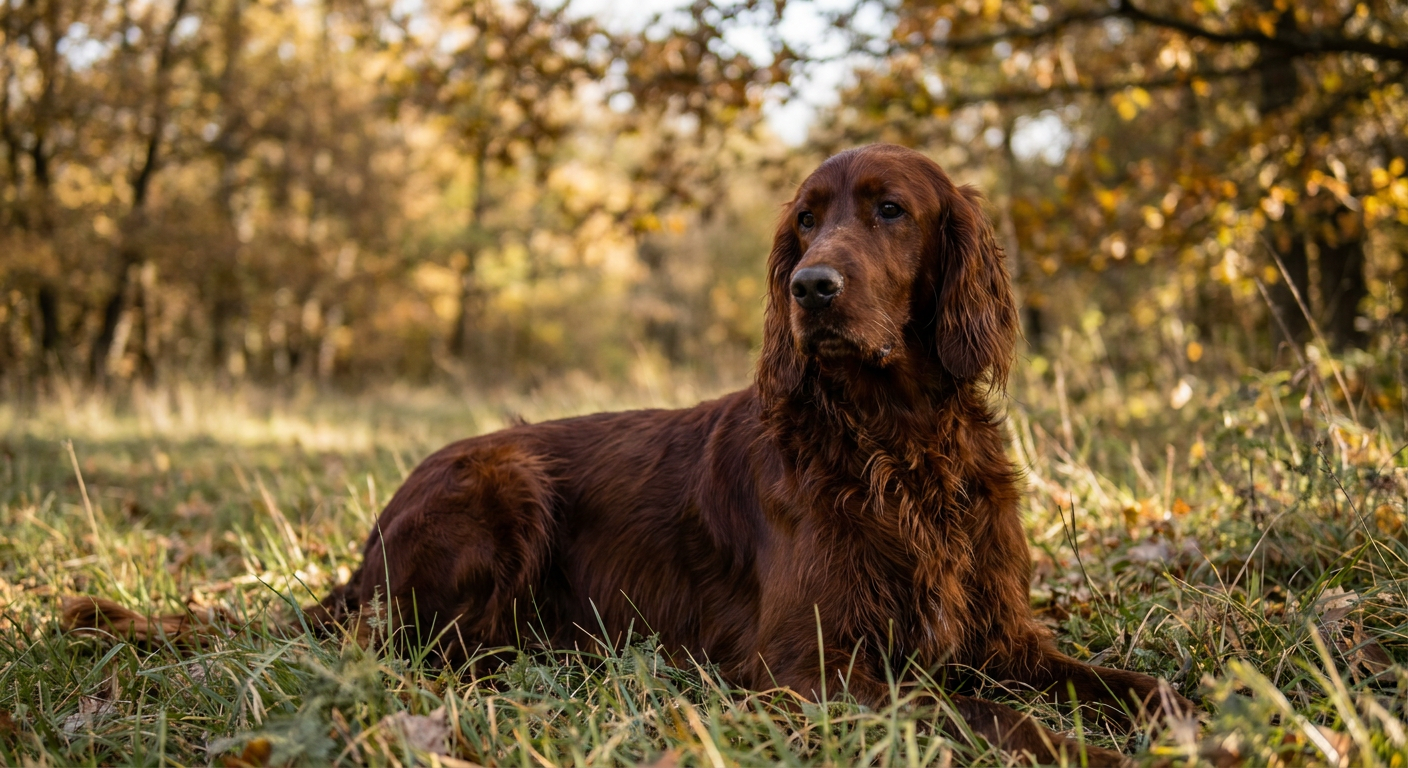
History & Origin
Developed in 18th-century Ireland from English Setter, Spaniel and Pointer crosses, originally in red-and-white. The solid red 'Irish' became the show standard by the 1800s. AKC recognition in 1878.
Temperament & Personality
Outgoing, playful, affectionate. Loves people and other dogs. Known as the 'class clown' of sporting breeds — slow to mature mentally, often goofy until 3.
Health Watchouts
Top conditions reported by AKC parent clubs, OFA, and the Merck Veterinary Manual. Discuss screening with your vet — especially before breeding or insuring.
Hip dysplasia
~10% (OFA)Joint malformation.
Screening: OFA hips on parents
Gastric dilatation-volvulus (bloat)
High-risk deep-chested breedStomach twisting requiring emergency surgery.
Screening: Discuss prophylactic gastropexy
Progressive retinal atrophy
HereditaryDegenerative eye disease leading to blindness.
Screening: DNA test (rcd1)
Hypothyroidism
Common in middle ageLow thyroid hormones.
Screening: Annual T4/TSH
Epilepsy
OccasionalInherited seizure disorder typically appearing 1–5 years.
Screening: No DNA test; pedigree review
Exercise Needs
60–120 minutes daily — long runs, swims, field work or dog-sport training.
- Off-leash running in fenced areas
- Swimming
- Agility, flyball, dock diving
- Long hikes
- Bird-dog field training
Nutrition
Daily calories: Adult: 1,500–2,100 kcal depending on activity.
Two measured meals; never one large meal (bloat risk). Avoid heavy exercise within 60 minutes of meals.
Common allergens to watch: Chicken, Wheat.
⚠ Lean BCS 4–5/9 protects joints and reduces bloat risk.
Entertainment & Enrichment
Mental work tames the goofy side — they need both body and brain engaged.
- Trick-training sessions
- Scent games
- Puzzle feeders
- Group obedience classes
- Doggy playdates
Grooming & Coat Care
Brush 2–3× weekly with a slicker plus a steel comb on feathering. Trim feet, ears, tail every 6–8 weeks. Bathe every 4–6 weeks. Clean ears weekly.
Training
Positive reinforcement only. Short fun sessions. Setters mature slowly — be patient. Excellent recall is non-negotiable before any off-leash work.
Cost of Ownership
Lifetime cost depends on size, lifespan, and health risks. Try our Lifetime Cost Calculator →
Cost band for Irish Setter: medium.
How insurance, vet care & grooming connect for the Irish Setter
These three costs move together. The Irish Setter’s coat, energy, and breed-specific health watchouts shape each one — here’s how they line up.
Insurance band
Common hereditary conditions raise claim odds
Vet service load
High activity raises orthopedic & injury visits
Grooming demand
Long coat tangles without weekly grooming
Estimated monthly spend (typical adult)
Insurance
$75
Routine vet
$50
Grooming
$60
Combined estimate
~$185/mo(±20%, US averages)
* Estimates derived from breed traits (coat, energy, health watchouts, lifespan). Actual costs vary by location, age, and provider.
Living Situation Fit
Suburban/rural with a yard ideal. Apartments possible only with multiple long daily outings. They thrive on company; do not leave alone all day.
Choosing a Puppy
OFA hips and elbows, CERF eyes, thyroid panel, DNA test for PRA-rcd1. Meet the dam. Field-line dogs are leaner and higher-drive than show lines.
Frequently Asked Questions
Are Irish Setters good with kids?
Excellent with children of all ages — gentle, playful and patient. Their boisterous energy means toddlers should be supervised to avoid being bowled over.
How much grooming do Irish Setters need?
Plan on 20–30 minutes 2–3 times a week of brushing plus monthly trimming. The silky red coat mats easily behind ears and on feathering.
Are Irish Setters easy to train?
They're intelligent but easily distracted and slow to mature. Expect 'puppy brain' until age 2–3. Consistent positive training from puppyhood pays off.