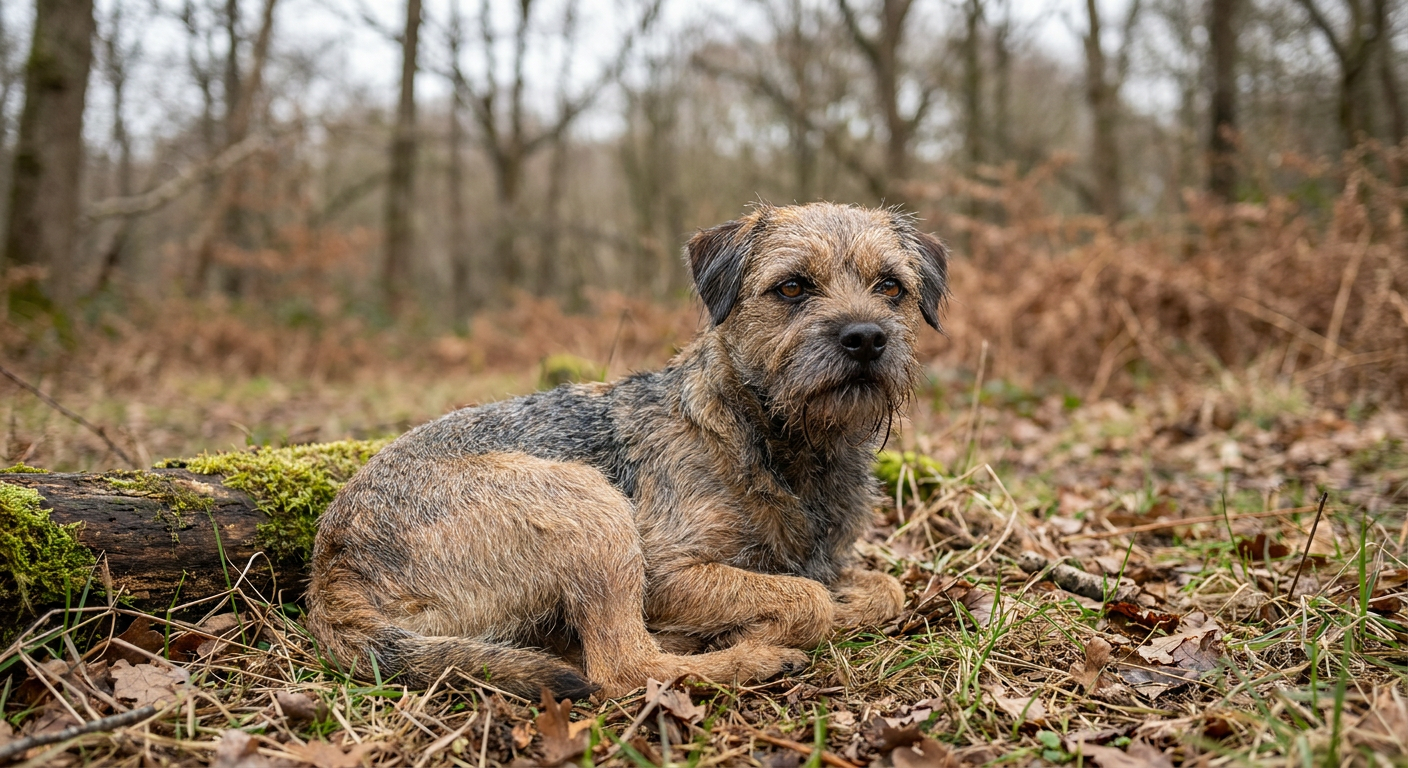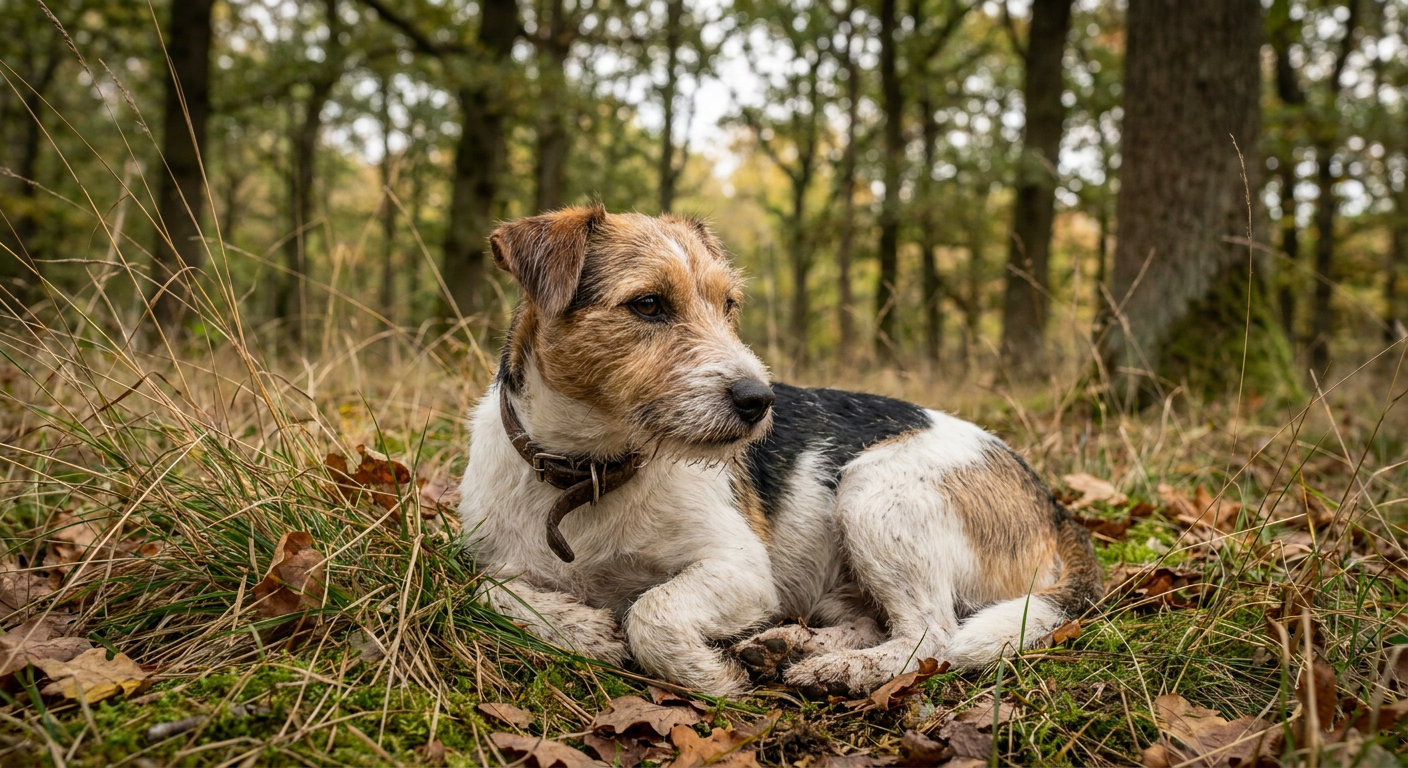
History & Origin
Developed by Reverend John Russell in 19th-century England for fox hunting. AKC recognized the related Russell Terrier in 2012; the Jack Russell Terrier remains primarily a working breed registered with the JRTCA, which prioritizes function over conformation.
Temperament & Personality
Bold, fearless, athletic. Highly intelligent. Strong prey drive. Often dog-aggressive without socialization.
Health Watchouts
Top conditions reported by AKC parent clubs, OFA, and the Merck Veterinary Manual. Discuss screening with your vet — especially before breeding or insuring.
Patellar luxation
~10%Kneecap dislocation.
Screening: Vet orthopedic exam
Lens luxation
HereditaryEye lens displacement causing glaucoma.
Screening: DNA test
Deafness
Linked to white coatCongenital deafness.
Screening: BAER test puppies
Legg-Calvé-Perthes
NotableHip joint deterioration in young dogs.
Screening: Vet exam if limping young
Ataxia
HereditaryNeurological disease.
Screening: DNA test where available
Exercise Needs
60–90 minutes of vigorous daily exercise plus mental work.
- Vigorous fetch
- Agility, flyball
- Earth-dog trials
- Long walks
- Tug games
Nutrition
Daily calories: Adult: 450–650 kcal.
Two meals daily.
Common allergens to watch: Chicken, Wheat.
⚠ Easy keepers; measure all food.
Entertainment & Enrichment
Among the busiest brains in dogdom.
- Agility
- Earth-dog
- Trick training
- Tug
- Puzzle feeders
Grooming & Coat Care
Brush weekly. Smooth coats need minimal grooming; rough coats need hand-stripping every 8–12 weeks.
Training
Highly trainable but stubborn. Positive reinforcement with firm consistency. Channel prey drive into sports.
Cost of Ownership
Lifetime cost depends on size, lifespan, and health risks. Try our Lifetime Cost Calculator →
Cost band for Jack Russell Terrier: low.
How insurance, vet care & grooming connect for the Jack Russell Terrier
These three costs move together. The Jack Russell Terrier’s coat, energy, and breed-specific health watchouts shape each one — here’s how they line up.
Insurance band
Multiple breed-specific health watchouts
Vet service load
High activity raises orthopedic & injury visits
Grooming demand
Double coat sheds seasonally — frequent brushing
Estimated monthly spend (typical adult)
Insurance
$50
Routine vet
$50
Grooming
$60
Combined estimate
~$160/mo(±20%, US averages)
* Estimates derived from breed traits (coat, energy, health watchouts, lifespan). Actual costs vary by location, age, and provider.
Living Situation Fit
House with secure fenced yard preferred — JRTs dig and jump high. Apartment-possible only with serious daily exercise commitment.
Choosing a Puppy
BAER hearing, eye CERF, DNA for lens luxation, OFA patellas. Meet both parents.
Frequently Asked Questions
Are Jack Russell Terriers good family pets?
For active, experienced families with older children, yes. They're not ideal for households with toddlers, small pets, or owners who want a calm dog.
How much exercise does a Jack Russell need?
At least 60–90 minutes of vigorous daily exercise plus mental work. A walk around the block doesn't satisfy this breed.
Are Jack Russells good with cats?
Generally no — their prey drive is intense. JRTs raised with cats from puppyhood may tolerate them, but small pets are usually unsafe.