Terrier Group
Terriers — from the wee Yorkshire and Cairn to the robust Bull and Airedale — share a 'go ahead, just try me' personality. They were bred to dispatch rats, badgers and foxes solo, which baked in confidence, prey drive, and an independent streak that can frustrate first-time trainers.
Common Traits at a Glance
- energy
- High (4/5)
- exercise
- 45–90 min/day
- trainability
- Good but strong-willed
- kid Friendly
- Variable — better with older kids
- shedding
- Often low (wire coats)
History & Origin
The word 'terrier' comes from the Latin *terra* (earth) — these dogs were bred to 'go to ground.' British farmers and aristocrats developed dozens of regional types in the 18th and 19th centuries; many still carry the names of their home counties (Yorkshire, Norfolk, Border, Welsh).
Is a Terrier dog right for you?
Great fit if you…
- •Big personality in a small package
- •Many shed minimally
- •Tireless and fun-loving
Maybe not if you…
- •Strong prey drive — small pets at risk
- •Stubborn during training
- •Often bark and dig
Flagship breeds in this group
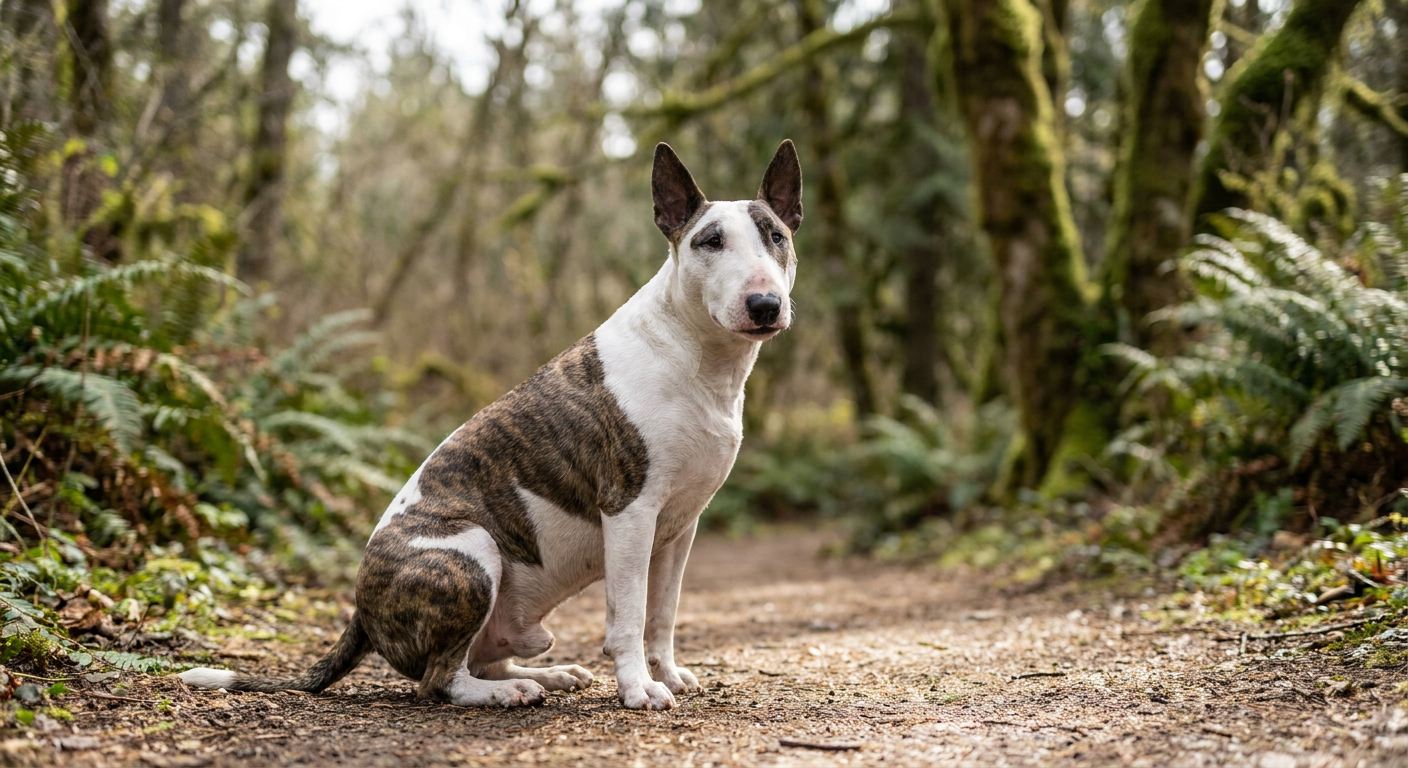
Bull Terrier
The Bull Terrier is a comical, muscular clown defined by its unique egg-shaped head and deep loyalty. While playful and charming with family, they possess a powerful prey drive and stubborn terrier will. This is not a breed for a novice owner. They require extensive, early socialization and consistent training to manage potential dog-aggression and prevent destructive behaviors.
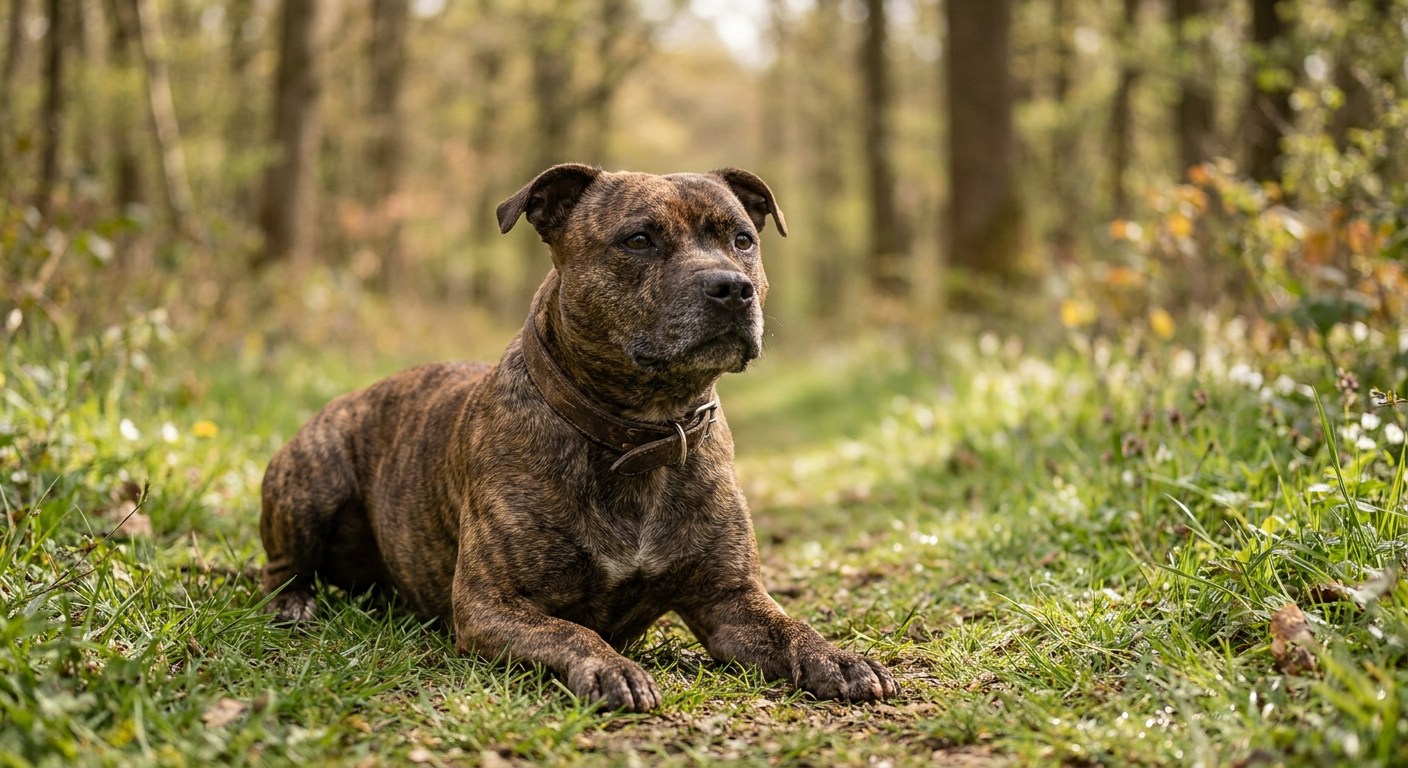
Staffordshire Bull Terrier
Affectionately called the "nanny dog," the Staffordshire Bull Terrier is a loving, playful, and courageous family companion. Their muscular build requires significant daily exercise (60-90 min) and a strong commitment to early socialization and training is non-negotiable. While loyal and gentle with family, their terrier heritage can mean a high prey drive and potential dog-selectivity. Not for a novice owner.
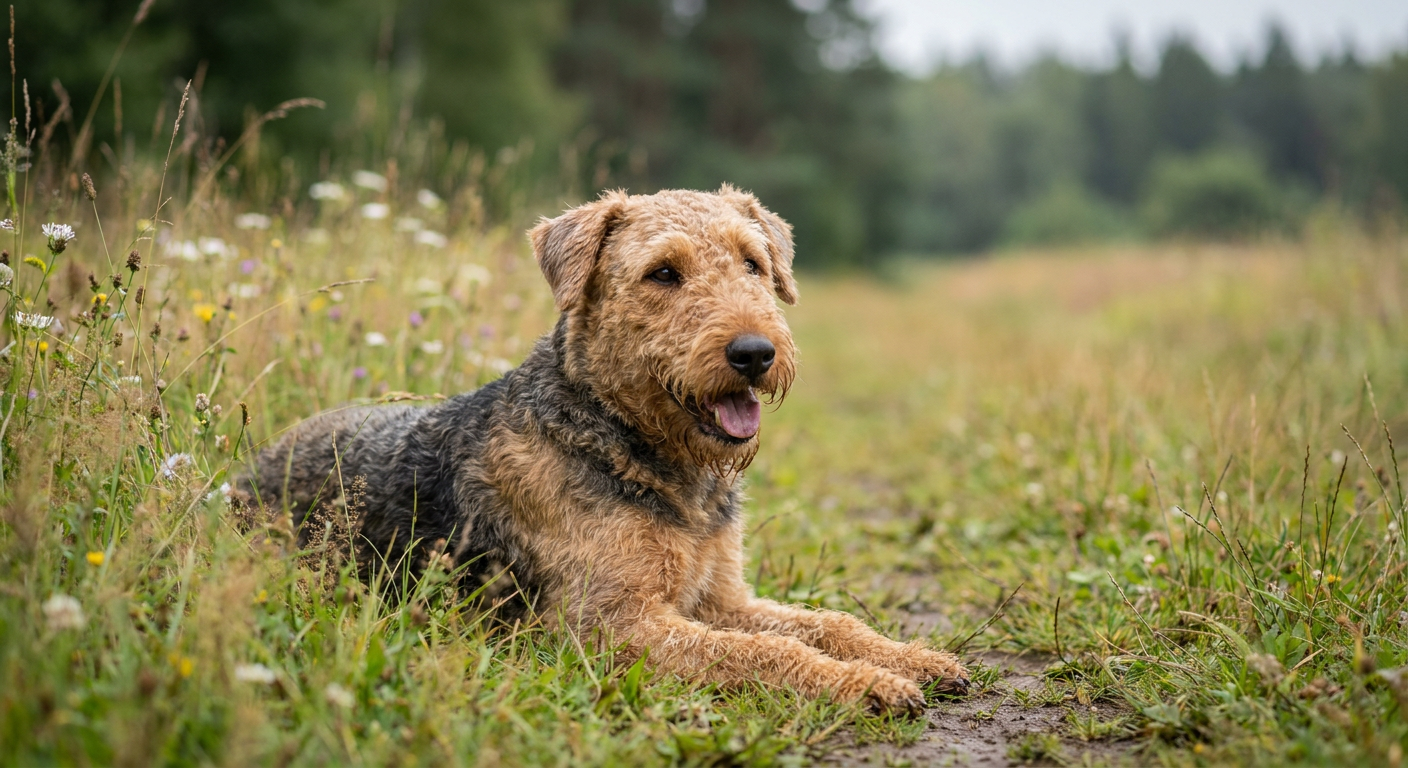
Airedale Terrier
The “King of Terriers,” the Airedale is a bold, intelligent, and high-energy breed. They are loyal and protective but possess a stubborn streak that requires experienced handling. With non-negotiable needs for vigorous daily exercise and consistent training, they are a poor fit for novice owners or apartment living, thriving instead with an active, dedicated family.
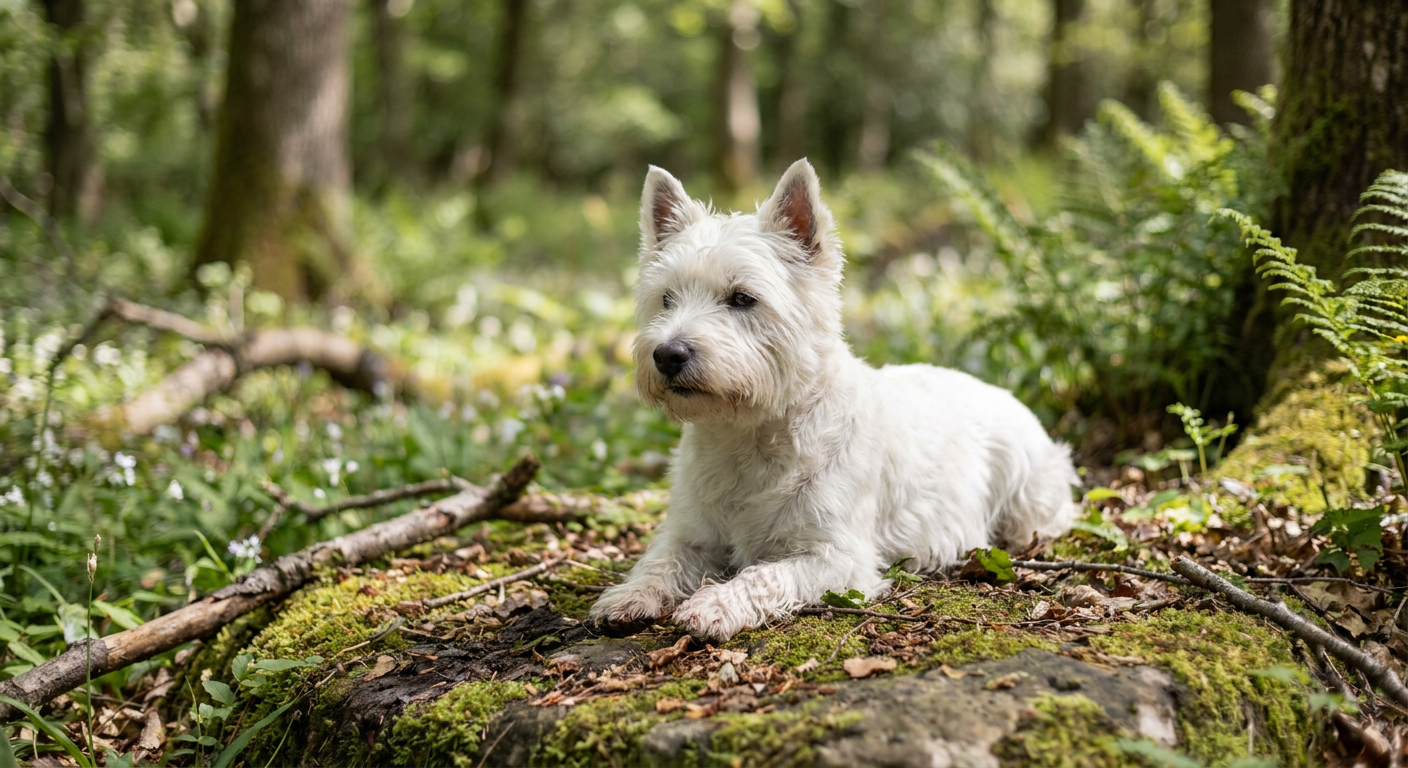
West Highland White Terrier
The West Highland White Terrier is a spunky, confident, and charming companion with a classic terrier spirit. While small and adaptable to apartment living, they require daily walks and securely fenced yards. Owners must be prepared for their independent streak, vocal nature, and a high potential for chronic skin allergies, which can require significant veterinary care and expense.
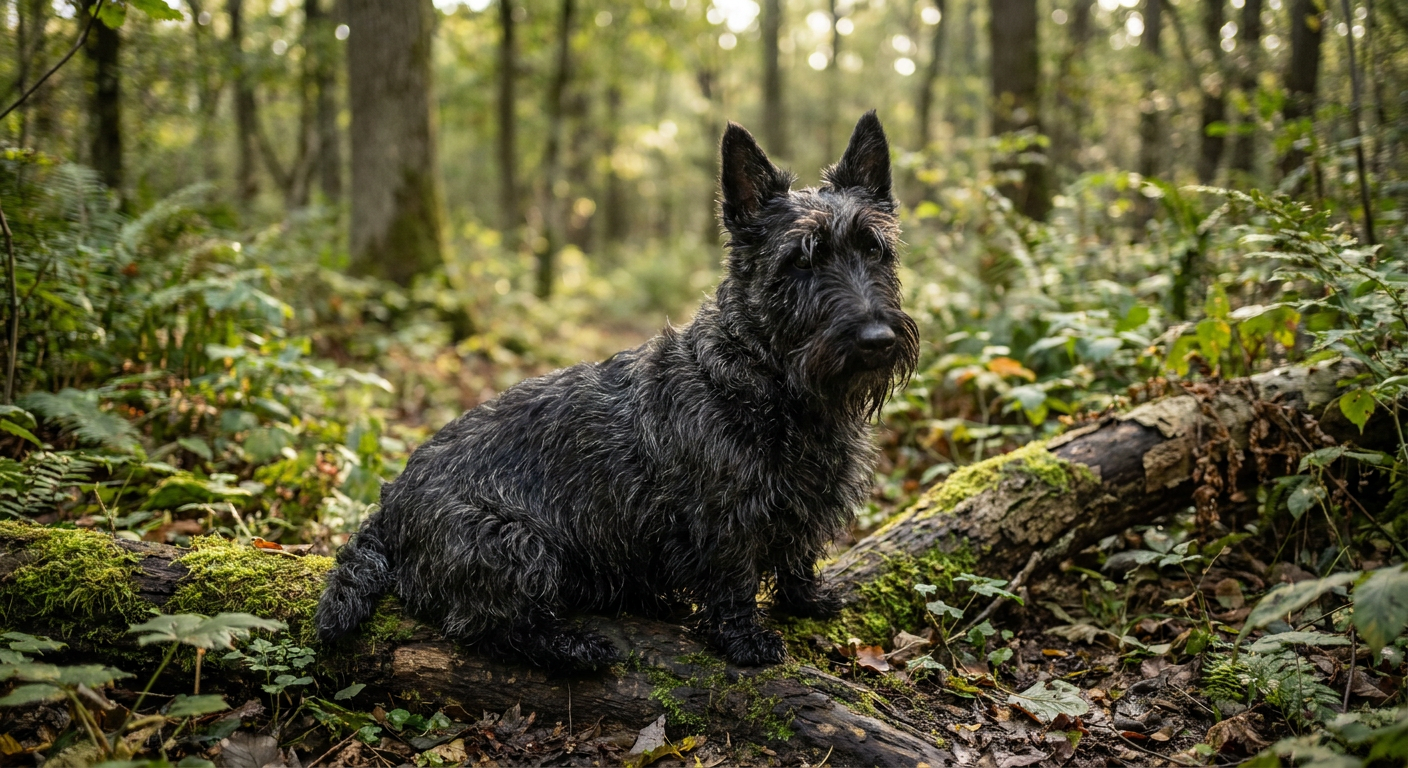
Scottish Terrier
The Scottish Terrier is a proud, independent, and spirited dog with a classic terrier personality. Loyal to family but reserved with strangers, they require a confident owner who can handle their stubborn streak. Moderate exercise needs are offset by high grooming requirements for their wiry coat. Prone to specific, serious health issues, they are best for experienced owners.
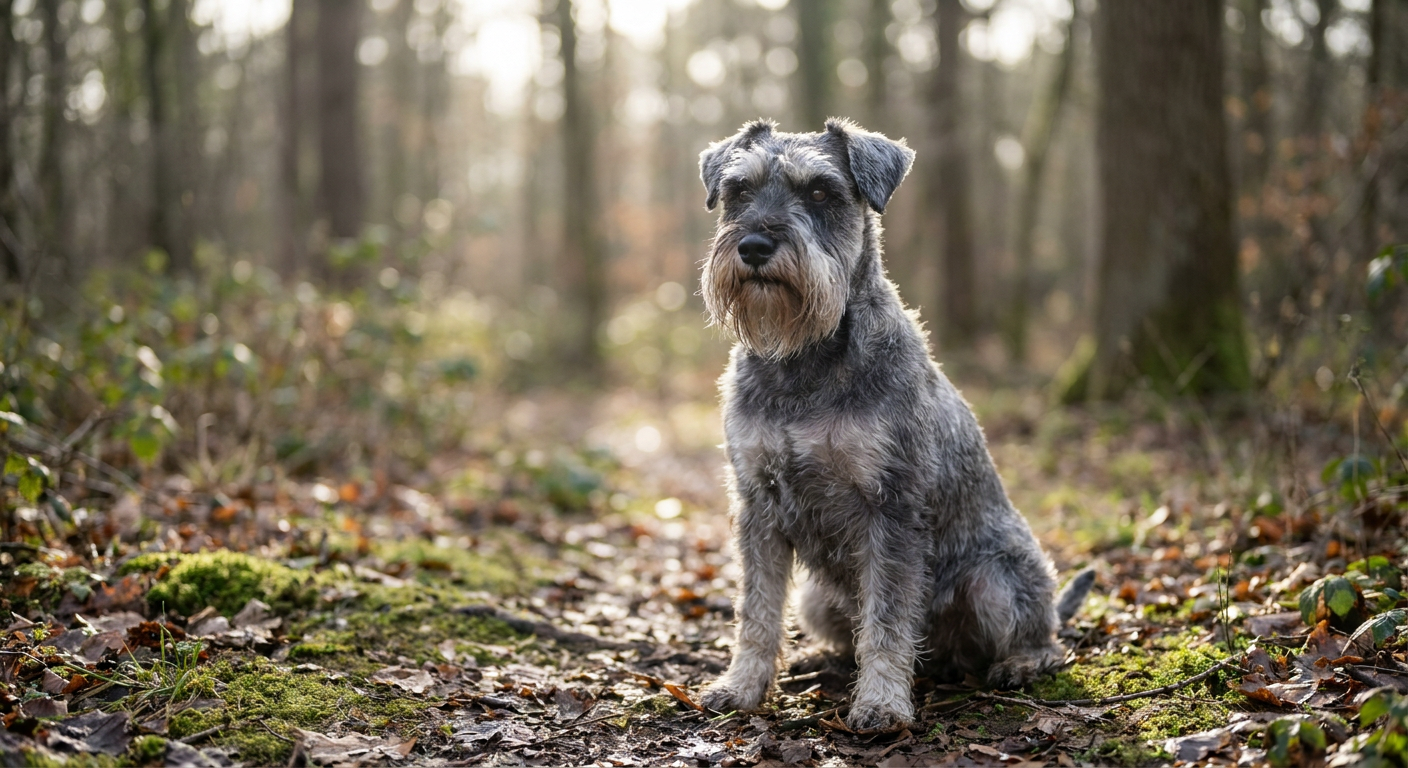
Miniature Schnauzer
A lively, intelligent small terrier with that signature bearded face — the most popular Schnauzer worldwide. Mini Schnauzers are spunky, alert family dogs that adapt well to apartments. They shed minimally but require professional grooming every 6–8 weeks. Watch for pancreatitis from fatty foods.
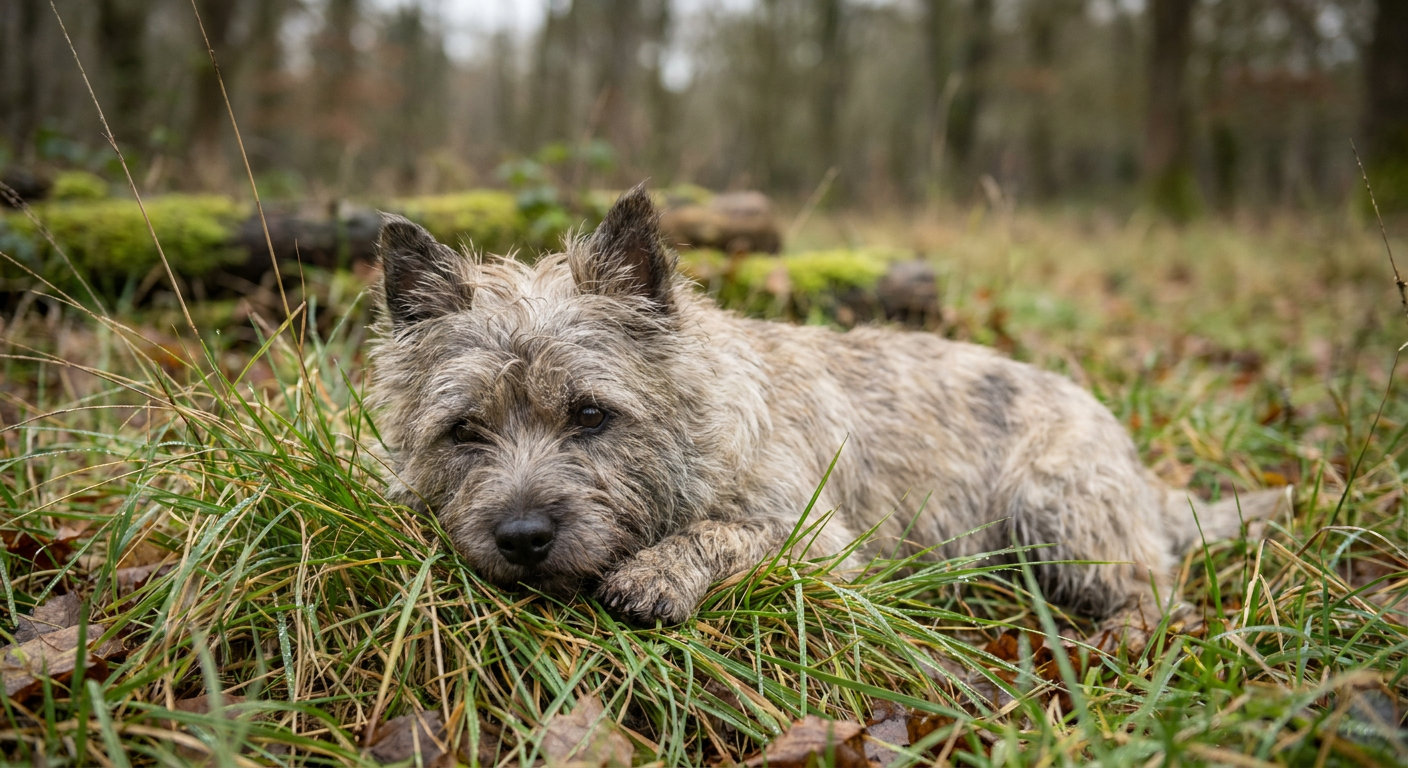
Cairn Terrier
The original 'Toto' from The Wizard of Oz — a hardy, no-nonsense Scottish working terrier. Cairns are alert, busy, and tougher than they look. They make excellent family dogs for active homes that can manage their prey drive, daily exercise needs, and minimal-but-regular grooming.
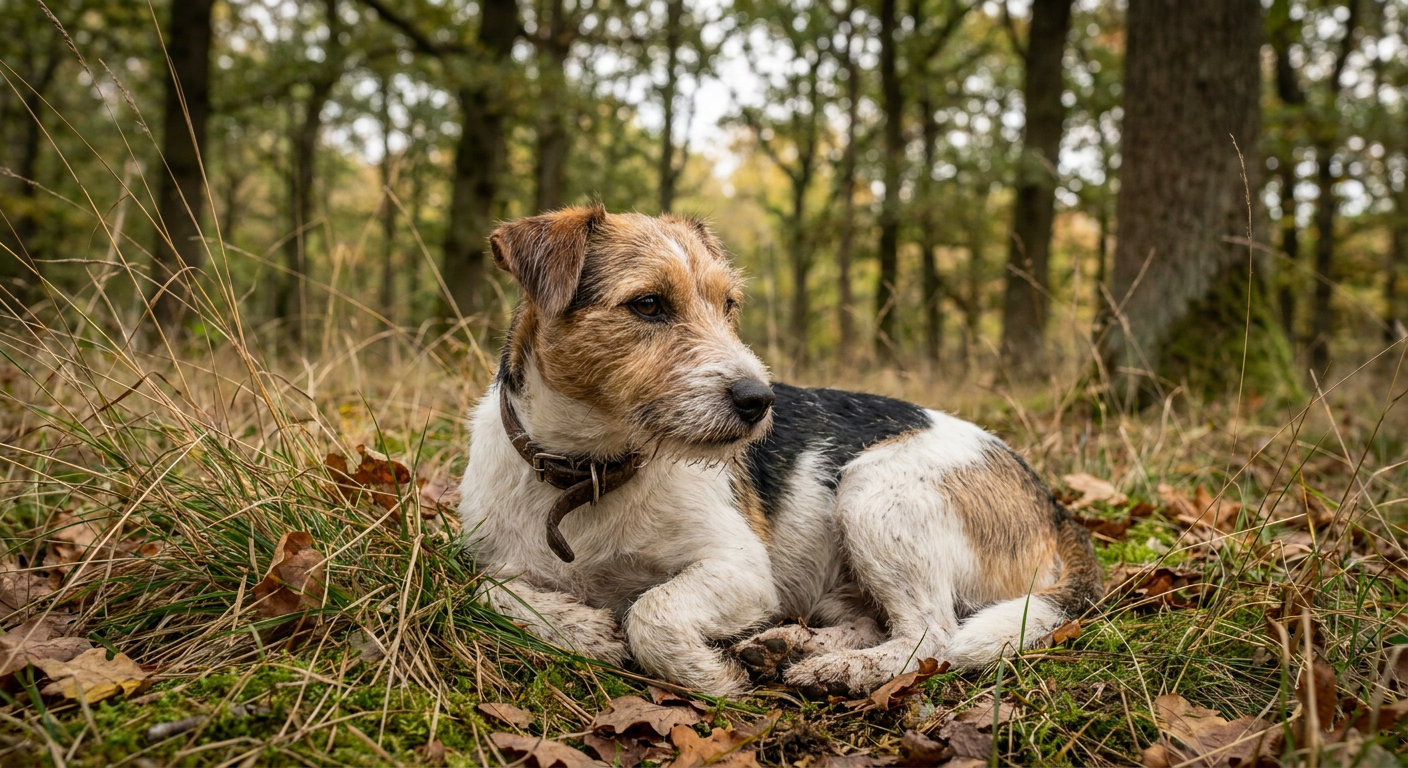
Jack Russell Terrier
A small terrier with the energy of a dog three times its size. Jack Russells are intelligent, athletic, and intensely driven — bred to hunt fox underground. They need 60+ minutes of vigorous exercise daily and serious mental work, or they invent destructive jobs. Not a casual lap dog.
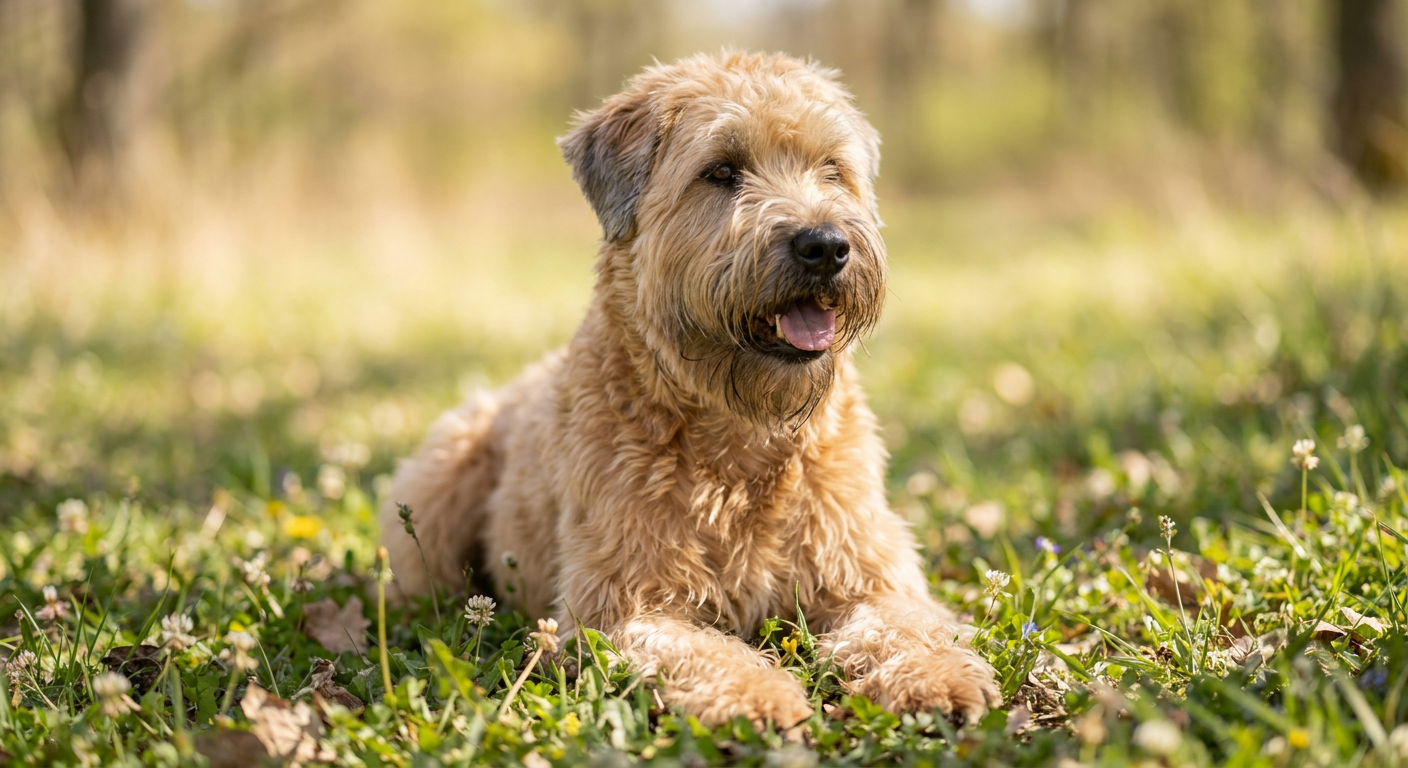
Soft-Coated Wheaten Terrier
An Irish farm terrier with a uniquely soft, silky coat (no wire here). Wheatens are friendly, exuberant, and less feisty than most terriers — known for the 'Wheaten greeten' jumping welcome. They need daily grooming to prevent matting and 60 minutes of exercise. Watch for protein-losing diseases.
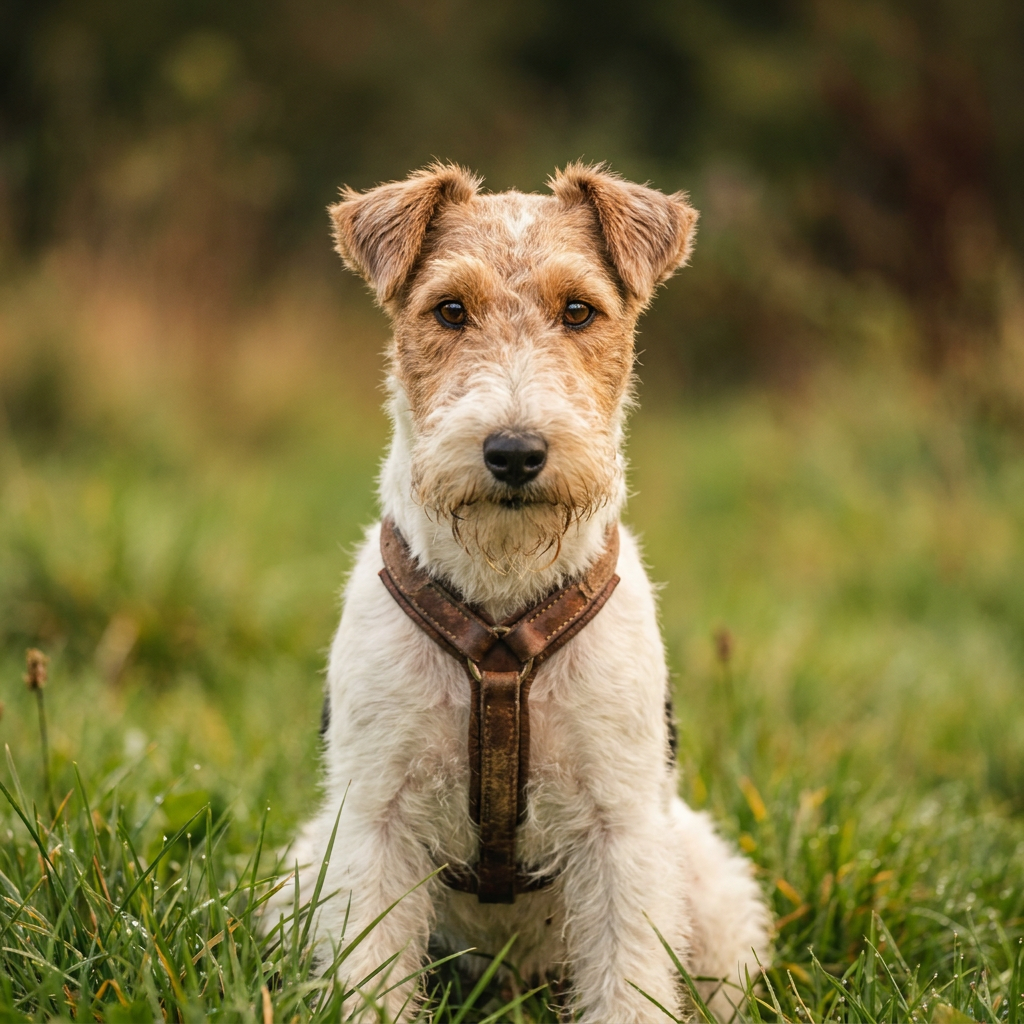
Wire Fox Terrier
The classic British fox terrier with a crisp white wire coat — alert, lively and confident. Wire Fox Terriers are intelligent and full of mischief, with high prey drive and energy. They need 60 minutes of daily exercise, weekly grooming with periodic hand-stripping, and firm training to channel their independent streak.
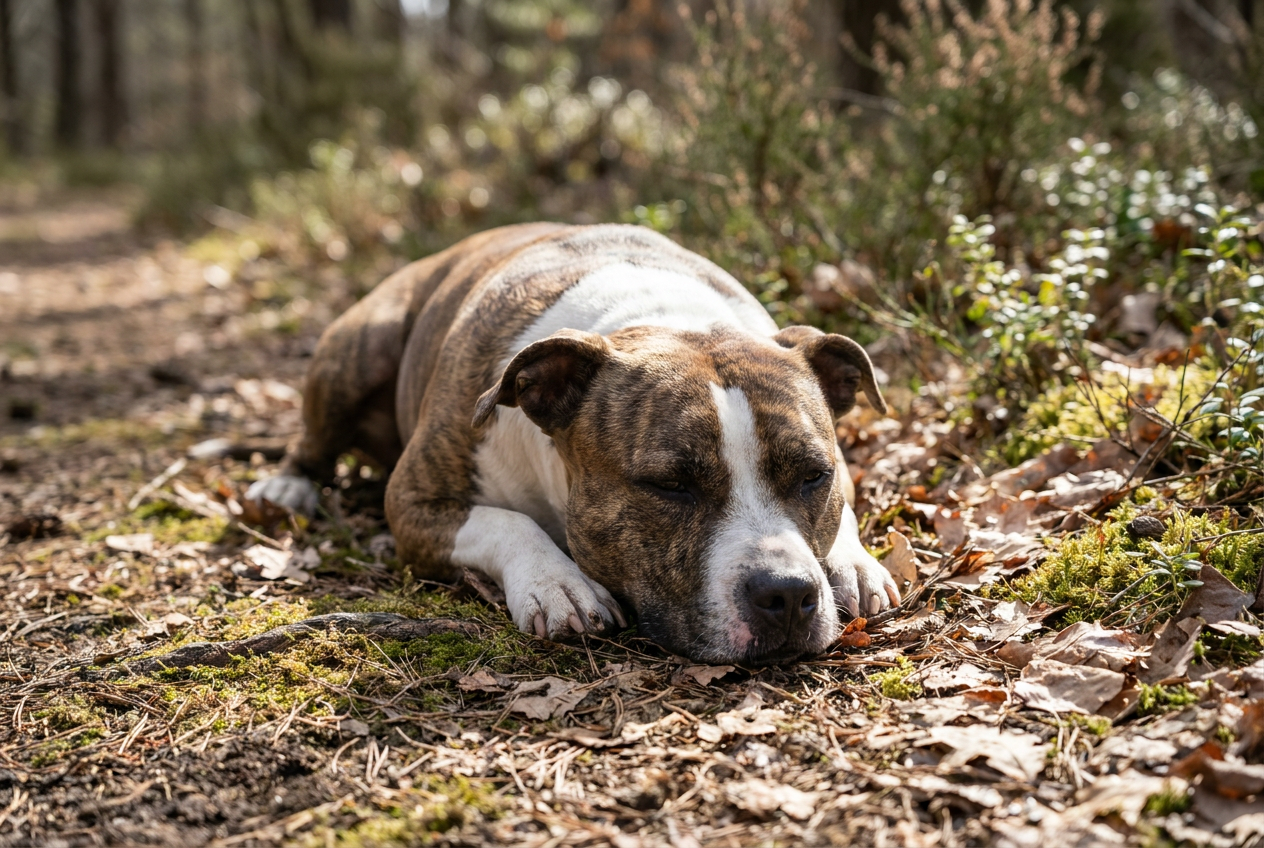
American Staffordshire Terrier
A powerful and muscular terrier known for its extreme loyalty and courageous nature. Despite their history, modern AmStaffs are affectionate family protectors who require substantial physical exercise and firm, positive-reinforcement training. They are prone to skin issues and joint problems, necessitating regular veterinary oversight. Ideal for active owners who understand breed-specific socialization needs.
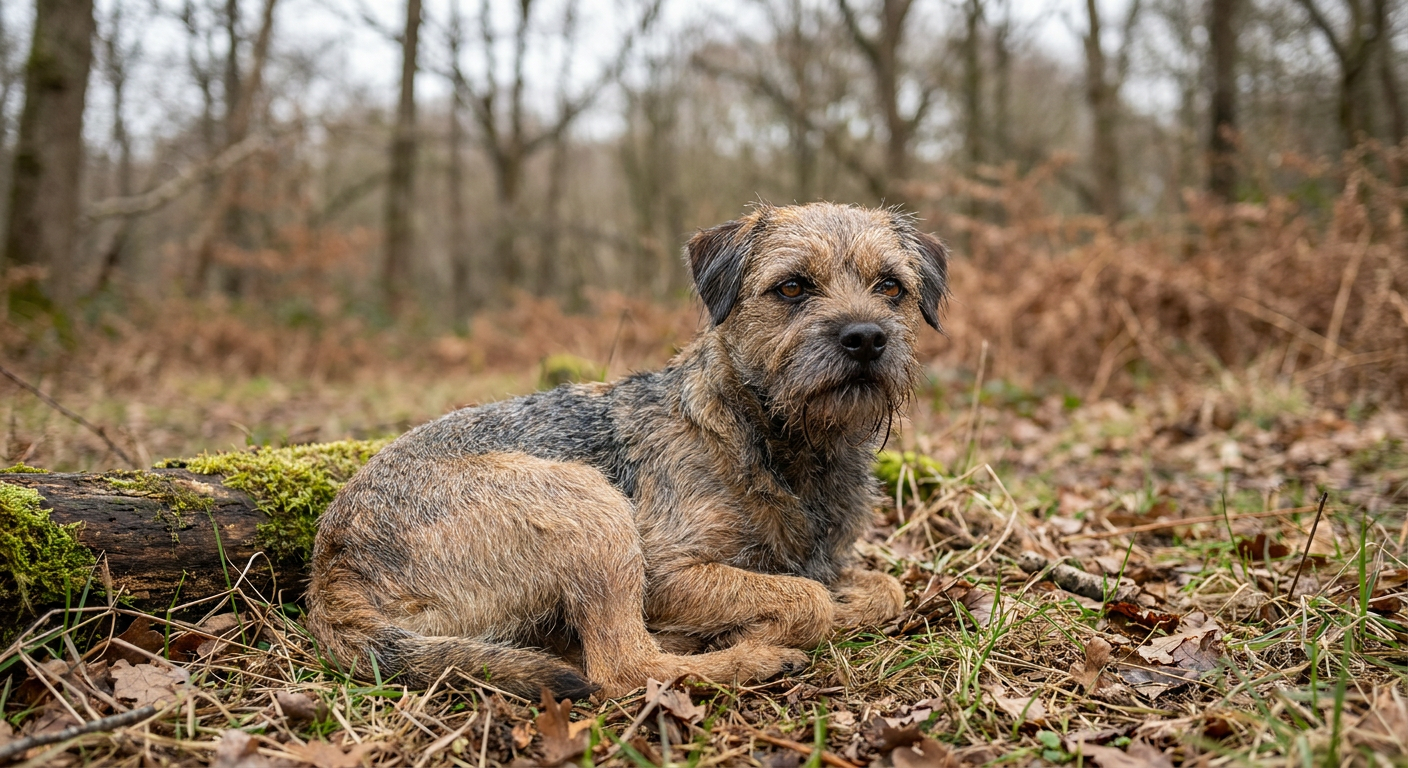
Border Terrier
A sturdy, medium-energy terrier known for its unique otter-like head and wiry coat. Bred for stamina and the ability to work in the field, they are more even-tempered than many cousins but remain tenacious hunters. They are excellent family pets for active owners who can manage their high prey drive and need for secure containment.
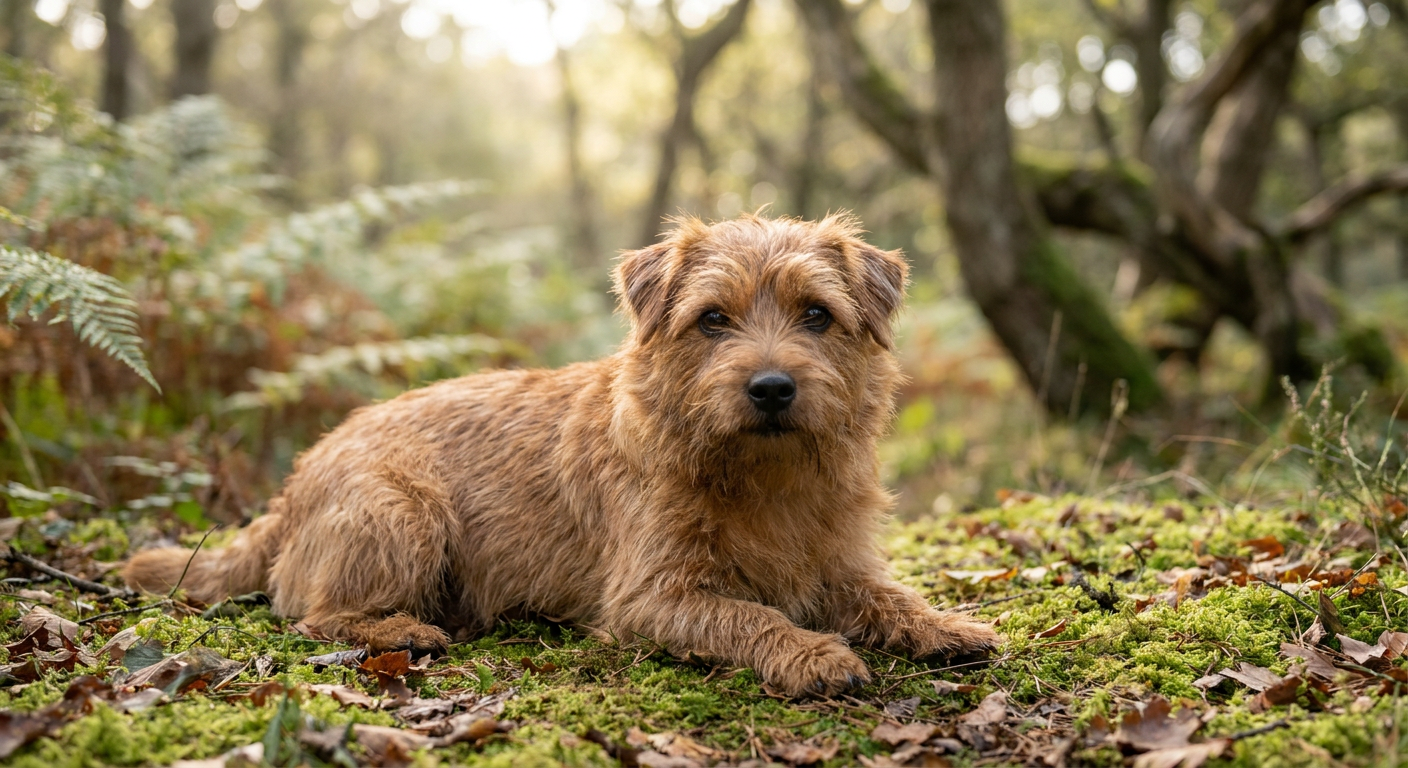
Norfolk Terrier
A hardy, wire-coated earthdog, the Norfolk is the smallest of the working terriers. Distinct from the Norwich by its dropped ears, this breed is characterized by a compact, sturdy build and a social, affectionate disposition. Though small, they are courageous and high-energy, requiring consistent mental and physical engagement to satisfy their ancestral hunting instincts.
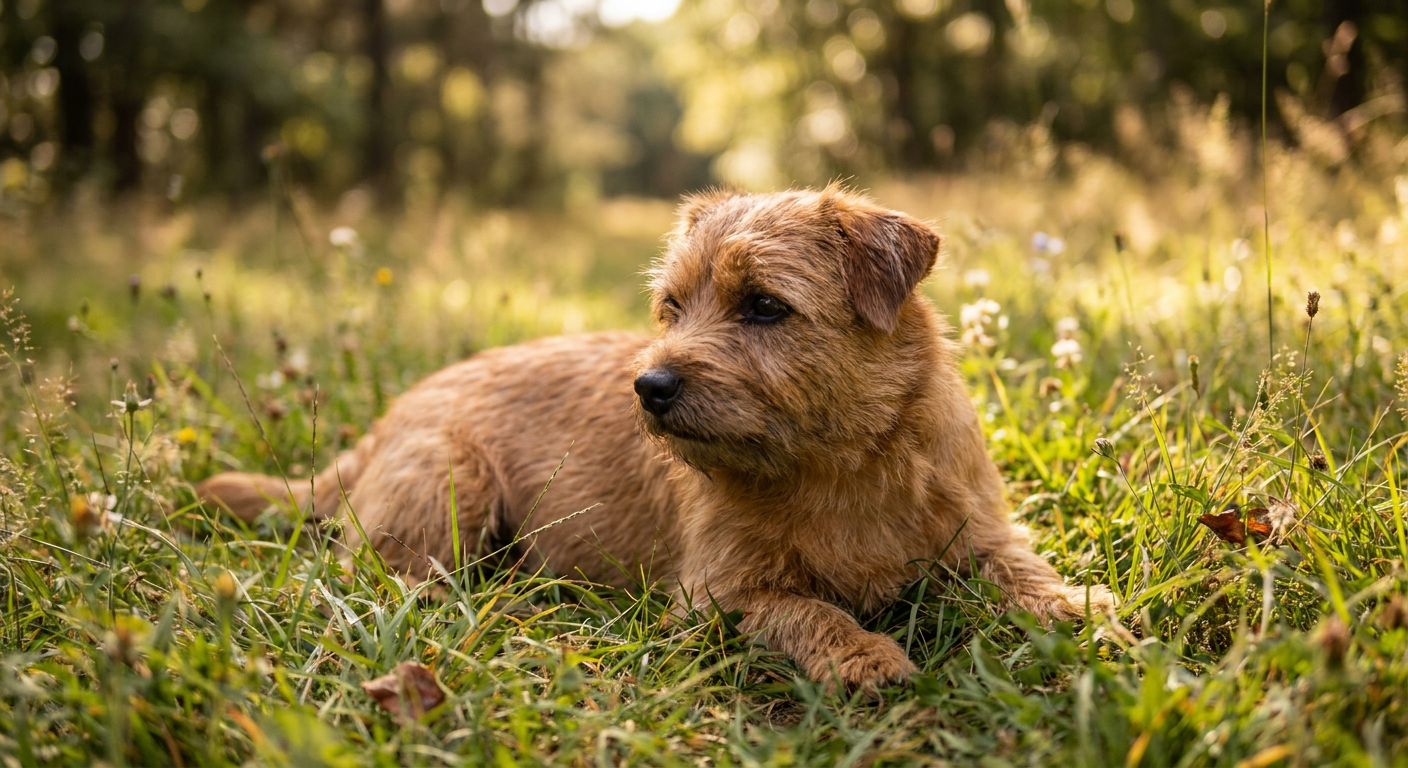
Norwich Terrier
Among the smallest of the working terriers, this breed is distinguished by its upright ears and weather-resistant wiry coat. Though diminutive, they are sturdy, spirited, and surprisingly social. They are active companions that require mental engagement and regular grooming. Owners must monitor for breed-specific respiratory issues and maintain a healthy weight to ensure longevity.
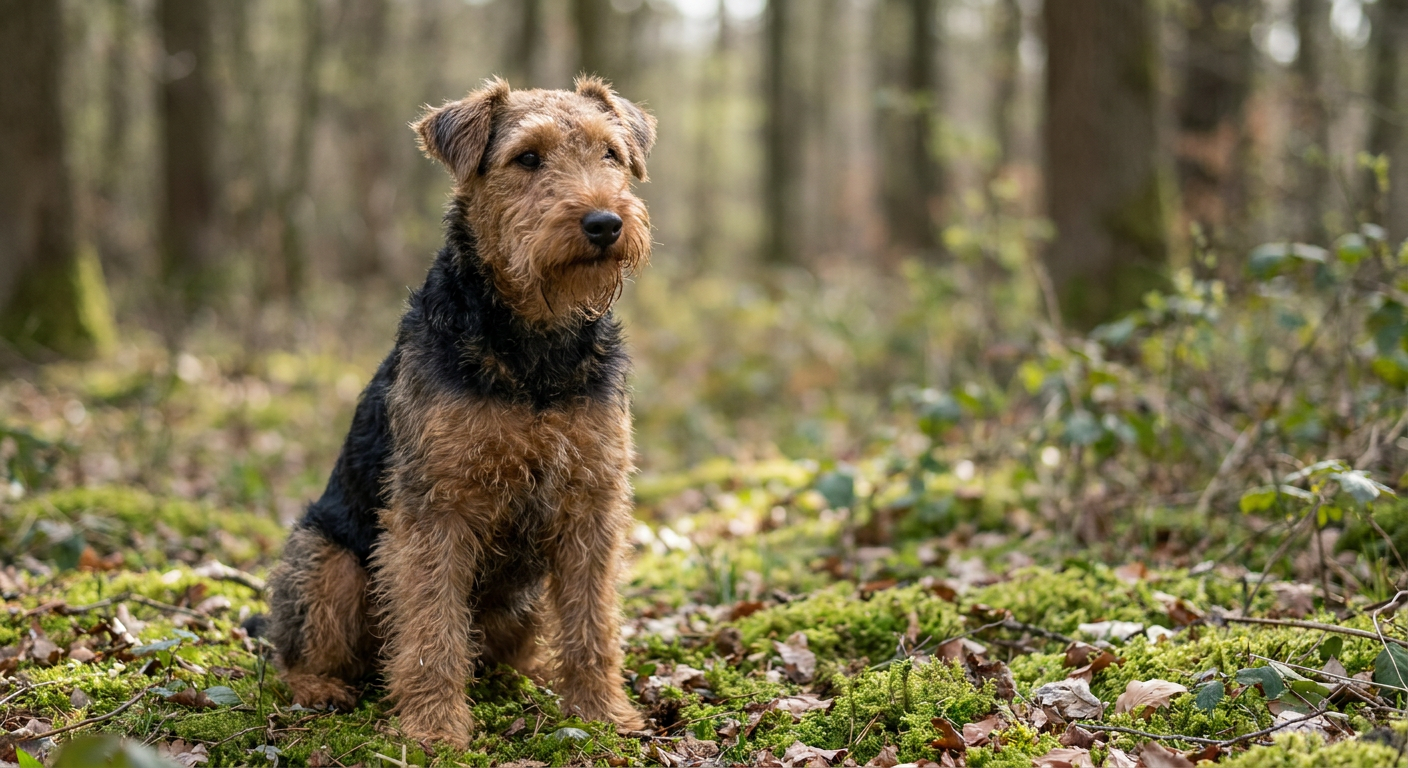
Welsh Terrier
A sturdy, medium-sized terrier known for its distinctive black-and-tan wiry coat and rectangular silhouette. Originally bred for hunting vermin and larger quarry, these dogs are energetic, bold, and highly intelligent. They are excellent companions for active families but require consistent training and regular professional grooming to manage their coat and independent nature.
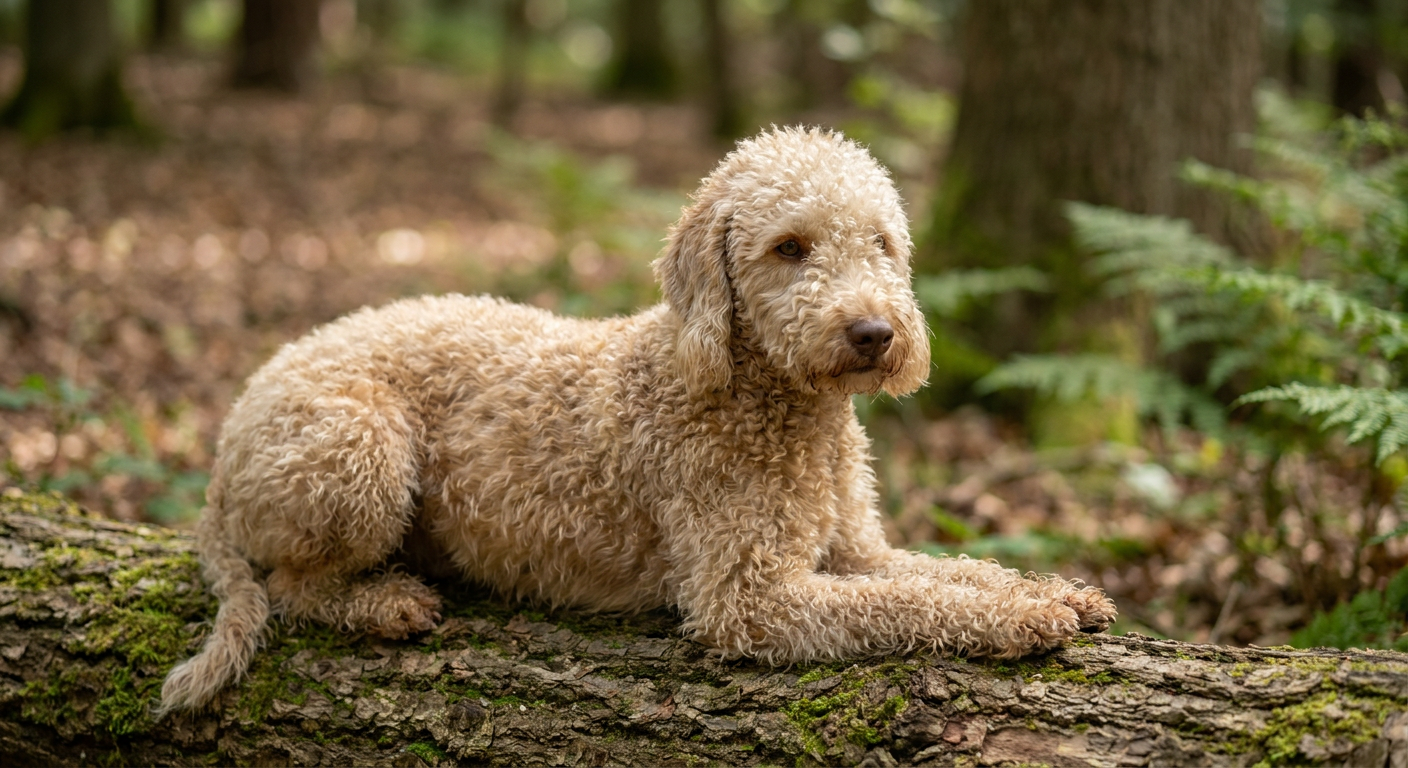
Bedlington Terrier
A graceful, pear-shaped terrier known for its arched back and linty coat. Despite its lamb-like appearance, it is a fast, hardy athlete with sighthound-like speed and traditional terrier gameness. They are loyal, intelligent companions that require specialized professional grooming and careful genetic screening for copper-related liver issues.
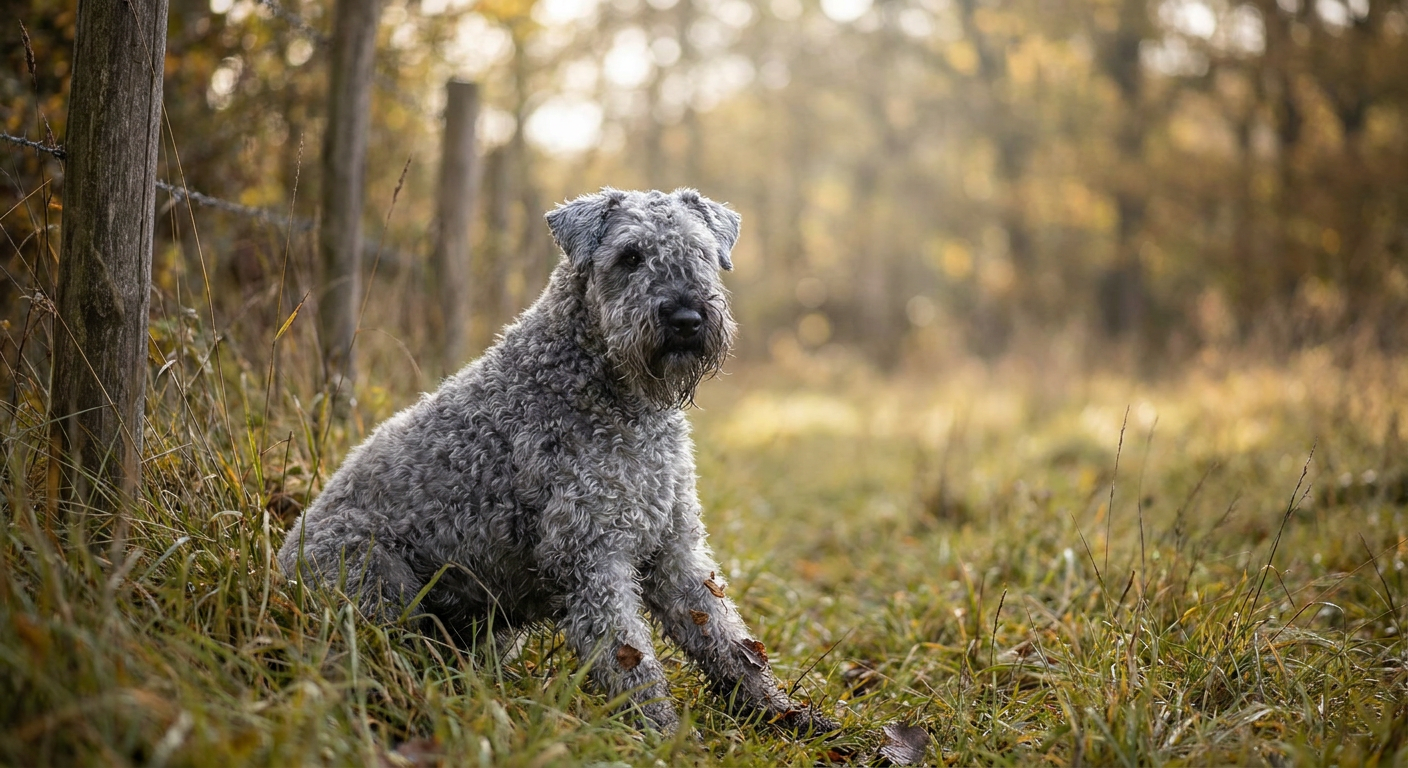
Kerry Blue Terrier
A sturdy, medium-sized working terrier known for its distinctive wavy blue coat and versatile athletic ability. Intelligent and fiercely loyal, the Kerry Blue requires an experienced owner capable of managing its strong-willed nature and high grooming demands. This breed is hypoallergenic and makes a spirited companion for active households committed to ongoing socialization and mental stimulation.
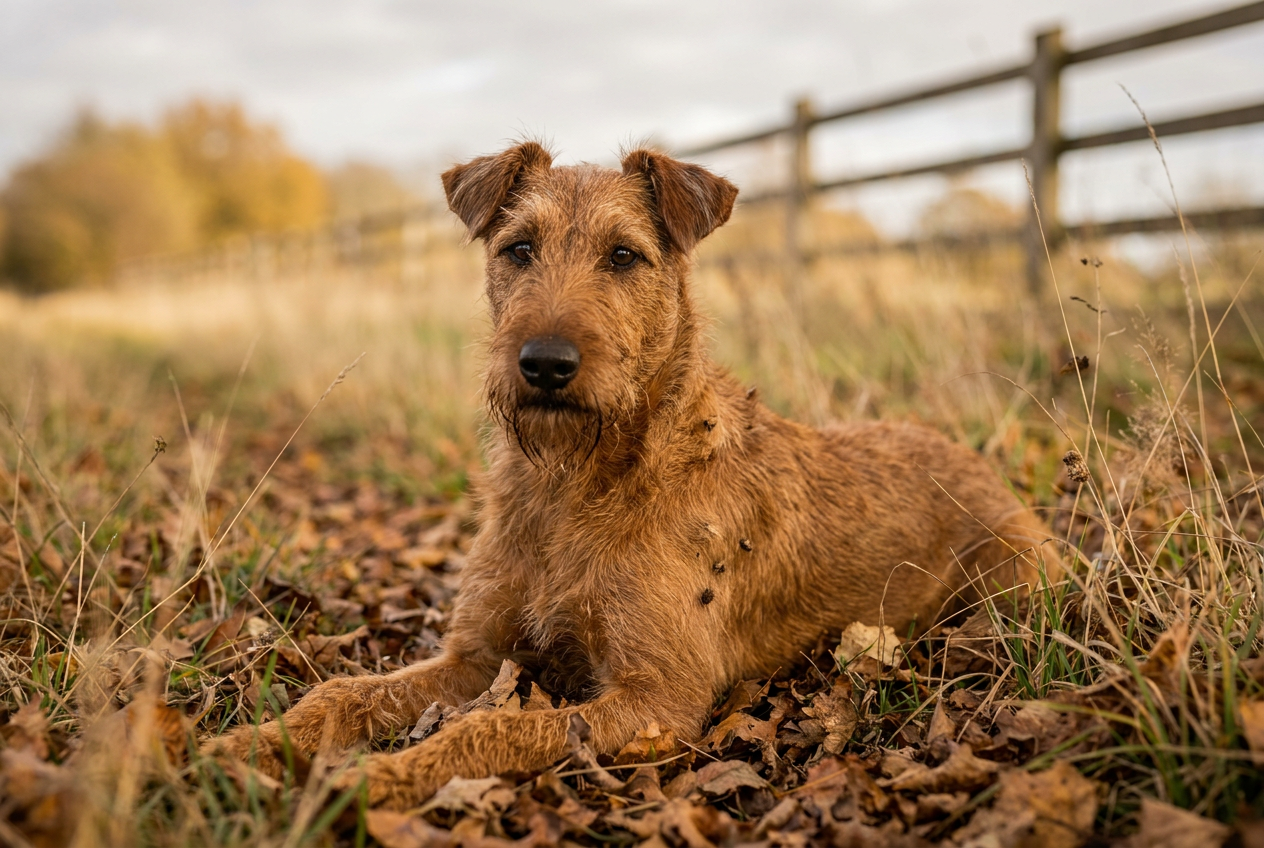
Irish Terrier
A medium-sized, athletic terrier known for its distinctive wiry red coat and courageous spirit. This breed is high-energy and remarkably loyal, making it an excellent companion for active owners who can provide consistent training. While affectionate at home, their bold nature requires careful socialization around other dogs and small animals.
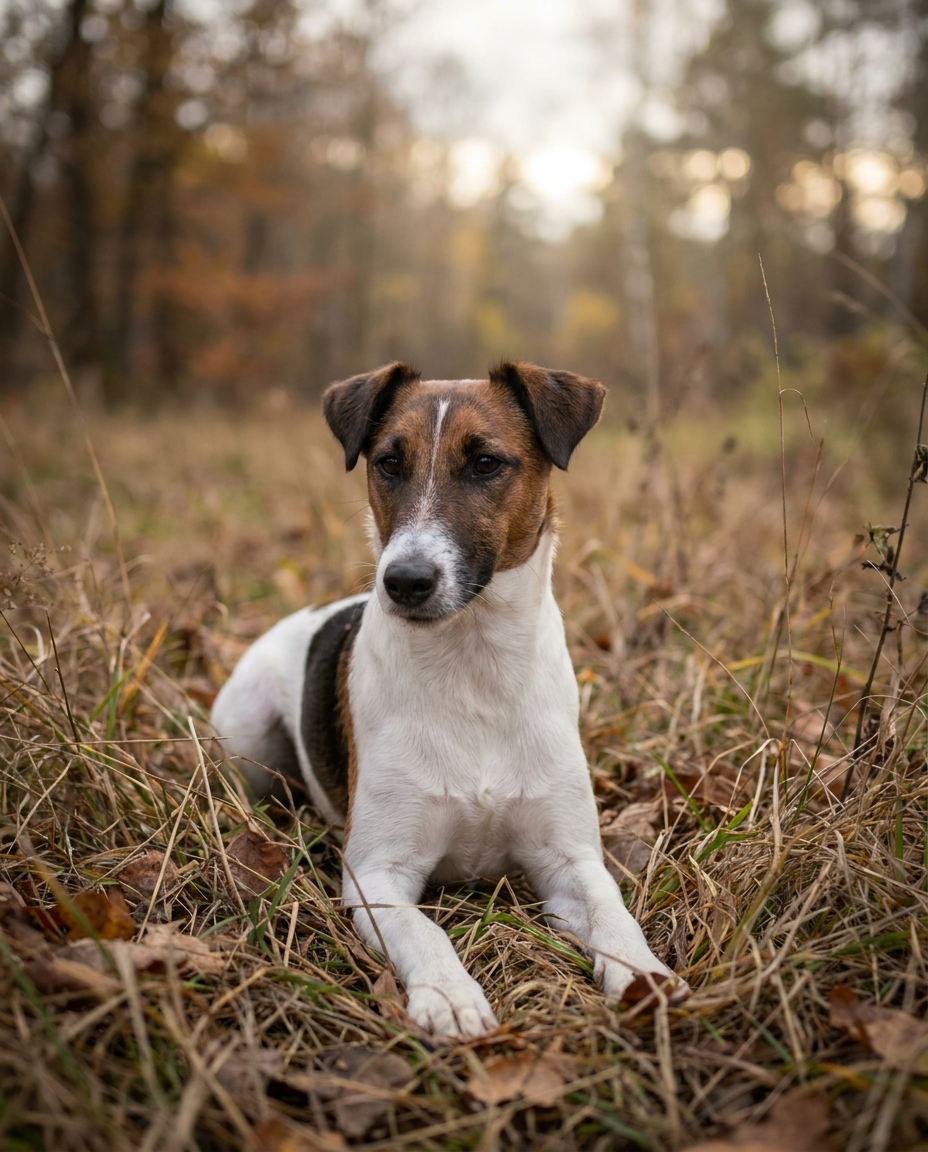
Smooth Fox Terrier
A lively, keen-eyed terrier characterized by its V-shaped ears and intense alertness. Historically a fox hunter, it remains a high-energy companion requiring firm leadership and plenty of daily activity. Its smooth coat is easy to maintain, but its bold personality and high prey drive require a secure environment and consistent social training.
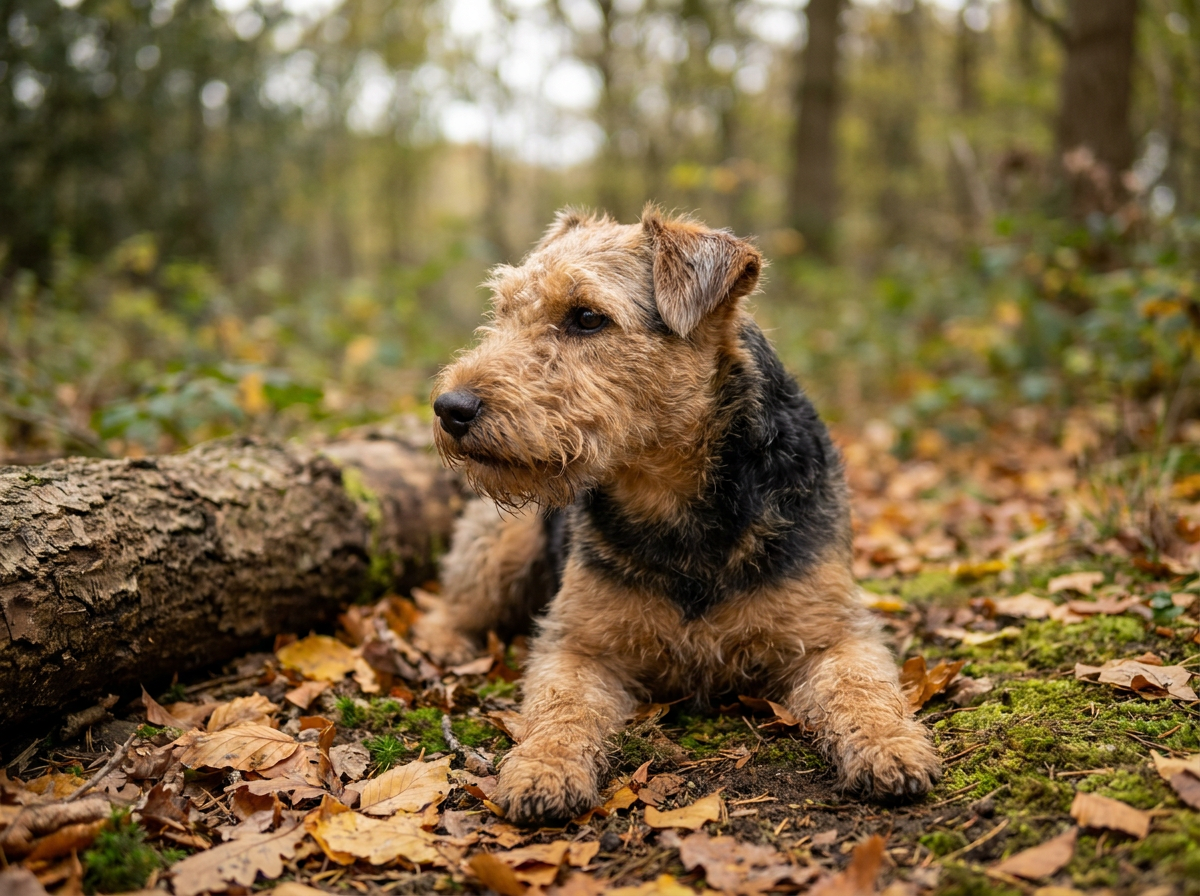
Lakeland Terrier
A sturdy, medium-sized terrier known for its wiry coat and rectangular silhouette. Originally bred to hunt foxes in the rugged terrain of England's Lake District, this breed is courageous, highly intelligent, and spirited. They are excellent companions for active owners who can provide consistent training and mental engagement to channel their working-dog energy.
Terrier Group FAQs
Are terriers good for apartments?
Many are excellent apartment dogs — Yorkies, Cairns, West Highland Whites and Norfolk Terriers thrive in small spaces if exercised twice daily. Larger working terriers (Airedale, Bull Terrier) need more room.
Why are terriers so stubborn?
Their original work required independent decision-making underground, where they couldn't take cues from a handler. That self-reliance shows up as 'stubbornness' in modern training — keep sessions short, fun and high-value.
Do terriers shed?
Most terrier coats are wiry and shed minimally, but they require professional 'hand-stripping' or clipping every 6–10 weeks to maintain texture and skin health.