History & Origin
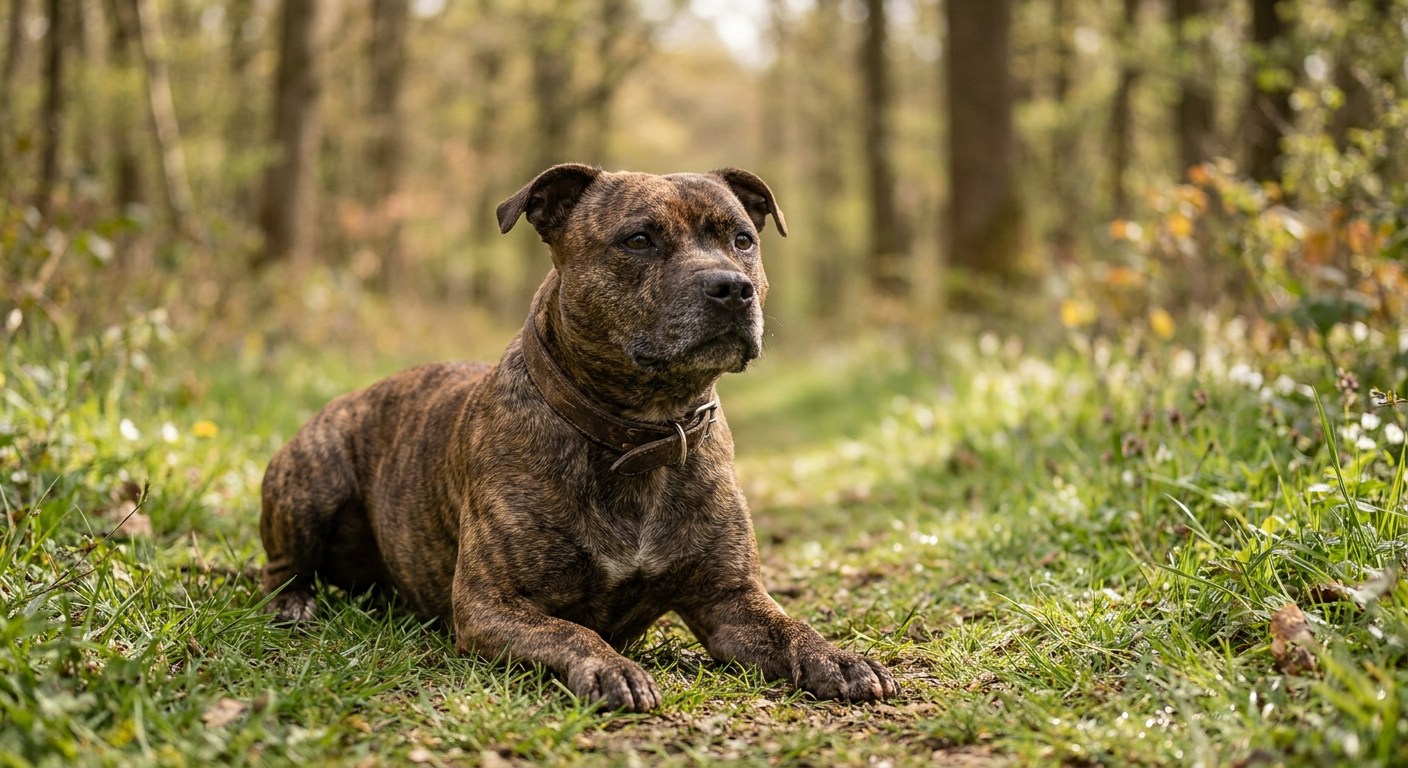
The Staffordshire Bull Terrier owes its origin to the 19th-century bull-and-terrier crosses of England. Initially bred for the brutal sports of bull-baiting and dog fighting, breeders began to select for a more companionable temperament after these bloodsports were outlawed. The goal shifted toward creating a dog with the tenacity of a terrier and the gentle, affectionate nature of a bulldog. The breed was officially recognized in England in 1935. Despite this history, the modern "Staffie" is renowned for its trustworthy and loving nature, especially with children. The American Kennel Club (AKC) officially recognized the Staffordshire Bull Terrier in the Terrier Group in 1974.
Temperament & Personality
The modern Staffie is a study in contrasts. They possess immense courage and tenacity, yet their primary reputation is that of a gentle, patient, and utterly devoted family member. They are particularly known for their reliability with children, earning them the nickname "the nanny dog." They crave human companionship and can suffer from separation anxiety if left alone too often. While not typically aggressive toward people, early and thorough socialization is crucial to mitigate their historically high prey drive and potential for reactivity with other dogs.
Health Watchouts
Top conditions reported by AKC parent clubs, OFA, and the Merck Veterinary Manual. Discuss screening with your vet — especially before breeding or insuring.
L-2-Hydroxyglutaric Aciduria (L-2-HGA)
Carrier rate of ~9% in the UK population; disease is rare with responsible screening.A neurometabolic disorder causing progressive brain dysfunction, leading to seizures, ataxia ("wobbliness"), and dementia-like behaviors. Symptoms typically appear between 6 months and one year.
Screening: A mandatory DNA test for all breeding dogs is available and highly effective at preventing affected offspring.
Hereditary Cataracts (HC)
Carrier rate is estimated around 10%. Disease is now rare due to effective screening.A type of cataract that develops early in life, typically becoming apparent by 8-12 weeks of age. It is progressive and inevitably leads to total blindness if left untreated.
Screening: A DNA test (HSF4) is mandatory for responsible breeders to eliminate the risk of producing affected puppies.
Hip and Elbow Dysplasia
Hip: ~15% affected (OFA data). Elbow: ~18% affected (OFA data).Malformation of the hip or elbow joints, leading to instability, inflammation, and painful arthritis over time. Signs include lameness, stiffness, and difficulty rising.
Screening: OFA or PennHIP radiographic evaluations are strongly recommended for all breeding stock to assess joint conformation and reduce prevalence.
Atopic Dermatitis (Environmental Allergies)
CommonAn allergic skin condition causing intense itching, redness, and recurrent skin/ear infections. Common triggers include pollens, molds, and dust mites. Management is often lifelong.
Screening: No specific screening test. Diagnosis is based on clinical signs and ruling out other causes of itching. Intradermal or blood allergy testing can identify specific triggers.
Distichiasis
CommonA condition where extra eyelashes (distichia) grow from the glands along the eyelid margin, pointing inward toward the eye. This can cause significant irritation, tearing, and corneal ulcers.
Screening: A thorough ophthalmologic exam is recommended for breeding animals. Treatment involves removal of the offending lashes.
Exercise Needs
This is a high-energy breed needing 60 to 90 minutes of varied, vigorous exercise daily. Their powerful muscles and athletic nature demand more than just leisurely walks. A well-exercised Staffie is a happy, well-behaved companion; a bored one is prone to destructive behaviors. Mental stimulation is just as important as physical exertion.
- Flirt pole sessions to engage their prey drive safely
- Agility or flyball to challenge their mind and body
- Brisk jogging or hiking on leash
- Supervised swimming in safe areas
Nutrition
Daily calories: 900-1,300 kcal/day, adjusted for activity level and metabolism.
Feed a high-quality, AAFCO-approved diet appropriate for their life stage. Portion-controlled meals twice daily are preferable to free-feeding to prevent obesity. Ensure constant access to fresh water.
Common allergens to watch: Beef, Dairy, Wheat, Chicken.
⚠ Staffies can be prone to obesity, which severely stresses their joints and can exacerbate dysplasia. Maintain a lean body condition where you can easily feel their ribs and see a defined waist. Adjust food intake based on body condition score, not just the bag's recommendation.
Entertainment & Enrichment
A bored Staffie is a destructive Staffie. Their intelligent mind requires daily "jobs" to stay content. Enrichment should focus on activities that allow them to use their brains, jaws, and natural instincts in a positive way. Rotate toys and activities to keep them engaged.
- Durable puzzle feeders and food-dispensing toys
- Nose work games to satisfy sniffing instincts
- Learning new tricks and commands
- Regularly rotating a variety of tough chew toys
Grooming & Coat Care
Grooming is minimal. The short, smooth coat needs only a weekly brushing with a rubber curry or soft bristle brush to remove dead hair and distribute skin oils. Baths are only necessary when dirty. Regular nail trims, ear cleaning, and daily dental care are essential for overall health.
Training
Early, consistent socialization and positive reinforcement training are not optional for this breed. Enroll in puppy classes as soon as vaccinations are complete. Focus on building a strong foundation of obedience and a reliable recall. Their intelligence and desire to please make them trainable, but their terrier stubbornness requires a patient and confident handler.
Cost of Ownership
Lifetime cost depends on size, lifespan, and health risks. Try our Lifetime Cost Calculator →
Cost band for Staffordshire Bull Terrier: medium.
How insurance, vet care & grooming connect for the Staffordshire Bull Terrier
These three costs move together. The Staffordshire Bull Terrier’s coat, energy, and breed-specific health watchouts shape each one — here’s how they line up.
Insurance band
Common hereditary conditions raise claim odds
Vet service load
High activity raises orthopedic & injury visits
Grooming demand
Low-maintenance coat — monthly bath and brush
Estimated monthly spend (typical adult)
Insurance
$75
Routine vet
$50
Grooming
$30
Combined estimate
~$155/mo(±20%, US averages)
* Estimates derived from breed traits (coat, energy, health watchouts, lifespan). Actual costs vary by location, age, and provider.
Living Situation Fit
The Staffordshire Bull Terrier thrives in a home with an active family that can provide ample exercise and attention. They can adapt to apartment living if their significant exercise needs are met. A securely fenced yard is crucial, as their prey drive and strength can lead them to wander. They are people-centric and do poorly when isolated in a yard or left alone for long periods.
Choosing a Puppy
Choose a breeder who is a member of the Staffordshire Bull Terrier Club of America and adheres to their code of ethics. A responsible breeder will provide a clean, stimulating environment and will have performed all recommended health screenings on the parents, including DNA tests for L-2-HGA and HC, and OFA evaluations for hips, elbows, and eyes. Expect to be interviewed and be prepared to wait for a well-bred puppy.
Frequently Asked Questions
Are Staffordshire Bull Terriers good with kids?
Yes, they have a well-earned reputation for being exceptionally patient and gentle with children in their own family. However, all interactions between dogs and children must be supervised. It's equally important to teach children how to interact respectfully with the dog.
Are Staffordshire Bull Terriers a "pit bull" type?
While they share a common ancestry with breeds often labeled "pit bulls," like the American Pit Bull Terrier, the Staffordshire Bull Terrier is a distinct breed recognized by the AKC. Unfortunately, they may still be subject to breed-specific legislation (BSL) in some areas, so check local regulations.
Can Staffies live with other pets?
It depends on the individual dog and their socialization history. They can often live peacefully with other dogs if raised with them from puppyhood. However, due to their terrier background, some may not be suitable for homes with cats or other small animals due to a high prey drive.
Do they bark a lot?
Staffies are not known for being nuisance barkers, but they will certainly alert you to strangers or unusual sounds. They are more likely to communicate through a series of "woo-woos," snorts, and grumbles.