History & Origin
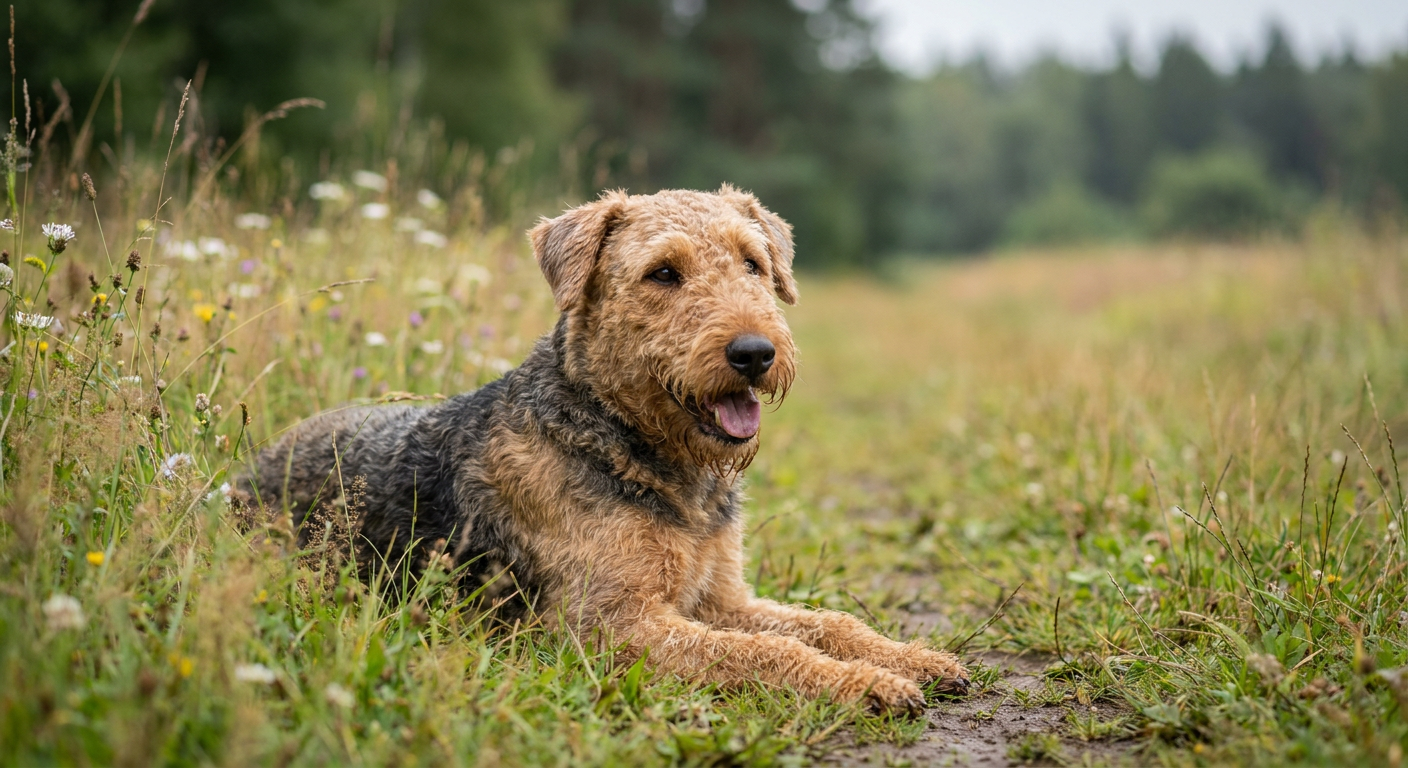
Originating in the Aire Valley of Yorkshire, England during the mid-19th century, the Airedale Terrier was developed by crossing the Otterhound with the now-extinct black-and-tan terrier. The goal was a versatile working dog, capable of hunting otters and rats on the riverbank and serving as a guard dog. Their courage and intelligence were famously utilized during World War I, where they served as messengers and sentries. Known as the "King of Terriers" for being the largest of the group, the Airedale was officially recognized by the American Kennel Club in 1888.
Temperament & Personality
Airedales are a study in contrasts: intelligent, playful, and deeply loyal to their family, yet bold and determined with a classic terrier stubbornness. They are confident and can be aloof with strangers, making them excellent watchdogs. While capable of being gentle family companions, their boisterous nature and independent mind require a firm, consistent leader. They retain a comical, puppy-like demeanor well into adulthood, but need structure to thrive.
Health Watchouts
Top conditions reported by AKC parent clubs, OFA, and the Merck Veterinary Manual. Discuss screening with your vet — especially before breeding or insuring.
Hip Dysplasia
10.4% (OFA)A malformation of the hip joint that leads to instability, pain, and secondary osteoarthritis. It is a common inherited orthopedic condition in medium to large breeds.
Screening: Orthopedic Foundation for Animals (OFA) or PennHIP x-rays after 2 years of age are recommended for all breeding animals.
Gastric Dilatation-Volvulus (Bloat)
Common risk for deep-chested breedsA life-threatening condition where the stomach fills with gas and twists on itself, cutting off blood supply. This is a surgical emergency.
Screening: A preventative surgery called prophylactic gastropexy can be performed to tack the stomach to the body wall, significantly reducing the risk of twisting.
Hypothyroidism
4.9% affected or equivocal (OFA)An endocrine disorder caused by an underactive thyroid gland, leading to a slowed metabolism. Clinical signs include weight gain, lethargy, hair loss, and skin problems.
Screening: A baseline thyroid panel (T4, TSH) is recommended for breeding stock and for any dog showing clinical signs. Manageable with daily lifelong medication.
Heart Disease
Uncommon, but a known riskConditions like Dilated Cardiomyopathy (DCM) or congenital defects like Subaortic Stenosis (SAS) can occur. Regular veterinary checks are crucial for early detection.
Screening: Auscultation (listening with a stethoscope) during annual exams. For breeding animals, an echocardiogram performed by a veterinary cardiologist is the gold standard.
Cancer
Common in the breedAiredales have a higher-than-average risk for certain cancers, particularly hemangiosarcoma (a tumor of blood vessel walls) and lymphoma. Prognosis is often poor.
Screening: No specific genetic screen exists. Vigilance for new lumps, unexplained weight loss, or lethargy is key. Routine senior wellness exams, including blood work and abdominal ultrasounds, may aid in early detection.
Exercise Needs
Airedales are athletic, high-drive dogs that require significant daily exercise to maintain their physical and mental health. A simple walk is not enough. A minimum of 60-90 minutes of vigorous activity is essential to prevent boredom, which can lead to destructive behaviors like digging and chewing. A securely fenced yard is a must-have for this breed.
- Long-leash hiking
- Running or jogging companion (on appropriate surfaces)
- Canine sports like agility, obedience, or scent work
- Vigorous games of fetch
Nutrition
Daily calories: 1100-1400 kcal/day
Feed a high-quality, AAFCO-approved commercial dog food appropriate for their age (puppy, adult, senior). To mitigate the risk of bloat, it is advisable to feed two smaller meals per day rather than one large one and to avoid strenuous exercise for an hour before and after eating.
Common allergens to watch: Beef, Dairy, Wheat, Chicken.
⚠ The Airedale's sturdy frame can easily hide an extra few pounds. Obesity is a serious health concern that dramatically increases the risk of arthritis, diabetes, and heart disease. You should be able to feel their ribs easily under a thin layer of fat, and they should have a visible waistline when viewed from above. Adjust food portions based on activity level and body condition, not just the bag's recommendation.
Entertainment & Enrichment
High intelligence makes the Airedale prone to boredom. Mental exercise is just as important as physical. Daily enrichment helps prevent problem behaviors and strengthens the human-animal bond. Rotate toys and activities to keep them engaged.
- Puzzle feeders and food-dispensing toys
- Scent work games (hiding treats or toys)
- Learning new tricks and commands
- Interactive play sessions with the owner
Grooming & Coat Care
The Airedale's wiry coat is low-shedding but requires consistent upkeep. Brushing several times a week is needed to remove dead hair and prevent matting. For show dogs and purists, the coat is hand-stripped twice a year to maintain its hard texture and vibrant color. Most pet owners opt for professional grooming/clipping every 6-8 weeks, which results in a softer-textured coat.
Training
Early, consistent socialization and obedience training are mandatory for this intelligent but independent breed. They have a strong will and can be stubborn. Use positive reinforcement techniques, but be firm and clear with rules and boundaries. Enrolling in puppy kindergarten and subsequent training classes is highly recommended to ensure they grow into well-mannered companions.
Cost of Ownership
Lifetime cost depends on size, lifespan, and health risks. Try our Lifetime Cost Calculator →
Cost band for Airedale Terrier: medium.
How insurance, vet care & grooming connect for the Airedale Terrier
These three costs move together. The Airedale Terrier’s coat, energy, and breed-specific health watchouts shape each one — here’s how they line up.
Insurance band
Common hereditary conditions raise claim odds
Vet service load
High activity raises orthopedic & injury visits
Grooming demand
Professional clipping every 6–8 weeks
Estimated monthly spend (typical adult)
Insurance
$75
Routine vet
$50
Grooming
$45
Combined estimate
~$170/mo(±20%, US averages)
* Estimates derived from breed traits (coat, energy, health watchouts, lifespan). Actual costs vary by location, age, and provider.
Living Situation Fit
An Airedale thrives with an active owner or family who understands the terrier temperament. They need space to run, making a home with a securely fenced yard almost essential. They are not suited for a sedentary lifestyle. This breed is a significant commitment in terms of time for exercise, training, and enrichment, and is best for an experienced dog owner.
Choosing a Puppy
Reputable breeders will be transparent about their program and perform health screenings recommended for the Airedale Terrier, including OFA certifications for hips and a cardiac evaluation. Puppies should be raised in a clean, stimulating home environment. Ask to meet the dam (mother) and see where the puppies live. A good breeder provides lifetime support and will have a contract that includes a health guarantee.
Frequently Asked Questions
Are Airedale Terriers good with children?
Airedales raised with children can be loyal and protective family members. However, they are boisterous and energetic, and their large size can be overwhelming for small toddlers. All interactions should be supervised. They are generally better suited for homes with older, respectful children.
Do Airedale Terriers get along with other pets?
With extensive socialization from a young age, they can coexist with other dogs. However, their terrier nature may lead to conflicts, especially with dogs of the same sex. They have a strong prey drive and may not be trustworthy around cats or other small animals unless raised with them from puppyhood.
Can you clip an Airedale's coat instead of hand-stripping?
Yes, clipping is a very common grooming choice for pet Airedales and is less expensive and time-consuming than hand-stripping. Be aware that clipping cuts the wiry topcoat, which will cause it to lose its harsh texture and rich color over time, resulting in a softer, often faded-looking coat.
How much does an Airedale Terrier puppy cost?
From a responsible breeder, you can expect to pay between $1,500 and $2,500 for a well-bred Airedale Terrier puppy in 2023. Price can vary based on lineage, location, and breeder reputation. This initial cost does not include ongoing expenses for food, vet care, training, and grooming.